

5 Signs It's Time to Remodel Your Bathroom in Rhode Island
Rhode Island homeowners should consider a bathroom remodel when they notice persistent water damage or mould, ageing plumbing with frequent repairs, insufficient storage or an awkward layout, a dated look that affects home value, or safety issues tied to electrical and ventilation codes. Rhode Island's coastal humidity makes these problems more common and more urgent to address.
Your bathroom gets used every day, and in Rhode Island, it also has to cope with a climate that doesn't make things easy. Humidity rolls in off the coast, temperatures swing between seasons, and older housing stock throughout Providence, Newport and Warwick wasn't always built with modern moisture control in mind.
Recognising when it's time for a bathroom remodel in Rhode Island can save you from bigger repair bills down the track, and it can make a real difference to how your home functions day to day.
Below are five signs worth paying attention to, along with some practical context on what causes them in Rhode Island homes specifically.
1. Persistent Water Damage and Mould Issues
Rhode Island's coastal climate creates conditions that are, frankly, tough on bathrooms. If any of the following sound familiar, it's worth taking a closer look.
- Visible water damage. Peeling paint, warped baseboards or soft spots in the wall or floor point to water getting in somewhere it shouldn't. In older Rhode Island homes, particularly in Providence and Newport, outdated plumbing combined with poor ventilation tends to make this worse over time.
- Mould and mildew that keeps coming back. A bit of mould in a bathroom isn't unusual. But black spots that return quickly after cleaning, or a musty smell that won't shift, usually means there's a moisture source that hasn't been dealt with. Rhode Island's humid summers don't help matters here.
- Grout that's cracking or crumbling. Once grout starts to deteriorate, water can get behind the tiles, which can lead to damage in the subfloor or wall structure that isn't visible until it's fairly advanced.
A remodel gives you the chance to deal with these issues properly, rather than patching over them. That usually means better ventilation, proper waterproofing membranes, and materials suited to a humid coastal climate.
2. Outdated Plumbing and Fixtures
A lot of Rhode Island homes, especially in older neighbourhoods like Federal Hill in Providence or the Victorian streets of Newport, still have plumbing that's several decades old. A few signs it's due for an upgrade:
- You're calling a plumber too often. Once repair costs start adding up, replacing the fixtures or pipework often works out cheaper in the long run.
- Water pressure has dropped off. Corrosion, mineral buildup or ageing fixtures can all reduce pressure, which makes basic tasks like showering more frustrating than they should be.
- There's visible corrosion. Rust stains, green discolouration on copper pipe, or mineral deposits around fittings are signs that the plumbing is ageing and could fail without much warning.
- Fixtures are inefficient. Older toilets, showerheads and taps use more water than they need to, which adds up on your water bill over time.
3. Limited Storage and an Awkward Layout
Smaller bathrooms are common in Rhode Island, particularly in the colonial and cape-style homes found across Providence and Pawtucket. If your bathroom is short on storage or just doesn't work well as a space, it might be time to rethink the layout.
Common complaints include cluttered benchtops, cabinets that are too small for everyday items, and a floor plan that feels cramped or awkward to move through. Lighting is another factor, many older Rhode Island bathrooms rely on a single overhead fixture and have little natural light to begin with.
For homeowners thinking ahead, features like grab bars, walk-in showers and comfort-height toilets are also worth considering, particularly if you're planning to stay in the home long term.
If your bathroom is on the smaller side, our guide to small bathroom renovation ideas for Rhode Island homes covers layout options and storage solutions that work within tighter floor plans.
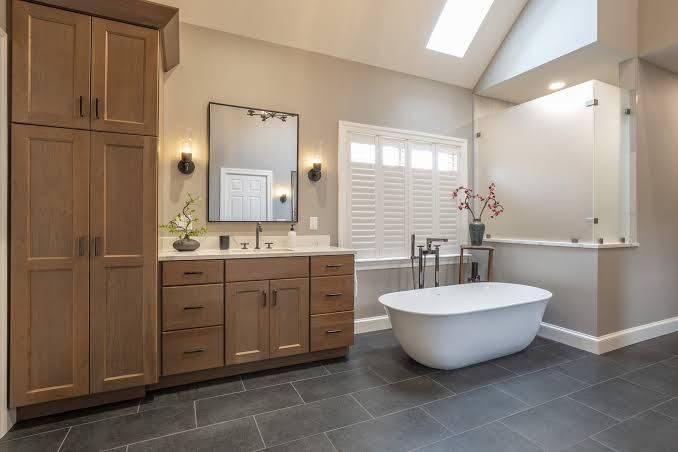
4. A Dated Bathroom Is Affecting Your Home's Value
In a competitive market like Rhode Island's, an outdated bathroom can hold back your home's overall value, something that matters particularly in sought-after areas like East Greenwich, Barrington and the waterfront communities where buyer expectations tend to be higher.
A few things that tend to stand out to buyers:
- Fixtures and finishes that clearly date back to the 1980s or 1990s
- A mismatch of styles from different renovation eras
- The absence of features buyers now expect, such as double vanities or a proper walk-in shower
Generally speaking, a well-planned bathroom remodel recoups somewhere around 60 to 70 percent of its cost in added home value, though this varies depending on the scope of the project and the local market.
5. Safety and Building Code Concerns
Rhode Island has specific building code requirements for bathrooms, and older spaces don't always meet them. A few things worth checking:
- Electrical safety. Bathrooms need GFCI outlets and wiring that meets current code. Many older homes in the state still have outdated electrical systems that fall short.
- Structural issues. Sagging floors, loose tiles or damaged subflooring aren't just cosmetic, they're signs of an underlying problem that should be looked at.
- Poor ventilation. Beyond contributing to mould, inadequate ventilation can also mean a bathroom isn't meeting code. Given Rhode Island's humidity levels, proper exhaust ventilation matters more here than in drier climates.
- Slip hazards. Worn flooring, dim lighting or an awkward layout can all increase the risk of a fall, which is a particular concern for elderly residents.
Planning a Bathroom Remodel in Rhode Island
A few local factors are worth keeping in mind as you plan:
Climate. Porcelain tile, quartz benchtops and a properly specified exhaust fan all hold up better than standard alternatives in Rhode Island's humid conditions.
Historic preservation. If your home sits within a historic district in Providence, Newport or elsewhere in the state, there may be preservation guidelines that affect what changes you can make.
Permits. Most Rhode Island bathroom renovations involving plumbing, electrical or structural work require a permit. It's worth working with a contractor who understands the local permitting process for your specific municipality.
Timing. Spring and autumn generally offer more favourable conditions and better contractor availability than the height of summer or winter.
Once you've decided to go ahead, it also helps to have a realistic sense of how long the project will take. Our guide on how long a bathroom remodel takes in Rhode Island breaks this down by project size and location, so you can plan around the disruption.
Getting the Most from Your Investment
A bathroom remodel is a significant spend, so it's worth putting thought into where that money goes.
- Choose durable materials that are suited to Rhode Island's climate rather than the cheapest option available.
- Water-efficient fixtures and LED lighting reduce ongoing running costs.
- Stick to classic, well-made finishes for major fixtures, and save trend-driven choices for accessories that are easy to update later.
- Make sure the work is installed properly the first time. Poor installation is one of the most common causes of early bathroom failures in humid climates.
Working with a Local Contractor
Bathroom problems rarely get better on their own, and in a humid climate like Rhode Island's, they tend to get worse the longer they're left. At Rockhouse Construction, we work with homeowners throughout the state, including in Glocester, on kitchen and bathroom remodeling projects that account for the state's climate, permitting requirements and housing stock.
If you're noticing any of the signs covered above, a bathroom remodel in Rhode Island is worth planning for sooner rather than later. Get in touch with our team to talk through your project and what it would involve for your home.
Rhode Island Bathroom Remodel Calculator
Answer a few questions based on the five warning signs in this guide. Your result shows how strongly your bathroom may benefit from remodeling and which issues deserve attention first.
Overall Condition
Priority Level
Recommended Approach
Your Five-Sign Breakdown
Frequently Asked Questions
How do I know if my bathroom has a mould problem or just normal moisture?
Some mould in a bathroom is normal and manageable with regular cleaning. It becomes a concern when black spots return quickly after cleaning, when there's a persistent musty smell, or when mould appears in areas not directly exposed to water, such as behind walls or under flooring.
Is it worth remodeling a bathroom in an older Rhode Island home?
In most cases, yes. Older Rhode Island homes often have outdated plumbing, limited ventilation and ageing electrical systems that don't meet current safety standards. A remodel addresses these issues while also improving functionality and resale value.
Do I need a permit for a bathroom remodel in Rhode Island?
Most projects involving plumbing, electrical or structural changes require a permit from your local municipality. Requirements and processing times vary by town, so it's worth checking with your building department or your contractor early in the planning process.
How much of the remodel cost can I expect to recoup in home value?
Industry estimates generally put the return at around 60 to 70 percent of the renovation cost, though this depends on the scope of the project, the quality of materials used, and local market conditions.
What's the best time of year to remodel a bathroom in Rhode Island?
Spring and autumn tend to offer more moderate weather and better contractor availability than the peak of summer or winter, making them a practical choice for most projects.