

Basement Waterproofing Services in Rhode Island: What Homeowners Need to Know
Basement waterproofing services in Rhode Island address moisture problems caused by high water tables, clay-heavy soil, and coastal storms. Professional waterproofing combines exterior membrane systems, interior drainage, crack repair, and sump pumps to keep foundations dry. Costs generally range from $3,000 to $10,000, though the right method depends on soil type, foundation age, and how much water the property is dealing with.
Rhode Island's basements deal with conditions that differ from most of the country. Between the state's proximity to Narragansett Bay, its mix of clay and sandy soils, and housing stock that in many towns predates modern building codes, basement waterproofing services in Rhode Island have become a practical necessity rather than an optional upgrade.
This guide covers how waterproofing works, what causes moisture issues in the first place, and what homeowners should look for when hiring a contractor.
What Does Basement Waterproofing Actually Involve?
Basement waterproofing refers to the methods used to stop water from entering a home through foundation walls, floors, or joints. It is not a single product or fix. Depending on the source and severity of the moisture, a waterproofing plan might include exterior excavation and membrane application, interior drainage systems, crack sealing, or a combination of all three.
The goal is straightforward: manage water before it reaches living space, and reduce the hydrostatic pressure that pushes against foundation walls over time. Left unaddressed, that pressure can lead to cracking, efflorescence, and eventually structural damage.
Why Rhode Island Homes Are Prone to Basement Moisture
A few factors specific to Rhode Island make basement moisture a recurring issue for homeowners across the state.
Soil composition varies significantly by region. Much of Rhode Island sits on glacial till, a mix of clay, sand, and gravel left behind after the last ice age. Clay-heavy soil found inland, in towns such as Coventry and West Warwick, retains water and increases pressure against foundation walls. Sandy soil near the coast drains faster but shifts more over time, which can affect how drainage systems and membranes perform long term.
The water table fluctuates with the seasons. Homes near rivers, reservoirs, or the bay typically experience more groundwater pressure during spring melt and after heavy rain, which is when most basement leaks are reported.
Housing stock is older than the national average. Rhode Island has some of the oldest homes in the country, particularly in Providence, Newport, and Bristol. Many of these properties were built with stone or brick foundations that were never designed with modern waterproofing membranes in mind, which makes them more susceptible to water intrusion.
Signs a Rhode Island Basement Needs Waterproofing
Not every damp patch means a full waterproofing system is required, but certain signs point to a problem that needs professional attention:
- Musty smells that persist regardless of ventilation
- Visible mould or mildew on walls, framing, or stored items
- White, chalky residue on concrete (known as efflorescence)
- Standing water after storms or snowmelt
- Cracks in foundation walls, particularly horizontal or stair-step cracks
- Noticeably higher humidity throughout the home, not just in the basement
If any of these are present, it is worth getting a proper inspection before deciding on a fix, since the underlying cause affects which waterproofing method makes sense.
Waterproofing Methods Used in Rhode Island Homes
Professional basement waterproofing services in Rhode Island generally fall into a few categories, and the right approach depends on the specific problem.
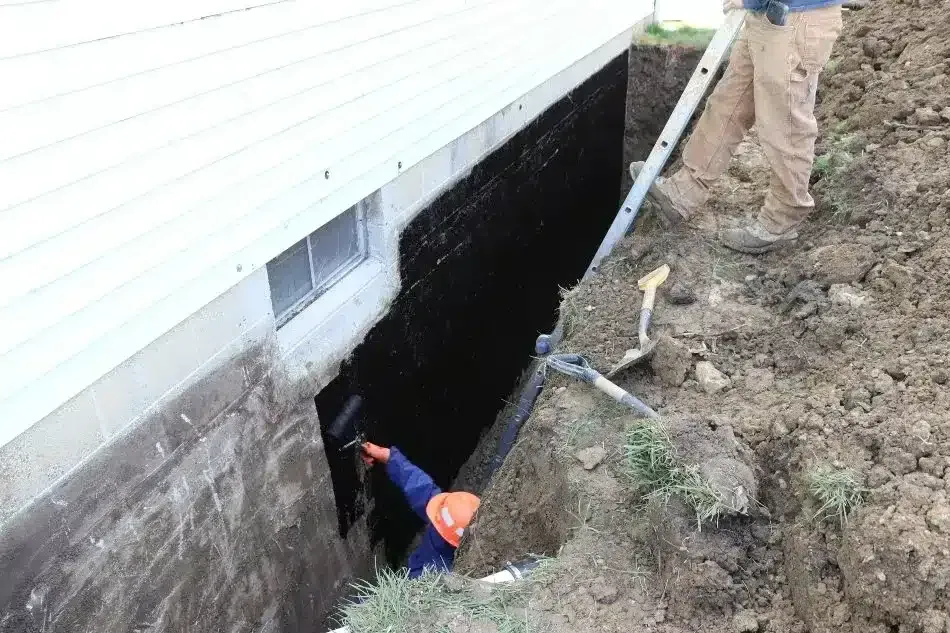
Exterior waterproofing involves excavating around the foundation, applying a waterproof membrane to the walls, and installing drainage before backfilling. This method stops water before it reaches the foundation and tends to hold up well for homes with persistent groundwater pressure, though it is more disruptive and costs more upfront.
Interior drainage systems, including French drains and sump pumps, manage water after it enters the basement rather than blocking it outright. These systems collect water at the base of the foundation and redirect it to a sump pit, where a pump moves it away from the home. This is often the more practical option for moderate moisture issues in a structurally sound foundation.
Crack repair and sealing addresses one of the most common entry points for water. Hairline cracks are typically sealed with epoxy or polyurethane injection, while structural cracks may need carbon fibre reinforcement or wall anchors depending on severity.
Vapour barriers and dehumidification help manage humidity and condensation rather than active leaks. These are usually paired with drainage or exterior systems rather than used on their own for serious water problems.
How Much Does Basement Waterproofing Cost in Rhode Island?
Costs vary depending on the method, the size of the home, and how much of the foundation perimeter needs work. Sealants and minor crack repairs can start around $500, while interior drainage systems with a sump pump typically run between $2,500 and $7,000. Exterior waterproofing costs considerably more, given the excavation involved, and can range from $8,000 well into the tens of thousands for larger properties.
Coastal towns such as Westerly and Narragansett tend to sit at the higher end of the range, since sandy soil and saltwater exposure call for more resilient materials. For a full breakdown of pricing by method and region, this guide to basement waterproofing cost in Rhode Island covers the numbers in more detail.
The Role of Sump Pumps in Rhode Island Basements
A sump pump is often the backbone of an interior drainage system, and in a state prone to nor'easters and sudden power outages, the type of pump matters. Submersible pumps are quieter and handle higher water volumes, while pedestal pumps are easier to maintain and tend to last longer. Given how often coastal storms knock out power across Rhode Island, a battery backup system is worth considering for any home relying on a sump pump for basement protection.
For homeowners weighing up installation options, repair needs, or local code requirements, this guide to sump pump installation and repair for Rhode Island basements covers pump types, costs, and maintenance in more depth.
Choosing a Basement Waterproofing Contractor
Not every contractor offering waterproofing has the experience to diagnose the actual source of water intrusion, which matters more than the specific product used. When evaluating a contractor, it is reasonable to ask about:
- Licensing and insurance specific to foundation work in Rhode Island
- Experience with the property's foundation type, particularly for older stone or brick homes
- Whether they offer interior and exterior solutions, rather than a single fixed approach
- Warranty terms, including whether the warranty transfers if the home is sold
A contractor who takes the time to explain why a particular method suits the property, rather than defaulting to the most expensive option, is generally a better sign of experience than marketing claims alone.
Waterproofing Before Basement Renovations
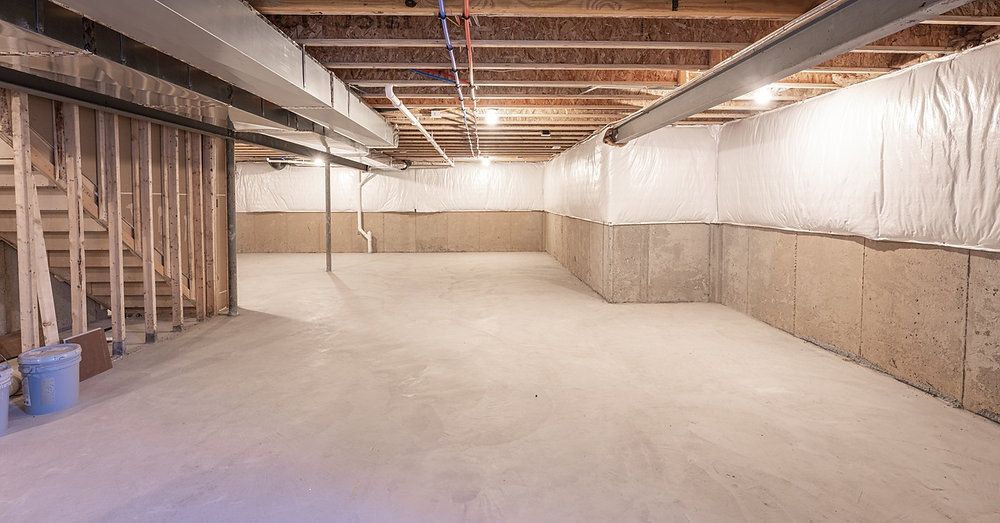
Waterproofing is usually the first step before any basement finishing project, since it makes little sense to invest in flooring, framing, or a finished living space without addressing moisture first. Homeowners in towns such as Barrington considering a basement remodel should have waterproofing assessed early in the planning process.
For those exploring finishing options alongside waterproofing work, this overview of basement finishing contractors in Barrington outlines what that process typically involves.
Maintaining a Waterproofed Basement
Waterproofing is not a one-time task that can be ignored afterwards. Gutters and downspouts should be cleaned regularly to keep water moving away from the foundation, and grading around the home should slope away from the property rather than toward it.
Sump pumps should be tested before storm season, and humidity levels inside the basement are worth monitoring year-round. An annual inspection can catch small issues, such as a failing check valve or a hairline crack, before they turn into larger repairs.
Protecting Your Home with Basement Waterproofing Services in Rhode Island
Rhode Island's climate and older housing stock mean basement moisture is rarely a one-off issue. Whether the right solution is exterior membrane installation, interior drainage, or a straightforward sump pump upgrade, addressing the problem early tends to cost far less than repairing structural damage later.
Homeowners considering basement waterproofing services in Rhode Island are better placed to make an informed decision once they understand the local causes, the available methods, and what a proper inspection should cover.
Rhode Island Basement Flood Risk Planner
Check your basement's flood risk and identify the protection measures that may need attention.
Frequently Asked Questions
How do I know if I need interior or exterior waterproofing?
Interior systems are generally suited to moderate moisture in a structurally sound foundation, while exterior systems are recommended for homes dealing with a high water table or ongoing hydrostatic pressure against the walls.
How long does basement waterproofing take to complete?
Interior drainage systems typically take one to three days to install. Exterior waterproofing takes longer, often a week or more, depending on the size of the foundation and excavation requirements.
Does Rhode Island require a permit for basement waterproofing?
Most exterior waterproofing and drainage work requires a permit, while minor crack sealing generally does not. Requirements differ by municipality, so it is worth checking with the local building department beforehand.
Can basement waterproofing help with resale value?
A dry, properly waterproofed basement is generally viewed favourably during a home sale, particularly in older Rhode Island homes where foundation history is a common point of inspection.
Is DIY waterproofing a reasonable option?
Minor crack sealing or applying a waterproof coating can be done as a short-term measure, but ongoing water intrusion or foundation cracking generally requires a professional assessment to identify the actual source of the problem.