

Choosing the Right Patio Materials in Rhode Island: A 2026 Guide
Rhode Island's weather puts real pressure on outdoor patios. Hot, humid summers give way to cold winters with dozens of freeze thaw cycles, and homes near the coast deal with salt air on top of all that. Choosing the right patio materials in Rhode Island means understanding how your local climate affects durability, not just picking a look you like.
This guide covers what actually holds up outdoors in Rhode Island, what tends to fail early, and how to think through material choice before committing to a project. It's written for homeowners planning a patio build and wanting a realistic picture of what each material will actually deliver over the years, not just in the first summer.
Why Rhode Island's Climate Matters for Patio Material Choice
Rhode Island winters move above and below freezing repeatedly, often more than 30 times in a single season. Water that gets into a porous surface expands when it freezes, and that expansion is what causes cracking, spalling, and surface breakdown over time.
Materials that handle this well tend to be dense and low in porosity. Materials that don't handle it well are usually softer or more absorbent, and they show damage within just a few winters.
Summer brings a different set of pressures. High humidity and direct sun can fade some surfaces, and certain materials get uncomfortably hot underfoot during peak afternoon heat. Humidity also creates conditions where mould or mildew can take hold if a surface doesn't drain or dry properly.
For homeowners near the coast, in towns like Barrington, Bristol, or along the Narragansett Bay shoreline, salt air adds another layer to think about. Salt is corrosive to certain metals and can speed up the weathering of some stone and concrete if it isn't sealed properly. None of this means coastal patios are a bad idea. It just means the material selection process needs to account for it from the start.
For a closer look at exactly how these freeze thaw cycles affect different surfaces across the region, our guide on best patio materials for freeze/thaw cycles in New England breaks down the science and the numbers in more detail.
Patio Materials That Perform Well in Rhode Island
Concrete Pavers
Concrete pavers are one of the most common choices for Rhode Island patios, and for good reason. They're manufactured in a wide range of styles, colours, and textures, and when installed on a properly compacted, well draining base, they handle freeze thaw cycles reliably.
The quality of the paver matters here. Look for pavers rated for cold climates, with adequate thickness and a dense mix that limits water absorption. Lower grade pavers, even if cheaper upfront, tend to crack and deteriorate faster under Rhode Island's winter conditions.
Natural Stone: Granite, Bluestone, and Flagstone
Rhode Island has a long history of local granite quarrying, and granite remains one of the strongest options for a patio surface. Its low porosity means it absorbs very little moisture, which keeps freeze thaw damage to a minimum. Bluestone is another dense, durable option that's widely used across New England and holds up well locally.
Flagstone gives a more irregular, rustic look, and while it can perform well, it's worth checking the specific type and porosity before committing, since flagstone varies more than granite or bluestone in how it handles moisture.
Brick
Brick patios suit the architectural style of a lot of older Rhode Island homes. Not all brick is equal here though. Hard fired brick with low moisture absorption is what you want for long term durability. Softer or lower grade bricks absorb more water and are more likely to crack during repeated freeze thaw cycles.
Composite Decking for Adjoining Areas
While not a patio surface in the traditional sense, composite decking is often used for walkways, raised platforms, or multi level outdoor spaces that connect to a patio. It resists fading, warping, and insect damage, and it handles saltwater exposure reasonably well, which makes it a practical option for coastal properties looking to extend their outdoor living space without introducing a material that needs heavy upkeep.
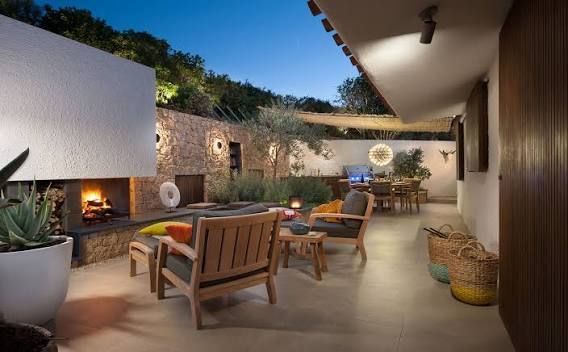
Materials to Be Cautious About in Rhode Island
Some materials are more prone to problems in this climate and need extra care if you choose them.
- Porous natural stone varieties, including some sandstone and softer limestone types, absorb more moisture and are more likely to crack during Rhode Island's freeze thaw cycles. If you go with a more porous stone, regular sealing is necessary to protect it.
- Low grade or cheap concrete mixes often lack the density needed to withstand repeated temperature swings and moisture exposure. They may look fine for the first year or two before cracking and surface deterioration set in.
Choosing a lower cost material without checking its freeze thaw rating is one of the most common mistakes homeowners make when planning a Rhode Island patio. It usually costs more in repairs down the line than it saves upfront.
How Local Conditions Affect the Right Choice for Your Property
Not every Rhode Island property faces the same conditions. A patio in Burrillville, further inland and surrounded by wooded terrain, deals with different drainage and grading challenges than a coastal property near Newport or Barrington.
Properties with more tree coverage and natural slope need patios designed around the existing grade, with drainage solutions that account for runoff and erosion control.
If you're in Burrillville or a similarly rural, wooded part of the state, it's worth working with a contractor familiar with that terrain. Our paver patio and hardscaping work in Burrillville covers how we approach grading, drainage, and material selection specifically for properties with more natural variation in the land.
Coastal properties, on the other hand, need to weight salt resistance more heavily in material choice, particularly for any metal fixtures or furniture that will sit on the patio surface.
Installation Matters as Much as Material Choice
Even the best material will underperform if it isn't installed correctly. A well draining base is the single biggest factor in whether a patio survives Rhode Island winters without cracking. This typically means:
- A compacted gravel base of adequate depth beneath the paving material
- Proper slope to direct water away from the patio and any adjoining structures
- Correctly sized and spaced joints, especially for paver and brick installations
- Sealing where the chosen material requires it, applied on a regular schedule
Skipping any of these steps increases the risk of water pooling or sitting against the material, which is exactly the condition that leads to freeze thaw damage in the first place.
If your patio project includes an outdoor kitchen, the materials you choose there need the same level of consideration, often more, since appliances and cabinetry introduce additional exposure to moisture and salt air.
Our guide on best outdoor kitchen materials for Rhode Island weather covers countertop, cabinet, and flooring choices for that part of the project in more detail.
Final Thoughts on Choosing Patio Materials in Rhode Island
Choosing the right patio materials in Rhode Island comes down to understanding how your local climate, and your specific property's conditions, will interact with the material over years of use. Granite, bluestone, quality concrete pavers, and hard fired brick all have a strong track record here, while porous stone and low grade concrete need extra care or are best avoided altogether.
Getting the base preparation and drainage right matters just as much as the material itself. If you're planning a patio project and want guidance specific to your property's location and conditions, reach out to discuss what will genuinely hold up through Rhode Island's seasons.
Patio Material Suitability Calculator
Not sure which patio material will perform best on your property? Answer these questions about your location, soil, drainage, weather exposure, and maintenance preferences to compare your material selection and identify suitable alternatives.
Your Patio Material Assessment
Material risk indicator: 0 / 100
Factors Affecting Material Performance
Installation and Maintenance Recommendations
Other Materials to Consider
This calculator provides a general material suitability assessment based on the information entered. Results are not laboratory testing, a product certification, or a guarantee of material performance. Actual suitability depends on the specific product specifications, installation quality, site conditions, and manufacturer guidelines. Consult an experienced local contractor or material supplier before making your final selection.
Frequently Asked Questions
What is the best patio material for Rhode Island's climate?
Granite and quality concrete pavers tend to perform the most consistently across Rhode Island's freeze thaw cycles, provided they're installed on a properly compacted, well draining base.
How often does natural stone need to be sealed in Rhode Island?
This depends on the stone type. Denser stone like granite needs less frequent sealing, while more porous options may need sealing annually to prevent moisture absorption and cracking.
Does living near the coast change which patio materials I should choose?
Yes. Salt air accelerates corrosion in certain metals and can speed up weathering in some stone and concrete. Coastal properties benefit from materials with lower porosity and proper sealing maintenance.
Can a cheaper concrete mix work for a Rhode Island patio?
Lower grade concrete mixes generally lack the density needed to withstand repeated freeze thaw cycles, and they tend to crack and deteriorate faster, leading to higher repair costs over time.