

How to Prevent Basement Flooding in Coastal Rhode Island: A 2026 Homeowner's Guide
Preventing basement flooding in coastal Rhode Island requires a combination of measures, including a sump pump with battery backup, exterior foundation waterproofing, proper site grading, sealed foundation cracks, and a backwater valve on the main sewer line. Homeowners should also confirm their FEMA flood zone and meet current CRMC elevation requirements before starting any waterproofing project.
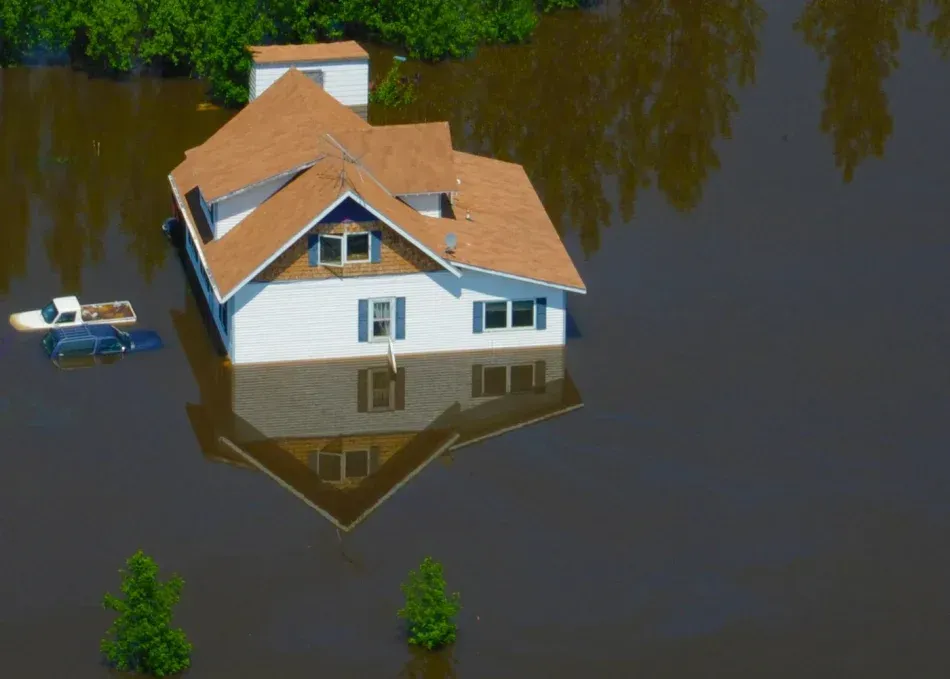
Rhode Island's 400 miles of coastline give homeowners in Newport, Warwick, Narragansett, and Providence direct access to Narragansett Bay and the Atlantic, but that same proximity to water creates ongoing flood risk for basements. Rising sea levels, more frequent nor'easters, and ageing drainage infrastructure mean that basement flooding is no longer an occasional inconvenience for coastal properties. It's a recurring maintenance issue that needs a planned response.
This guide covers the systems and practices that actually reduce flood risk in coastal Rhode Island basements, from sump pumps and exterior drainage to flood zone compliance and storm preparation. It also explains where Rhode Island building code sets minimum standards, so homeowners know what's required rather than optional.
Why Coastal Rhode Island Basements Flood More Than Most
Rhode Island has recorded roughly 10 inches of relative sea level rise since 1930, and that trend is expected to continue. For basement owners, this matters because higher baseline water levels mean storm surge travels further inland, and ordinary high tides push closer to the point of causing flooding on their own.
Coastal flooding behaves differently to typical groundwater seepage. Storm surge from a hurricane or nor'easter can raise sea levels 5 to 15 feet above normal high tide for a short period, creating hydrostatic pressure against foundation walls that forces water through cracks, joints, and window wells. Saltwater intrusion also corrodes rebar inside concrete and leaves salt deposits that keep drawing in moisture long after floodwater recedes.
Homeowners near Narragansett Bay, Newport Harbor, and other tidal areas face this risk more often than inland properties. For a closer look at how storm surge and saltwater intrusion affect coastal foundations specifically, our guide on dealing with Rhode Island coastal flooding basements breaks down the mechanics in more detail.
Check Your Flood Zone Before You Spend Money
Before investing in any prevention system, it's worth confirming where a property sits on FEMA's flood maps. These maps divide Rhode Island properties into zones based on flood probability. VE and AE zones carry the highest risk, X zones carry lower risk, and AO zones apply to areas with shallow, sheet-flow flooding.
FEMA maps are based on historical data, so a property just outside a mapped flood zone can still flood during an unusually strong storm or extreme tide. Rhode Island's Coastal Resources Management Council (CRMC) maintains StormTools, a mapping tool that models sea level rise and storm surge scenarios specific to the state's coastline. It offers a more current picture than FEMA maps alone.
Knowing your flood zone also determines what building code requires for any renovation or repair work below base flood elevation, including elevation standards, flood vents, and material choices.
What Rhode Island Building Code Requires for Waterproofing
Rhode Island's building code adopts the International Residential Code with state-specific amendments for the state's climate and coastal exposure. Foundation walls must include dampproofing or full waterproofing depending on soil conditions and groundwater levels, applied from the top of the footing to finished grade.
Properties with a high water table, common in coastal communities such as Warwick, Barrington, and South Kingstown, generally need full waterproofing systems rather than basic dampproofing, since dampproofing alone isn't designed to resist sustained hydrostatic pressure.
Site grading is also code-regulated. Ground must slope away from foundation walls at a minimum grade of six inches within the first ten feet, and gutters and downspouts must direct water at least five feet from the foundation. Most municipalities require permits for sump pump installation, drainage system work, and any structural modification tied to waterproofing.
For a full breakdown of code requirements, permit rules, and municipal variations across Rhode Island, see our detailed guide to basement waterproofing requirements in Rhode Island.
Core Systems That Prevent Basement Flooding
No single fix solves basement flooding on a coastal property. Effective protection usually combines several systems working together.
Sump pumps with battery backup
A submersible sump pump is the standard first line of defence. For coastal homes, cast iron or stainless steel components resist corrosion from salt air better than standard models. Because coastal storms frequently knock out power at the exact moment pumps are needed most, a battery backup system that operates independently of the main electrical supply is not optional. It's a basic requirement for reliable protection.
Exterior waterproofing and drainage
Exterior waterproofing prevents water from reaching foundation walls in the first place, rather than managing water after it gets in. This typically involves excavating around the foundation, applying a waterproofing membrane, and installing a footing drain that channels groundwater to daylight, a dry well, or the storm sewer system.
Perimeter waterproofing generally costs between $8,000 and $15,000 for a typical Rhode Island home, while French or curtain drains that intercept groundwater before it reaches the foundation run $3,000 to $8,000 depending on the property.
Foundation crack repair
Freeze-thaw cycles and hydrostatic pressure create cracks that become entry points for water. Hairline cracks under one-eighth inch are usually cosmetic and can be sealed with polyurethane or epoxy injection. Cracks wider than one-quarter inch, or horizontal cracks and bowing walls, point to structural issues that need a professional assessment before any waterproofing is applied.
Backwater valves
Combined sewer systems in cities such as Warwick, Providence, and Newport create a specific risk during storm surge. Seawater and sewage can be pushed back through floor drains and into the basement. A backwater valve installed on the main sewer line stops this backflow and is one of the more overlooked protections on coastal properties.
Flood vents
In many flood zones, foundation walls are required to include flood vents that equalise pressure during flooding and reduce the risk of structural damage. Whether this applies to a given property depends on its flood zone designation and elevation relative to base flood elevation.
Storm Preparation That Actually Helps
Rhode Island Emergency Management Agency and the National Weather Service typically issue coastal flood warnings 12 to 36 hours ahead of expected flooding. Risk is highest when storm surge coincides with an astronomical high tide, since the two combine to push water levels well above what either would cause alone.
When flooding is forecast:
- Move valuables and irreplaceable items out of the basement
- Shut off electricity to the basement at the breaker panel
- Close basement vents and windows, and install flood barriers if available
- Photograph the basement and its contents before water arrives, for insurance purposes
Never remain in a basement once floodwater starts rising. Electrical hazards and limited exits make it one of the more dangerous places in a home during a coastal storm.
Warning Signs a Basement Needs Attention
Some signs point to flood risk before a major storm ever hits:
- Musty odours or visible water stains on foundation walls
- White mineral deposits (efflorescence) on masonry
- Basement humidity consistently above 60 percent
- Pooling water near the foundation after ordinary rain
- Cracks or settling around the foundation perimeter
Addressing these early is generally far less costly than repairing damage after a flood event.
Choosing a Contractor for Rhode Island Flood Prevention Work
Rhode Island requires contractors performing foundation and waterproofing work to hold a current licence through the state's Contractors' Registration and Licensing Board. Licensed contractors understand local code requirements, carry liability insurance, and can legally pull the permits needed for sump pump installation or drainage work.
Homeowners should be cautious of door-to-door solicitation after storm events, cash-only payment demands, or contractors unwilling to provide a written contract.
Communities such as Warwick see a mix of waterfront properties along Narragansett Bay and suburban homes further inland, each with different drainage and foundation needs. Homeowners weighing a basement finishing or waterproofing project can review our work with Warwick basement finishing contractors for examples specific to the area.
Insurance Is Worth Checking Before a Storm
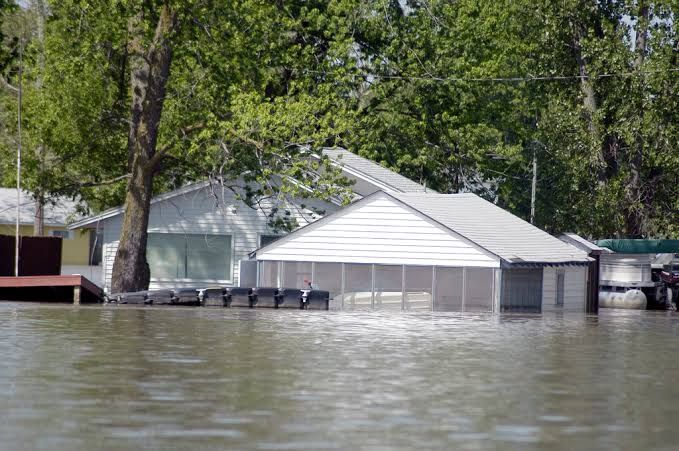
Standard homeowners insurance does not cover flood damage. Properties in FEMA Special Flood Hazard Areas with a mortgage are required to carry flood insurance, though many coastal Rhode Island homes outside mapped flood zones flood regularly too.
National Flood Insurance Program policies cover up to $250,000 for the structure and $100,000 for contents, with a 30-day waiting period before coverage begins. Building above the minimum required elevation and keeping a current elevation certificate can also lower annual premiums.
Protecting Your Basement for the Long Term
Preventing basement flooding in coastal Rhode Island comes down to combining the right systems: a sump pump with reliable backup power, proper exterior waterproofing and drainage, sealed foundation cracks, and backflow protection on the sewer line, all matched to a property's flood zone and elevation.
Homeowners who confirm their flood risk, follow current CRMC and municipal building requirements, and maintain their systems year-round are far better positioned when the next storm surge arrives.
If you're assessing a coastal property's flood risk or planning a waterproofing project, Rockhouse Construction works with homeowners across Rhode Island's coastal communities on exactly this kind of work. Contact us for a professional assessment before the next storm season.
Rhode Island Egress Window Compliance Calculator
Check whether your basement egress window dimensions and window well meet the key requirements outlined in this guide.
Window Opening
Window Well
This calculator is a planning tool based on the requirements described in this guide. Confirm the final design with your local Rhode Island building department before construction.
Frequently Asked Questions
How much does basement waterproofing cost in coastal Rhode Island?
Costs vary by scope. Basic sump pump installation runs $1,200 to $3,500, while full exterior foundation waterproofing typically costs $10,000 to $25,000 depending on the size of the property and soil conditions.
Do I need a permit to install a sump pump in Rhode Island?
Most municipalities require a permit for sump pump installation, particularly when the work involves electrical modifications. Licensed contractors typically handle permit applications as part of the job.
Will homeowners insurance cover basement flood damage?
No. Standard homeowners insurance excludes flood damage. Separate flood insurance through the National Flood Insurance Program is required for full coverage, and it carries a 30-day waiting period before it takes effect.
How do I know if my property is at high risk of coastal flooding?
Check your FEMA flood zone designation and review Rhode Island CRMC's StormTools mapping tool, which models storm surge and sea level rise scenarios specific to your location.
Can I install basement waterproofing myself?
Minor tasks such as gutter maintenance, downspout extensions, and small crack sealing can be done without a professional. Sump pump installation, exterior waterproofing, and any work affecting drainage systems or electrical components should be handled by a licensed contractor to meet Rhode Island code requirements.