

Kitchen Countertop Materials for Rhode Island Homes: A 2026 Guide
Granite and quartz remain the top-performing kitchen countertop materials for Rhode Island homes because they resist the state's humidity, salt air, and seasonal temperature swings without heavy upkeep.
Marble, butcher block, concrete, and laminate each offer distinct benefits, but the right choice depends on your home's style, location, and how much maintenance you're prepared to do.
Choosing kitchen countertop materials for a Rhode Island home means weighing more than colour and price. Our coastal climate, with its salt air, humidity, and freeze-thaw winters, affects how different surfaces hold up over time. A countertop that performs well in a dry inland state may not last in a home near Narragansett Bay or the Atlantic coastline.
This guide walks through the most common countertop materials used in Rhode Island kitchens, how each performs in our climate, and what to consider before choosing one for your renovation.
Whether you're working on a historic colonial in Providence or a coastal property in Newport County, understanding these differences will help you make a decision that holds up for years.
How Rhode Island's Climate Affects Countertop Materials
Rhode Island sits on the coast, which means most homes deal with higher humidity than inland states. Properties near the water face additional exposure to salt air, which can affect certain finishes and sealants over time. The state also experiences four distinct seasons, and the freeze-thaw cycle during winter can stress porous materials if they're not properly sealed.
These factors matter when selecting kitchen countertop materials:
- Humidity affects how quickly porous stone absorbs moisture and stains
- Salt air can wear down certain sealants faster near the coast
- Temperature swings between seasons can cause some materials to expand and contract
- Indoor cooking habits, including frequent entertaining and holiday meals, add wear that varies by household
With these conditions in mind, here's how the main countertop options compare.
Granite Countertops
Granite is a natural stone that continues to be a reliable choice for Rhode Island kitchens. It handles humidity well once properly sealed and holds up to daily use, including heat from pots and pans.
Why it works in Rhode Island: Granite resists moisture better than more porous stones, which suits our humid summers. It also withstands heavy use, making it a practical option for busy households.
What to know: Granite needs sealing on a regular basis, typically once a year, to maintain its stain resistance. Skipping this step in a coastal environment can shorten its lifespan.
Best suited for: Traditional and colonial-style homes where natural stone complements existing architectural details.
Quartz Countertops
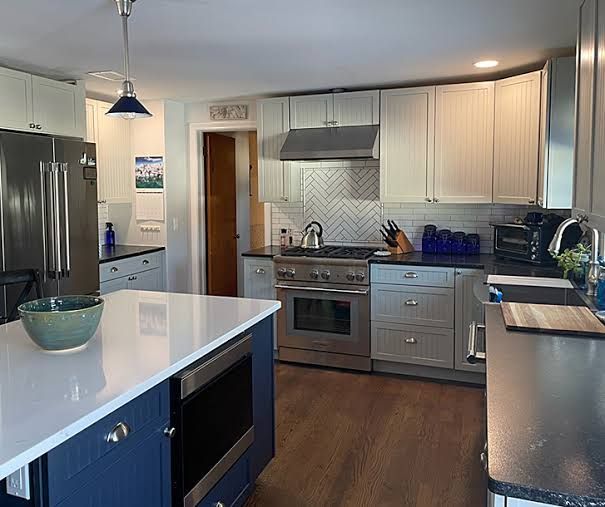
Quartz is engineered rather than quarried, which gives it more consistent performance across different climates. For Rhode Island homeowners who want durability without the maintenance routine that natural stone requires, quartz is often the practical choice.
Why it works in Rhode Island: Quartz doesn't need sealing, and its non-porous surface resists staining and bacteria growth. It holds up to humidity fluctuations without cracking, which natural stone can be prone to during freeze-thaw cycles.
What to know: Quartz is manufactured to mimic the look of marble or granite, so homeowners can get a similar aesthetic with less upkeep.
Best suited for: Households wanting low-maintenance durability, including families with young children or anyone who entertains often.
Marble Countertops
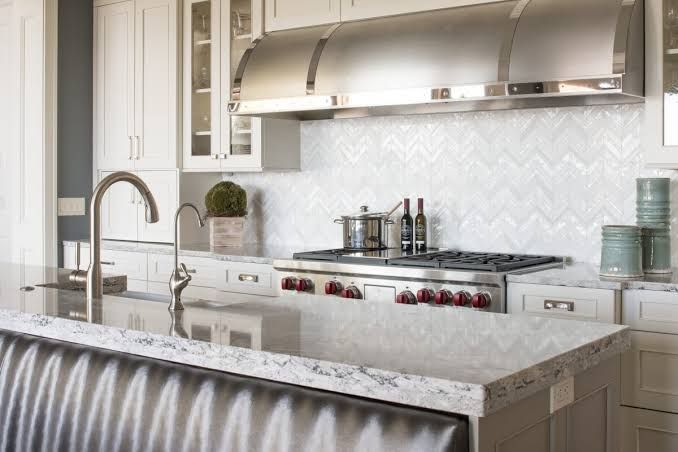
Marble offers a classic look that suits upscale and historic Rhode Island properties, including homes in Newport and Jamestown. It's a softer stone than granite or quartz, which means it requires more care.
Why it works in Rhode Island: The cool surface temperature of marble makes it a favourite for baking and pastry work, a detail some homeowners prioritise over durability.
What to know: Marble is prone to etching from acidic foods like lemon juice or vinegar. In a humid climate, it also needs more frequent sealing to avoid staining. This is a material for homeowners prepared to maintain it carefully.
Best suited for: Formal kitchens in historic homes where appearance is the priority over heavy daily use.
Butcher Block Countertops
Wood countertops bring warmth to a kitchen and work well in colonial-style Rhode Island homes. They're also one of the more budget-friendly options among natural materials.
Why it works in Rhode Island: Hardwoods such as maple, oak, and walnut perform reasonably well in our climate when sealed correctly.
What to know: Rhode Island's humidity means butcher block needs more regular oiling, typically monthly, to prevent the wood from drying out or cracking. It's a higher-maintenance option compared to engineered surfaces.
Best suited for: Kitchens wanting a farmhouse or traditional look, paired with other more durable surfaces for high-moisture areas.
Concrete Countertops
Concrete suits homeowners after a custom, industrial look, and it's increasingly used in converted mill buildings and modern Providence properties.
Why it works in Rhode Island: Properly sealed concrete handles our climate well and can be customised with colour, texture, or embedded elements.
What to know: Concrete countertops require skilled installation. If the sealing isn't done correctly, the surface can be vulnerable to moisture penetration over time, particularly in coastal homes.
Best suited for: Contemporary kitchens where homeowners want a one-of-a-kind surface and are working with an experienced installer.
Stainless Steel Countertops
Stainless steel is a practical option for anyone wanting commercial-grade durability in a home kitchen, particularly useful for seafood preparation, which is common across Rhode Island households.
Why it works in Rhode Island: Stainless steel resists corrosion from salt air better than most materials, making it a solid option for coastal properties.
What to know: The material shows scratches and fingerprints more visibly than stone or quartz, which is worth considering for a high-traffic kitchen.
Best suited for: Contemporary kitchens and households that prioritise hygiene and easy cleanup over a softer aesthetic.
Laminate Countertops
Laminate has improved significantly over the years and remains the most budget-friendly option for Rhode Island kitchen renovations.
Why it works in Rhode Island: Modern laminate resists humidity and temperature changes reasonably well when installed correctly, and it's available in patterns that mimic stone or wood.
What to know: Poor installation can allow moisture to get underneath the surface, which may cause delamination over time in a humid climate. Choosing an experienced installer matters here.
Best suited for: Budget-conscious renovations or rental properties where cost is the main consideration.
Choosing the Right Material for Your Home's Style
Rhode Island's architecture varies widely, and this often guides material choice as much as performance does.
- Colonial and historic homes throughout Providence and Newport tend to suit granite, marble, or butcher block, which complement period details.
- Contemporary homes, particularly in East Greenwich and Barrington, often work well with quartz, stainless steel, or concrete for a cleaner look.
- Coastal properties generally benefit from quartz or properly sealed granite, both of which hold up to salt air exposure.
If you're also updating other surfaces in the kitchen, it's worth reviewing stunning backsplash ideas for Rhode Island kitchens to make sure your countertop and backsplash materials complement each other, both in style and performance.
Cost Considerations
Material costs vary depending on the surface, with installed prices in Rhode Island generally falling within these ranges:
- Laminate: $20 to $50 per square foot
- Butcher block: $40 to $80 per square foot
- Granite: $50 to $100 per square foot
- Quartz: $60 to $120 per square foot
- Marble: $70 to $150 per square foot
- Concrete: $80 to $140 per square foot
- Stainless steel: $75 to $150 per square foot
Installation costs can increase with island layouts, custom edge treatments, or cabinet modifications needed to support heavier materials like granite or concrete.
Maintenance in Rhode Island's Climate
Ongoing care differs by material, but a few general points apply across the board in our coastal environment:
- Natural stone (granite and marble) typically needs annual sealing
- Wood countertops require monthly oiling to prevent cracking
- All surfaces benefit from prompt cleaning to avoid moisture and salt buildup, especially in homes near the water
Establishing a maintenance routine early helps protect your investment and keeps the countertop performing as intended for years.
Getting Professional Guidance for Your Renovation
Local building codes in Rhode Island may require permits for projects involving new sink cutouts or plumbing changes, and heavier materials like granite or concrete need adequate cabinet support.
Working with a contractor familiar with these requirements, and with Rhode Island's climate more broadly, helps avoid issues down the line.
If you're planning a full kitchen update, it's also worth considering how your countertop choice ties into other elements of the renovation. For homeowners in the Middletown area, our team at Rockhouse Construction offers kitchen and bathroom remodeling services tailored to the specific demands of coastal Rhode Island properties.
Selecting the right kitchen countertop materials for your Rhode Island home comes down to balancing appearance, budget, and how much maintenance you're willing to commit to.
Granite and quartz remain the most dependable all-round options for our climate, while marble, wood, and concrete suit homeowners after a particular look and are prepared for the upkeep that comes with it.
Kitchen Countertop Calculator
Compare countertop materials based on your countertop area, installed range, maintenance needs, and suitability for Rhode Island homes.
1. Enter your countertop area
Estimate the total countertop surface you plan to replace.
2. Choose a countertop material
Select a material to see its estimated installed range and upkeep.
Rhode Island climate fit
Based on the material characteristics described in this guide.
Quartz is a strong choice for Rhode Island homes because its non-porous surface resists staining and it does not require sealing.
Material reference
Frequently Asked Questions
What is the most durable countertop material for Rhode Island's climate?
Quartz is generally the most durable option for Rhode Island kitchens because it's non-porous, doesn't require sealing, and resists humidity-related damage better than natural stone.
Do granite countertops need special care near the Rhode Island coast?
Yes. Homes near the coast should seal granite annually to protect against salt air exposure, which can wear down sealants faster than inland environments.
Is marble a practical choice for a Rhode Island kitchen?
Marble suits homeowners who prioritise appearance and are willing to maintain it carefully. It's prone to etching from acidic foods and needs more frequent sealing in a humid climate, so it's better suited to lower-traffic or formal kitchens.
How much does it cost to install kitchen countertops in Rhode Island?
Costs vary by material, ranging from around $20 per square foot for laminate up to $150 per square foot for marble or stainless steel, installed. Complex layouts or cabinet modifications can add to the total.
Which countertop material works best for a historic Rhode Island home?
Granite, marble, and butcher block tend to complement the architectural details found in colonial and historic Rhode Island properties, while still offering practical performance when properly maintained.
For related renovation decisions, see our guide on the best tile options for Rhode Island bathrooms, which covers similar climate considerations for material selection.