

Patio Installation Mistakes Rhode Island Homeowners Make
A paver patio can genuinely improve how you use your backyard, but patio installation mistakes are common among Rhode Island homeowners, and many of them stem from the same root causes: rushed preparation, the wrong materials, and a lack of local knowledge about how this state's climate behaves.
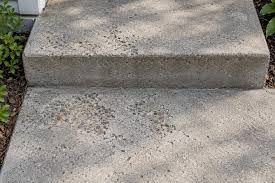
Rhode Island's freeze-thaw cycles, clay-heavy soil in some towns, and salt air near the coast all put real pressure on a patio's foundation and finish. Getting these details wrong doesn't always show up straight away. Problems like cracking, uneven pavers, or pooling water often appear after the first hard winter, once the damage is already done.
This guide walks through the mistakes we see most often across Rhode Island properties, from Providence to Westerly, and explains what a properly built patio should look like instead. If you're planning a project or trying to understand why a previous patio failed, this should give you a clearer picture of what matters.
Why Rhode Island's Climate Makes Patio Mistakes More Costly
Rhode Island sits in a tricky spot. It gets the humidity and storm exposure of a coastal state, plus the freeze-thaw winters typical of inland New England. That combination means a patio built without local knowledge is more likely to fail, and fail sooner, than the same design installed somewhere with milder or more consistent weather.
Inland towns such as Coventry, Foster, and Glocester see repeated freezing and thawing through winter, which pushes on anything installed too close to the surface. Coastal communities like Newport, Narragansett, and Westerly deal with salt air that wears down materials not built to handle it. Even towns a few miles inland can be affected during coastal storms, so it isn't only beachfront properties that need to think about this.
Understanding these conditions before construction starts is the clearest way to avoid paying for the same job twice.
Mistake 1: Skipping the Frost Line Requirement
Rhode Island requires footings to reach a minimum frost depth of 40 inches, except in New Shoreham, where the requirement is 30 inches. This rule exists because ground movement during freeze-thaw cycles will heave anything not anchored below that line.
When this requirement is ignored, usually by inexperienced installers or DIY attempts, the result is cracked concrete, shifted pavers, and structural elements like retaining walls or seat walls that lose their stability over a few winters. This is a particular issue in inland towns like West Greenwich and Richmond, where temperatures sit below freezing for extended stretches each winter.
The frost line applies to attached structures too, including pergolas and built-in seating, not just the patio surface itself.
Mistake 2: Poor Drainage Planning
Rhode Island receives around 47 inches of rain a year, plus snowmelt during the colder months. A patio built without proper slope or drainage will hold water, and that water eventually causes more damage than most homeowners expect.
Some common drainage errors include:
- Installing a patio without the standard minimum slope of 1/8 inch per foot away from the house
- Leaving out subsurface drainage in areas with heavy clay soil
- Ignoring the need for permeable materials in low-lying or flood-prone yards
Towns with clay-heavy soil, including parts of Cranston, Warwick, and Providence, are particularly prone to water retention. Left unaddressed, this leads to pooling, ice build-up in winter, and in some cases water tracking toward the home's foundation.
Mistake 3: Choosing Materials That Can't Handle the Coast
With roughly 400 miles of coastline, salt air is a factor across much of Rhode Island, not just on waterfront blocks. Homeowners often pick materials based on appearance without checking how they'll hold up to salt exposure over time.
Standard concrete deteriorates faster near the coast unless it's properly treated with air-entraining agents and sealed correctly. Untreated metal fixtures and railings can start rusting within months. Even timber that performs fine inland may need frequent treatment to survive near the water.
This isn't limited to oceanfront properties either. Towns like East Greenwich, North Kingstown, and Exeter can experience salt spray during coastal storms, even though they're set back from the water.
Mistake 4: Skipping Permits and Inspections
Many Rhode Island municipalities require permits for patios over a certain size, for any patio with an attached structure like a pergola, and for projects involving electrical or plumbing work. Skipping this step is one of the more frustrating mistakes homeowners make, because fixing it after the fact is rarely straightforward.
If a patio is built without the required permit, some towns require partial demolition before the project can be brought up to code. Inspections exist to catch structural or drainage problems early, so skipping them removes an important safety check, not just a paperwork step.
Mistake 5: Rushing Site Preparation
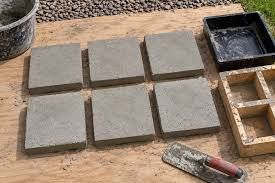
Site preparation is where a lot of patios go wrong before a single paver is laid. Inadequate excavation, poor compaction, or an undersized base layer all lead to settling and cracking down the track.
Soil conditions vary across the state. Sandy coastal soil needs a different approach to compaction than the clay found further inland, and some areas, particularly in the western part of the state, have rock ledge that requires specific excavation equipment and techniques.
This kind of site preparation is one of the areas where experience really matters, and it's a topic covered in more detail in our breakdown of mistakes Rhode Islanders make when building a patio.
Mistake 6: Choosing Materials Based on Price Alone
New England winters are hard on cheap materials. Concrete without proper air entrainment cracks under repeated freezing. Lower-grade pavers often don't hold up to frost heave. Budget sealers and joint fillers break down faster in coastal air.
Materials designed for this climate cost more upfront but tend to need far less repair work over the years. If you're unsure what's suitable for your property, a local supplier familiar with Rhode Island's conditions is usually a better source of advice than general online guides.
Mistake 7: Installing at the Wrong Time of Year
Concrete needs a specific temperature range to cure properly, which rules out both the height of summer and the depths of winter. Mortar-based work needs dry conditions, which makes Rhode Island's wet spring months tricky. Even paver installations, which rely on mechanical fit rather than curing, perform better when the ground isn't saturated or frozen.
Autumn tends to offer the most reliable conditions for patio construction in Rhode Island, with the added benefit of having the patio ready before the following spring and summer.
Mistake 8: Taking on More Than a DIY Project Can Handle
Some patio work is reasonable for a confident DIYer. Complex drainage systems, structural elements, and anything involving utilities usually aren't. Electrical work for patio lighting, for example, legally requires a licensed electrician in Rhode Island.
Knowing where your own limits sit can save you from paying twice, once for the attempt and again for a contractor to fix it.
Mistake 9: Not Planning for Maintenance
A patio that's installed well still needs upkeep. Coastal patios need regular cleaning to remove salt residue and periodic sealing to stop deterioration. Inland patios need attention to freeze-thaw wear and a sensible approach to snow removal that doesn't damage the surface.
Maintenance is easier to plan for if it's considered during the design stage rather than added as an afterthought once problems appear.
Choosing the Right Patio Builder
A lot of these mistakes come back to one decision: who you hire. A contractor with genuine Rhode Island experience should understand frost line requirements, local soil behaviour, and the permit process in your specific town, rather than applying a generic approach.
If you're in the research stage, our guide on finding the best patio builder in Rhode Island covers the licensing checks, quote comparisons, and questions worth asking before you sign anything. For homeowners in the Cranston area specifically, our page on paver patio builders and hardscaping in Cranston, RI outlines the kind of local work we've done and what that process typically looks like.
Getting It Right the First Time
Avoiding these patio installation mistakes comes down to a handful of consistent factors: proper frost line depth, well-planned drainage, materials suited to Rhode Island's climate, the right permits, and a builder who understands local conditions rather than guessing at them. None of this is complicated, but it does take attention at each stage, from the first excavation to the final seal.
Homeowners who get these details right at the start tend to spend far less on repairs later, and end up with a patio that holds up through Rhode Island's full range of seasons rather than needing attention after the first hard winter.
Patio Installation Risk Checker
Are you planning a new patio or concerned about installation mistakes? Answer these questions to identify potential problems with drainage, materials, site preparation, permits, and other important construction details.
Your Patio Installation Assessment
Planning risk score: 0 / 25
Areas to Review
This calculator provides a general planning assessment based on your answers. It is not a professional site inspection, engineering assessment, or confirmation of municipal code compliance. Check local requirements and consult qualified Rhode Island professionals before beginning construction.
Frequently Asked Questions
What is the minimum frost depth required for patio footings in Rhode Island?
Rhode Island requires footings to reach a minimum depth of 40 inches below grade, with the exception of New Shoreham, where 30 inches applies. This depth helps prevent ground movement from freeze-thaw cycles from damaging structural elements.
Do I need a permit to build a patio in Rhode Island?
Many municipalities require a permit for patios over a certain size, for projects with attached structures like pergolas, and for any work involving electrical or plumbing. Requirements vary by town, so it's worth checking with your local building department before work begins.
Why does salt air matter for patios that aren't right on the coast?
Coastal storms can carry salt spray several miles inland, which means towns like East Greenwich and North Kingstown can still be affected. Materials not rated for salt exposure may deteriorate faster than expected, even away from the waterfront.
What time of year is best for patio installation in Rhode Island?
Autumn tends to offer the most reliable conditions, since it avoids the extreme temperatures of summer and winter and the wet conditions common in spring. This timing also allows the patio to be ready for use the following season.
Can I install a patio myself, or should I hire a contractor?
Simpler paver projects may suit a confident DIYer, but anything involving structural elements, drainage systems, or electrical work typically needs professional expertise, and in some cases is a legal requirement, as with electrical installations.