
Rhode Island Roll-Off Dumpsters - Demolition Projects
Demolition projects generate massive amounts of heavy debris quickly. Whether you're tearing down a garage in Warwick, removing interior walls in Providence, demolishing a shed in Cranston, or gutting a kitchen in Newport, professional roll-off dumpster service is essential for efficient debris removal. This guide covers everything Rhode Island property owners and contractors need to know about dumpsters for demolition projects.
What Size Roll-Off Dumpster for Demolition Projects?
15-Yard Roll-Off Dumpster (12' L × 7.6' W × 4.6' H) - $475.00
- Best for: Interior wall removal, single room demolition, garage interior demo, shed demolition
- Capacity: 4-5 pickup truck loads
- Weight limit: 2 tons included
- Rental period: Up to 7 days
- Additional days: $8/day
- Extra weight: $140/ton over limit
- Typical projects: Kitchen gut, bathroom demo, interior wall removal, small structure demolition
20-Yard Roll-Off Dumpster (14' L × 8' W × 6.5' H) - $540.00
- Best for: Major demolition, multiple room demo, garage/shed demolition, whole-house gut jobs
- Capacity: 6-8 pickup truck loads
- Weight limit: 2 tons included
- Rental period: Up to 7 days
- Additional days: $8/day
- Extra weight: $140/ton over limit
- Extra height (6.5'): Better for bulky demolition debris, long lumber, sheet materials
- Typical projects: Complete interior gut, garage demolition, large structure removal, multi-room demo
Critical Demolition Considerations:
- Demolition debris is HEAVY (drywall, plaster, concrete, masonry, tile)
- Many projects exceed 2-ton weight limit (budget for overage)
- Volume matters less than weight for demo projects
- Heavy materials like concrete: May need dedicated heavy debris dumpster
- Mixed demolition loads common (wood, drywall, fixtures together)
Common Rhode Island Demolition Projects
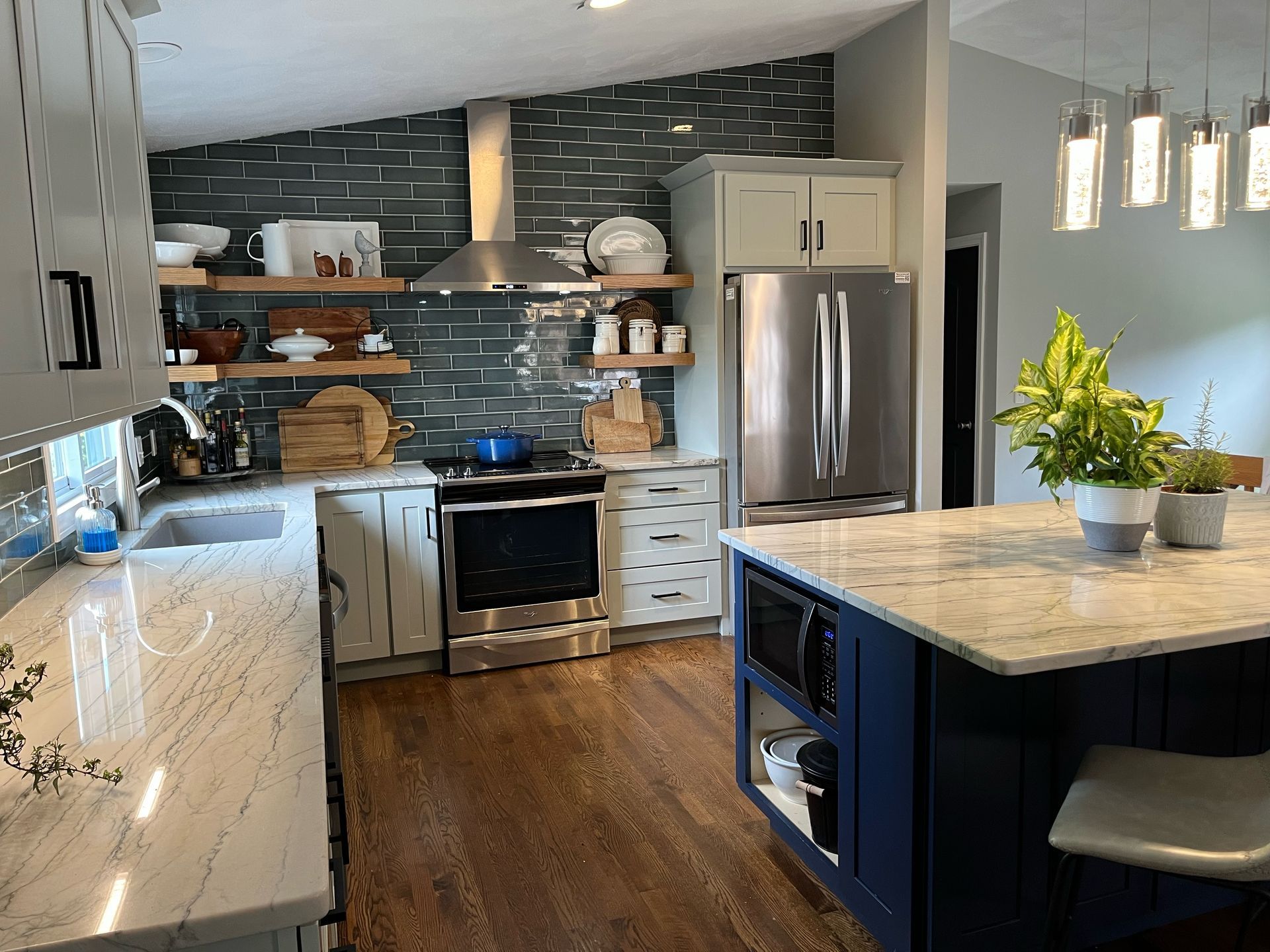
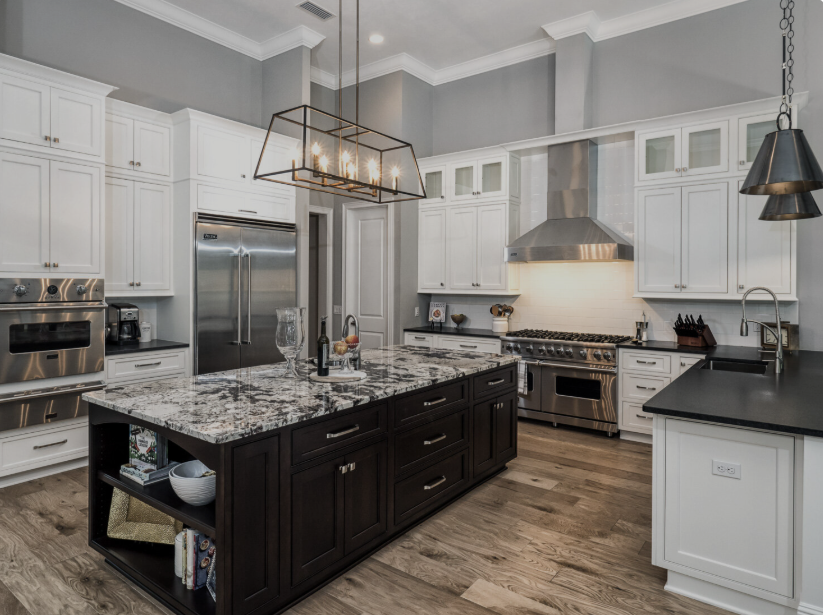
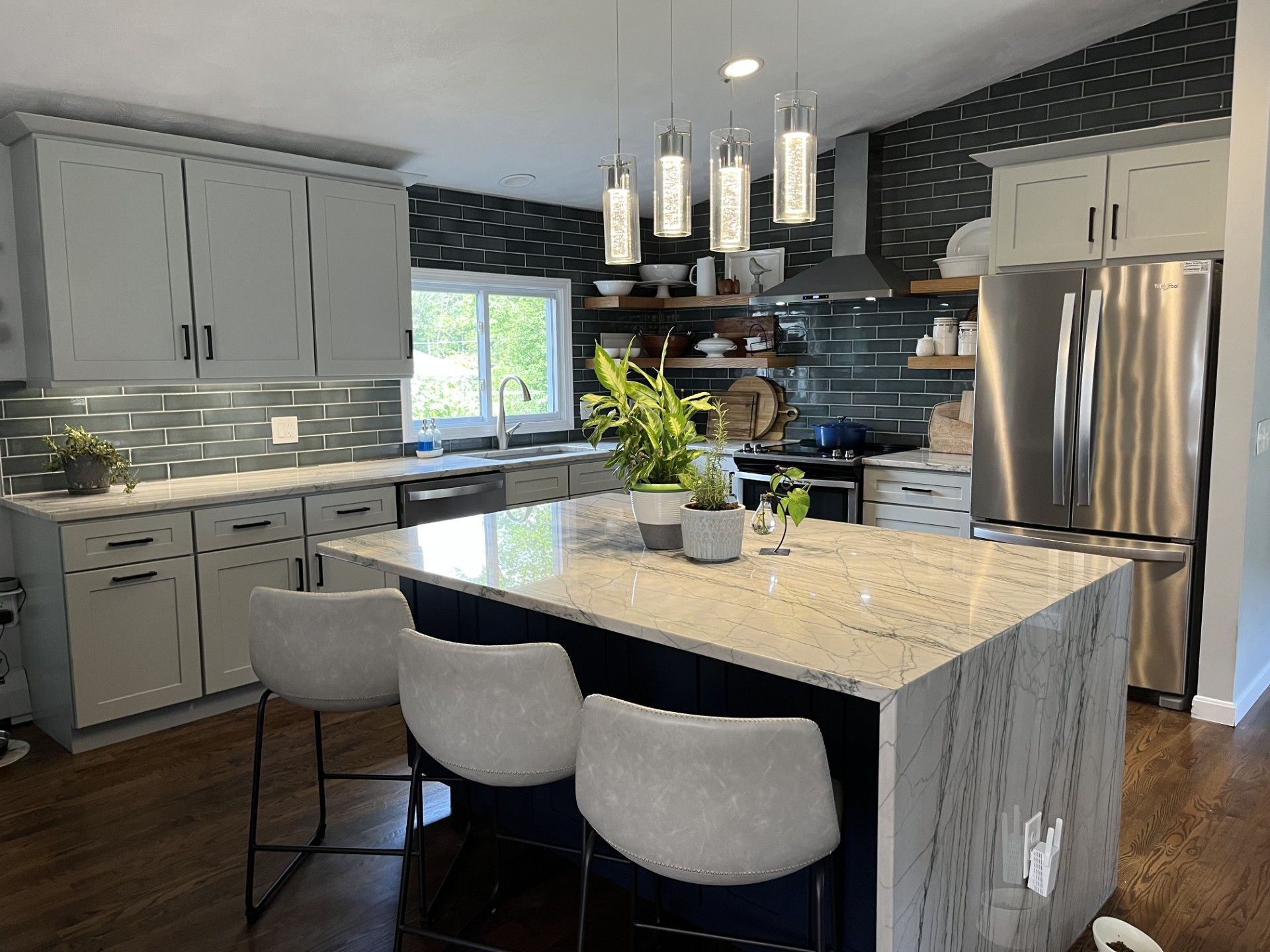
Kitchen Demolition
Typical Scope:
- Cabinet removal (upper and lower)
- Countertop demolition (laminate, granite, tile)
- Flooring removal (tile, vinyl, hardwood)
- Drywall removal (backsplash area, damaged sections)
- Appliance disposal (old stove, dishwasher, refrigerator)
- Plumbing fixture removal (sink, faucet)
Debris Generated:
- Wood cabinets: 300-600 lbs
- Countertops: 200-500 lbs (granite much heavier)
- Tile flooring: 500-1,500 lbs (very heavy with mortar)
- Drywall: 200-400 lbs
- Appliances: 300-500 lbs
- Total typical: 1,500-3,500 lbs (0.75-1.75 tons)
Recommended: 15-Yard ($475)
- Adequate for standard kitchen demo
- Usually stays within 2-ton limit (unless extensive tile)
- Quick project (2-4 days typical)
Bathroom Demolition
Typical Scope:
- Vanity and cabinet removal
- Bathtub or shower demolition
- Toilet and sink removal
- Tile removal (floors and walls)
- Drywall removal (water-damaged or full remodel)
- Flooring demolition
Debris Generated:
- Fixtures (tub, toilet, sink): 200-400 lbs
- Tile (walls and floor): 800-2,000 lbs (HEAVY!)
- Drywall: 200-500 lbs
- Vanity: 100-200 lbs
- Total typical: 1,300-3,100 lbs (0.65-1.55 tons)
Recommended: 15-Yard ($475)
- Perfect for 1-2 bathroom demolition
- Watch weight with extensive tile work
- Tile with mortar is heaviest bathroom material
Multiple Bathrooms: 20-Yard ($540) for 3+ bathrooms
Interior Wall Removal
Typical Scope:
- Removing non-load-bearing walls
- Creating open floor plans
- Drywall or plaster removal
- Framing lumber disposal
- Insulation removal
Debris Generated:
- Drywall (per 100 sq ft): 400-600 lbs
- Plaster (per 100 sq ft): 800-1,200 lbs (much heavier!)
- Framing lumber (per wall): 100-300 lbs
- Insulation: 50-150 lbs per wall cavity
Rhode Island Consideration:
- Older homes often have plaster walls (very heavy!)
- Providence triple-deckers: Plaster common
- Historic homes: Plaster and lath construction
- Plaster doubles the weight of drywall
Recommended:
- Single wall: 15-Yard adequate
- Multiple walls: 20-Yard recommended
- Plaster walls: Plan for weight overage
Garage Demolition
Typical Scope:
- Complete garage structure removal
- Walls, roof, and framing
- Concrete floor (if removing)
- Doors and hardware
- Interior contents clearing first
Debris Generated:
- Wood framing and siding: 2,000-4,000 lbs (1-2 tons)
- Roofing materials: 1,000-2,000 lbs
- Doors and hardware: 200-500 lbs
- Interior contents: Variable
- Concrete floor: EXTREMELY HEAVY (separate consideration)
Recommended: 20-Yard ($540)
- Essential for garage demolition
- May exceed weight limit (depends on size)
- Concrete floor: Usually requires separate disposal/crushing
Permit Required: Most RI municipalities require permit for structure demolition
Shed and Outbuilding Demolition
Typical Scope:
- Complete shed removal
- Wood or metal construction
- Foundation removal (if applicable)
- Contents disposal
- Clearing site
Debris Generated:
- Small shed (8x10): 800-1,500 lbs
- Medium shed (10x12): 1,500-2,500 lbs
- Large shed (12x16): 2,500-4,000 lbs
- Metal sheds: Lighter than wood
- Contents: Variable additional weight
Recommended:
- Small shed: 15-Yard adequate
- Large shed or multiple structures: 20-Yard
Advantage: Sheds typically lighter than houses (no plaster, less substantial)
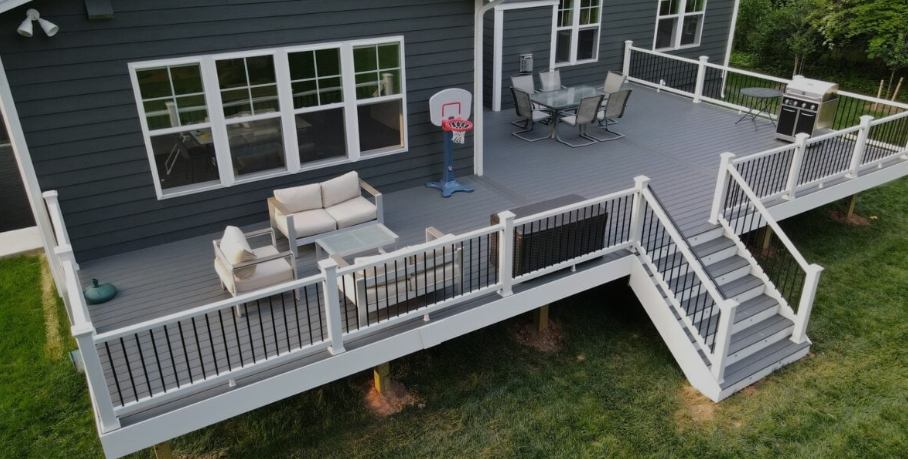
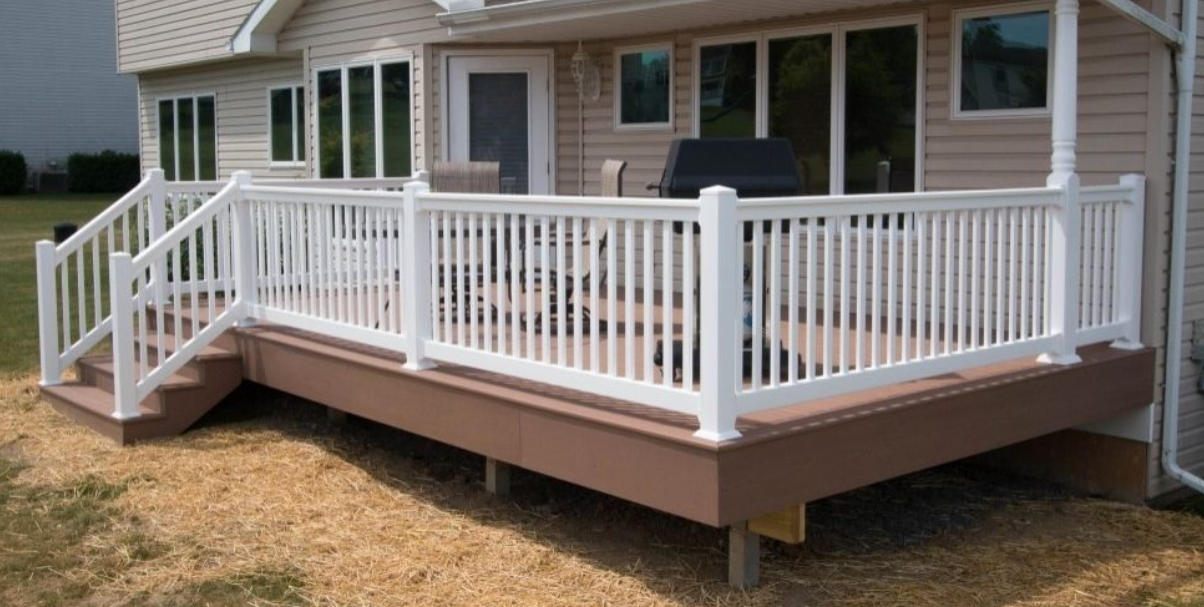
Deck Demolition
Typical Scope:
- Complete deck removal
- Decking boards
- Railings and posts
- Stairs and landings
- Concrete footings (if removing)
Debris Generated:
- Pressure-treated lumber: Moderate to heavy
- Composite decking: Moderate weight
- Concrete footings: Very heavy
- Hardware and fasteners
- Typical deck: 2,000-4,000 lbs (1-2 tons)
Recommended: 20-Yard ($540)
- Standard for deck demolition
- Extra height (6.5') good for dimensional lumber
- Usually stays within weight limit
Whole-House Interior Gut
Typical Scope:
- Complete interior demolition to studs
- All drywall/plaster removal
- Flooring removal
- Cabinet and fixture removal
- Door and trim removal
- Creating blank slate for renovation
Debris Generated:
- Massive volume and weight
- 1,500 sq ft house gut: 8,000-15,000 lbs (4-7.5 tons)
- Depends heavily on plaster vs. drywall
- Old Rhode Island homes = plaster = very heavy
Recommended: 20-Yard ($540), likely MULTIPLE dumpsters
- One dumpster rarely sufficient
- Plan for 2-3 dumpsters for complete house gut
- Sequential delivery as each fills
- Budget accordingly
Contractor Typical: Rent one at a time, fill, swap for empty
Understanding Demolition Debris Weight
Weight by Material Type:
Light Demolition Materials:
- Wood framing lumber: 2-3 lbs per board foot
- Drywall: 1.6-2 lbs per sq ft
- Insulation: 0.5-1 lb per sq ft
- Doors and trim: 30-80 lbs per door
Moderate Weight Materials:
- Cabinets: 50-150 lbs per unit
- Hardwood flooring: 2-3 lbs per sq ft
- Vinyl siding: 1-2 lbs per sq ft
- Roofing (removal): 10-15 lbs per sq ft
Heavy Demolition Materials:
- Plaster walls: 8-10 lbs per sq ft (much heavier than drywall!)
- Tile with mortar: 10-15 lbs per sq ft
- Concrete: 150 lbs per cubic foot
- Brick and masonry: 120-140 lbs per cubic foot
- Cast iron fixtures: 200-400 lbs each
Managing Weight:
- Mix light and heavy materials in dumpster
- Don't concentrate all heavy materials (concrete, tile) in one load
- Distribute weight evenly
- Rhode Island old homes = plaster = expect overages
- Budget $140/ton overage for heavy demo projects
Demolition Permits in Rhode Island
When Permits Required:
Structure Demolition:
- Garage, shed, or building removal: PERMIT REQUIRED
- Contact local building department
- Plans and approval needed
- Safety inspections required
- Asbestos survey often required (pre-1980 structures)
Interior Demolition:
- Interior walls (non-load-bearing): May require permit
- Load-bearing walls: DEFINITELY requires permit + engineer
- Plumbing/electrical changes: Separate permits
- Check with local building department
Rhode Island Building Departments:
Providence: (401) 680-5234 - Building & Development Services
Warwick: (401) 738-2000 ext. 6301 - Building Official
Cranston: (401) 461-1000 ext. 3276 - Building Department
Pawtucket: (401) 728-0500 - Building Inspector
Newport: (401) 845-5386 - Building and Zoning
East Providence: (401) 435-7500 - Building Official
Asbestos Considerations:
- Pre-1980 structures likely contain asbestos
- Survey required before demolition
- Certified abatement if asbestos present
- Rhode Island Department of Health regulates
- Cannot put asbestos in regular dumpster
Dumpster Permits:
- Separate from demolition permit
- If placing dumpster on street: Usually required
- Driveway placement: No permit needed (most common)
Demolition Dumpster Loading Strategy
Safe and Efficient Loading:
Loading Order:
- Largest, heaviest items first (cabinets, fixtures)
- Long lumber and framing materials
- Sheet materials (drywall, plywood)
- Smaller debris and rubble
- Final sweep materials
Maximize Space:
- Break drywall into manageable pieces
- Cut lumber to fit efficiently
- Stack sheet materials flat
- Fill voids with smaller debris
- Don't leave large air gaps
Weight Distribution:
- Heavy materials spread throughout (don't pile at one end)
- Even distribution prevents transport issues
- Mix heavy (tile, plaster) with light (wood, drywall)
- Don't overload one section
Safety Considerations:
- Wear protective gear (gloves, boots, safety glasses, dust mask)
- Watch for nails, sharp edges, exposed screws
- Don't throw from heights (damages dumpster, dangerous)
- Keep area around dumpster clear
- Don't overfill past top edge
Demolition Dust Control:
- Wet down materials before demo (reduces dust)
- Seal off work areas (plastic sheeting)
- Use HEPA filters/vacuums
- Wear appropriate respiratory protection
- Rhode Island lead paint concerns in old homes
Rhode Island Demolition Projects by Region
Providence Historic Home Demolition
Common Projects:
- Triple-decker interior renovations
- Opening up floor plans (wall removal)
- Kitchen and bathroom gut jobs
- Plaster wall removal (very common)
Challenges:
- Plaster walls (heavy!)
- Lead paint (older homes)
- Asbestos concerns (pre-1980)
- Historic district restrictions (some areas)
- Dense neighborhoods (access, noise)
Dumpster Placement:
- Street permits often needed
- Narrow driveways
- Coordinate with neighbors
- 15-yard fits tight spaces better
Warwick Suburban Renovations
Common Projects:
- Ranch home renovations
- Garage demolitions (replacing)
- Kitchen and bathroom remodels
- Deck replacements
Advantages:
- Good driveway access
- Ample space for dumpsters
- Modern construction (drywall, lighter)
- Less restrictive regulations
Dumpster Placement:
- Driveways accommodate both sizes easily
- Rarely need street permits
- Room for delivery trucks
- Professional appearance for suburban neighborhoods
Cranston Colonial Updates
Common Projects:
- Colonial home renovations
- Interior wall removal (open concepts)
- Kitchen expansions
- Bathroom additions
Characteristics:
- Mix of plaster and drywall
- Established neighborhoods
- Quality construction
- Substantial projects
Dumpster Needs:
- 20-yard popular for scope of projects
- Multi-room renovations common
- Weight management important (plaster)
Coastal Rhode Island (Newport, Narragansett)
Common Projects:
- Historic home renovations
- Seasonal property updates
- Water damage demolition
- Modernization projects
Special Considerations:
- Historic preservation requirements
- Quality materials (heavier)
- Tourist season timing
- Premium project expectations
Dumpster Placement:
- Coordinate with tourist season
- Historic district approvals
- Professional appearance critical
- Both sizes used regularly
Demolition Dumpster FAQs
Q: What size dumpster for kitchen demolition? A: 15-yard ($475) handles most kitchen demos. Includes cabinets, countertops, flooring, appliances, and drywall. Unless extensive tile or granite, stays within the 2-ton limit.
Q: Can I put everything from demolition in one dumpster? A: Yes! Mixed demolition debris accepted - wood, drywall, fixtures, flooring, cabinets, appliances all together. Exclude hazardous materials and asbestos.
Q: Will I exceed the 2-ton weight limit? A: Possibly with heavy materials. Plaster walls, extensive tile, concrete—all very heavy. Budget for potential overage at $140/ton. Still cost-effective.
Q: How much does drywall weigh? A: Approximately 1.6-2 lbs per square foot. 500 sq ft of drywall = 800-1,000 lbs. Manageable. Plaster is 8-10 lbs per sq ft - much heavier!
Q: Can I put concrete in the dumpster? A: Small amounts yes (broken steps, chunks). Large concrete removal (foundation, slab) usually requires dedicated concrete dumpster or crushing service.
Q: Do I need a permit for the dumpster? A: Only if placed on the street. Driveway placement (most common) doesn't require a dumpster permit. Demolition work itself usually requires a building permit.
Q: What about asbestos in old Rhode Island homes? A: Pre-1980 structures likely contain asbestos. Required survey before demolition. Certified abatement necessary. Cannot put in regular dumpster. Contact the RI Dept of Health.
Q: How long does demolition take? A: Kitchen demo: 2-4 days. Bathroom demo: 1-3 days. Interior walls: 1-5 days. Garage demolition: 3-7 days. 7-day dumpster rental accommodates most projects.
Q: Can I do demolition myself or hire a contractor? A: DIY possible interior non-structural demo. Hire professionals for structural changes, asbestos, complex projects. Permits still required.
Q: What if the project takes longer than 7 days? A: Extensions only $8/day. Very affordable for extended demolition projects. Common for larger renovations.
Q: Can contractors rent these for multiple projects? A: Absolutely! We work with contractors regularly. Volume pricing available. Coordinate multiple job sites. Call for contractor rates.
Q: What happens to demolition debris? A: Taken to licensed disposal facilities. Some materials are recycled (metal, wood, concrete sometimes). Proper disposal ensured.
Demolition vs. Renovation: Planning Your Dumpster
Demolition Phase (Week 1):
- Rent dumpster for tear-out phase
- Usually fills quickly (2-5 days)
- Heavy debris generation
- Schedule pickup when full
Construction Phase (Weeks 2-6):
- Less debris (cutoffs, packaging)
- May need second dumpster
- Lighter materials
- Longer timeframe
Strategy:
- Separate dumpsters for demo and construction phases
- More cost-effective than one long rental
- Keep job site clean throughout project
- Plan sequentially
Professional Demolition Contractors vs. DIY
Hiring Professionals:
Pros:
- Fast (1-3 days vs. 1-2 weeks DIY)
- Proper tools and equipment
- Experience with Rhode Island codes
- Handle permits and inspections
- Proper disposal (know what goes where)
- Insurance coverage
Cons:
- Higher cost ($2,000-$10,000+ depending on scope)
- Less control over process
- Must coordinate schedule
DIY Demolition:
Pros:
- Save labor costs (significant)
- Work at your own pace
- Control over process
- Salvage valuable materials yourself
- Satisfaction of doing it yourself
Cons:
- Physically demanding (very hard work)
- Time-intensive (weekends/evenings for weeks)
- Need tools (reciprocating saw, sledgehammer, pry bars)
- Disposal responsibility (that's where dumpster helps!)
- Risk of mistakes (structural, plumbing, electrical)
Hybrid Approach:
- Hire pros for complex/structural work
- DIY the straightforward demolition
- Rent your own dumpster (save on contractor disposal markup)
- Best of both worlds
Why Choose Rockhouse Disposal for Demolition:
✓ Perfect sizes - 15-yard and 20-yard ideal for residential demo
✓ Weight-conscious pricing - Fair overage rates ($140/ton) for heavy demo debris
✓ Flexible rental - 7 days included, affordable extensions
✓ Rhode Island expertise - Understand old RI homes (plaster, lead, asbestos concerns)
✓ Contractor-friendly - Volume pricing available
✓ DIY-supportive - Help homeowners tackle their own projects
✓ Professional service - Reliable delivery and pickup
✓ Local knowledge - Familiar with RI building codes and requirements
Ready to Start Your Demolition Project? From first swing of the sledgehammer to final debris removal, Rockhouse Disposal supports your demolition project with reliable roll-off dumpster service throughout Rhode Island.
Contact us today for your demolition dumpster rental. Whether you need a 15-yard for $475 or 20-yard for $540, we'll deliver it when your demo starts and pick it up when you're done.