

Walk-In Showers vs. Tubs for Your Rhode Island Home
Walk-in showers suit Rhode Island homes with space constraints, older residents, or buyers looking for a modern, low-maintenance bathroom, while bathtubs remain the safer choice for families with young children and for homes that rely on broad resale appeal. Most Rhode Island homeowners get the best result by keeping at least one bathtub in the house while updating other bathrooms with a walk-in shower.
Choosing between a walk-in shower and a bathtub is one of the more practical decisions you'll face during a Rhode Island bathroom renovation. It affects your daily routine, your water and energy use, and how your home is perceived by future buyers. Because Rhode Island has a mix of historic housing stock, coastal humidity, and an ageing population, the decision carries a few considerations that don't apply everywhere.
This guide walks through the advantages and drawbacks of each option, how Rhode Island's climate and housing styles affect the decision, and what local data suggests about resale value. If you want a closer look at how buyer expectations differ by town, our guide on what Rhode Island home buyers really want breaks down preferences in Providence, Warwick, Cranston, and Newport in more detail.
Walk-In Showers in Rhode Island Homes
What are the benefits of a walk-in shower in a Rhode Island bathroom?
Walk-in showers work well in several common Rhode Island scenarios, particularly in older homes with compact floor plans.
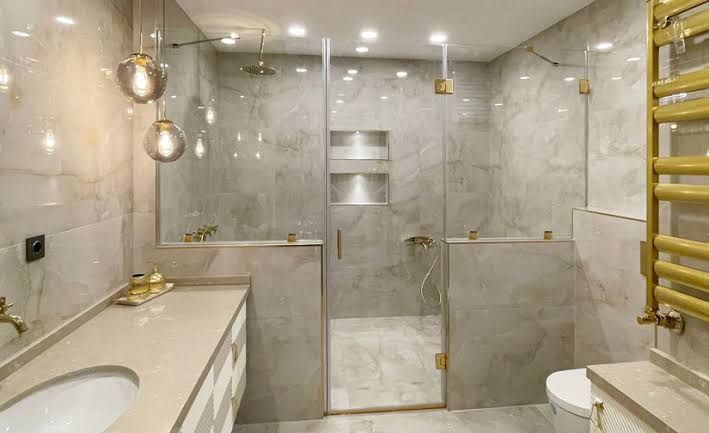
- Space efficiency. Many homes in Providence, Newport, and other historic areas have bathrooms built decades before modern fixture sizes became standard. A walk-in shower uses less visual and physical space than a tub, which helps a small bathroom feel more functional.
- Accessibility. Rhode Island has one of the older population profiles in the country. A curbless walk-in shower removes the step-over height required by a tub, which matters for ageing in place or for residents managing mobility issues.
- Lower maintenance in humid conditions. Rhode Island's coastal climate brings higher humidity than inland states. A well-ventilated walk-in shower with glass enclosures is generally easier to keep free of mould and mildew than a tub surround.
- Modern appeal in certain markets. Updated showers tend to appeal to buyers in condos, downtown properties, and homes targeted at empty nesters or professionals.
What are the drawbacks of a walk-in shower?
A walk-in shower isn't the right fit for every household.
- Soaking in a warm bath isn't an option, which some homeowners miss during Rhode Island's colder months.
- Bathing young children is more difficult without a tub, which matters in family-oriented communities such as Cranston, Warwick, and Cumberland.
- Removing the only bathtub in a home can reduce buyer interest if the property is likely to attract families.
Bathtubs in Rhode Island Homes
When does a bathtub make more sense than a shower?
Bathtubs still play an important role in many Rhode Island bathrooms, particularly in family homes and historic properties.
- Family use. Parents with young children generally need at least one tub in the house. This is one of the most consistent buyer expectations across Rhode Island's family-oriented suburbs.
- Broader resale appeal. Most buyers in Rhode Island expect at least one bathtub somewhere in the home. A property with no tub at all can rule itself out for a segment of buyers before they've even seen the rest of the house.
- Comfort during winter. A warm soak after a long Rhode Island winter is a straightforward, practical benefit that a shower doesn't replicate.
- Historic character. In Victorian and colonial-era homes throughout Providence and Newport, a restored clawfoot tub can be a feature that supports the home's character rather than something to remove.
What are the drawbacks of keeping a bathtub?
- Tubs take up more floor space, which is a real constraint in Rhode Island's smaller, older bathrooms.
- They use significantly more water per use than a shower, which matters for households watching utility costs.
- Stepping in and out of a tub becomes harder with age, which is a genuine safety concern given the state's older population.
How Does Rhode Island's Climate Affect the Decision?
Rhode Island's coastal location brings higher humidity than many inland states, and that has a direct effect on bathroom materials and ventilation needs. A walk-in shower with proper exhaust ventilation tends to manage moisture more effectively than an enclosed tub surround, since showers are typically designed with drainage and airflow in mind from the outset.
Salt air near the coast can also affect metal fixtures and finishes over time. Homeowners in Narragansett, Westerly, and other coastal towns should factor in corrosion-resistant hardware regardless of which option they choose.
Winter heating costs are worth a mention too. A bath uses more hot water per session than a shower, so households that bathe frequently during the colder months will notice a difference in their water heating bills over a full winter.
Walk-In Shower vs. Tub: Resale Value in Rhode Island
Resale value is one of the most common reasons homeowners hesitate before removing a bathtub. The right answer depends heavily on the property type and the likely buyer pool.
- Homes with only one full bathroom should generally keep a tub, since removing it can rule out family buyers early in their search.
- Family-oriented suburbs like Cranston, Warwick, and Cumberland see consistent demand for at least one tub-and-shower combination.
- Condos, lofts, and homes aimed at retirees or professionals often do better with an updated walk-in shower.
- Historic homes can sometimes benefit from keeping period-appropriate tubs intact, particularly in neighbourhoods where original character is valued.
A full bathroom renovation in Rhode Island typically runs between $15,000 and $35,000, depending on the scope of work and the fixtures chosen. Converting a tub to a shower tends to sit at the lower to mid end of that range, while a full renovation involving a luxury soaking tub or custom tile work sits at the higher end.
Making the Right Choice for Your Rhode Island Bathroom
There isn't a single correct answer that applies to every property. The better approach is to weigh your household's needs against how the choice will affect the home if you plan to sell.
Consider a walk-in shower if your household has limited mobility concerns, your bathroom is on the smaller side, or your home is likely to attract buyers without young children. Consider keeping or installing a bathtub if you have young kids, your home has only one full bathroom, or your neighbourhood consistently attracts family buyers.
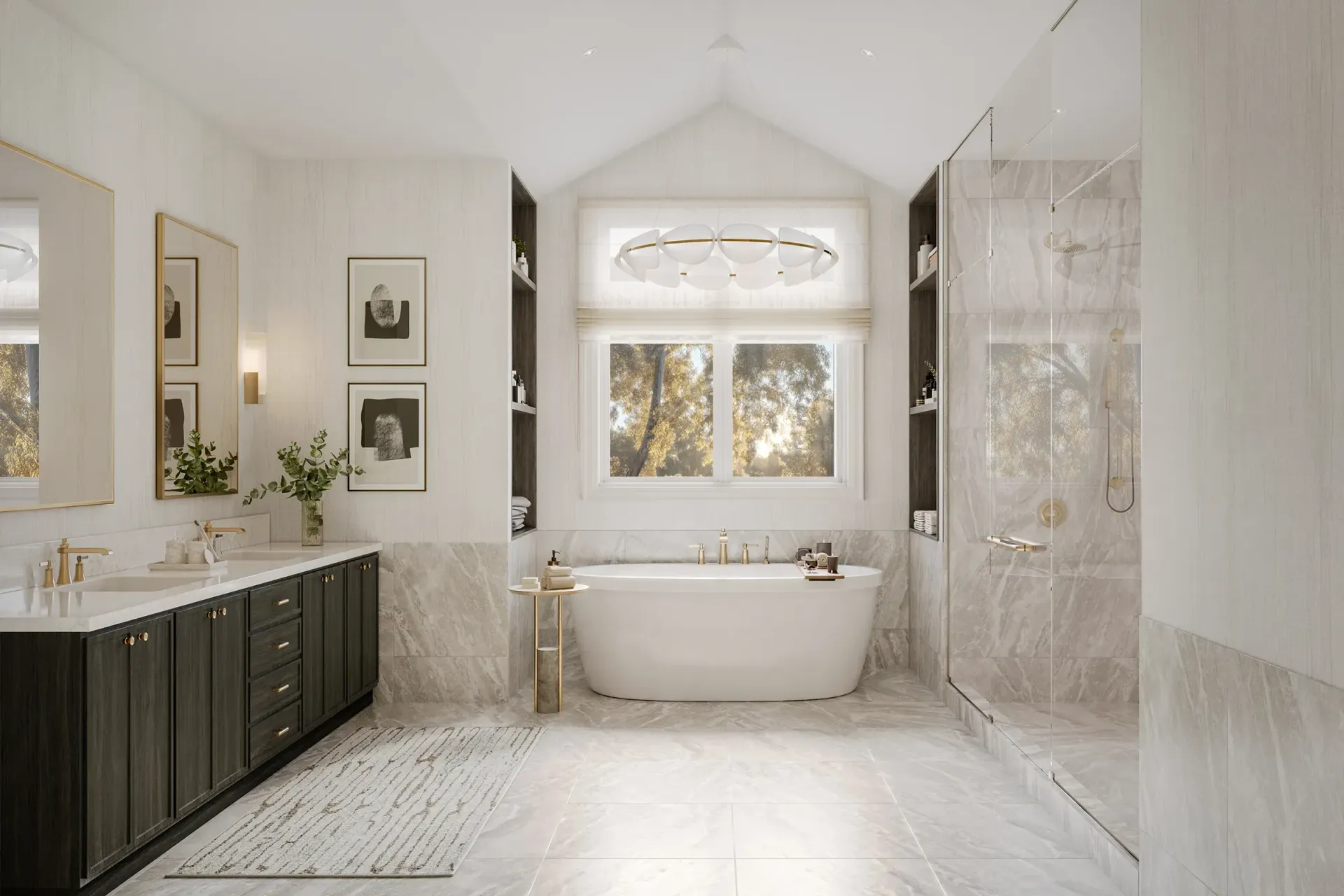
If your home has more than one bathroom, a common and practical approach is to update the primary bathroom with a walk-in shower while keeping a tub-and-shower combination in a secondary bathroom. This keeps the home functional for your household while supporting broader resale appeal down the track.
For homeowners working with a smaller footprint, our guide to small bathroom renovation ideas for Rhode Island homes covers layout options, storage solutions, and material choices suited to the state's older housing stock.
Rhode Island's building codes also apply to most bathroom renovations involving plumbing or ventilation changes, so it's worth working with a contractor familiar with local permit requirements, especially for historic properties in Providence or Newport.
Final Thoughts
Deciding between a walk-in shower vs tub for your Rhode Island home comes down to your household's daily needs, your property type, and how the choice fits into your long-term plans.
Both options have a place in Rhode Island's housing market, and the right call often depends on whether your home has one bathroom or several, and whether family buyers or empty nesters are the more likely audience down the track.
If you're ready to plan a bathroom renovation for your Rhode Island home, our team at
Rockhouse Construction can walk you through layout, material, and permit considerations specific to your property and town.
Rhode Island Bathroom DIY vs. Pro Calculator
Compare DIY, professional, and hybrid approaches for your Rhode Island bathroom remodel. See which option best fits your project scope, experience, available time, home type, and code-sensitive work.
DIY Planning Range
Estimated project cash requirement before major surprises.
Professional Planning Range
Estimated range based on the selected project level.
DIY Timeline
Estimated active project time based on your weekly availability.
DIY vs. Professional vs. Hybrid
| Approach | Estimated Range | Estimated Timeline | Best For |
|---|---|---|---|
| DIY | Cosmetic work and homeowners with strong DIY skills | ||
| Professional | Plumbing, electrical, structural, waterproofing, and permit-sensitive work | ||
| Hybrid | Homeowners wanting DIY involvement while keeping technical work professional |
DIY Suitability Score
Frequently Asked Questions
Is a walk-in shower or a bathtub a better investment for resale in Rhode Island?
It depends on the property. Walk-in showers tend to perform well in condos and homes aimed at retirees or professionals, while keeping at least one bathtub generally supports broader appeal in family-oriented neighbourhoods.
How much does it cost to convert a tub to a walk-in shower in Rhode Island?
Conversion costs vary with scope and finishes, but a full bathroom renovation in Rhode Island typically falls between $15,000 and $35,000.
Do I need a permit to convert a tub to a shower in Rhode Island?
Most bathroom renovations involving plumbing or electrical work require a permit in Rhode Island. Requirements can vary by municipality, particularly in historic districts such as parts of Newport.
Should I keep a bathtub if my home only has one full bathroom?
Yes, in most cases. Homes with a single full bathroom generally benefit from keeping a tub, since many family buyers rule out tub-free homes early in their search.
Is a walk-in shower safer for older homeowners?
Generally, yes. A curbless walk-in shower removes the step-over height required by a tub, which reduces fall risk and supports ageing in place.