

How to Winterise Your Rhode Island Garage the Right Way
Rhode Island winters are tough on garages. Coastal winds, salt air, and temperatures that regularly dip below freezing put pressure on doors, walls, pipes, and anything stored inside. Learning how to winterise your Rhode Island garage properly protects your vehicles, tools, and equipment, while also keeping heating costs under control if your garage is attached to your home.
This guide walks through the practical steps homeowners across Providence, Warwick, Cranston, and the rest of the Ocean State can take before the cold weather sets in, along with a few considerations specific to Rhode Island's climate and housing stock.
Why Winterising Your Rhode Island Garage Matters
Rhode Island's winter climate creates specific problems for garages that aren't properly prepared. Average January temperatures sit around 29°F, with regular drops below 20°F, and coastal communities deal with additional wind chill on top of that. Inland towns face heavier snowfall, which brings its own set of challenges.
Without proper preparation, garages across the state are prone to:
- Frozen pipes and resulting water damage
- Ice building up around garage doors and tracks
- Moisture problems that lead to mould growth
- Higher heating bills in homes with attached garages
- Damage to vehicles, tools, and equipment left in unheated spaces
Addressing these issues before winter arrives is far more manageable than dealing with a burst pipe or a jammed garage door in the middle of a snowstorm.
Step 1: Seal Air Leaks and Weather Gaps
Air leaks are one of the main reasons Rhode Island garages lose heat. A few areas are worth checking closely before the cold weather sets in.
Start with the bottom of the garage door. A worn or missing rubber seal along the bottom edge lets in snow, rain, and cold air, so replacing it is one of the simplest fixes available. Door frames and windows also deserve attention. Weatherstripping around service doors and windows, combined with caulk on any visible cracks, closes off common entry points for cold drafts.
Wall penetrations are easy to overlook. Anywhere an electrical conduit, water line, or vent passes through a wall is a potential gap, and these can usually be sealed with expanding foam or caulk. Finally, check the sides and top of the garage door opening. Weatherstripping along the vertical tracks helps keep the whole door sealed, not just the bottom edge.
Step 2: Insulate Your Garage Properly
Insulation matters more in Rhode Island than in milder climates, particularly for garages that are attached to the home or used as a workshop through winter.
Adding insulation panels or a garage door insulation kit can meaningfully reduce heat loss through the door, which is typically the largest uninsulated surface in a garage.
For walls, R-13 to R-15 fiberglass batts are a reasonable standard if the studs are exposed, while finished walls may need blown-in insulation instead. Ceiling insulation is particularly important in attached garages, where R-30 to R-38 helps stop warm air escaping into unconditioned attic space above.
Concrete floors lose heat too, so an epoxy coating or interlocking foam floor tiles can help create a thermal barrier underfoot. For homeowners wanting a deeper look at material options, R-values, and costs specific to Rhode Island's climate zone, our detailed guide on garage insulation in Rhode Island covers the full range of choices, from fiberglass batts through to spray foam.
Step 3: Protect Your Plumbing
Frozen pipes are one of the more expensive problems a Rhode Island winter can cause, and they're largely preventable with a bit of preparation.
Any exposed water pipes in the garage should be wrapped with foam pipe insulation, and heat tape is worth considering for pipes in garages that aren't heated at all. Garden hoses should be disconnected and drained before the first hard freeze, since a hose left connected can force water back into the pipe.
If there's a utility sink in the garage, letting the tap drip slightly during extreme cold snaps keeps water moving and reduces freezing risk. It's also worth knowing exactly where the garage's water shut off valve is located, in case a pipe does freeze or crack.
Step 4: Service Your Garage Door
Rhode Island's freeze thaw cycles are hard on garage door mechanisms, so a bit of maintenance before winter goes a long way.
Apply a silicone based lubricant to rollers, hinges, springs, and tracks. Avoid products like WD-40, which tend to attract dirt rather than repel it. Run a balance test by disconnecting the opener and manually lifting the door halfway.
A properly balanced door should stay in place; if it drifts up or falls down, the springs likely need adjusting by a professional. Check the weather seals for cracking or brittleness, since sun and salt air exposure break these down over time, and test the auto reverse safety feature along with the batteries in any remotes.
Step 5: Improve Ventilation and Moisture Control
Rhode Island's humidity, combined with winter heating, creates ideal conditions for condensation.
Make sure vents aren't blocked by snow or debris, and consider adding a passive vent or small exhaust fan to help clear moisture and vehicle exhaust fumes. Running a dehumidifier in a heated garage helps prevent condensation, mould, and rust from forming on tools and vehicles. Keeping floor drains clear also matters, particularly as snow melts off vehicles and pools on the garage floor.
Step 6: Choose the Right Heating System
For garages used as a workshop or hobby space through winter, a reliable heating option makes a real difference. Common choices for Rhode Island garages include:
- Electric infrared heaters for spot heating in a specific area
- Natural gas or propane heaters for warming the whole space
- Mini split heat pumps for year round temperature control
- Radiant floor heating for consistent, even warmth
Unvented propane heaters should never be used in an enclosed garage, and any heated garage should have a working carbon monoxide detector installed.
Step 7: Prepare for Snow and Ice
Snow accumulation and ice are simply part of a Rhode Island winter, so a bit of planning helps keep the garage accessible and safe.
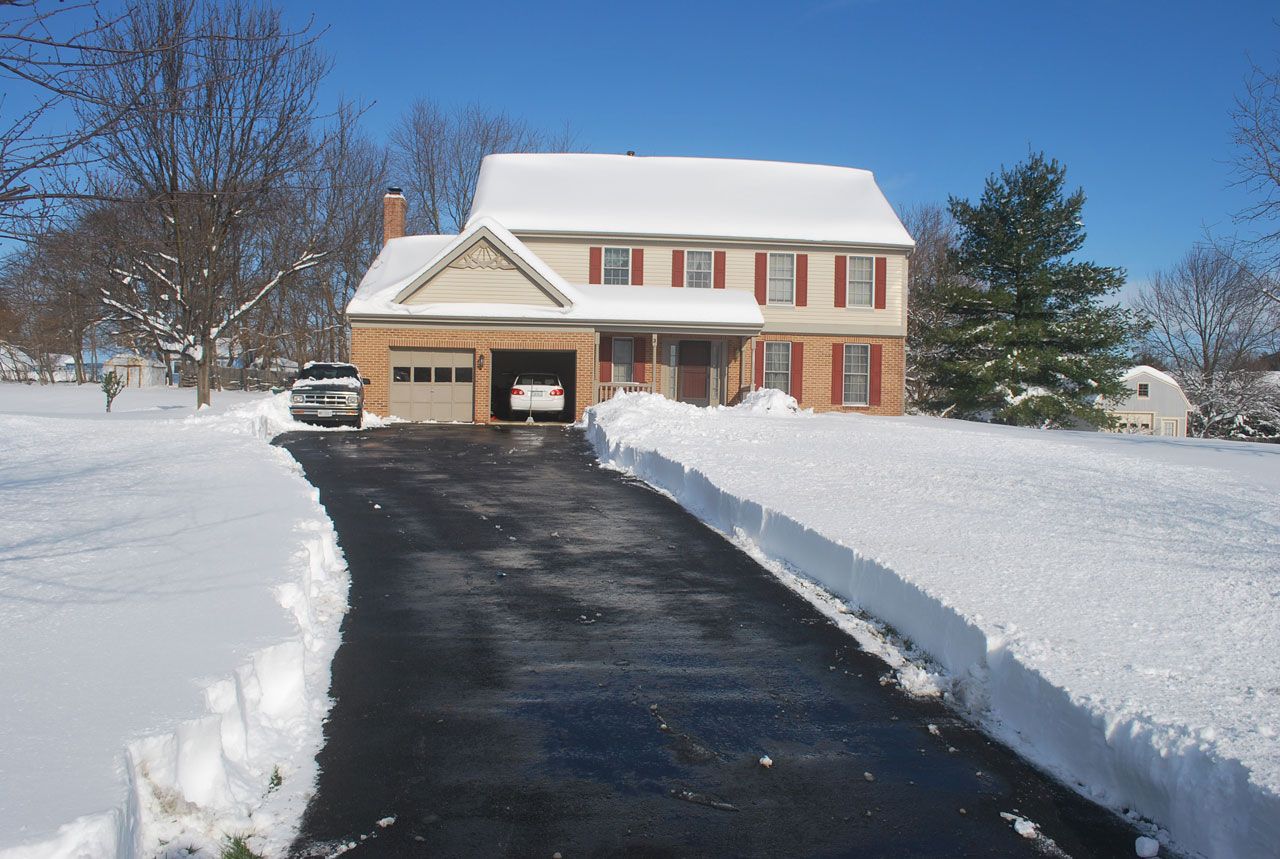
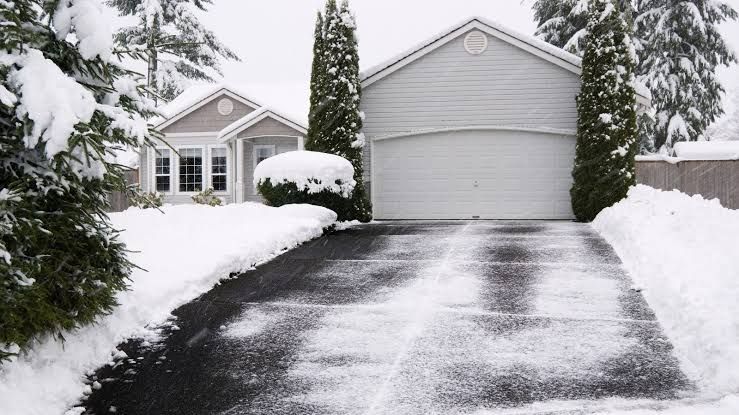
Keep a clear path to the garage door and add outdoor lighting if snow removal often happens after dark. Use an ice melt product that's safe for concrete rather than rock salt, which can damage both concrete and metal over time.
Clear gutters above the garage door before winter to prevent ice dams from forming and damaging the structure. It's also worth keeping a small emergency kit inside the garage with a shovel, ice scraper, sand or ice melt, and a flashlight.
Step 8: Organise and Protect Stored Items
Winter conditions can damage items stored in an unheated garage if they aren't set up correctly.
Vehicles being stored should have a battery tender connected, a full tank of fuel, and ideally a breathable cover. Power tools and metal equipment are better off on shelves rather than directly on a cold floor, and applying a rust inhibitor to susceptible items adds an extra layer of protection.
Latex paint should be moved indoors, as freezing temperatures ruin it, and any chemicals stored in the garage should be checked for temperature requirements on their labels.
Rhode Island Specific Considerations
Winterisation priorities shift slightly depending on where in Rhode Island your home is located.
In coastal areas such as Narragansett, Newport, and Bristol, salt air accelerates rust on tools and hardware, so marine grade lubricants and year-round dehumidifier use are worth the extra effort. In denser urban areas like Providence, Pawtucket, and Woonsocket, garages tend to be smaller, so wall mounted storage keeps floors clear for snow runoff and easier movement.
Homeowners in North Providence dealing with compact, city-adjacent lots often find that a properly sealed and insulated garage makes a noticeable difference to comfort in an attached structure, and our team of North Providence garage contractors regularly works on exactly this kind of project. In more rural towns such as Foster, Glocester, and Exeter, longer power outage risk during storms makes it worth knowing how to manually release the garage door opener and keeping backup lighting on hand.
Cost and Value of Garage Winterisation
Most Rhode Island homeowners spend somewhere between $300 and $800 on a complete garage winterisation, depending on the scope of work. This is generally recovered within two to three years through a combination of lower heating costs for attached garages, avoided pipe repairs (which can run from $500 to $3,000 if a pipe bursts), and a longer lifespan for stored vehicles and equipment.
When to Call a Professional
Several winterisation tasks are suited to an experienced DIYer, but some jobs are better left to a professional. Garage door spring replacement is dangerous given the tension involved, and electrical work for a new heating system should always be handled by a licensed electrician.
Structural insulation upgrades and significant air sealing in finished spaces also tend to produce better, longer lasting results with professional installation.
Getting the Garage Ready for What Comes After Winter
Once the coldest months pass, attention naturally turns to undoing some of winter's wear and tear. Salt residue, tracked in snow, and months of limited ventilation all take a toll, which is why a proper spring reset matters just as much as winter preparation.
Our guide to spring garage cleaning in Rhode Island covers the steps for getting the space back in order once the snow clears.
Final Thoughts
Winterising a Rhode Island garage isn't a single task so much as a series of smaller jobs, from sealing gaps and checking insulation to servicing the door and protecting stored items. Working through each step before the cold weather arrives reduces the risk of frozen pipes, ice damage, and higher heating bills once winter takes hold.
For homeowners who'd rather have an experienced team handle the work, Rockhouse Construction provides garage insulation, weather sealing, and door servicing throughout Rhode Island. Contact us for a consultation before the next cold snap arrives.
Rhode Island Garage Winterization Readiness Calculator
Check how prepared your garage is for Rhode Island winter and get a personalized checklist of the areas that need attention.
Frequently Asked Questions
How cold does an uninsulated garage get in Rhode Island during winter?
An uninsulated garage typically stays within 5 to 10°F of the outdoor temperature, meaning it can sit below freezing for extended periods during a Rhode Island winter, particularly in January and February.
Do I need a permit to insulate my garage in Rhode Island?
Most insulation projects don't require a permit, but electrical work for heating systems, major structural changes, or work in historic districts often does. Check with your local building department before starting.
What's the most common mistake homeowners make when winterising a garage?
Skipping air sealing before adding insulation is a common issue. Insulation performs poorly if drafts are still getting in around doors, windows, and wall penetrations, so sealing gaps first makes a real difference to the result.
Can I use a space heater safely in my garage over winter?
Electric space heaters are generally safe with proper ventilation and clearance from flammable materials. Unvented propane or gas heaters should not be used in an enclosed garage without proper ventilation and carbon monoxide detection.
Is it worth insulating a detached garage?
It depends on how the space is used. If it's purely for vehicle storage, insulation is less critical. If it doubles as a workshop or hobby space, insulation combined with a heating source makes it far more usable through winter.