

Attached Garage Building Requirements in Rhode Island: A 2026 Guide
Building an attached garage in Rhode Island means meeting a combination of state building code standards and local zoning rules that differ from one municipality to the next. Whether you're in Providence, Warwick, Cranston, or a smaller town like South Kingstown, understanding these attached garage building requirements before you break ground can save you time, money, and unnecessary permit delays.
Rhode Island's 39 cities and towns each apply their own zoning ordinances on top of the statewide building code, so a garage plan that works in one community may need adjusting for another. This guide covers the current requirements for setbacks, foundations, fire separation, electrical work, and permitting, along with the factors that tend to catch homeowners off guard partway through a project.
Understanding Rhode Island's Building Code Framework
Rhode Island operates under the Rhode Island State Building Code, which adopts the International Residential Code (IRC) with state-specific amendments. Every attached garage project in the state, from Newport to Woonsocket, needs to comply with these standards. The Rhode Island Building Code Commission sets the technical requirements, but individual municipalities handle local zoning and permitting.
It helps to keep the two systems separate in your head. Building codes deal with structural safety, fire protection, and construction methods. Zoning ordinances deal with where you're allowed to build, how large the structure can be, and how close it can sit to your property line. Both apply to your project at the same time, and meeting one doesn't mean you've automatically met the other.
Setback Requirements Across Rhode Island Communities
Setback rules determine how far an attached garage must sit from property boundaries, and these figures vary significantly by town. In Providence, residential attached garages typically need a minimum of 10 feet from side property lines and 25 feet from rear lines. Warwick commonly requires 15-foot side setbacks in residential zones, while Cranston's requirements depend on the specific zoning district your property falls under.
Coastal communities such as Narragansett, South Kingstown, and Westerly apply additional setback rules due to Coastal Resources Management Council (CRMC) oversight. Properties within CRMC jurisdiction, which extends 200 feet inland from coastal features, can face setbacks of 50 feet or more from wetlands or shorelines.
Corner lots add another layer of complexity. Towns like Woonsocket, Central Falls, and Cumberland often treat corner properties as having two front yards, which means your attached garage may need to maintain front yard setbacks on both street-facing sides. This can limit your design options and, in some cases, require a variance from the local zoning board.
Permit Requirements and Application Process
Every attached garage in Rhode Island requires a building permit before construction starts. The process begins at your local building department, and most municipalities now process applications through the Statewide E-Permitting Portal.
Documentation typically required for an attached garage permit includes:
- Construction plans stamped by a Rhode Island licensed architect or engineer, for structures over a set square footage
- A plot plan showing existing structures, the proposed garage location, setbacks, and property dimensions
- Foundation and structural engineering details
- Electrical plans prepared by a licensed electrician
- Proof of property ownership and current tax payment
- Zoning compliance documentation, or a variance approval if needed
- Environmental review documents for properties in CRMC jurisdiction or near wetlands
Permit fees vary across the state. Smaller garages in towns like Burrillville or Foster might run $300 to $500 in fees, while larger projects in Providence or Warwick can exceed $2,000. Review times range from around two weeks in smaller towns to eight weeks or more in busier municipalities during peak building season, so it pays to apply early.
Foundation and Structural Requirements
Rhode Island's frost line sits at roughly 48 inches in most of the state, and attached garage foundations need to extend below this depth. This protects against frost heave during the freeze-thaw cycles that are typical of New England winters, which can otherwise damage both the garage and the attached home.
Concrete slab foundations remain the standard choice for attached garages across Providence, Kent, and Washington counties. The slab must be at least four inches thick, reinforced with steel rebar or welded wire mesh, and placed over a minimum of four inches of compacted gravel base. A vapor barrier beneath the slab is required to manage moisture, which is a genuine concern given Rhode Island's humidity levels.
Foundation walls need a minimum thickness of 8 inches for concrete or masonry. In areas with difficult soil conditions, your building official may ask for soil testing or an engineered foundation design. It's also worth noting that attached garages differ from detached structures in one key respect: the garage foundation has to tie into the existing home's foundation, which adds a layer of structural coordination that detached builds don't require.
If you're weighing up which approach suits your property, our comparison of attached and detached garages in Rhode Island covers the cost, zoning, and foundation differences in more detail. For homeowners considering a standalone structure instead, our guide to detached garage slab requirements in Rhode Island outlines slab thickness, reinforcement, and frost protection specific to that build type.
Roof Connection and Fire Separation Standards
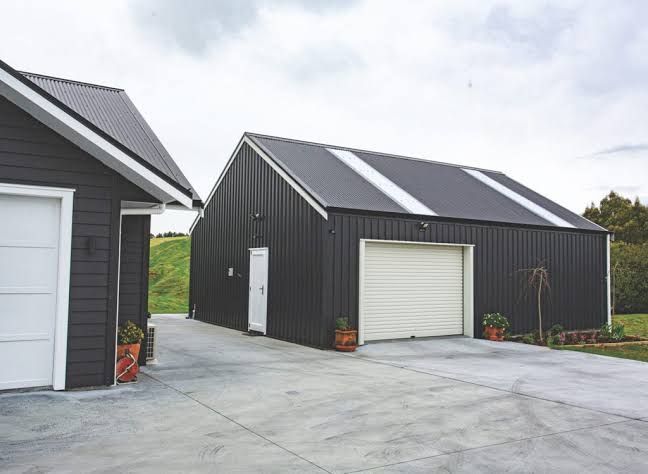
Connecting an attached garage roof to the existing home requires attention to both structural loading and fire safety. Roof framing must support Rhode Island's snow load requirements, which range from roughly 25 to 30 pounds per square foot depending on location. Northern towns such as Glocester and Burrillville generally face higher snow loads than coastal areas.
Fire separation between the garage and living space is a firm requirement, not a recommendation. The dividing wall must use 5/8-inch Type X fire-rated drywall on the garage side, extending from the foundation to the roof sheathing without gaps or unprotected penetrations. This rule applies uniformly, whether you're building in Providence or a rural town like Hopkinton.
Any door connecting the garage to the house must be a solid wood door at least 1 3/8 inches thick, a solid or honeycomb-core steel door, or a 20-minute fire-rated door. It needs to be self-closing and must swing into the house rather than the garage.
Electrical and Mechanical Requirements
All electrical work on an attached garage must be performed by a licensed electrician and comply with the National Electrical Code as adopted in Rhode Island. Most garages need at least one 120-volt circuit for lighting and receptacles, plus a dedicated circuit for a garage door opener.
Ground Fault Circuit Interrupter (GFCI) protection is required for all receptacles, given the increased shock risk on concrete floors in a space exposed to moisture. Lighting requirements call for at least one wall switch-controlled fixture, with the switch located at the entrance door.
Heating appliances face a specific restriction: any combustion appliance, including furnaces or water heaters, must sit at least 18 inches above the garage floor to avoid igniting fuel vapours. Many Rhode Island building officials advise against gas-fired appliances in attached garages altogether.
Size Limitations and Zoning Compliance
Municipalities set maximum building coverage percentages that limit how much of a lot can be covered by structures. In towns like Coventry, West Greenwich, and Exeter, coverage typically maxes out around 25 to 30 percent of lot area. Denser cities such as Providence and Cranston may allow 40 to 50 percent coverage in residential zones.
Your attached garage counts toward this total alongside the house, deck, and any other structures on the property. It's worth calculating your existing coverage before finalising a garage design, since many homeowners find they're already close to the limit and need a variance.
Height restrictions typically cap accessory structures at 15 to 20 feet, measured from average grade to the highest roof point. Two-storey attached garages with living space above face closer scrutiny and often require additional permits.
Parking and Garage Door Requirements
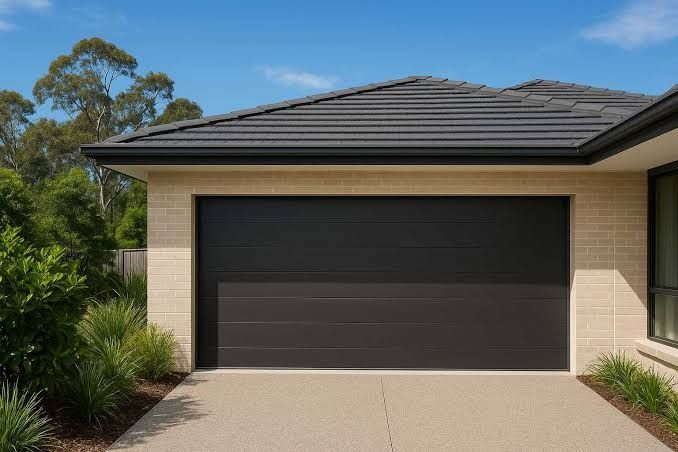
Most single-family homes across the state need to provide two off-street parking spaces, and an attached garage can satisfy this if it meets minimum dimensions. Each space should measure at least 9 feet wide by 18 feet deep. Garage doors of 9 feet accommodate a single-car space, while 16 to 18-foot doors suit a two-car layout.
Door height should provide at least 7 to 8 feet of clearance for vehicles. Automatic garage door openers are required to include automatic reversal sensors and a manual release mechanism, in line with national safety standards.
Environmental and Coastal Considerations
Properties within CRMC jurisdiction, including parts of Narragansett, Westerly, and Newport, require council review before construction. This process examines how the project affects drainage and coastal resources, and it can add weeks or months to your timeline.
Wetlands protection applies statewide, not just along the coast. Building near wetlands in towns like Scituate or Foster requires wetland delineation and buffer zone compliance, and may need a state permit. Stormwater management is also an increasing focus for building departments, with many now requiring on-site infiltration systems rather than allowing runoff to drain toward the street.
Choosing the Right Garage Style for Your Property
Not every homeowner is set on an attached garage from the outset. Lot size, budget, and how you plan to use the space all factor into the decision. If you're still weighing your options, our attached vs detached garage comparison for Rhode Island walks through the practical trade-offs in more depth, including resale value and zoning flexibility by region.
Working with a Rhode Island Contractor
Rhode Island requires contractor registration for home improvement work over $500, so it's worth confirming that your builder holds current registration with the Rhode Island Department of Business Regulation. A contractor familiar with your specific town understands local inspector expectations and zoning quirks that can differ from one municipality to the next. For homeowners in Washington County, our South Kingstown garage construction team works directly with the Town's permitting process and coastal overlay requirements.
Inspection Requirements and Timeline
Expect several inspections during construction, including a foundation inspection before the concrete pour, a framing inspection, an electrical rough-in inspection, and a final inspection before your certificate of occupancy is issued. Most municipalities require 24 to 48 hours' notice before scheduling. Permits are generally valid for 180 days, so plan your construction timeline accordingly to avoid renewal fees.
Final Thoughts on Attached Garage Building Requirements in Rhode Island
Meeting Rhode Island's attached garage building requirements comes down to understanding how state building code and local zoning work together, and starting the permit process early enough to accommodate review times in your municipality. Foundation depth, fire separation, and setback compliance are non-negotiable, and getting them right from the outset avoids costly rework later.
Speak with your local building department early, confirm your contractor's registration, and budget realistic time for permitting and inspections before you commit to a start date.
Rhode Island Attached Garage Planning Calculator
Check key dimensions, lot coverage, setbacks, foundation depth, parking space requirements, and fire-separation items for an attached garage project.
Frequently Asked Questions
Do I need a permit for an attached garage in Rhode Island?
Yes. Every attached garage requires a building permit from your local municipality before construction begins, regardless of size.
How deep does an attached garage foundation need to be in Rhode Island?
Foundations must extend below the frost line, which sits at approximately 48 inches across most of the state.
What fire separation is required between an attached garage and the house?
The shared wall requires 5/8-inch Type X fire-rated drywall on the garage side, and any connecting door must be fire-rated or solid-core and self-closing.
Are setback requirements the same across Rhode Island?
No. Setback distances vary by municipality and zoning district, and coastal properties may face additional CRMC-mandated setbacks.
Can I install a gas heater in my attached garage?
It's generally discouraged. Any combustion appliance must sit at least 18 inches above the garage floor, and many building officials recommend avoiding gas-fired units in attached garages altogether.