

How Long Does It Take to Finish a Basement in Rhode Island?
A basement finishing timeline in Rhode Island typically runs from 4 weeks for a basic, open-concept space to 20+ weeks for a basement with multiple bathrooms and custom finishes. The exact length depends on the size of the project, whether waterproofing is needed, permit processing times in your city or town, and how quickly materials and inspections are scheduled.
If you're planning to finish a basement in Providence, Warwick, Cranston, or elsewhere in Rhode Island, the first practical question is usually about time, not just cost. A finished basement adds real living space and value to a home, but the process involves several stages that each carry their own schedule. Weather, permitting, and the condition of an existing basement all affect how long the work takes.
This guide walks through each phase of a typical basement finishing project in Rhode Island, what can extend the timeline, and what to expect based on project size and scope.
What Determines Your Basement Finishing Timeline in Rhode Island?
No two basements finish on exactly the same schedule. A 500-square-foot basement conversion in Pawtucket with a simple layout might be done in a matter of weeks. A 1,500-square-foot basement in East Greenwich with a full bathroom, kitchenette, and custom millwork can take several months.
The main variables include:
- The size and layout complexity of the space
- Whether moisture control or waterproofing is required
- The number of trades involved (electrical, plumbing, HVAC)
- Local permitting and inspection schedules
- Material availability, particularly for custom cabinetry or countertops
- How quickly homeowners make selections and approve changes
Understanding these factors upfront makes it easier to set a realistic schedule rather than relying on a rough estimate.
Planning and Design Phase (2 to 4 Weeks)
Before construction starts, there's a planning stage that shouldn't be rushed. This is when a contractor assesses the basement's current condition, checks for moisture problems, foundation cracks, or outdated electrical systems, and works with you to finalise a design.
Older homes in Newport, Bristol, and other historic Rhode Island communities often have basements with quirks that need addressing early. If you're adding a bathroom or kitchen, plumbing locations need to be worked out at this stage, since changes later add cost and time.
This phase also covers permit applications. Rhode Island municipalities require permits for basement finishing, and approval can take anywhere from a few days to several weeks. Providence and Warwick tend to have more consistent processing times, while smaller towns with part-time building inspectors can take longer.
Preparation and Waterproofing (1 to 2 Weeks)
Once permits are approved, preparation work begins. Many Rhode Island basements deal with moisture due to the state's high water table and coastal climate, and this needs to be resolved before finishing work starts.
Waterproofing may involve interior drainage systems, sealants, or exterior excavation for proper drainage. Depending on the extent of the issue, this can add anywhere from a few days to two weeks. Skipping this step to save time isn't a reasonable trade-off. A basement finished without addressing moisture is at risk of damage the next time there's heavy rain.
Structural issues, such as cracked foundations or inadequate support beams, also get addressed here. These are more common in older homes but can turn up in newer construction too. The space also needs to be cleared out, including removal of old paneling, drop ceilings, or leftover materials from a previous unfinished attempt.
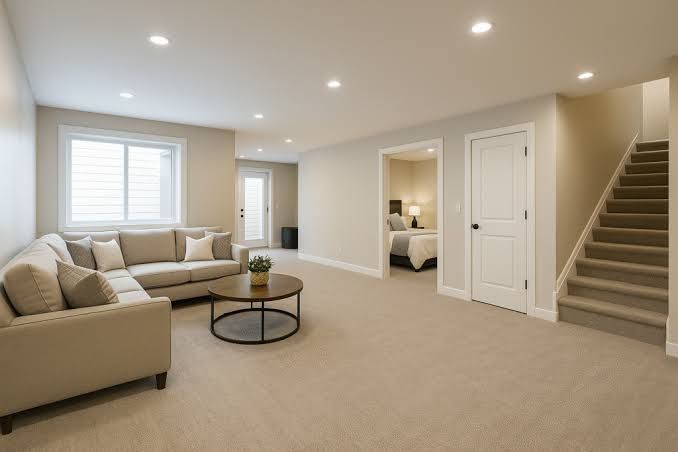
Framing, Electrical, and Plumbing Rough-In (2 to 4 Weeks)
This is typically the longest phase, since several trades need to work in sequence. Framing comes first, with carpenters building walls, soffits to conceal ductwork, and any structural elements like stairs.
During rough-in, the following work generally happens:
- Electricians run wiring for outlets, switches, and lighting
- HVAC technicians install ductwork and registers
- Plumbers rough in bathroom or kitchen fixtures
- Low-voltage wiring is installed for internet, cable, or smart home features
Insulation is also installed at this stage. Rhode Island building codes set specific requirements for below-grade insulation, so materials need to be suited for basement conditions to avoid trapping moisture.
Once rough-in work is finished, a building inspector checks that electrical, plumbing, and structural work meets code. Work cannot continue until this passes, and during busy periods, scheduling an inspector can take several days.
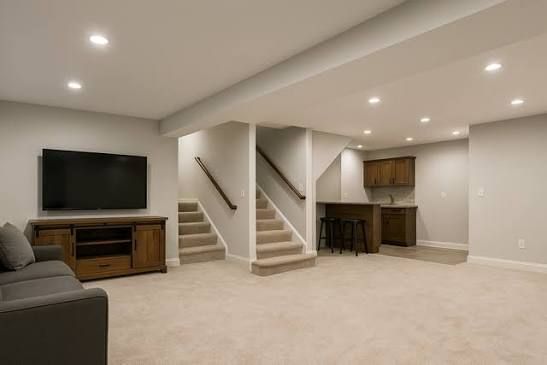
Drywall, Flooring, and Interior Finishes (2 to 3 Weeks)
After rough-in inspections pass, the basement starts to look like an actual living space. Drywall installation, taping, and sanding take a few days, with drying time needed between coats of joint compound.
Flooring goes in after drywall to avoid damage. Luxury vinyl plank or tile can be installed in a day or two for a typical basement. Carpet takes longer due to stretching and fitting. Hardwood or engineered wood, while less common below grade, requires extra time for moisture considerations if it's being used in a basement in Narragansett or South Kingstown.
Painting usually follows flooring, though some contractors prefer to paint first. A full basement generally takes two to three days to paint, including a prime coat and two finish coats. Trim work, including baseboards and door casings, is completed toward the end of this phase.
How Timeline Relates to Cost
Timeline and cost are closely linked, since labour, materials, and the number of trades involved affect both. For a detailed breakdown of pricing by finish level and square footage, see our guide on the cost to finish a basement in Rhode Island. Knowing both the timeline and the budget upfront makes it easier to plan the project realistically.
Choosing a Rhode Island Contractor for Your Basement Project
The contractor you choose has a direct effect on how smoothly your project runs. Experienced Rhode Island contractors who regularly finish basements understand local codes, have working relationships with inspectors, and maintain reliable subcontractor networks, which helps avoid scheduling gaps.
A few practical steps before signing a contract:
- Get multiple quotes, but treat an unusually short timeline or low bid with some caution
- Ask for references from recent basement finishing projects
- Confirm the contractor's license status with the Rhode Island Contractors' Registration and Licensing Board
- Request a detailed project schedule broken down by phase
If you're located on the East Bay, our team also works as basement finishing contractors in Middletown, handling everything from waterproofing to full custom builds.
Planning What Goes Into the Space
Once you have a realistic timeline, it's worth thinking through how the finished space will be used. For inspiration on layouts and features that add long-term value, see our post on finished basement ideas that add value to Rhode Island homes.
Setting Realistic Expectations for Your Project
A basement finishing timeline in Rhode Island depends on the size of the project, the condition of the existing space, and how quickly permits, inspections, and material orders move along. Basic projects can wrap up in about a month, while larger builds with bathrooms and custom finishes often take three to five months from planning to final inspection.
Working with an experienced Rhode Island contractor, addressing moisture issues early, and building some flexibility into your schedule will help keep the project on track. With a clear timeline in place, you'll have a better sense of when you'll actually be using your new basement space.
Basement Finishing Timeline Calculator
Estimate your likely basement finishing timeline based on project size, layout, bathrooms, waterproofing, structural work, permits and finish details.
Basement Finishing Timeline
Your Timeline Assessment
Estimated Project Phases
Potential Schedule Delays
How to Keep the Project Moving
Frequently Asked Questions
How long does it take to finish a 1,000-square-foot basement in Rhode Island?
A basement of this size with a mid-range finish, including one bathroom, typically takes 8 to 12 weeks from the start of construction to final inspection, not including the initial planning and permitting period.
Do all basements in Rhode Island need waterproofing before finishing?
Not every basement requires waterproofing, but many do given the state's high water table and coastal climate. A contractor will assess moisture levels during the initial consultation and recommend whether interior drainage or exterior sealing is needed.
Can basement finishing work happen during winter in Rhode Island?
Yes, most of the work happens indoors and can continue through winter. However, weather can affect material deliveries and site access, and any exterior waterproofing work is easier to complete in milder months.
How long do permits take for a basement finishing project in Rhode Island?
Permit approval times vary by municipality. Providence and Warwick generally process applications within a couple of weeks, while smaller towns with part-time building inspectors may take longer.
What's the biggest cause of delays in basement finishing projects?
Unexpected issues found during demolition, such as outdated wiring or hidden moisture damage, are among the most common causes of delay, along with waiting on custom materials like cabinetry or countertops.