
Dealing with Rhode Island Coastal Flooding Basements
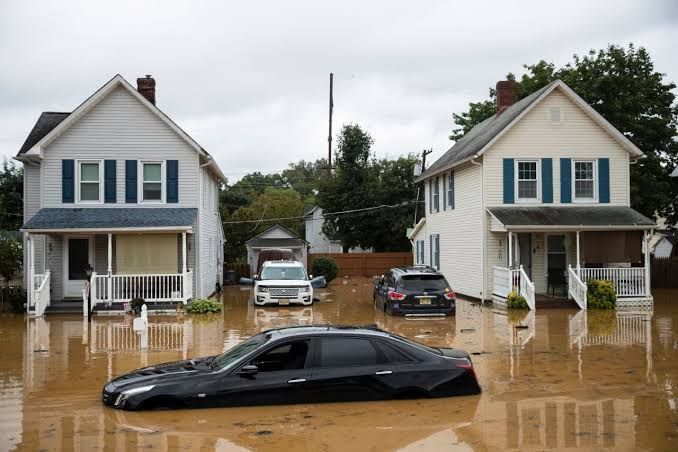
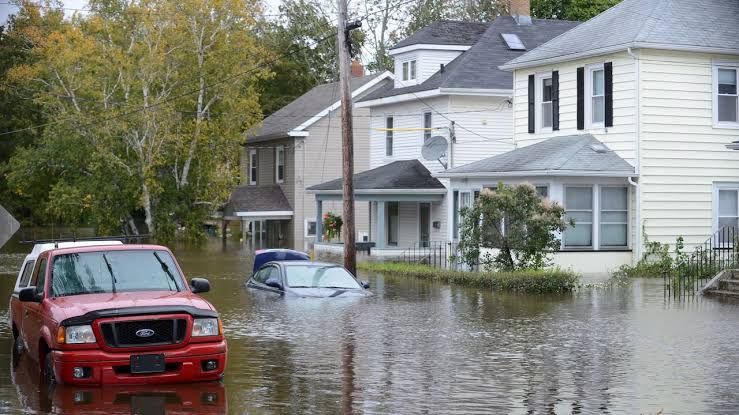
Rhode Island's 400 miles of coastline create extraordinary living opportunities and significant basement flooding challenges. If you own property in coastal Rhode Island communities like Narragansett, Newport, Westerly, Portsmouth, Middletown, Tiverton, Barrington, Bristol, or even inland areas near Narragansett Bay, you've likely dealt with or worried about basement flooding from coastal storms, high tides, and rising sea levels.
Coastal flooding differs fundamentally from typical groundwater seepage or storm runoff. It brings saltwater intrusion, storm surge, and unprecedented water volumes that overwhelm conventional drainage systems. This guide covers everything Rhode Island coastal property owners need to know about protecting basements from flooding, from understanding your risks to implementing effective solutions.
Understanding Coastal Flooding Risks in Rhode Island
Rhode Island faces unique coastal flooding challenges that intensify each year. The state experiences some of the highest rates of relative sea level rise in the nation - approximately 10 inches since 1930, with projections suggesting another 3-9 feet by 2100 depending on emissions scenarios.
Where Coastal Flooding Hits Hardest
Coastal flooding impacts Rhode Island communities differently based on geography, elevation, and proximity to water bodies.
Narragansett Bay Communities
Properties along Narragansett Bay face flooding from multiple directions. Newport, Barrington, Bristol, Warren, and East Greenwich experience regular tidal flooding during astronomical high tides combined with nor'easters or tropical systems.
The bay's funnel shape amplifies storm surge, pushing extraordinary water volumes into communities at the bay's upper reaches. Providence's hurricane barrier protects downtown, but surrounding neighborhoods and the East Bay communities lack similar protection.
Ocean-Facing Properties
Narragansett, Westerly, South Kingstown, and Charlestown face direct Atlantic exposure. These communities experience the full force of coastal storms, with wave action compounding flooding impacts.
Watch Hill in Westerly and areas of Narragansett's coastline see dramatic storm surge during hurricanes and major nor'easters. Properties here deal with both flooding and severe erosion that can undermine foundations.
Island Communities
Block Island faces unique challenges from its exposed position 12 miles offshore. The island experiences flooding from all directions during storms, with limited options for water drainage.
Aquidneck Island communities - Newport, Middltown, and Portsmouth - combine bay and ocean exposure. Low-lying areas flood regularly, particularly in Newport's historic waterfront neighborhoods and Portsmouth's western shore.
How Coastal Flooding Affects Basements
Coastal flooding creates basement water intrusion through multiple pathways that differ from typical basement moisture problems.
Storm Surge and Tidal Flooding
Storm surge occurs when hurricane or nor'easter winds push ocean water toward shore, creating temporary sea level increases of 5-15 feet above normal high tide.
This surge:
- Overwhelms basement walls through hydrostatic pressure
- Forces water through foundation cracks and joints
- Backs up through sewer systems and floor drains
- Floods window wells and basement egress points
Even without direct surge impact, elevated water tables during coastal flooding saturate soil around foundations, creating intense pressure that forces water through any available opening.
Saltwater Intrusion
Unlike freshwater flooding, coastal events bring corrosive saltwater that damages building materials and mechanical systems. Saltwater:
- Accelerates concrete deterioration and rebar corrosion
- Damages electrical systems beyond repair
- Ruins HVAC equipment, water heaters, and appliances
- Leaves persistent salt deposits that attract moisture
- Kills lawns and landscaping around your foundation
A single saltwater flooding event can cause more damage than years of freshwater seepage.
Sewer Backups
Many Rhode Island coastal communities use combined sewer systems that handle both sewage and stormwater. During coastal flooding:
- Storm surge overwhelms sewer capacity
- Seawater backs up through floor drains into basements
- Raw sewage mixes with floodwater
- Contaminated water creates health hazards
Warwick, Providence, Pawtucket, and Newport all have combined sewer areas vulnerable to backups during coastal flooding.
Assessing Your Coastal Flooding Risk
Understanding your specific risk helps you prioritize protective measures and make informed decisions about basement use and improvements.
Check FEMA Flood Maps
FEMA flood maps identify properties in Special Flood Hazard Areas (SFHAs) where flooding has a 1% or greater annual chance - the so-called 100-year flood zone. Rhode Island coastal properties fall into various flood zones:
High-Risk Zones:
- VE Zone: Coastal areas with velocity hazard (wave action)
- AE Zone: Coastal or riverine areas with base flood elevations determined
- A Zone: Flood hazard areas without base flood elevations
Moderate to Low Risk:
- X (shaded): 0.2% annual chance (500-year flood zone)
- X (unshaded): Minimal flood risk
However, FEMA maps use historical data and may underestimate future risk given accelerating sea level rise. Properties currently outside flood zones increasingly experience flooding during extreme high tides and storms.
Access current flood maps through FEMA's Map Service Center or Rhode Island's Coastal Resources Management Council (CRMC) StormTools, which provides sea level rise and storm surge visualization for Rhode Island coastlines.
Understand Your Property's Elevation
Elevation relative to mean higher high water (MHHW) determines your flooding vulnerability. Properties within 2-3 feet of MHHW face regular tidal flooding even without storms.
Rhode Island requires elevation certificates for properties in flood zones. If you don't have one, licensed surveyors can provide certificates showing your lowest floor elevation relative to base flood elevation (BFE).
Review Historical Flooding
Your property's flood history offers valuable risk insight. Ask previous owners, check disclosure documents, and talk with long-time neighbors about past flooding events.
The 1938 Hurricane, Hurricane Carol (1954), Hurricane Bob (1991), and the October 2010 flood serve as benchmarks. If your basement flooded during these events, assume it will flood again.
Immediate Actions During Coastal Flooding
When coastal flooding threatens, taking prompt action protects your property and ensures safety.
Monitor Warnings and Forecasts
Rhode Island Emergency Management Agency (RIEMA) and the National Weather Service issue coastal flood warnings 12-36 hours before expected flooding. Sign up for emergency alerts through your municipality's notification system.
Watch for:
- Coastal flood warnings and watches
- Storm surge predictions
- Astronomical high tide timing
- Nor'easter or tropical system tracks
Flooding risk peaks when storm surge coincides with astronomical high tides. The combination can produce water levels several feet higher than either factor alone.
Secure Your Basement Before Flooding
If flooding seems likely and you have several hours warning:
- Move valuable items from basement to upper floors
- Elevate or relocate appliances and mechanicals if possible
- Shut off electricity to basement at the breaker panel
- Close basement vents and windows
- Install flood panels or barriers if you have them
- Move vehicles to higher ground
- Photograph basement and contents for insurance documentation
Never stay in basements during coastal flooding. Rising water can trap occupants, and electrical hazards create life-threatening risks.
Stay Safe During the Event
Coastal flooding creates dangerous conditions:
- Never walk or drive through floodwater - six inches can knock you down, one foot can float vehicles
- Avoid contact with floodwater, which may contain sewage, chemicals, and debris
- Don't use electrical equipment while standing in water
- Evacuate if authorities order it - don't wait until escape routes flood
Rhode Island coastal communities have designated evacuation routes and shelters. Know your routes before emergencies occur.
Long-Term Solutions for Coastal Basement Flooding
Protecting basements from recurring coastal flooding requires comprehensive approaches combining multiple strategies.
Exterior Waterproofing and Drainage
Proper exterior drainage diverts surface water away from foundations and reduces hydrostatic pressure during flooding events.
Foundation Waterproofing
Excavating around your foundation allows application of waterproof membranes that prevent water intrusion:
- Remove soil from foundation walls to footer level
- Clean and repair foundation cracks and defects
- Apply rubberized or polymer-modified waterproofing membrane
- Install drainage board to channel water to footer drains
- Backfill with free-draining gravel near walls
Full perimeter waterproofing costs $8,000-15,000 for typical Rhode Island homes but provides the most reliable protection against hydrostatic pressure.
French Drains and Curtain Drains
French drains installed around your foundation collect groundwater before it reaches basement walls:
- Dig trenches around foundation perimeter
- Install perforated pipe in gravel bed
- Wrap pipe and gravel in filter fabric
- Slope pipe toward daylight drainage or sump basin
- Ensure positive drainage away from house
French drains cost $3,000-8,000 depending on perimeter length and drainage challenges. In coastal areas, connect drains to pumped systems since gravity drainage often isn't possible at sea level.
Sump Pump Systems
Sump pumps remove water that accumulates around and under basement floors. Coastal properties need robust systems designed for high-volume, frequent operation.
Primary Sump Pumps
Quality primary pumps should provide:
- 1/2 to 3/4 horsepower motors for adequate capacity
- Cast iron construction for durability
- Automatic float switches for hands-free operation
- Alarm systems indicating pump failure or high water
Expect to spend $800-2,000 for professional sump pump installation including basin, pump, and discharge piping.
Battery Backup Systems
Coastal flooding often causes power outages precisely when you need pumps most. Battery backup systems maintain pumping during outages:
- Deep-cycle marine batteries provide 6-12 hours backup runtime
- Automatic switching activates backup when power fails
- Separate backup pump or power for primary pump
- Battery charging systems maintain readiness
Battery backup sump systems cost $600-1,500 installed. Some Rhode Island homeowners invest in whole-house generators ($8,000-15,000) for extended backup power during multi-day coastal storm events.
Water-Powered Backup Pumps
Properties with adequate municipal water pressure can use water-powered backup pumps. These devices:
- Use venturi effect to pump water without electricity
- Require no batteries or fuel
- Work indefinitely during power outages
- Pump slower than electric pumps but provide crucial backup
Water-powered pumps cost $300-800 installed but only work where water pressure exceeds 40 PSI and local codes permit them.
Backwater Valves
Backwater valves prevent sewer backups during coastal flooding when storm surge overwhelms municipal systems. These one-way valves:
- Install in main sewer line before it exits your house
- Allow water to flow out but prevent backflow
- Close automatically when reverse pressure occurs
- Protect against sewage contamination
Professional backwater valve installation costs $500-2,000 depending on accessibility and plumbing configuration. Some Rhode Island municipalities offer rebates for backwater valve installation.
Flood Vents and Openings
For properties in FEMA flood zones, building codes require flood vents in foundation walls to equalize hydrostatic pressure and prevent structural collapse during flooding.
Engineered flood vents:
- Automatically open when floodwater reaches them
- Allow water to flow through foundation walls
- Prevent differential pressure that cracks foundations
- Close automatically as water recedes
Flood vents cost $150-400 each installed. FEMA requires one square inch of vent area per square foot of enclosed space, typically requiring 4-8 vents for standard basements.
While flood vents allow controlled flooding, they prevent far worse structural damage from unequalized pressure.
Elevation and Structural Solutions
For properties facing severe, recurring coastal flooding, elevation or structural modifications offer more permanent solutions.
Basement Abandonment
Some Rhode Island coastal homeowners choose to abandon basement living space:
- Remove mechanicals to upper floors
- Eliminate finished living areas in basements
- Use basements only for flood-tolerant storage
- Install flood vents for pressure equalization
This approach accepts occasional flooding while protecting valuable systems and avoiding constant flood fighting.
House Elevation
Elevating your entire house above base flood elevation provides maximum flood protection:
- House lifted on hydraulic jacks
- New foundation built to required height
- House lowered onto elevated foundation
- Utilities reconnected at new elevation
House elevation costs $100,000-300,000+ for Rhode Island homes depending on size and complexity. However, FEMA mitigation grants can cover 75% of costs for qualifying properties with repetitive losses.
Dry Floodproofing
Dry floodproofing makes basements watertight to prevent water intrusion during flooding. This approach requires:
- Completely waterproofed foundation walls and floor
- Sealable doors, windows, and other openings
- Sewer backflow prevention
- Structural reinforcement to withstand hydrostatic pressure
Dry floodproofing costs $15,000-40,000 for typical basements but only works for shallow flooding (2-3 feet maximum). Deeper flooding creates excessive pressure that overwhelms waterproofing systems.
FEMA generally doesn't recommend dry floodproofing for residential basements due to reliability concerns during extreme events.
Basement Recovery After Coastal Flooding
When coastal flooding occurs despite protective measures, proper cleanup prevents long-term damage and health hazards.
Safety First
Flooded basements pose serious hazards:
- Don't enter until utilities are confirmed safe
- Wear protective gear including boots, gloves, and respirator
- Assume all floodwater is contaminated
- Watch for structural damage before entering
Contact licensed electricians to inspect systems before restoring power to flooded areas.
Document Everything
Before cleanup begins:
- Photograph and video all damage thoroughly
- Document water levels with markers or measurements
- List damaged items with approximate values
- Save damaged items until insurance adjusters review claims
Rhode Island requires prompt notification to insurers - typically within 72 hours of discovering damage.
Remove Water and Dry Out
Remove standing water as quickly as safely possible:
- Use pumps or wet vacuums to remove bulk water
- Open windows and doors for ventilation (weather permitting)
- Run dehumidifiers to reduce moisture levels
- Use fans to circulate air and accelerate drying
- Remove wet insulation, drywall, and carpeting
Aim to dry basements within 48 hours to prevent mold growth. Saltwater flooding requires more aggressive drying since salt attracts moisture indefinitely.
Clean and Disinfect
Coastal floodwater contains bacteria, sewage, chemicals, and other contaminants requiring thorough cleaning:
- Remove all mud and debris
- Scrub all surfaces with detergent and water
- Disinfect with bleach solution (1 cup bleach per gallon water)
- Rinse thoroughly after disinfecting
- Allow complete drying before rebuilding
Discard porous materials that contacted floodwater - drywall, insulation, carpeting, and upholstered furniture cannot be adequately cleaned after sewage-contaminated flooding.
Address Saltwater Damage
Saltwater leaves corrosive residue requiring special attention:
- Flush concrete with fresh water multiple times
- Wire brush salt deposits from surfaces
- Apply salt-neutralizing products to concrete and masonry
- Replace any corroded metal components
- Consider sealing concrete to prevent salt wicking
Incomplete salt removal causes ongoing moisture problems and continued corrosion.
Insurance Considerations for Coastal Properties
Understanding insurance coverage before flooding occurs prevents financial disasters.
Flood Insurance Requirements
Standard homeowners insurance doesn't cover flood damage. Properties in FEMA flood zones with federally-backed mortgages must carry flood insurance.
However, many Rhode Island coastal properties outside mapped flood zones also flood regularly. Smart homeowners carry flood insurance regardless of requirements.
National Flood Insurance Program (NFIP) policies:
- Cover up to $250,000 for structure, $100,000 for contents
- Require 30-day waiting period before coverage begins
- Cost $400-3,000+ annually depending on flood zone and elevation
- Cover actual cash value, not replacement cost
Private flood insurance increasingly offers alternatives to NFIP with higher coverage limits and sometimes better pricing for lower-risk properties.
Repetitive Loss Properties
Properties with multiple flood insurance claims become "repetitive loss" or "severe repetitive loss" properties. This designation:
- Increases premiums substantially
- May make properties difficult to sell
- Qualifies for FEMA mitigation grants
- Signals need for serious flood protection improvements
Rhode Island has hundreds of repetitive loss properties, many in coastal communities experiencing increased flooding from sea level rise.
Working with Rhode Island Coastal Regulations
Coastal property improvements must comply with Rhode Island Coastal Resources Management Council (CRMC) regulations and local building codes.
CRMC Permitting
CRMC regulates construction in coastal areas. Projects requiring permits include:
- Excavation or grading near coastlines
- Seawalls, revetments, and other shoreline structures
- Substantial improvements to properties in coastal zones
- Any work in coastal wetlands or buffers
CRMC application processes take 60-120 days. Some projects require public hearings and environmental assessments.
Municipal Requirements
Each Rhode Island coastal community has building codes addressing flood protection:
- Minimum elevation requirements for new construction and substantial improvements
- Flood-resistant materials specifications below base flood elevation
- Floodproofing standards for non-residential buildings
- Anchor and foundation requirements in flood zones
Narragansett, Newport, Westerly, and other coastal towns employ floodplain managers who can explain local requirements.
Future-Proofing Against Rising Seas
Rhode Island's coastal flooding will worsen as seas rise. Smart property owners plan for future conditions, not just today's risks.
Consider Managed Retreat
Some Rhode Island coastal areas will become untenable within decades. If your property faces severe, worsening flooding:
- Consider selling before flood damage reduces property value
- Explore FEMA buyout programs for repetitive loss properties
- Plan exit strategies for properties likely to flood frequently
Managed retreat proves emotionally difficult but financially prudent for the most vulnerable properties.
Invest in Resilient Infrastructure
Properties you plan to keep long-term need resilient improvements:
- Elevate critical mechanicals above projected flood levels
- Use flood-resistant materials throughout basements
- Design for easy cleanup after flooding events
- Maintain robust drainage and pumping systems
Building resilience costs more upfront but reduces flood damage and recovery costs over time.
Community-Level Solutions
Individual property protection works best when combined with community-wide flood management.
Green Infrastructure
Communities throughout Rhode Island are implementing green infrastructure that reduces flooding:
- Rain gardens and bioswales that absorb stormwater
- Permeable pavement allowing water infiltration
- Restored wetlands that buffer storm surge
- Living shorelines replacing hardened seawalls
Warwick, Providence, and Newport have active green infrastructure programs. Support these initiatives that benefit entire communities.
Hurricane Barriers and Seawalls
Large-scale barriers protect multiple properties:
- Providence's Fox Point Hurricane Barrier protects downtown
- Proposed barriers could protect vulnerable Rhode Island communities
- Living shorelines provide erosion protection with environmental benefits
These projects require federal funding and long timelines but offer community-wide protection impossible through individual actions.
Rockhouse Construction is ready to help.
Contact us today.