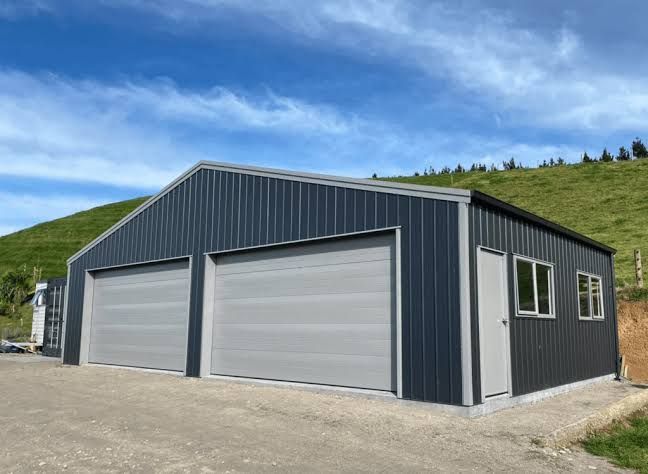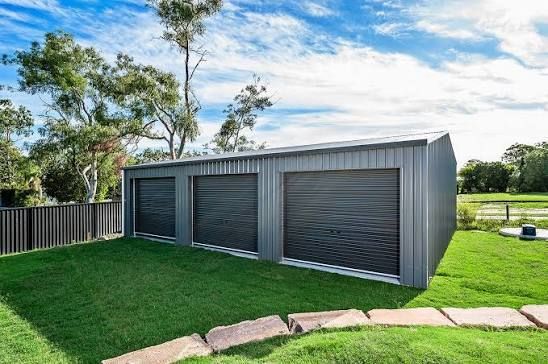

Best Designs for 2 Car Garages - Rhode Island

David Antonucci • December 1, 2025

If you're planning to build a two-car garage in Providence, Warwick, Cranston, East Greenwich, or anywhere across Rhode Island, you're making a smart investment. A well-designed garage not only protects your vehicles from our harsh coastal winters and humid summers but also adds significant value to your property while providing essential storage and workspace.


Rhode Island's unique blend of historic architecture, coastal climate, and compact lots means that garage design requires careful consideration. The best two-car garage designs balance functionality, aesthetics that complement your home's style, efficient use of limited space, and compliance with local building codes and regulations.


Standard Two-Car Garage Dimensions for Rhode Island


Getting the size right is the foundation of good garage design, and Rhode Island homeowners need to consider both vehicle needs and lot constraints.


Minimum Dimensions


The absolute minimum for a two-car garage is 20 feet wide by 20 feet deep (400 square feet). However, this tight layout only works for compact vehicles and provides virtually no storage or work space. It's rarely recommended for Rhode Island homes.


Comfortable Standard Dimensions


Most Rhode Island two-car garages measure 24 feet wide by 24 feet deep (576 square feet). This provides adequate parking for two mid-size vehicles, modest storage along walls, room to walk between cars, and basic workspace potential.


Ideal Dimensions for Modern Vehicles


Today's SUVs, crossovers, and pickup trucks are larger than vehicles from previous decades. Ideal modern dimensions are 24 feet wide by 26-28 feet deep (624-672 square feet) or 26 feet wide by 24-26 feet deep (624-676 square feet).


The extra space accommodates larger vehicles like Ford F-150s, Chevy Tahoes, and Honda Pilots that are increasingly common on Rhode Island roads, provides comfortable door clearance when parked, allows storage along the back wall, and creates workspace without sacrificing parking.


Oversized Garages for Storage and Workshops


If your lot permits and budget allows, oversized garages offer exceptional functionality. Common oversized dimensions include 24 feet by 30 feet (720 square feet) for substantial storage, 26 feet by 28 feet (728 square feet) for workspace plus parking, and 30 feet by 30 feet (900 square feet) for serious workshop or hobby space.


These larger garages work beautifully on suburban and rural Rhode Island properties in communities like Barrington, Scituate, and Exeter where lot sizes accommodate expansion.


Garage Height Considerations


Standard garage height is 8 feet for basic vehicle clearance, but many Rhode Island homeowners choose 9-10 feet for tall vehicles and better storage, 10-12 feet for overhead storage systems and better proportions, or 12-16+ feet when planning second-story additions.


Higher ceilings significantly improve functionality and aesthetics while adding minimal cost during initial construction.


Popular Two-Car Garage Styles for Rhode Island Homes


Rhode Island's architectural diversity means your garage should complement your home's existing style while meeting functional needs.


Colonial Style Garages


Colonial architecture dominates Rhode Island, from historic neighborhoods in Providence and Newport to modern colonials throughout the suburbs. Colonial-style garages feature symmetrical design with centered or evenly-spaced doors, traditional architectural details including trim, shutters, and hardware, roof pitches matching the main house (typically 8/12 to 12/12), and classic materials like clapboard siding, cedar shakes, or brick.


These timeless designs work beautifully attached or detached and suit properties from Barrington to South Kingstown.


Cape Cod and Cottage Style


Cape Cod cottages are beloved throughout Rhode Island's coastal communities. Complementary garage designs include lower roof profiles (6/12 to 8/12 pitch), simple, unadorned aesthetics, board-and-batten or shake siding, and dormers for upper storage or bonus rooms.


These understated designs blend seamlessly into coastal landscapes while providing excellent functionality.


Contemporary and Modern


Newer Rhode Island homes increasingly embrace contemporary design. Modern garage features include clean lines and minimal ornamentation, flat or low-slope roofs, mixed materials like metal panels, wood, and stucco, large windows for natural light, and integrated outdoor living spaces.


Contemporary garages work particularly well in Providence's revitalized neighborhoods and new developments throughout the state.


Carriage House Style


Carriage house designs combine parking with upper-level living or storage space. Popular features include garage doors styled to look like barn doors or carriage doors, second-story living quarters, studio space, or home office, dormers and decorative windows, and traditional architectural detailing.


These versatile structures are perfect for Rhode Island properties where maximizing square footage is essential, particularly in urban Providence, Pawtucket, and coastal communities.


Barn Style and Farmhouse


For rural Rhode Island properties and farmhouse-style homes, barn-inspired garages offer rustic charm. Design elements include gambrel or gable roofs, board-and-batten siding, rustic hardware and fixtures, and oversized doors for equipment storage.


These designs suit properties in Foster, Glocester, and other rural communities while providing excellent functionality.


Attached vs. Detached Garage Designs


One of the first decisions Rhode Island homeowners face is whether to attach the garage to their home or build it as a separate structure.


Attached Garage Advantages


Attached garages offer direct home access (essential during Rhode Island winters), lower construction costs per square foot, shared walls reducing heating costs, and convenient daily use.


Urban and suburban Rhode Island properties typically favor attached designs due to lot constraints and convenience factors.


Attached Garage Design Considerations


When designing attached garages for Rhode Island homes, ensure the garage complements architectural style through matching rooflines, siding, and trim. Proper fire-rated walls between garage and living space meet code requirements. Adequate ventilation prevents carbon monoxide and humidity issues, and the design should maintain the home's curb appeal rather than dominating the facade.


Providence, Warwick, and Cranston building codes have specific requirements for attached garages that your contractor must follow.


Detached Garage Advantages


Detached garages provide separation of noise, fumes, and humidity from living spaces, greater design flexibility without matching home exactly, potential for workshop or hobby space without disturbing household, and preservation of historic home character.


Detached designs work beautifully in historic Rhode Island neighborhoods where attached garages would compromise architectural integrity.


Detached Garage Design Opportunities


Freestanding garages allow for secondary dwelling units above garages (where zoning permits), distinctive architectural statements, flexible positioning on lot for optimal access, and easier future expansion.


Check local zoning - Providence, Newport, and many Rhode Island communities have specific regulations regarding detached structures, setbacks, and accessory dwelling units.


Garage Door Design Options for Rhode Island


Garage doors represent roughly 30% of your garage's street-facing facade, making them critical design elements.


Traditional Raised Panel Doors


Classic raised panel steel or wood doors suit colonial and traditional Rhode Island homes. Benefits include timeless appearance, wide variety of colors and finishes, excellent insulation options, and moderate pricing ($800-2,000 per door).


These doors complement most Rhode Island architectural styles from historic Providence to suburban Warwick.


Carriage House Style Doors


Faux carriage house doors offer old-world charm with modern convenience. Features include swing-out appearance with overhead operation, decorative hardware and windows, steel, wood, or composite construction, and pricing typically $1,500-3,500 per door.


These doors are increasingly popular throughout Rhode Island, particularly in historic districts and upscale communities like East Greenwich and Barrington.


Contemporary Flush Panel Doors


Modern homes benefit from clean-lined flush panel designs. Characteristics include minimalist aesthetic, aluminum, steel, or glass construction, customizable colors including bold modern hues, and costs ranging from $1,200-4,000+ per door depending on materials.


Contemporary doors suit modern Rhode Island homes and recent construction in Providence's revitalized neighborhoods.


Full-View Glass Doors


Glass garage doors make dramatic statements while flooding interiors with light. Features include aluminum frames with glass panels, frosted, clear, or tinted glass options, modern industrial aesthetic, and pricing from $2,500-5,000+ per door.


These work beautifully for garages converted to entertainment spaces or in contemporary designs where natural light is prioritized.


Custom Wood Doors


For high-end Rhode Island properties, custom wood doors offer unmatched beauty. Benefits include unique designs crafted to specifications, mahogany, cedar, or fir construction, exceptional curb appeal, and investment-level pricing at $3,000-8,000+ per door.


Regular maintenance is essential in Rhode Island's coastal humidity, but the aesthetic payoff can be substantial.


Insulation Considerations


Rhode Island's temperature extremes make insulated doors smart investments. Look for R-value ratings of R-12 to R-18 for climate control, energy efficiency if you heat/cool the garage, and reduced noise transmission.


Insulated doors cost 15-30% more but provide year-round comfort and lower energy bills.


Interior Layout and Storage Solutions


Thoughtful interior design maximizes your garage's functionality beyond simple vehicle parking.


Efficient Parking Layouts


Standard side-by-side parking works for most situations but consider tandem parking (one behind the other) for narrow lots common in urban Providence, angled parking for easier access on some properties, and asymmetrical layouts for one larger and one smaller vehicle.


Wall Storage Systems


Maximize wall space with slatwall panels ($8-15 per square foot installed), pegboard systems ($3-6 per square foot), heavy-duty shelving ($150-500 per unit), and tool organization systems ($200-1,000).


Rhode Island's humidity makes closed storage preferable for tools and equipment to prevent rust.


Overhead Storage


Ceiling space often goes unused but offers excellent storage potential. Options include overhead racks for seasonal items ($150-400 installed), ceiling-mounted platforms ($300-800), and pulley systems for bikes and kayaks ($50-200).


Overhead storage is particularly valuable on smaller Rhode Island lots where garage space must work harder.


Workbench Integration


Dedicated workspace transforms garages into functional workshops. Consider built-in workbenches along back or side walls (cost: $300-1,500), modular workbench systems ($500-2,000), and integrated tool storage and power outlets.


Position workbenches away from vehicle parking areas to maximize functionality.


Climate Control


Rhode Island's weather extremes make climate control worth considering. Options include insulation in walls and ceiling ($1,500-4,000), heating systems for winter use ($800-3,000), dehumidifiers for humidity control ($300-1,500), and ventilation fans ($200-800).


These investments make garages usable year-round for projects and hobbies.


Second-Story Additions and Bonus Rooms


Maximizing vertical space provides additional square footage on constrained Rhode Island lots.


Garage Apartments


Converting garage upper levels into living space is increasingly popular where zoning allows. Typical layouts include studio apartments (400-600 square feet), one-bedroom units (600-900 square feet), and home offices or guest suites.


Providence and several Rhode Island municipalities have relaxed accessory dwelling unit regulations, making garage apartments more feasible. Check local zoning carefully and obtain necessary permits.


Construction costs typically run $100-200 per square foot for basic finishes to $200-350+ per square foot for high-end appointments.


Home Offices


Remote work makes garage offices attractive. Design features include separate entrance for clients/privacy, climate control and high-speed internet, natural light through dormers or skylights, and bathroom facilities.


Office construction costs $75-150 per square foot depending on finishes and systems.


Storage Lofts


Simple storage lofts provide maximum storage at minimal cost. Features include open trusses allowing loft construction, pull-down stairs or permanent staircase access, flooring and lighting, and costs typically $3,000-8,000.


Storage lofts are perfect for seasonal items, holiday decorations, and long-term storage.


Structural Considerations


Any second-story addition requires proper foundation and framing to support additional loads, floor trusses or I-joists rated for living loads, adequate ceiling height (minimum 7'6" in Rhode Island), and separate HVAC systems for living spaces.


Work with experienced Rhode Island contractors who understand local building codes and structural requirements.


Material Choices for Rhode Island Garages


Material selection impacts longevity, maintenance, and aesthetics in our coastal climate.


Siding Options


Vinyl siding ($3-8 per square foot installed) offers low maintenance, wide color selection, and good durability but can fade and crack in extreme temperatures.


Fiber cement siding ($6-12 per square foot installed) provides excellent durability, fire resistance, and the appearance of wood without extensive maintenance. It's increasingly popular throughout Rhode Island.


Wood clapboard or shakes ($8-15 per square foot installed) offer classic New England aesthetics but require regular painting or staining—plan for maintenance every 3-5 years in Rhode Island's climate.


Brick or stone ($15-30+ per square foot installed) delivers timeless beauty, exceptional durability, and virtually no maintenance, making it ideal for high-end Rhode Island properties.


Roofing Materials


Asphalt shingles ($3-5 per square foot installed) are the standard choice offering good value, 20-30 year lifespan, and wide availability.


Architectural shingles ($4-7 per square foot installed) provide enhanced curb appeal, better wind resistance, and 30-50 year warranties.


Metal roofing ($7-12 per square foot installed) offers 40-70 year lifespan, excellent snow shedding, and modern aesthetics popular in contemporary Rhode Island designs.


Cedar shakes ($8-14 per square foot installed) provide classic New England character but require maintenance and cost more long-term.


Foundation and Floor


Concrete slab foundations ($4-8 per square foot) are standard, providing durable vehicle support, moisture resistance, and easy cleaning.


Epoxy floor coatings ($3-12 per square foot) add chemical resistance, enhanced durability, and attractive finishes.


Heated floors ($10-20 per square foot) offer luxury comfort for Rhode Island winters, making garages usable year-round.


Windows and Natural Light


Strategic window placement provides natural light and ventilation without compromising security or climate control. Consider windows in garage doors (decorative and functional), side wall windows above workbench areas, rear wall windows for cross-ventilation, and skylights or solar tubes for overhead light.


Impact-resistant or laminated glass makes sense in coastal Rhode Island areas prone to storm damage.


Rhode Island Zoning and Building Codes


Understanding local regulations prevents costly mistakes and delays.


Setback Requirements


Rhode Island municipalities have varying setback requirements. Typical regulations include 5-10 feet from side property lines, 10-20 feet from rear property lines, and 20-30 feet from front property lines.


Providence, Warwick, Cranston, and other cities have specific requirements - verify before finalizing garage placement.


Height Restrictions


Most Rhode Island communities limit accessory structure height to 15-20 feet for single-story garages and 25-35 feet for two-story structures with living space.

Historic districts may have more restrictive height limits to maintain neighborhood character.


Lot Coverage Limitations


Zoning typically restricts total lot coverage (house plus garage plus other structures) to 30-50% of lot area depending on the municipality and zone.

Small urban lots in Providence and Pawtucket may already approach coverage limits, constraining garage size.


Coastal Considerations


Properties within Coastal Resources Management Council (CRMC) jurisdiction face additional regulations. The CRMC oversees properties within 200 feet of coastal features, development in flood zones, and stormwater management requirements.


Consult with contractors experienced in coastal Rhode Island construction for these specialized situations.


Permit Requirements


All Rhode Island municipalities require building permits for new garages. Expect permit costs of $300-1,500 depending on project size, review timelines of 2-8 weeks, and inspections at foundation, framing, and final completion stages.


Professional contractors handle permitting, but verify this is included in your contract.


Garage Design Features Popular in Rhode Island


Modern garages incorporate features that enhance functionality and comfort.


Electric Vehicle Charging


EV adoption is growing rapidly in Rhode Island. Future-proof your garage with 240-volt circuits for Level 2 charging, dedicated 40-60 amp circuits, and conduit for future upgrades.


Installation costs $500-2,000 depending on electrical panel location and capacity.


Smart Technology Integration


Connected garages offer enhanced convenience and security. Popular features include WiFi-enabled garage door openers, security cameras and motion sensors, smart lighting systems, and integrated home automation.


These systems cost $300-2,000 depending on sophistication.


Finished Interiors


Finished garage interiors provide more pleasant environments. Upgrades include drywall on walls and ceilings ($2-4 per square foot), painted or sealed concrete floors ($1-3 per square foot), LED lighting fixtures ($100-500 total), and climate control systems ($1,500-5,000).


Outdoor Living Integration


Garages can integrate with outdoor spaces through covered porches or breezeways, overhead doors opening to patios, roof decks above garages, and seamless indoor-outdoor transitions.


These features are particularly popular in coastal Rhode Island communities where outdoor living extends the usable season.


Budgeting for Your Two-Car Garage


Understanding costs helps you plan your project realistically.


Basic Two-Car Garage Costs


A basic 24x24 foot garage in Rhode Island typically costs $30,000-50,000 for a detached structure with standard finishes and $25,000-40,000 for attached garages sharing foundation and utilities.


These estimates include standard materials, basic finishes, standard garage doors, and concrete slab, but exclude site work, permits, and utilities.


Mid-Range Garage Costs


Mid-range garages with quality materials and finishes run $50,000-75,000 for detached designs and $40,000-60,000 for attached garages.


These include upgraded siding and roofing, insulated garage doors, finished interiors, electrical service with multiple outlets, and basic storage systems.


High-End Garage Costs


Luxury garages with custom features cost $75,000-150,000+ for detached structures and $60,000-100,000+ for attached designs.


High-end features include custom architectural details, premium materials like stone or custom wood, second-story living space, high-end finishes throughout, and advanced systems including heating, cooling, and smart technology.


Cost Variables


Several factors affect final costs including site conditions and preparation needs, material selections, labor rates (higher in urban Providence and Newport), architectural complexity, permit and engineering fees, and utility connections.


Return on Investment


Two-car garages typically return 60-80% of construction costs in added home value in Rhode Island markets. Returns are higher in suburban communities like East Greenwich, Barrington, and South Kingstown where garages are expected amenities.


Beyond financial returns, garages provide daily functional value that improves quality of life.


Choosing the Right Rhode Island Contractor


Selecting qualified contractors ensures successful project execution.


Essential Qualifications


Look for contractors with Rhode Island contractor registration and licensing, comprehensive liability and workers' compensation insurance, proven experience with garage construction, and strong references from recent Rhode Island projects.


Questions to Ask Potential Contractors


Key questions include: How many garages have you built in Rhode Island? Can you provide references from recent projects? How do you handle permitting and inspections? What warranty do you offer? What is your typical project timeline? How do you handle unexpected site conditions or change orders?


Red Flags to Avoid


Warning signs include lack of proper licensing or insurance, pressure to sign before you're ready, unwillingness to provide detailed written estimates, requests for large upfront deposits (standard is 10-30%), and significantly lower bids than competitors.


Contract Essentials


Quality contracts specify detailed project scope and specifications, itemized costs for materials and labor, payment schedule tied to milestones, start and completion dates, warranty terms, and change order procedures.


Never begin work without a complete written contract.


Creating Your Ideal Rhode Island Garage


The best two-car garage design for your Rhode Island property balances aesthetic appeal with functional needs while respecting budget constraints and local regulations. Whether you're building in historic Providence, coastal Narragansett, suburban Warwick, or rural Foster, thoughtful design creates a garage that enhances your property value, protects your vehicles and belongings, and provides versatile space for storage, projects, and hobbies.


By understanding standard dimensions, exploring popular styles, considering attached versus detached options, selecting appropriate materials for our coastal climate, and working with qualified contractors, you can create a two-car garage that serves your needs beautifully for decades to come.


Ready to design and build the perfect two-car garage for your Rhode Island home? Rockhouse Construction is ready to help. Our experienced team has designed and built beautiful, functional garages throughout Providence, Warwick, Cranston, and across the Ocean State. Contact us today for a free consultation and let's create the ideal garage for your property.

By David Antonucci December 2, 2025
If you're a homeowner in Providence, Warwick, Cranston, Pawtucket, or anywhere across Rhode Island, you know that basement water problems are more common than we'd like. Between our coastal climate, aging housing stock, and intense storms, wet basements affect thousands of Rhode Island properties every year. The question most homeowners ask isn't whether they need waterproofing - it's how much basement waterproofing will cost. This guide breaks down every aspect of basement waterproofing costs specific to Rhode Island, helping you budget accurately and make informed decisions about protecting your home's foundation. Basement Waterproofing Costs in Rhode Island Let's start with the numbers Rhode Island homeowners need to know. Basic Interior Solutions: $2,000–$7,000 Simple interior waterproofing typically includes basement waterproofing paint and sealants ($500-1,500 for materials and application), minor crack repair ($300-800 per crack), and dehumidifier installation ($1,200-3,000 for whole-basement systems). These solutions work for minor moisture issues but won't solve serious water intrusion problems. Interior Drainage Systems: $4,000–$12,000 The most common waterproofing approach in Rhode Island involves interior perimeter drainage systems. Costs typically range from $4,000-7,000 for partial basement systems covering problem areas, $8,000-12,000 for full perimeter systems in standard basements, and $12,000-20,000+ for larger basements or complex installations. This approach includes interior French drains, sump pump installation, and vapor barriers. Exterior Waterproofing: $8,000–$25,000 Exterior waterproofing provides the most comprehensive protection but costs significantly more. Expect $8,000-15,000 for partial exterior waterproofing on one or two walls, $15,000-25,000 for complete exterior foundation waterproofing, and $25,000-40,000+ for extensive excavation, foundation repair, and waterproofing. Exterior work requires excavation around your foundation, which drives up costs considerably. Foundation Crack Repair: $500–$5,000 Individual crack repair costs vary by severity. Minor cosmetic cracks cost $300-800 per crack for epoxy injection, structural cracks run $800-2,500 per crack for polyurethane injection, and major foundation repairs cost $2,000-5,000+ per wall section for extensive cracking. What Affects Basement Waterproofing Costs in Rhode Island? Several factors influence your final waterproofing cost, and understanding these helps you evaluate contractor estimates. Basement Size Size is the primary cost driver. A small 400-square-foot basement in a Providence bungalow costs far less to waterproof than an 1,800-square-foot basement in an East Greenwich colonial. Contractors typically price interior systems at $50-100 per linear foot of perimeter, meaning a 30-foot by 30-foot basement (120 linear feet) costs $6,000-12,000 for full perimeter drainage. Foundation Type and Age Rhode Island's housing stock includes everything from 18th-century stone foundations to modern poured concrete. Foundation type significantly impacts waterproofing approaches and costs. Stone foundations common in older Providence, Newport, and Warwick homes present unique challenges. These foundations often lack proper footings, have loose or deteriorating mortar, allow significant water penetration, and may require stabilization before waterproofing. Expect 20-40% higher costs for stone foundation waterproofing. Poured concrete foundations found in homes built after 1950 are easier to waterproof but still develop cracks over time. Concrete block foundations common in 1950s-1980s construction are particularly prone to water penetration through mortar joints and require careful sealing. Water Problem Severity Minor seepage requires different solutions than standing water. Light dampness or humidity may need only dehumidification and minor sealing ($2,000-4,000), moderate seepage through cracks or joints requires interior drainage systems ($6,000-12,000), and severe flooding with standing water demands comprehensive interior and exterior solutions ($15,000-30,000+). Soil and Drainage Conditions Rhode Island's soil varies significantly from the heavy clay in parts of Providence and Cranston to sandy soils in South County. Clay soil retains water and creates hydrostatic pressure against foundations, while poor lot grading directs water toward rather than away from foundations. High water tables are common near Narragansett Bay, along rivers like the Pawtuxet, and in low-lying areas throughout the state. Properties with high water tables require more robust systems including stronger sump pumps and potentially exterior drainage improvements. Accessibility and Landscaping Exterior waterproofing requires excavation equipment access. Tight urban lots in Providence's Federal Hill or College Hill neighborhoods may have limited access, increasing labor costs by 15-30%. Mature landscaping, hardscaping, decks, or additions over foundation areas add removal and restoration costs of $2,000-8,000. Rhode Island Labor Costs Labor rates in Rhode Island reflect our cost of living and contractor demand. Expect hourly rates of $75-125 per hour for waterproofing specialists, $50-80 per hour for excavation work, and $80-120 per hour for foundation repair specialists. Urban areas like Providence and Newport tend toward the higher end, while rural areas may see slightly lower rates. Breaking Down Interior Waterproofing Costs Interior waterproofing is the most common approach for Rhode Island basements, offering effective solutions without extensive excavation. Interior French Drain Systems Interior perimeter drains are the backbone of basement waterproofing. Installation involves breaking out a 12-18 inch section of basement floor perimeter, excavating below the footing level, installing perforated pipe surrounded by drainage stone, routing water to a sump basin, and pouring new concrete over the system. Costs include $40-80 per linear foot for the drainage system, $800-2,000 for sump pump and basin installation, $1,200-2,500 for battery backup sump systems, and $15-25 per square foot for concrete floor replacement. A typical Rhode Island basement requiring 80 linear feet of drainage costs $5,000-9,000 total. Sump Pump Installation Sump pumps are essential for removing collected water. System costs include $400-800 for basic 1/3 HP pumps suitable for light duty, $800-1,500 for premium 1/2 HP pumps for higher water volumes, $1,200-2,500 for battery backup systems (essential during power outages), and $2,000-4,000 for commercial-grade or dual-pump systems. Rhode Island's storm-prone climate makes battery backup systems a smart investment. The last thing you want is basement flooding during a power outage. Vapor Barriers and Wall Systems Interior wall drainage systems manage water seeping through foundation walls. Installation includes plastic drainage panels attached to walls ($8-15 per square foot), vapor barriers directing water to floor drains ($6-12 per square foot), and finished wall systems with integrated drainage ($25-45 per square foot). These systems work well for Rhode Island's stone and concrete block foundations that allow water penetration through walls. Crack Injection Individual crack repair addresses specific problem areas. Methods include epoxy injection for structural cracks ($400-900 per crack), polyurethane injection for active water leaks ($500-1,200 per crack), and hydraulic cement repair for minor cracks ($200-500 per crack). Multiple cracks may indicate foundation movement requiring more extensive repairs beyond simple waterproofing. Exterior Waterproofing System Costs Exterior waterproofing tackles water problems at the source - outside your foundation before water can penetrate. Excavation and Foundation Exposure Accessing your foundation exterior requires significant excavation. Costs include $3,000-6,000 for machine excavation around the foundation perimeter, $1,500-3,000 for hand digging in tight spaces or near utilities, $800-2,000 for utility location and protection, and $1,000-3,000 for site protection and restoration. Excavation costs increase dramatically on properties with limited access requiring hand digging. Foundation Waterproofing Membrane Once exposed, foundations receive waterproof coatings. Options include rubberized asphalt membranes at $3-6 per square foot, spray-applied membranes at $4-8 per square foot, and dimpled drainage membranes at $5-10 per square foot providing both waterproofing and drainage. A typical Rhode Island foundation with 800 square feet of exterior wall surface costs $4,000-8,000 for membrane application. Exterior Drainage Systems Exterior French drains manage groundwater around foundations. Installation includes excavation to footing level ($2,000-5,000), perforated pipe and drainage stone ($15-30 per linear foot), filter fabric to prevent soil infiltration ($1-3 per square foot), and connection to proper discharge points ($500-2,000). Discharge location matters significantly. Rhode Island stormwater regulations require proper drainage away from neighboring properties. Foundation Repair Exterior waterproofing often reveals foundation problems requiring repair before waterproofing. Common repairs include crack repair at $800-2,500 per significant crack, foundation parging at $6-12 per square foot, and structural stabilization at $5,000-15,000 for carbon fiber reinforcement or wall anchors. Budget an additional 20-30% for unexpected foundation repairs discovered during excavation. Additional Waterproofing Components and Costs Comprehensive waterproofing often requires supplementary systems addressing specific water sources. Gutters and Downspouts Proper roof drainage is crucial for keeping water away from foundations. Improvements include new gutter installation at $4-9 per linear foot, downspout extensions to carry water 10+ feet from foundations at $75-200 per downspout, and underground downspout drainage systems at $500-1,500 per downspout. Many Rhode Island basement water problems stem from inadequate roof drainage rather than foundation issues. Grading and Landscaping Proper site grading directs water away from foundations. Work includes regrading to create positive drainage slope at $1,500-4,000, French drains in landscaping at $15-30 per linear foot, and dry wells for water collection at $800-2,000 per well. Rhode Island's clay soil can make regrading challenging but it's essential for long-term waterproofing success. Window Well Systems Basement windows below grade need proper drainage. Solutions include window well installation or replacement at $300-800 per well, window well covers at $50-200 per well, and window well drainage systems at $200-500 per well. Many older Rhode Island homes have inadequate window wells allowing water to pool against basement windows. Dehumidification Even after waterproofing, basement humidity control remains important. Systems include portable dehumidifiers at $200-400 for small spaces, whole-basement dehumidifiers at $1,200-2,500, and installation and drainage setup at $300-800. Rhode Island's humidity makes dehumidification essential for preventing mold and maintaining air quality. Rhode Island-Specific Waterproofing Considerations Our local conditions create unique waterproofing challenges and opportunities. Coastal Climate Effects Rhode Island's coastal location means high humidity year-round, salt air that can corrode waterproofing components, and intense coastal storms that test waterproofing systems. Coastal homeowners should invest in corrosion-resistant materials and robust drainage systems. Historic Home Challenges Rhode Island has some of New England's oldest housing stock. Historic homes in Providence, Newport, and other established communities present special waterproofing challenges including stone foundations requiring specialized approaches, limited basement height complicating interior drainage installation, historic preservation requirements in designated districts, and deteriorated mortar needing repointing before waterproofing. Expect 25-50% higher costs for historic home waterproofing due to these complexities. High Water Table Areas Low-lying areas near Narragansett Bay, along the Pawtuxet River, and in coastal communities face high water tables. Solutions include heavy-duty sump systems with battery backup ($2,000-4,000), possible exterior drainage to lower water table ($5,000-15,000), and vapor barriers to manage hydrostatic pressure ($2,000-5,000). Municipal Requirements Rhode Island municipalities have varying requirements affecting waterproofing projects. Providence requires permits for significant foundation work, while coastal towns under CRMC jurisdiction have additional regulations. Ensure your contractor obtains necessary permits (typically $100-500) and follows local codes. Comparing DIY vs. Professional Waterproofing Costs Some homeowners consider DIY waterproofing to save money, but basement waterproofing is complex work where mistakes prove expensive. DIY Interior Sealing Minor DIY projects that make sense include applying waterproofing paint at $200-600 in materials, installing or replacing dehumidifiers at $200-400, and sealing small cracks at $50-150 per crack in materials. These solutions work for minor moisture issues but won't solve significant water intrusion. Why Professional Installation Matters Professional waterproofing provides diagnostic expertise to identify root causes, proper drainage system design and installation, equipment and expertise for concrete work, warranty coverage on labor and materials, and code compliance and permit handling. Most importantly, professionals have liability insurance protecting you if problems arise. DIY waterproofing attempts often create bigger problems requiring expensive professional correction. Cost Comparison Reality While DIY might save 40-60% on simple projects, foundation and drainage work requires specialized skills and equipment. The risk of mistakes outweighs potential savings for all but the simplest moisture control projects. Getting Accurate Quotes from Rhode Island Contractors Proper evaluation of contractor estimates ensures you get quality work at fair prices. What to Include in Quote Requests Provide contractors with detailed information including basement dimensions and layout, description of current water problems, photos of problem areas, foundation type and approximate home age, and accessibility considerations. The more information contractors have, the more accurate their estimates will be. Evaluating Estimates Quality estimates include detailed scope of work descriptions, specific materials and brands specified, itemized costs for materials and labor, project timeline with start and completion dates, payment schedule, and warranty information. Be wary of vague estimates lacking specific details - they often lead to disputes and surprise costs. Red Flags to Avoid Warning signs of problematic contractors include pressure to sign immediately, requests for full payment upfront (standard is 10-30% deposit), significantly lower bids than competitors (often indicating shortcuts or inferior materials), lack of proper licensing and insurance, and unwillingness to provide references. Getting Multiple Bids Obtain at least three estimates for projects over $5,000. This helps you understand market rates, compare approaches to your specific problem, leverage better terms, and identify unusually high or low bids requiring scrutiny. Long-Term Value and ROI of Basement Waterproofing Waterproofing represents more than just stopping water - it's an investment in your home's value and integrity. Preventing Greater Damage Unaddressed water problems lead to foundation deterioration costing $10,000-50,000 to repair, mold remediation at $2,000-10,000, structural damage to floor systems at $5,000-20,000, and damaged mechanicals and utilities at $3,000-15,000. A $10,000 waterproofing investment preventing $30,000 in future damage delivers clear value. Home Value Impact Waterproofed basements positively affect home values through usable finished space adding square footage, protection against visible water damage during inspections, buyer confidence in home condition, and ability to finish basements without worry. Rhode Island real estate agents report that properly waterproofed basements can add 5-10% to home values in markets where basement water is a known concern. Insurance Benefits Some Rhode Island insurance companies offer premium discounts for homes with professional waterproofing systems, particularly those with battery backup sump pumps and whole-house water alarms. Ask your insurer about available discounts. Health and Safety Dry basements protect your family through prevention of mold and mildew, improved indoor air quality, elimination of musty odors, and protection of stored belongings. These quality-of-life improvements have real value even beyond financial considerations. Maintaining Your Waterproofing System Proper maintenance extends system life and ensures continued performance. Annual Maintenance Tasks Yearly maintenance should include testing sump pumps and backup systems, inspecting visible drainage components, checking dehumidifier operation, examining foundation cracks for growth, and cleaning gutters and downspout extensions. Most tasks take just an hour or two and prevent bigger problems. Professional Inspections Consider professional waterproofing system inspections every 3-5 years (cost: $150-400). Professionals check interior drainage flow, assess sump pump condition, inspect foundation for new issues, and recommend upgrades or repairs. Typical System Lifespan Quality waterproofing components last sump pumps 7-10 years with proper maintenance, interior drainage systems 20-30+ years, exterior membranes 20-50+ years depending on material, and dehumidifiers 8-12 years. Budget for eventual component replacement as systems age. Common Rhode Island Basement Water Problems by Region Different areas of Rhode Island face characteristic water challenges. Providence and Inner Ring Suburbs Urban Providence, Cranston, Pawtucket, and nearby communities face old stone and brick foundations common in pre-1950 homes, limited lot access complicating exterior work, high water tables in low-lying areas, and aging municipal infrastructure affecting drainage. Coastal Communities Narragansett, South Kingstown, Westerly, and other coastal towns deal with high humidity and salt air, coastal flooding during storms, sandy soils with high water tables, and CRMC regulations for properties near water. Northern Rhode Island Woonsocket, Cumberland, and surrounding areas experience heavy clay soils retaining water, significant frost depth creating freeze-thaw issues, older mill village housing with foundation challenges, and rural properties with septic systems requiring drainage coordination. East Bay Communities Barrington, Warren, Bristol, and Tiverton face coastal influences with periodic flooding, mix of historic and modern housing, wetland proximity in many areas, and generally good property access for exterior work. Understanding regional patterns helps you anticipate problems and evaluate contractor expertise with local conditions. Investing in Your Rhode Island Home's Foundation Whether you're dealing with minor seepage in your Warwick colonial, serious flooding in your Providence triple-decker, or dampness in your coastal South County home, professional waterproofing delivers lasting solutions that protect your investment, create usable living space, and provide peace of mind every time storms roll across Narragansett Bay. Ready to solve your basement water problems with professional waterproofing solutions tailored to Rhode Island's unique challenges? Rockhouse Construction is ready to help. Our experienced team has waterproofed many Rhode Island basements across Providence, Warwick, Cranston, and throughout the Ocean State. Contact us today for a free assessment and detailed quote for your home.
By David Antonucci December 1, 2025
If you're looking to add space to your Rhode Island home in Providence, Warwick, Cranston, East Greenwich, or anywhere across the Ocean State, you're likely weighing two popular options: building a sunroom or constructing a traditional home extension. Both add valuable square footage and enhance your living experience, but they differ significantly in cost, construction, functionality, and return on investment. This comprehensive guide compares sunrooms and home extensions specifically for Rhode Island homeowners, helping you make the best decision for your property, budget, and lifestyle needs. Understanding Sunrooms: Benefits and Limitations Sunrooms - also called three-season rooms, four-season rooms, or solariums - are specialized additions designed to maximize natural light and outdoor views while providing shelter from the elements. What Defines a Sunroom? Sunrooms feature extensive glass windows and doors (typically 60-90% glass), aluminum or vinyl framing systems, insulated or non-insulated construction depending on intended use, and separate or integrated climate control. Rhode Island sunrooms range from simple three-season spaces used spring through fall to fully insulated four-season rooms functioning year-round. Three-Season Sunrooms Three-season sunrooms work beautifully in Rhode Island's temperate months from April through October. Characteristics include single-pane windows or minimal insulation, no dedicated heating or cooling (though portable units work), lower construction costs ($15,000-40,000), and casual, transitional space between indoors and outdoors. These rooms excel for morning coffee, casual dining, plant displays, and entertaining during pleasant weather. However, Rhode Island's cold winters and hot, humid summers limit their use to roughly half the year. Four-Season Sunrooms Four-season sunrooms function as true living space throughout Rhode Island's climate extremes. Features include insulated glass (double or triple-pane), integrated heating and cooling systems, engineered foundations meeting building codes, and full integration with home's architecture and systems. Costs range from $30,000-80,000 depending on size and features, but these rooms provide year-round functionality comparable to traditional additions. Sunroom Advantages in Rhode Island Sunrooms offer compelling benefits including abundant natural light that combats seasonal affective disorder common in New England winters, panoramic views of yards and landscapes, faster construction timelines (4-8 weeks versus 3-6 months for extensions), and lower costs per square foot than traditional construction. The connection to nature sunrooms provide is particularly valuable in Rhode Island, where beautiful coastal and woodland settings deserve appreciation. Sunroom Limitations Sunrooms face inherent constraints including temperature extremes despite climate control (glass conducts heat and cold), limited privacy due to extensive windows, furniture and flooring fading from UV exposure, higher energy costs than conventionally insulated spaces, and less flexibility for furniture placement due to window walls. In coastal Rhode Island areas like Narragansett and South Kingstown, salt air and intense sun can accelerate wear on sunroom components. Understanding Home Extensions: Benefits and Limitations Traditional home extensions expand your living space using conventional construction methods that match your existing home's structure and finishes. What Defines a Home Extension? Extensions are permanent additions featuring conventional wall construction with standard insulation, traditional window and door placement (typically 15-30% glass), HVAC integration with home's existing systems, and finishes matching the main house. Extensions feel like natural parts of your home rather than separate spaces. Common Extension Types in Rhode Island Popular Rhode Island extensions include bump-outs adding 50-150 square feet to kitchens or bathrooms, single-story additions ranging from 200-800 square feet for family rooms, kitchens, or master suites, and two-story additions maximizing square footage on constrained urban lots. Extension Advantages Traditional extensions provide superior insulation and energy efficiency, unlimited design flexibility for room function, enhanced privacy with conventional walls and window placement, durability matching your home's existing structure, and typically higher return on investment in Rhode Island real estate markets. Extensions work beautifully for formal living rooms, bedrooms, kitchens, bathrooms, and any space requiring climate control, privacy, or specialized utilities. Extension Limitations Extensions carry significant drawbacks including higher costs ($150-400+ per square foot versus $100-250 for sunrooms), longer construction timelines creating months of disruption, more extensive permitting and inspection requirements, and greater impact on existing home during construction. For budget-conscious Rhode Island homeowners, extensions can feel prohibitively expensive despite their long-term value. Cost Comparison: Sunrooms vs. Extensions in Rhode Island Understanding the true cost difference helps you budget realistically and evaluate long-term value. Three-Season Sunroom Costs Basic three-season sunrooms in Rhode Island cost $15,000-25,000 for prefabricated kits (10x12 to 12x14), $25,000-40,000 for custom three-season rooms (12x16 to 14x18), and $40,000-60,000 for larger premium spaces with upgraded finishes. At $100-150 per square foot, three-season sunrooms offer the most economical space addition. Four-Season Sunroom Costs Year-round sunrooms command premium pricing at $30,000-50,000 for modest four-season rooms (10x12 to 12x16), $50,000-80,000 for comfortable mid-size spaces (14x18 to 16x20), and $80,000-120,000+ for large luxury sunrooms with high-end features. Costs typically run $150-250 per square foot depending on specifications and site conditions. Traditional Extension Costs Conventional additions in Rhode Island range dramatically based on finishes and complexity. Budget extensions cost $150-250 per square foot for basic finishes and straightforward construction. Mid-range extensions run $250-350 per square foot with quality materials and moderate complexity. High-end extensions cost $350-500+ per square foot for luxury finishes, complex architecture, or challenging sites. A modest 16x20 foot extension (320 square feet) costs $48,000-112,000, while the same size four-season sunroom costs $30,000-80,000 - a potential savings of $20,000-40,000. Cost Factors Affecting Both Options Several variables impact pricing for both sunrooms and extensions including foundation requirements (simple piers versus full basement), site preparation and grading needs, roof complexity and integration with existing structure, utility extensions for electric, HVAC, and plumbing, finish quality and material selections, and Rhode Island permitting and inspection fees. Urban Providence and Pawtucket projects often cost more due to access constraints and higher labor rates compared to suburban or rural locations. Long-Term Operating Costs Consider ongoing expenses beyond initial construction. Sunrooms typically have higher heating and cooling costs due to extensive glass, potential for condensation issues in Rhode Island's humid climate, and UV damage to furnishings requiring replacement. Traditional extensions offer better energy efficiency with lower long-term utility costs, minimal maintenance beyond standard home upkeep, and better protection for furnishings and flooring. Climate Considerations for Rhode Island Rhode Island's four-season climate and coastal location create unique challenges for both sunrooms and extensions. Winter Challenges Rhode Island winters bring temperatures regularly dropping to 10-20°F, heavy snow loads averaging 30-40 inches annually, ice dam potential on shallow-pitch roofs, and salt air corrosion in coastal areas. Four-season sunrooms require robust insulation and heating to remain comfortable. Even well-built sunrooms feel cooler than conventional rooms due to glass area. Extensions with standard wall construction maintain more consistent temperatures. Summer Conditions Rhode Island summers feature temperatures reaching 85-95°F with high humidity, intense sun exposure fading furnishings, afternoon thunderstorms, and occasional hurricanes and tropical storms. Sunrooms can become uncomfortably hot without adequate ventilation, window treatments, and air conditioning. Southern and western exposures are particularly challenging. Extensions with conventional walls and controlled window placement manage heat more effectively. Coastal Environment Properties in Narragansett, Westerly, Newport, and other coastal communities face salt air accelerating corrosion of metal components, intense sun and wind exposure, strict Coastal Resources Management Council (CRMC) regulations, and hurricane preparation requirements. Both sunrooms and extensions need corrosion-resistant materials and robust construction in coastal zones, but sunrooms' extensive metal framing requires extra protection. Optimal Sunroom Placement in Rhode Island Strategic orientation maximizes sunroom comfort. East-facing sunrooms capture beautiful morning light while avoiding afternoon heat. North-facing rooms provide consistent light without temperature extremes. South-facing sunrooms maximize winter solar heat gain but require excellent shading for summer comfort. West-facing rooms often become too hot in Rhode Island summers unless heavily shaded. Functionality and Use Case Comparison How you plan to use your new space should drive your decision between a sunroom and extension. Best Uses for Sunrooms Sunrooms excel as casual dining rooms with garden views, morning coffee spots and reading nooks, indoor plant rooms and greenhouses, informal entertaining spaces, art studios benefiting from natural light, and yoga or meditation spaces. Sunrooms create wonderful transitions between indoor comfort and outdoor beauty - perfect for Rhode Island's scenic properties. Best Uses for Extensions Traditional extensions work better for formal living and dining rooms, bedrooms requiring privacy and climate control, full bathrooms and powder rooms, expanded kitchens with additional cabinetry and appliances, home offices for professional use, and playrooms or family rooms with electronics. Any space requiring consistent temperature, privacy, or specialized utilities favors traditional construction. Mixed-Use Considerations Many Rhode Island homeowners want spaces that serve multiple purposes. If you envision formal entertaining, hosting overnight guests, installing a bathroom, creating a home theater or media room, or establishing a year-round home office, traditional extensions provide better versatility. If your primary goals are maximizing natural light, creating plant-friendly environments, enjoying outdoor views year-round, or adding casual living space, sunrooms deliver exceptional value. Return on Investment in Rhode Island Markets Both sunrooms and extensions add home value, but returns vary across Rhode Island's diverse real estate markets. Sunroom ROI Well-built sunrooms typically return 50-70% of construction costs in added home value. A $50,000 four-season sunroom might add $25,000-35,000 to your home's market value. Returns are higher in markets where outdoor living and natural light are highly valued, such as coastal communities and suburbs with scenic properties. Returns can be lower in urban Providence where square footage commands premium prices regardless of room type. Extension ROI Traditional extensions generally return 60-80% of costs in added value. A $80,000 extension might increase home value by $48,000-64,000. Functional extensions like expanded kitchens, master suites, and additional bedrooms typically return more than general living space. In competitive Rhode Island markets like East Greenwich, Barrington, and Bristol, quality extensions can approach 80-90% returns. Market-Specific Considerations Rhode Island's housing markets vary significantly. In Providence's historic neighborhoods, architecturally sensitive extensions preserving home character command premiums. In suburban Warwick and Cranston, family-friendly additions like expanded kitchens and bedrooms deliver strong returns. In coastal South County, sunrooms capitalizing on ocean views provide excellent value. Work with local real estate professionals familiar with your specific Rhode Island community to understand market preferences. Beyond Financial Returns Both improvements provide lifestyle value beyond dollars. Consider increased daily enjoyment, better functionality for your family's needs, reduced need to move to larger homes, and improved quality of life. These intangible benefits often outweigh strict financial calculations, especially for homeowners planning to stay long-term. Permitting and Regulations in Rhode Island Understanding local requirements prevents costly delays and compliance issues. Building Permit Requirements All Rhode Island municipalities require building permits for both sunrooms and extensions. Typical requirements include detailed construction plans, structural engineering stamps for larger projects, site plans showing setbacks and lot coverage, and inspection schedules throughout construction. Permit costs typically range from $500-2,000 depending on project size and municipality. Zoning Considerations Rhode Island zoning regulations affect both project types through setback requirements from property lines (typically 5-20 feet), lot coverage limitations (usually 30-50% maximum), height restrictions for additions, and parking requirements in some jurisdictions. Dense urban areas in Providence, Pawtucket, and Central Falls often have minimal space for additions, making compact sunrooms attractive alternatives to larger extensions. CRMC Regulations for Coastal Properties Properties within 200 feet of coastal features fall under CRMC jurisdiction. Additional requirements include stormwater management plans, coastal setback compliance, flood elevation requirements, and environmental impact assessments. Both sunrooms and extensions face these requirements, but CRMC review can add 2-3 months to approval timelines. Historic District Restrictions Providence's College Hill, Newport's historic areas, and other designated historic districts require design review. Historic commissions evaluate architectural compatibility, appropriate materials and styles, preservation of historic character, and visual impact from public ways. Extensions typically face stricter scrutiny than sunrooms, though both must demonstrate sensitivity to historic context. Foundation and Structural Requirements Four-season sunrooms must meet the same foundation and structural codes as traditional extensions in Rhode Island, including frost-depth footings (48 inches deep), engineered foundations for occupied spaces, and structural calculations for snow and wind loads. Three-season sunrooms may qualify for lighter foundation requirements as "accessory structures," potentially reducing costs. Construction Timeline Comparison Understanding project duration helps you plan for disruption to your household. Sunroom Construction Timeline Prefabricated sunroom kits install in 2-4 weeks from permit approval to completion. Custom three-season sunrooms take 4-8 weeks including site preparation, foundation work, framing and enclosure, and finish work. Four-season sunrooms require 6-12 weeks due to more extensive foundation requirements, HVAC integration, and finish details. Rhode Island weather can delay sunroom construction, particularly in winter when foundations can't be poured during freezing temperatures. Extension Construction Timeline Traditional extensions take substantially longer. Simple bump-outs complete in 8-12 weeks, single-story additions require 12-20 weeks, and complex or two-story extensions take 20-30+ weeks. Timeline includes permitting and approvals (2-8 weeks), foundation and framing (3-6 weeks), exterior envelope completion (2-4 weeks), mechanical, electrical, and plumbing rough-in (2-3 weeks), insulation and drywall (2-3 weeks), and finish work including flooring, trim, painting (3-5 weeks). Seasonal Considerations Rhode Island's construction season peaks from April through October when weather is most cooperative. Winter construction is possible but slower and potentially more expensive. Plan sunroom projects for spring or early summer to ensure completion before cold weather. Extensions begun in spring typically complete by fall, while summer starts may extend into winter. Living Through Construction Sunrooms typically connect to existing homes through single doorway additions, minimizing disruption to daily life. You'll experience noise and activity outside but your home's interior remains largely intact. Extensions often require opening existing walls, temporarily losing access to parts of your home, and dealing with dust, noise, and worker presence inside your house for weeks or months. Energy Efficiency and Sustainability Rhode Island's push toward energy efficiency and sustainability affects both sunroom and extension projects. Sunroom Energy Performance Modern sunrooms incorporate energy-efficient features including low-E glass coatings reducing heat transfer, argon or krypton gas fills between panes, insulated frames and panels, and thermal breaks preventing heat conduction. Despite these improvements, sunrooms lose more heat in winter and gain more in summer than conventional walls. Expect heating and cooling costs 30-50% higher per square foot than traditional living space. Extension Energy Performance Well-built extensions meet or exceed current Rhode Island energy codes through high-performance insulation (R-19 to R-21 walls, R-49+ attic), energy-efficient windows (U-factor 0.30 or better), proper air sealing, and efficient HVAC integration. Extensions can actually improve whole-house energy performance when they include efficiency upgrades to existing home areas. Rhode Island Energy Incentives Rhode Island Energy (formerly National Grid) offers incentives for energy-efficient construction including rebates for high-efficiency heating and cooling equipment, incentives for superior insulation performance, and financing for comprehensive energy improvements. Both sunroom and extension projects may qualify, though extensions typically offer more opportunities for incentive-eligible improvements. Solar Considerations South-facing sunrooms and extensions provide excellent opportunities for solar panel installation. Consider roof pitch and orientation conducive to solar, structural capacity for panel weight, and electrical infrastructure for solar integration. Solar panels can offset increased energy consumption from added space, particularly valuable for sunrooms with higher heating and cooling loads. Design and Aesthetic Considerations How your addition looks matters as much as how it functions, especially in Rhode Island's architecturally rich communities. Integrating Sunrooms with Home Architecture Successful sunroom integration requires matching or complementing rooflines, selecting frame colors coordinating with trim and siding, scaling proportions to home's size, and positioning that enhances rather than disrupts existing architecture. Sunrooms attached to traditional colonial, Victorian, or Cape Cod homes can look jarring if not carefully designed. Work with experienced designers who understand Rhode Island's architectural context. Integrating Extensions with Existing Homes Extensions should appear as original parts of your home through matching exterior materials and colors, continuing architectural details and trim, maintaining consistent window styles, and aligning rooflines and ridges. Rhode Island's mix of historic and contemporary homes requires sensitive addition design. Poorly conceived extensions harm both aesthetics and property values. Material Selection Choose materials appropriate for Rhode Island's climate and your home's style. For siding, fiber cement offers excellent durability and low maintenance. For roofing, architectural shingles should match existing roof. For windows, vinyl or fiberglass frames provide good performance at reasonable cost. Coastal properties benefit from corrosion-resistant materials including aluminum or stainless steel hardware, marine-grade fasteners, and moisture-resistant trim. Interior Design Flexibility Extensions offer unlimited interior design options with standard ceiling heights, conventional wall construction for hanging art and shelving, flexible lighting placement, and any flooring type. Sunrooms constrain design through limited wall space for furniture placement, flooring needing UV resistance, lighting working around glass, and accommodating temperature fluctuations. Making Your Decision: Key Questions to Ask Choose between a sunroom and extension by honestly answering these critical questions. How Will You Use the Space? If your primary goal is enjoying natural light, views, and connection to outdoors during pleasant weather, a three-season sunroom may suffice. For year-round living space functioning like other rooms in your home, consider four-season sunrooms or traditional extensions. What's Your Budget? If budget is tight, three-season sunrooms deliver the most square footage per dollar. With moderate budgets, four-season sunrooms balance cost and functionality. Larger budgets enable traditional extensions with superior long-term performance. How Long Will You Stay? Short-term homeowners (3-7 years) should prioritize ROI, often favoring extensions in strong Rhode Island markets. Long-term homeowners (10+ years) can emphasize personal enjoyment over resale value, making sunrooms attractive for the lifestyle benefits they provide. What Are Your Property Constraints? Tight urban lots in Providence and Pawtucket may favor compact sunrooms over extensions. Suburban properties with ample yard space accommodate either option. Coastal properties under CRMC jurisdiction face similar requirements for both but sunrooms may navigate approvals more easily as less substantial structures. What's Your Climate Control Priority? If maintaining consistent 68-72°F temperatures year-round is essential, traditional extensions outperform sunrooms. If you can tolerate 60°F winter mornings and 80°F summer afternoons in exchange for abundant natural light, sunrooms work beautifully. What Does Your Home's Architecture Suggest? Historic homes often integrate better with traditional extensions matching original architecture. Contemporary homes embrace sunrooms as modern design elements. Colonial and Cape Cod styles work with both depending on design sensitivity. Hybrid Solutions: The Best of Both Worlds Some Rhode Island homeowners discover that combining elements of sunrooms and extensions creates ideal solutions. Four-Season Sunrooms with Solid Roof Sections Hybrid designs incorporate extensive windows on three sides for light and views, solid insulated roof sections for better temperature control and energy efficiency, conventional walls on one side for privacy and furniture placement, and integrated HVAC providing true year-round comfort. These hybrids cost slightly more than standard sunrooms but significantly less than full extensions while offering benefits of both. Extensions with Abundant Windows Design extensions with generous window placement capturing sunroom ambiance while maintaining conventional construction benefits. Features include floor-to-ceiling windows on one or two walls, sliding glass doors opening to patios or decks, skylights flooding interiors with natural light, and conventional insulated walls ensuring energy efficiency. Staged Construction Budget-conscious homeowners can build in phases, starting with three-season sunrooms for immediate enjoyment and space, then upgrading to four-season specifications as budget allows, or eventually converting to full extensions by adding conventional walls. Choosing What's Right for Your Rhode Island Home The choice between a sunroom and home extension depends on your unique combination of budget, intended use, property characteristics, and personal preferences. There's no universally "best" option - only the best option for your specific situation. Whether you're dreaming of a sun-drenched breakfast room overlooking your East Greenwich gardens, a comfortable year-round living space in Warwick, or a traditional family room extension in Cranston, Rhode Island's experienced contractors can bring your vision to life. Ready to explore whether a sunroom or home extension is the perfect addition for your Rhode Island home? Rockhouse Construction is ready to help. Our team has designed and built beautiful sunrooms and extensions throughout Providence, Warwick, Cranston, and across the Ocean State. Contact us today for a free consultation, and let's discuss which option best suits your home, budget, and lifestyle.
By David Antonucci November 30, 2025
Winter is coming to Rhode Island, and with it comes significant opportunities for snow plow drivers and snow removal professionals. Whether you own a plow truck, have commercial snow removal experience, or are looking to start a career in winter property maintenance, Rhode Island's unpredictable weather creates consistent demand for reliable snow removal services. Snow Plow Truck Driver Jobs - Bring Your Own Equipment Subcontractor Opportunities for Plow Truck Owners Are you a Rhode Island resident with a pickup truck and plow? We're actively seeking independent contractors with their own snow plowing equipment to join our expanding winter operations team. This is an ideal opportunity for individuals who want to maximize their truck's earning potential during the winter months. What We're Looking For: Pickup trucks (3/4 ton or larger preferred) with snow plow attachments Straight trucks with plows or dump bodies One-ton trucks with V-plows or straight blades Trucks with salt spreaders (additional compensation available) Why Partner With Us? Guaranteed Work: We maintain contracts with commercial properties, residential developments, and municipal facilities throughout Rhode Island. When snow falls, you'll have a route ready and properties waiting for service. Flexible Scheduling: Work as much or as little as you want during storm events. Many of our contractors maintain full-time jobs and plow during evenings, nights, and weekends when snow falls. Immediate Payment: We process payments quickly after storm events. No waiting weeks or months for compensation. Equipment Requirements for Plow Truck Contractors To ensure quality service for our clients and safety for our operators, we maintain specific equipment standards: Minimum Truck Requirements: 2010 or newer model year (exceptions for well-maintained older trucks) Four-wheel drive or all-wheel drive Working headlights, taillights, and emergency flashers Valid Rhode Island registration and current inspection Plow Equipment Standards: 7.5-foot blade minimum width Hydraulic or electric plow controls in working condition Plow shoes or skid plates properly installed All mounting hardware secure and functional Highly Desired Additional Equipment: Salt spreader (tailgate or under-body mount) Strobe lights or amber warning lights Two-way radio or reliable cell phone communication Service Areas and Route Assignments We provide snow and ice management services throughout Rhode Island's major population centers and beyond: Providence County: Providence, Cranston, Warwick, Pawtucket, East Providence, Woonsocket, North Providence, Coventry, Cumberland, Lincoln, Smithfield, Johnston, North Smithfield, Scituate, Burrillville, Foster, Glocester Kent County: Warwick, Coventry, East Greenwich, West Warwick, West Greenwich Washington County: South Kingstown, Narragansett, North Kingstown, Westerly, Charlestown, Richmond, Exeter, Hopkinton Newport County: Newport, Middletown, Portsmouth, Tiverton, Little Compton, Jamestown Bristol County: Bristol, Warren, Barrington Routes are assigned based on your location to minimize drive time and maximize efficiency. Most contractors service properties within a 15-mile radius of their home base. A Day in the Life: What to Expect When the National Weather Service issues a winter storm warning for Rhode Island, here's what happens: Pre-Storm (24-48 Hours Before): You receive notification via text and email about predicted snowfall. We provide detailed weather briefings including expected start time, accumulation forecasts, and temperature predictions. You confirm your availability and review your assigned route. Storm Activation (First Snowflakes): When snow begins falling and accumulation starts, you receive the official "go" signal. You pre-treat properties with salt or salt brine if conditions warrant, then begin plowing operations once snow reaches trigger depth (typically 2 inches). During the Storm: You systematically work through your assigned route, plowing each property according to contract specifications. Some properties require plowing every 2-3 inches, while others may be cleared once accumulation stops. You maintain communication with dispatch, reporting completion times and any issues encountered. Post-Storm Cleanup: After snow stops falling, you perform final cleanup passes, ensuring all properties are clear and accessible. Edges are cleaned, snow is pushed back properly, and any remaining slush or ice is treated with salt. You document completion with photos when required. Payment Processing: Within 3-5 business days of storm completion, you submit your hours via our online portal or mobile app. Payment is processed within 7-10 business days via direct deposit or check. Independent Contractor Benefits Working as an independent snow plow contractor offers unique advantages: Tax Benefits: As a business owner, you can deduct truck payments, fuel, maintenance, insurance, and equipment costs. Many contractors offset significant portions of their vehicle expenses through winter plowing work. Equipment Investment: Your plow and truck are business assets that appreciate in value through use. The income generated typically covers equipment costs within 1-2 seasons. Skill Development: You gain valuable experience in commercial service, customer relations, and small business operations. Many successful landscape and property maintenance companies started with snow plowing. Off-Season Income: Your truck and skills can transition to spring cleanup, mulch delivery, landscape maintenance, or other seasonal services. Snow Shoveling and Hand Removal Jobs Ground Crew Positions - No Equipment Required Not everyone owns a plow truck, but Rhode Island still needs hundreds of dedicated workers to handle sidewalks, building entrances, stairs, decks, and other areas where trucks cannot access. Our shoveling crews are essential team members who ensure complete property safety. Immediate Openings For: Sidewalk shoveling specialists Building entrance and doorway clearers Stairway and handicap ramp technicians Roof snow removal crews (experienced only) Ice control specialists What Makes a Great Snow Shoveler? The best snow removal workers share certain characteristics: Physical Fitness: Snow shoveling is demanding work. You need stamina to work 6-12 hour shifts in cold conditions, lifting and moving heavy snow repeatedly. Reliability: When clients need walkways cleared at 5:00 AM before employees arrive, they depend on you being there. Consistent attendance during storm events is crucial. Attention to Detail: Missing a patch of ice on a walkway can lead to injuries. Great shovelers take pride in thorough, complete work.  Safety Consciousness: Using proper lifting techniques, watching for ice, and knowing when to ask for help prevents injuries. No Experience? No Problem! We provide comprehensive training for new snow removal workers: Safety Training: Proper lifting and shoveling techniques Cold weather safety and frostbite prevention Identifying and treating icy surfaces Equipment operation (snow blowers, spreaders) Emergency procedures and communication Quality Standards: Client expectations and contract specifications Complete coverage techniques Edge and detail work Before/after documentation Customer interaction guidelines Equipment Familiarization: Shovel selection and maintenance Ice melt products and application rates Snow blower operation and troubleshooting Push broom and scraper techniques Communication devices (radios, phones, apps) Rhode Island Needs Snow Removal Professionals The Ocean State's Unpredictable Winter Weather Rhode Island's coastal location creates unique winter weather challenges. The state experiences: Nor'easters: These powerful coastal storms can dump 12-24+ inches of snow in 24 hours, accompanied by strong winds creating dangerous drifting conditions. Lake Effect Snow: Cold air moving across Narragansett Bay and nearby water bodies can produce localized heavy snow bands. Mixed Precipitation: Rhode Island frequently sees transitions between snow, sleet, freezing rain, and rain during single storm events, creating treacherous ice conditions. Temperature Fluctuations: Rapid freeze-thaw cycles create ice problems that require ongoing management throughout winter. Coastal Flooding: Some snow events coincide with high tides and coastal flooding, complicating snow removal operations in coastal communities. According to the National Weather Service, Providence averages 33.4 inches of snow annually, but seasonal totals vary dramatically. Recent winters have ranged from less than 20 inches to over 60 inches. This variability means property owners need reliable contractors ready to respond regardless of storm intensity. Commercial and Residential Demand Commercial Properties: Businesses face significant liability if customers or employees are injured on snowy or icy premises. Most commercial property owners maintain contracts with professional snow removal companies to ensure proper coverage. Residential Communities: Homeowners associations, apartment complexes, and condominium developments require professional snow management for shared driveways, parking areas, and walkways. Municipal Requirements: Many Rhode Island municipalities have ordinances requiring property owners to clear sidewalks within specific timeframes after snowfall ends. Professional services help property owners maintain compliance. Medical Facilities: Hospitals, urgent care centers, and medical offices require 24/7 access regardless of weather conditions. Retail Centers: Shopping centers and stores need parking lots and walkways cleared before business hours to serve customers. Requirements and Qualifications For Plow Truck Drivers/Contractors Mandatory Requirements: Valid Rhode Island driver's license (Class D minimum, CDL preferred for larger trucks) Clean driving record (no more than 2 minor violations in past 3 years) Reliable truck with functional plow equipment Ability to work flexible hours including nights, weekends, and holidays Preferred Qualifications: Commercial driving experience Knowledge of Rhode Island roads and communities Salt/ice management experience For Shoveling Crew Members Mandatory Requirements: Must be 18 years or older Reliable transportation to crew meeting locations Ability to work flexible hours including early mornings, nights, weekends Physical ability to perform demanding work in cold conditions Preferred Qualifications: Previous snow removal experience Landscaping or outdoor maintenance background Construction or physical labor experience What Sets Our Company Apart Industry-Leading Support and Resources Proper Scheduling: We don't overload contractors with impossible route expectations. Routes are designed for realistic completion within reasonable timeframes. Safety First Culture: Your safety is our priority. We provide regular safety communications, never pressure workers to take risks, and maintain proper insurance coverage. Professional Development: We offer ongoing training opportunities, equipment operation certification, and skills development to help you grow professionally. Our Commitment to Excellence We've been serving Rhode Island properties for over 15 years, building a reputation for reliability and quality. Our client retention rate exceeds 95% because we deliver consistent, professional service. This stability means steady work for our contractors and crews throughout every winter season. Quality Control: We conduct random site inspections to ensure work meets our high standards. Contractors receive constructive feedback to continuously improve service quality. Customer Feedback Loop: We actively solicit client feedback and share positive comments with the workers who earned them. Recognition matters. Fair Treatment: We believe in treating contractors and employees with respect, paying fair wages, and maintaining positive working relationships. Environmental Responsibility Rhode Island's waterways, including Narragansett Bay, are precious resources requiring protection. We emphasize environmentally responsible snow and ice management: Salt Management: We train crews on proper salt application rates to minimize environmental impact while maintaining safety. Over-salting harms vegetation, corrodes concrete, contaminates groundwater, and pollutes waterways. Product Selection: We use salt blends and alternative deicers that are less harmful to plants, pets, and aquatic life while remaining effective. Storm Water Awareness: We educate workers about proper snow placement to minimize impacts on drainage systems and water quality. How to Get Started Today Application Process Step 1: Submit Your Information Contact us via phone, email, or our website to express interest. Provide basic information including: Your name and contact information Whether you're applying for plow driver or shoveling positions If applying as plow driver: truck details (year, make, model, plow specifications) Your location in Rhode Island Previous snow removal experience (if any) Availability for the upcoming winter season Step 2: Initial Screening We'll conduct a brief phone interview to discuss your experience, answer your questions, and determine if there's a good fit. Step 3: Equipment Inspection (Plow Drivers) For truck owners, we schedule an in-person equipment inspection to ensure your truck and plow meet safety and quality standards. This typically takes 30-45 minutes. Step 4: Background Check We conduct standard background checks including: Driving record review (plow drivers) Criminal background check (standard screening) Employment verification (if applicable) Step 5: Orientation and Training You'll attend an orientation session where we cover: Company policies and procedures Route assignments and expectations Safety protocols and emergency procedures Technology systems and communication methods Payment processes and documentation requirements Step 6: Route Assignment Plow drivers receive specific route assignments based on location. Shoveling crews are assigned to crew leaders and given schedule information. Step 7: Start Working Once the snow flies, you're ready to work and earn! What to Ask During Your Interview Don't hesitate to ask questions during the application process. Good questions include: What are the expected response times when a storm begins? How are routes assigned and can I see my specific properties in advance? What happens if my truck breaks down during a storm? How do you handle customer complaints or disputes? What insurance coverage do I need to carry? Are there opportunities to work in other seasons doing landscaping or maintenance? How quickly are payments processed after storms? What support is available if I encounter problems during overnight shifts? Prepare for Success For Plow Truck Drivers: Service your truck before winter begins Inspect plow equipment thoroughly Stock your truck with necessary supplies (shovel, salt, ice scraper, emergency kit) Install good quality wiper blades Ensure your phone has unlimited data and a car charger Purchase proper winter work clothing Create a backup plan if your primary vehicle has issues For Shovelers: Invest in quality winter work boots with excellent traction Purchase insulated, waterproof gloves (multiple pairs recommended) Layer clothing appropriately for extreme cold Buy a quality ice scraper and keep it with you Ensure reliable transportation to crew meeting points Stay physically active to prepare for demanding work Frequently Asked Questions For Plow Truck Drivers Q: Do I need commercial insurance to plow with my truck? A: While we require proof of auto insurance, we recommend commercial coverage for maximum protection. Many personal auto policies exclude coverage during commercial use. We can recommend insurance agents familiar with snow plowing operations. Q: What if it doesn't snow much this winter? A: Rhode Island's winter weather varies, but we maintain contracts requiring service regardless of accumulation amounts. Even light snow years provide earning opportunities. Additionally, we offer salt/brine pre-treatment services before storms. Q: Can I plow for multiple companies? A: We prefer exclusive contractors during active storms to ensure commitment to our properties, but understand many contractors have multiple clients. We discuss scheduling expectations during orientation. Q: What happens if my truck breaks down mid-storm? A: Mechanical failures happen. Contact dispatch immediately and we'll reassign your route. We don't penalize contractors for legitimate equipment failures, though repeated reliability issues may affect future assignments. Q: Do you provide salt/ice melt or do I purchase it? A: We can provide materials and deduct costs from payment, or you can supply your own and bill us for materials used. Most contractors prefer having us supply materials to avoid upfront costs. Q: How do I know when to start plowing? A: You receive text and email notifications when snow reaches trigger depth (typically 2 inches). Some properties have different trigger depths specified in contracts. For Shoveling Crews Q: What if I can't make it to a storm due to dangerous roads? A: Your safety is paramount. If roads are truly impassable, notify your crew leader immediately. However, understand that consistent availability during storms is a core job expectation. Q: Do you provide shovels and equipment? A: Yes, we provide shovels, snow blowers, ice melt, and other necessary equipment. You're welcome to bring preferred personal tools if desired. Q: How long are typical shifts? A: Shifts vary by storm intensity. Light storms may require 4-6 hours. Major nor'easters can mean 12-18 hour shifts with breaks. Q: What happens if I get injured on the job? A: All employees are covered under our workers' compensation insurance. Report any injury to your supervisor immediately for proper documentation and treatment. Q: Can I bring a friend to work together? A: Yes! We welcome referrals. Have your friend apply separately and we'll try to assign you to the same crew if possible. Q: Do I need steel-toed boots? A: While not mandatory for shoveling positions, steel-toed boots are required for crews working around heavy equipment or mechanical snow removal machinery. Join Our Team This Winter Rhode Island's winter season offers genuine earning opportunities for motivated individuals whether you own a plow truck or prefer hands-on snow removal work. Our established client base, professional support systems, and commitment to fair treatment create an environment where contractors and employees thrive. Don't wait until the first snowflake falls. Positions fill quickly as winter approaches, and the best routes go to contractors who join early. Property contracts are finalized in late fall, and we need our full team in place before the season begins. The Rhode Island Winter Difference Working in snow removal across Rhode Island means experiencing the unique character of our state's diverse communities. From Providence's historic neighborhoods with narrow streets and tight driveways to South County's sprawling commercial centers and coastal properties, every storm presents new challenges and opportunities. Our contractors and crews take pride in keeping Rhode Island moving when winter weather threatens to shut everything down. You're not just pushing snow or clearing walkways - you're helping nurses get to hospitals, ensuring children can safely reach schools, allowing businesses to serve customers, and giving elderly residents safe access to their homes. This work matters. When you see a business open because you cleared their lot, when a grateful property manager thanks you for preventing injuries, when you drive past properties knowing you made them safe and accessible - that's genuine job satisfaction. Start Your Winter Season Right The most successful snow removal professionals are those who prepare thoroughly, commit fully during storm events, and take pride in quality work. If that describes you, we want to talk. Rhode Island winters can be unpredictable, challenging, and demanding. They can also be profitable, rewarding, and even enjoyable when you're part of a professional team that values your contribution. The snow is coming. The work is waiting. The opportunity is now. Apply today and join Rhode Island's premier snow removal team.
By David Antonucci November 29, 2025
Rhode Island's rich architectural heritage includes some of New England's most beautiful historic homes, many featuring stunning porches that define their character. If you own a historic home in Providence, Newport, Bristol, or any Rhode Island community, repairing or restoring your porch involves navigating specific regulations designed to preserve the state's architectural treasures. This comprehensive guide explains everything you need to know about historic porch repair requirements in Rhode Island. When Do You Need Approval for Historic Porch Repairs? Not all porch work requires special approval, but understanding when you need permission prevents costly mistakes and legal issues. Work That Typically Requires Historic District Commission Approval Visible Changes to Porch Appearance: Replacing porch columns with different style or material Changing railing design or height Altering porch roof configuration Removing or enclosing an existing porch Adding a new porch to a historic structure Changing porch flooring from wood to composite or other materials Modifying decorative elements like brackets, spandrels, or trim Repainting in significantly different colors (in some districts) Structural Modifications: Extending or expanding the porch footprint Raising or lowering the porch floor level Changing foundation or support systems in ways that affect appearance Modifying steps, landings, or access points Work That May Not Require Special Approval Like-for-Like Repairs: Replacing deteriorated elements with matching materials in the same design typically qualifies as ordinary maintenance in many Rhode Island historic districts. Interior Structural Work: Repairs to internal framing or supports that don't change the porch's appearance may not require historic commission review. Emergency Repairs: Immediate stabilization to prevent collapse or hazards may proceed while seeking retroactive approval. However, requirements vary by municipality. Even routine repairs may require approval in some strict historic districts, so always check with your local Historic District Commission before starting work. Rhode Island Historic Porch Repair: The Approval Process Obtaining approval for historic porch repairs involves specific steps that vary slightly by community but follow similar patterns across Rhode Island. Step 1: Preliminary Research and Documentation Before applying for approval, thoroughly document your porch's current condition: Photographic Documentation: Take comprehensive photos from multiple angles showing all porch elements, details, and any damage or deterioration. Architectural Drawings: For significant repairs or alterations, prepare measured drawings showing existing conditions and proposed changes. Historical Research: Research your home's construction date, original architect if known, and any historic photos showing the porch's original appearance. Material Specifications: Identify current materials and specify proposed replacement materials. This documentation forms the foundation of your application and helps commissioners understand your project. Step 2: Understanding Design Guidelines Most Rhode Island historic districts have adopted design guidelines that outline acceptable repair and renovation approaches. These typically emphasize: The Secretary of the Interior's Standards: Rhode Island historic commissions generally follow the federal Secretary of the Interior's Standards for Rehabilitation, which prioritize: Preserving historic materials and features Repairing rather than replacing when possible Using compatible materials when replacement is necessary Maintaining historic character and appearance Making changes reversible when possible Local Guidelines: Each community may have specific design guidelines addressing: Appropriate materials for porches (wood species, finishes) Acceptable railing designs and heights Column styles appropriate to the architectural period Paint colors and color palettes Acceptable modern materials and when they can be used Review your local guidelines carefully before planning repairs. Step 3: Completing the Application Rhode Island historic district commissions require applications that typically include: Basic Information: Property address and map/lot designation Owner information and contact details Property's historic significance and contributing status Description of proposed work Project Plans: Detailed written description of all proposed work Photographs showing current conditions Architectural drawings or sketches of proposed changes Material specifications and samples Paint colors (often requiring paint chips or approved palette selections) Supporting Materials: Contractor information if work is being contracted Structural engineer reports if applicable Historic photos if restoration is based on documentary evidence Application fees vary by municipality but typically range from $25 to $200 depending on project scope. Step 4: Historic District Commission Review Once submitted, your application goes through the review process: Staff Review: Historic preservation staff or the commission administrator reviews applications for completeness and may request additional information. Commission Meeting: Most applications are heard at monthly public meetings. You or your representative should attend to answer questions and explain the project. Public Comment: Rhode Island historic commission meetings are public, and neighbors or interested parties may provide input. Decision: Commissions can approve, approve with conditions, continue for more information, or deny applications. Timeline: From application submission to decision typically takes 30-60 days in Rhode Island communities, though complex projects may take longer. Step 5: Building Permits After receiving Historic District Commission approval, you'll need standard building permits from your local building official. Historic commission approval doesn't replace building permits - both are required. Rhode Island building codes apply to all porch repairs and must be satisfied alongside historic preservation requirements. Sometimes these create conflicts that require creative solutions. Common Historic Porch Repair Challenges in Rhode Island Rhode Island's climate, age of housing stock, and preservation standards create unique challenges for historic porch repairs. Material Deterioration from Rhode Island Weather Rhode Island's coastal climate with harsh winters, humid summers, and salt air creates accelerated deterioration of porch materials. Common Issues: Wood Rot: Water infiltration causes decay in columns, railings, flooring, and structural members Paint Failure: Peeling, blistering, and chalking from moisture and UV exposure Foundation Settlement: Frost heave and settling affect porch stability Insect Damage: Carpenter ants and termites thrive in Rhode Island's climate Metal Corrosion: Iron railings and brackets deteriorate rapidly near the coast Preservation Challenge: Replacing deteriorated elements while maintaining historic authenticity requires finding matching materials and skilled craftspeople familiar with period construction techniques. Balancing Code Compliance with Historic Standards Modern building codes sometimes conflict with historic porch designs, creating challenges: Railing Height Requirements: Current Rhode Island building code requires porch railings at least 36 inches high for porches over 30 inches above grade. Many historic porches have lower railings (30-34 inches), which were standard in the 19th and early 20th centuries. Solutions: Some historic commissions allow slightly taller railings if designed compatibly Existing railings may be grandfathered if not being substantially altered Creative designs can meet modern heights while maintaining historic appearance Stair Dimensions: Modern codes specify maximum riser heights and minimum tread depths that may differ from historic stair configurations. Solutions: Rebuilding stairs to match original dimensions may be permitted as maintenance New stairs must meet current code unless specifically exempted Alternative exits or warning signage sometimes satisfy safety concerns Load Requirements: Modern deck and porch load requirements exceed historic design standards. Solutions: Internal structural reinforcement invisible from outside Engineered solutions that maintain historic appearance Load posting or occupancy limitations in some cases Finding Appropriate Materials Historic porch repairs require materials that match originals in appearance, dimensions, and sometimes composition. Wood Species: Many historic Rhode Island porches used old-growth timber species with different characteristics than modern lumber: Southern Yellow Pine: Common in 19th-century construction, denser than modern pine White Oak: Used for structural elements and exposed components Redwood: Sometimes used for railings and trim in higher-style homes Cedar: Common for porch flooring and exposed elements Modern dimensional lumber differs in size and quality. Finding matching materials may require specialty lumber yards or custom milling. Architectural Elements: Turned columns, decorative brackets, and ornamental elements may require: Custom millwork to match existing profiles Salvaged architectural elements from demolition Specialized craftspeople who can replicate historic details Paint and Finishes: Historic commissions often require period-appropriate paint colors: Some districts maintain approved color palettes Paint analysis can reveal original colors Modern paint formulations should be high-quality and appropriate for substrate Cost Considerations Historic porch repairs typically cost more than standard porch work due to: Premium Materials: Matching historic materials costs more than standard alternatives. Custom-milled lumber, matching trim profiles, and appropriate hardware add expenses. Specialized Labor: Craftspeople skilled in historic preservation techniques command higher rates than general contractors. Project Timeline: The approval process adds time before work begins, and careful restoration takes longer than standard construction. Unexpected Conditions: Opening up historic elements often reveals hidden damage requiring additional repair. Budget 25-50% more than comparable non-historic porch work, and build in contingency for unexpected issues. Historic Porch Materials: What's Acceptable in Rhode Island? Understanding acceptable materials for historic porch repairs helps you plan projects that will gain approval. Traditional Wood Materials (Generally Preferred) Historic commissions in Rhode Island strongly prefer traditional wood materials for porch repairs: When Wood Is Required: Porches on primary facades visible from public streets Properties in strict historic districts like Newport or Providence College Hill Contributing structures in National Register districts Individually designated landmarks Acceptable Wood Options: Matching the original wood species when possible Substitute species with similar appearance and properties Pressure-treated lumber for structural elements not visible Marine-grade or rot-resistant wood for exposed elements Proper Wood Treatment: High-quality primer and paint systems Regular maintenance to extend lifespan Proper drainage and ventilation design Treatment of end-grain and joints Modern Alternative Materials (Sometimes Acceptable) Some Rhode Island historic districts permit modern materials in specific circumstances: When Alternatives May Be Approved: Secondary or non-visible porch areas Elements that will be painted and are visually identical to wood Properties on less-visible side or rear facades Non-contributing structures within historic districts Materials Sometimes Approved: Composite Decking: For porch floors on rear or side porches not visible from the street Cellular PVC Trim: For trim boards when painted and detailed to match historic profiles Fiberglass Columns: High-quality painted columns that exactly replicate historic designs Aluminum Railings: Rarely approved, but possible on non-visible areas if matching historic design Materials Generally Not Approved: Vinyl materials of any kind Pressure-treated lumber left natural or stained on visible elements Modern railing systems (cable, glass, modern metal) Any material that creates a visibly different appearance Always confirm material acceptability with your historic commission before purchasing. Architectural Styles and Porch Design in Rhode Island Understanding your home's architectural style helps guide appropriate porch repairs. Rhode Island's historic homes span multiple periods, each with characteristic porch features. Colonial and Federal Period (1700s-1830) Typical Porch Features: Simple stoops or small entry porches Classical details like columns or pilasters Minimal ornamentation Red paint on door surrounds common in Federal period Repair Considerations: Maintain simple, refined detailing Use appropriate classical proportions Avoid Victorian-era flourishes Match original paint schemes when documented Greek Revival (1830-1860) Typical Porch Features: Full-height columns with capitals Temple-front porticos Wide corner boards and entablatures Painted white or light colors Repair Considerations: Preserve or replicate classical column details Maintain proper proportions and scale Use period-appropriate trim profiles Keep color schemes simple and classical Victorian Period (1860-1900) This is Rhode Island's most common historic porch style, divided into several sub-styles: Italianate (1850-1880): Bracketed cornices Decorative posts or columns Ornate brackets and details Often painted in multiple colors Second Empire (1860-1880): Elaborate porches with decorative details Turned posts and spandrels Ornamental brackets Mansard roofs above porches Queen Anne (1880-1910): Wraparound porches common Turned spindles and decorative spandrels Multiple gable treatments Rich polychrome paint schemes Repair Considerations for Victorian Porches: Preserve or replicate all decorative elements Maintain turned details on posts and railings Use appropriate spindle patterns Consider historical color schemes with multiple accent colors Colonial Revival (1890-1940) Typical Porch Features: Return to classical details Simplified versions of colonial elements Columns with capitals Less ornate than Victorian styles Repair Considerations: Balance classical simplicity with appropriate scale Maintain white or light color schemes Use proportioned classical details Avoid Victorian-era ornamentation Craftsman and Bungalow (1900-1930) Typical Porch Features: Substantial square or tapered columns Often on masonry piers Wide overhanging eaves Built-in seating common Natural wood finishes or earth-tone paints Repair Considerations: Maintain solid, substantial appearance Use appropriate bungalow-style details Consider natural wood finishes if original Preserve stone or brick pier work Step-by-Step: Planning Your Historic Porch Repair Project Successfully navigating historic porch repairs requires careful planning. Here's how to approach your project. Assessment Phase 1. Thoroughly Inspect the Porch: Document all deterioration, damage, and problem areas. Look beyond obvious issues to identify: Structural problems in joists, beams, and supports Foundation settlement or movement Hidden rot in enclosed areas Water infiltration sources Pest damage 2. Determine What Can Be Repaired vs. Replaced: Historic preservation emphasizes repair over replacement. Work with a contractor experienced in historic restoration to determine: Which elements can be stabilized and repaired What's too deteriorated and must be replaced Whether replacement is in-kind or requires design changes 3. Research Your Home's History: Understanding your porch's original appearance helps guide appropriate repairs: Check local historical society archives for old photos Review building permits if available Examine similar homes in your neighborhood Consult architectural history resources 4. Understand Your District's Requirements: Before designing repairs: Obtain your historic district's design guidelines Review recently approved projects similar to yours Schedule an informal meeting with historic preservation staff Attend a commission meeting to observe the process Design Phase 1. Develop Repair Plans: Create detailed plans showing: All elements requiring repair or replacement Specifications for materials and finishes Drawings of any design changes Details of decorative elements 2. Select Materials: Choose materials that: Match historic materials when possible Meet preservation guidelines Satisfy building codes Fit within your budget 3. Consider Modern Improvements: Some modern upgrades can be incorporated sensitively: Proper flashing and drainage to prevent future rot Improved foundation systems for stability Modern fasteners and connections concealed from view Better paint systems for longer-lasting protection 4. Develop Color Schemes: If repainting: Research historic color palettes Consider paint analysis to reveal original colors Review district guidelines for acceptable colors Select high-quality exterior paints Approval Phase 1. Prepare Your Application: Assemble all required materials: Completed application forms Project description Current photographs Proposed plans and drawings Material specifications Paint colors 2. Submit Application: File with your local historic district commission with: All required documentation Appropriate fees Contact information for follow-up questions 3. Attend Commission Meeting: Present your project clearly and confidently Bring material samples if helpful Be prepared to answer questions Consider having your contractor attend Be open to suggested modifications 4. Address Conditions: If approved with conditions: Ensure you understand all requirements Modify plans as necessary Submit revised materials if required Get written confirmation of compliance Construction Phase 1. Obtain Building Permits: After historic approval: Submit plans to building department Obtain all required permits Schedule required inspections 2. Select a Qualified Contractor: Choose a contractor who: Has experience with historic preservation Understands local requirements Can source appropriate materials Employs skilled craftspeople Provides references from historic projects 3. Monitor Construction: Stay involved throughout: Ensure work follows approved plans Address unexpected conditions promptly Document changes that may require commission review Maintain communication with contractor 4. Final Inspections: Complete all required inspections: Building inspector final inspection Historic commission review if required Document completed work photographically Rhode Island Building Codes and Historic Porches Understanding how building codes apply to historic porch repairs helps avoid conflicts and ensures safe, legal construction. When Building Codes Apply Rhode Island uses a modified version of the International Residential Code (IRC). Building codes apply to: New Construction: Any new porch addition must meet current codes fully. Substantial Alterations: Work affecting more than 50% of a porch typically triggers full code compliance. Structural Changes: Any modifications to structural elements require code compliance for those elements. Maintenance and Repair: Like-for-like repairs may not trigger full code compliance, but local interpretations vary. Key Code Requirements for Porches Structural Loading: Porch floors: 40 pounds per square foot live load minimum Guardrails: 200 pounds per square foot applied at top Stairs: 40 pounds per square foot Snow loads: Variable by location in Rhode Island (25-40 PSF) Guardrails and Railings: Required on porches more than 30 inches above grade Minimum 36 inches high measured vertically Gaps between balusters no more than 4 inches Must support 200 pounds applied in any direction Stairs: Maximum riser height: 7.75 inches Minimum tread depth: 10 inches Maximum variation between risers: 0.375 inches Minimum clear width: 36 inches Handrails required for stairs with four or more risers Foundations: Footings must extend below frost line (48 inches deep in Rhode Island) Proper bearing capacity for soil conditions Adequate drainage and waterproofing Historic Structure Exceptions Rhode Island building codes include provisions for historic buildings that can provide flexibility: Existing Buildings: The code recognizes that existing buildings aren't required to meet current standards unless being substantially altered. Equivalency: Building officials may approve alternative methods that provide equivalent safety to code-required approaches. Historic Preservation: Code officials may work with historic commissions to find solutions that balance preservation and safety. However, these provisions are discretionary - work with both your historic commission and building official early in the planning process. Common Historic Porch Repair Projects in Rhode Island Understanding typical porch repair scenarios helps you anticipate issues and requirements. Replacing Deteriorated Porch Flooring Common Issues: Rot from water infiltration Wear from decades of use Inadequate ventilation causing decay Poor original drainage Historic Preservation Requirements: Maintain original flooring width and pattern Use matching wood species if possible Preserve tongue-and-groove or other original joinery Replicate any decorative patterns or borders Best Practices: Install proper flashing and drainage Ensure adequate ventilation beneath Use rot-resistant wood or pressure-treated joists Pitch floor slightly for water runoff Apply quality paint or appropriate finish Repairing or Replacing Porch Columns Common Issues: Rot at column bases from ground moisture Deteriorated capitals or bases Structural inadequacy or settling Paint failure exposing wood Historic Preservation Requirements: Match existing column style and dimensions exactly Preserve decorative capitals and bases if possible Maintain original spacing and placement Use traditional materials (usually wood) Repair Options: Base Repair: Epoxy consolidation and Dutchman repairs for limited rot Partial Replacement: Splice in new sections at base while preserving column body Full Replacement: Custom-turned columns matching original profile Modern Core: Structural post inside decorative historic shell (sometimes approved) Rebuilding Porch Railings Common Issues: Rot in balusters and bottom rails Deteriorated connections Below-code height on historic railings Missing or damaged decorative elements Historic Preservation Requirements: Replicate original baluster spacing and design Maintain historic height if possible (with commission approval) Preserve original newel posts and decorative elements Match original top rail profile Code Challenges: Modern 36-inch height may exceed historic standards 4-inch maximum baluster spacing may differ from original Load requirements may require internal reinforcement Solutions: Raise railings sensitively if commission approves Design taller railings in compatible style Add structural support concealed within historic profiles Use engineered connections meeting load requirements Repairing Porch Roofs and Trim Common Issues: Deteriorated roof decking or sheathing Failed flashing at house connection Rot in rafter tails or decorative brackets Missing or damaged ornamental trim Historic Preservation Requirements: Maintain original roof pitch and overhang Preserve decorative brackets, spandrels, and trim Match original trim profiles and details Maintain historic roofing material if significant Best Practices: Install modern flashing techniques for longevity Provide proper ventilation Use ice and water shield in Rhode Island climate Replicate all decorative elements precisely Addressing Foundation and Structural Issues Common Issues: Settled or deteriorated foundation piers Inadequate frost depth footings Structural movement or sagging Water infiltration at foundation Historic Preservation Requirements: Maintain porch elevation and relationship to house Preserve visible foundation materials (brick, stone) Minimize impact on historic fabric Maintain original porch dimensions Modern Solutions: Underpin existing foundations to proper depth Install concealed structural support systems Use modern drainage and waterproofing Incorporate helical piers or similar technology where appropriate Historic Porch Maintenance: Preventing Future Repairs Proper maintenance extends the life of historic porches and reduces the need for major repairs requiring commission approval. Annual Maintenance Tasks Spring Inspection and Cleaning: Remove winter debris and leaves Clean gutters and downspouts Inspect for winter damage Check caulking and flashing Look for pest activity Test structural elements for soundness Summer Maintenance: Touch up paint as needed Trim vegetation away from porch Ensure proper drainage during rains Monitor wood moisture levels Check for rot in high-risk areas Fall Preparation: Clean and inspect thoroughly Repair any issues before winter Ensure drainage systems are clear Apply protective treatments if needed Store porch furniture appropriately Winter Monitoring: Remove snow accumulation promptly Check for ice dam formation Monitor for moisture infiltration Avoid using salt or harsh chemicals near wooden elements Regular Maintenance Schedule Every 1-2 Years: Touch up paint on trim and railings Clean and repaint porch floor if needed Inspect and repair caulking Check and tighten loose elements Every 5-7 Years: Completely repaint all porch elements Strip and refinish if appropriate Comprehensive structural inspection Address any developing rot immediately Every 10-15 Years: Major paint restoration or color update Replace worn flooring boards Comprehensive restoration as needed Update drainage and waterproofing systems Preventing Common Problems Water Damage Prevention: Maintain proper roof drainage Ensure porch floor slopes away from house Keep gutters and downspouts clear Provide adequate ventilation beneath porch Repair paint damage immediately to prevent water infiltration Rot Prevention: Use high-quality paint systems on wood Ensure end grain is well-sealed Provide proper clearance above grade Address ground water issues Treat wood appropriately for Rhode Island climate Pest Prevention: Eliminate wood-to-ground contact Repair paint damage promptly Remove standing water Address moisture problems Inspect regularly for insect activity Working with Rhode Island Historic District Commissions Understanding how historic commissions operate helps you navigate the approval process successfully. Composition of Historic Commissions Rhode Island historic district commissions typically include: Local residents with interest in preservation Architects or architectural historians Real estate or legal professionals Town planning or building officials Historians or preservation professionals Commissioners are usually volunteers appointed by the mayor or town council who care deeply about preserving their community's historic character. What Commissions Look For When reviewing porch repair applications, commissions consider: Historic Integrity: Will the repair maintain the porch's historic character and appearance? Compatibility: Are materials and design appropriate to the architectural style and period? Reversibility: Can changes be undone in the future if desired? Precedent: What impact will approval have on future applications? Code Compliance: Does the design balance preservation with safety requirements? Documentation: Is the application thorough with adequate photos, plans, and specifications? Tips for Successful Applications Do Your Homework: Research your property and district guidelines thoroughly before applying. Communicate Early: Informal discussions with staff or commissioners before formal application submission can identify issues. Be Thorough: Complete applications with good documentation are approved more quickly. Show Respect: Acknowledge the commission's role in protecting community character. Be Flexible: If commissioners suggest modifications, consider them seriously. Hire Professionals: Architects, contractors, or consultants experienced with historic projects increase approval likelihood. Attend Meetings: Your presence demonstrates commitment and allows you to answer questions. Be Patient: The process takes time—don't expect immediate approval. If Your Application Is Denied Denials are uncommon but possible. If your application isn't approved: Understand the Reasons: Ask specifically why the proposal was denied and what changes would make it acceptable. Revise and Resubmit: Most denials result from correctable issues. Modify your proposal to address concerns. Request Guidance: Ask staff or commissioners for specific suggestions on making your proposal acceptable. Appeal: Most Rhode Island communities have appeal processes, though they're rarely necessary. Seek Professional Help: A preservation consultant or experienced architect may help redesign an acceptable proposal. Tax Incentives and Funding for Historic Porch Repairs Historic porch repairs can be expensive, but several programs provide financial assistance or tax benefits. Federal Historic Rehabilitation Tax Credit The federal 20% rehabilitation tax credit applies to income-producing historic properties and can include porch repairs as part of larger rehabilitation projects. Requirements include: Property must be income-producing (commercial, rental) Must be listed on National Register (individually or in district) Must be a certified rehabilitation meeting Secretary of Interior's Standards Rehabilitation must exceed the property's adjusted basis While most residential owners don't qualify, this is valuable for owners of historic rental properties or mixed-use buildings. Rhode Island Historic Preservation Tax Credit Rhode Island offers state tax credits for rehabilitation of historic properties: 20% state tax credit for qualified rehabilitation expenses Applies to owner-occupied residential properties (unlike federal credit) Property must be individually listed or contributing to National Register district Minimum $5,000 in qualified expenses Stacks with federal credit for income-producing properties Porch repairs can qualify as part of comprehensive rehabilitation projects. Check current program status as funding is sometimes limited. Local Property Tax Abatements Some Rhode Island communities offer property tax relief for historic property owners: Assessed value freezes during restoration Partial exemptions for historic properties Tax stabilization agreements Check with your city or town assessor's office about available programs. Grant Programs Limited grant funding is sometimes available through: Rhode Island Historical Preservation & Heritage Commission Local preservation organizations Community development block grants Municipal heritage funds These typically fund specific projects or properties of exceptional significance, with competitive application processes. Hiring the Right Contractor for Historic Porch Work Selecting a contractor experienced with historic preservation is essential for successful porch repairs that gain approval and maintain your home's character. Qualities to Look For Historic Preservation Experience: Previous work on historic properties Understanding of traditional construction methods Familiarity with local historic district requirements References from other historic homeowners Skilled Craftspeople: Ability to replicate historic details Experience with traditional joinery and techniques Custom millwork capabilities Attention to detail Local Knowledge: Familiarity with Rhode Island building codes Relationships with local historic commissions Understanding of Rhode Island climate challenges Access to appropriate material sources Project Management: Clear communication throughout project Detailed written proposals and contracts Transparent pricing and change order processes Proper insurance and licensing Questions to Ask Potential Contractors How many historic porch projects have you completed in Rhode Island? Can you provide references from historic district homeowners? Are you familiar with our town's historic district requirements? How do you handle unexpected conditions during restoration? What's your process for replicating historic details? Where do you source specialty materials and millwork? Will you attend historic commission meetings if needed? What warranties do you provide on materials and labor? How do you protect the property during construction? What's your typical timeline for this type of project? Red Flags to Avoid Suggesting modern materials without discussing historic guidelines Lack of historic preservation experience Inability to provide local references Pressure to start work before approvals are obtained Reluctance to attend commission meetings Significantly low bids compared to other estimates No insurance or licensing documentation Poor communication or unprofessional conduct Working with Your Contractor Once hired, maintain a good working relationship: Communicate expectations clearly Make decisions promptly Address concerns immediately Document changes or unexpected conditions Pay promptly according to contract terms Inspect work regularly Maintain good records of all work completed Restoring and maintaining historic porches requires specialized knowledge, skilled craftsmanship, and careful attention to preservation requirements. Whether you're addressing deterioration, seeking approval for repairs, or planning comprehensive porch restoration - Rockhouse Construction is here to help. Contact us today to get started with building your Rhode Island porch.
By David Antonucci November 26, 2025
Holiday light installation in Rhode Island requires careful planning to withstand our coastal weather conditions. Whether you're decorating a historic Colonial in Providence, a coastal cottage in Narragansett, or a modern home in Warwick, roofline and wreath lighting creates stunning curb appeal while celebrating the season. Roofline and Wreath Christmas Lighting in Rhode Island Roofline lighting outlines your home's architectural features, creating a clean, elegant look that complements Rhode Island's diverse housing styles. Wreath lighting adds warmth and traditional charm, especially popular throughout Providence County, Kent County, and Washington County neighborhoods. The combination delivers maximum visual impact with classic New England elegance. From Federal Hill's historic homes to East Greenwich's waterfront properties, this lighting approach enhances any property style. Best Practices for Rhode Island Holiday Light Installation Understanding Rhode Island Weather Conditions Rhode Island winters bring unique challenges: coastal winds, freezing temperatures, salt air exposure, and occasional nor'easters. Your holiday lighting must withstand these conditions from late November through early January. Key considerations: Wind resistance for coastal and elevated properties Moisture protection from ocean spray and winter precipitation Ice accumulation prevention on gutters and roof edges Temperature fluctuations between 20°F and 45°F Choosing the Right Lights for Rhode Island Homes LED lights are the superior choice for Rhode Island installations. They consume 80-90% less energy than incandescent bulbs, remain cool to prevent ice melt issues, last 25 times longer, and withstand cold temperatures better. Warm white lights (2700K-3000K) provide traditional elegance perfect for historic neighborhoods. Cool white lights (5000K-6500K) offer modern, crisp appeal ideal for contemporary homes. Multicolor options bring festive cheer to family-friendly neighborhoods. Roofline Installation Techniques Professional roofline installation follows your home's eaves, peaks, and architectural lines. Proper technique includes: Clip systems that attach to gutters and shingles without damage. All-purpose clips work for most Rhode Island homes, while specialized clips accommodate different gutter profiles common in the Ocean State. Spacing consistency with lights placed 6-12 inches apart creates uniform appearance. Measure your roofline before purchasing to calculate exact quantities needed. Wire management keeps cables secure and hidden. Use insulated staples rated for outdoor use, never regular staples that can damage wiring insulation. Corner transitions require careful attention. Allow slight slack in wiring at corners to prevent tension that could dislodge clips during wind events. Wreath Lighting Installation Wreaths mounted on doors, windows, and exterior walls add warmth and dimension to your display. Rhode Island homes benefit from: Door wreaths as focal points. Position a lit wreath centered on your front door at eye level, typically 5-6 feet from the ground. Use battery-operated LED string lights wrapped through the wreath branches, or choose pre-lit wreaths rated for outdoor use. Window wreaths that complement roofline displays. Match the light color and style to your main display for cohesive appearance. Secure wreaths to window frames with removable outdoor hooks. Multiple wreaths on multi-story colonials or larger homes. Space them symmetrically for balanced visual impact across your facade. Power and Electrical Safety Rhode Island electrical codes require GFCI protection for all outdoor outlets. Most holiday light installations need 15-20 amp circuits with proper load calculation. Extension cord safety: Use only outdoor-rated cords (look for "W-A" designation) Match cord gauge to length: 16-gauge for up to 50 feet, 14-gauge for 50-100 feet Never exceed manufacturer's wattage limits Keep connections elevated off ground to prevent water exposure Timer systems automate your display. Programmable timers or smart plugs let you control operating hours, typically 5 PM to 11 PM for most Rhode Island neighborhoods. Rhode Island Roofline Styles and Lighting Approaches Colonial and Historic Homes Rhode Island's abundant Colonial, Victorian, and Cape Cod style homes feature distinct rooflines perfect for lighting. Federal-style homes in Providence and Newport benefit from clean white lights following cornice lines and pediments. Greek Revival homes showcase beautiful symmetry with lights emphasizing columns and triangular pediments. Traditional warm white lights respect architectural heritage while providing modern convenience. Keep installations simple and elegant to complement historic character. Ranch and Cape Homes Common throughout Warwick, Cranston, and Pawtucket, these homes have simpler rooflines that benefit from additional decorative elements. Combine roofline lighting with lit wreaths, window frames, and landscape features for fuller displays. Front-facing gables provide excellent focal points. Outline these peaks with lights and add a prominent lit wreath to the front door for balanced composition. Contemporary and Modern Homes Modern Rhode Island homes in areas like East Greenwich and Barrington can handle bolder lighting choices. Cool white or color-changing LED strips create striking contemporary displays. Linear rooflines on modern architecture allow for precise, minimalist lighting that emphasizes clean design. Multi-Story and Complex Rooflines Larger homes with multiple roof levels, dormers, and architectural complexity require strategic planning. Focus on main rooflines and key architectural features rather than attempting to light every surface. This creates sophisticated appearance without visual clutter. Installation Timeline for Rhode Island Early November is ideal for planning and purchasing materials. Weather remains relatively mild for installation work, and you'll have selection before popular items sell out. Mid-to-Late November provides the best installation window. Temperatures typically stay above freezing during daytime hours, making outdoor work comfortable. Complete installation before Thanksgiving to enjoy the full season. Post-Thanksgiving through early December is acceptable but increasingly challenging as temperatures drop and ice may form on rooflines. Removal timing : Take down lights in early-to-mid January. Waiting too long risks installation freeze to surfaces, making removal difficult and potentially damaging. Cost Considerations for Rhode Island Installations Professional installation in Rhode Island typically costs $500-$2,500+ depending on home size and complexity. DIY installations cost $200-$800 for materials. Cost factors: Home square footage and roofline length Single vs. multi-story installation Light quality and type Number of wreaths and additional decorative elements Installation complexity and architectural features DIY budget breakdown: LED light strings: $15-$40 per 100-foot strand Clips and hangers: $10-$25 per 100 clips Wreaths: $30-$150 each (varies by size and pre-lit options) Extension cords and timers: $20-$60 Safety equipment: $30-$100 Safety Considerations for Rhode Island Homeowners Ladder safety is paramount. Rhode Island's varied terrain and frequent moisture create slip hazards. Use extension ladders with proper angle (4:1 ratio), have a spotter, and never work alone on multi-story installations. Roof safety requires extreme caution. Many Rhode Island homes have steep pitched roofs. Consider professional installation if roof access is necessary. Never walk on frost-covered, wet, or icy roofs. Electrical safety prevents fire and shock hazards. Inspect all lights before installation for frayed wires or broken sockets. Replace damaged strands rather than repairing them. Keep connections dry using weatherproof connection covers. Weather monitoring is essential. Postpone installation during high winds (above 20 mph), precipitation, or when temperatures drop below 20°F, which makes materials brittle. Popular Rhode Island Neighborhoods for Holiday Lighting Providence : Federal Hill, College Hill, and the East Side showcase spectacular displays combining historic architecture with festive lighting. Newport : Historic districts feature elegant installations respecting colonial and gilded age architecture. Warwick : Residential neighborhoods throughout the city embrace roofline and wreath combinations on varied home styles. East Greenwich : Waterfront and hill properties create dramatic displays visible from distances. Barrington : Family-friendly neighborhoods feature colorful, festive displays throughout residential streets. Cranston : Diverse housing stock from historic to modern accommodates all lighting styles. Narragansett and South County : Coastal properties balance wind resistance needs with beautiful seaside displays. Maintenance Throughout the Season Rhode Island weather demands periodic inspection and maintenance: Weekly checks ensure lights remain functional. Replace burned-out bulbs promptly to maintain appearance and prevent overloading remaining bulbs. After storms , inspect for damage or dislodged clips. Coastal properties especially need post-storm assessment. Ice accumulation on gutters and rooflines can affect lighting. Gently remove ice near light installations, never pull on frozen lights. Timer adjustments may be needed as sunset times change throughout the season. Environmental Considerations LED lights reduce environmental impact through lower energy consumption. A typical roofline installation uses 50-80% less electricity with LEDs compared to incandescent alternatives. Energy usage example : A 300-light LED display running 6 hours nightly for 40 days uses approximately 15-20 kWh, costing $2-$4 in Rhode Island. The same display with incandescent lights uses 100-150 kWh, costing $15-$25. Disposal : LED lights last many seasons, reducing waste. When lights eventually fail, recycle them through Rhode Island Resource Recovery Corporation programs rather than discarding in regular trash. Professional vs. DIY Installation DIY installation works well for: Single-story homes with accessible rooflines Homeowners comfortable with ladder work Simple architectural layouts Those with time for installation and removal Professional installation is recommended for: Multi-story homes requiring roof access Complex rooflines with steep pitches Homeowners with physical limitations or time constraints Those wanting premium, customized displays Properties with difficult access or safety concerns Common Mistakes to Avoid Overloading circuits : Calculate total wattage before plugging in multiple strands. Most household circuits handle 1,800 watts safely. Improper fastening : Using staples through wires or nails through cords creates fire hazards. Always use proper clips designed for holiday lights. Ignoring manufacturer specifications : Don't exceed recommended strand connections (typically 3-5 strands maximum depending on gauge and type). Forgetting to test : Always test lights before installation. Finding defective strands after hanging wastes time and effort. Poor planning : Measure twice, install once. Know your roofline dimensions before purchasing materials. Rhode Island Municipal Considerations Most Rhode Island municipalities don't require permits for temporary seasonal lighting. However, some historic districts have guidelines about display styles and brightness. Contact your local building or zoning office if you live in historic districts in Providence, Newport, or other protected areas. Homeowners associations may have specific rules about display dates, colors, or styles. Review your HOA guidelines before installation. Return on Investment Quality holiday lighting increases curb appeal and property presentation during the winter months. For homeowners selling properties, professional holiday lighting can enhance showing appeal and create positive emotional connections with potential buyers. LED lights with proper care last 5-10 seasons, spreading the initial investment across many years. Professional clips and hardware also remain reusable season after season. Getting Started with Your Display Step 1 : Measure your roofline and identify wreath locations. Note architectural features you want to highlight. Step 2 : Calculate lighting needs. Most installations require 100 lights per 25 linear feet for full coverage. Step 3 : Choose light color and style that complements your home's architecture and neighborhood aesthetic. Step 4 : Purchase quality materials from reputable sources. Verify outdoor ratings and warranties. Step 5 : Schedule installation for mid-to-late November during favorable weather. Step 6 : Test all lights before hanging. Set up ladder safely with proper angle and spotter. Step 7 : Install clips first, then hang lights. Work methodically from one end to the other. Step 8 : Install and light wreaths after roofline is complete. Step 9 : Connect to power using GFCI-protected outlets and outdoor-rated extension cords. Step 10 : Set timers and enjoy your display throughout the season. Professional Installation Services in Rhode Island For homeowners preferring professional installation, Rhode Island offers experienced lighting contractors familiar with local architecture and weather conditions. Professional services typically include design consultation, complete installation, mid-season maintenance, and post-season removal and storage. Rockhouse Construction provides expert holiday lighting installation services throughout Rhode Island. Our team understands local architectural styles, coastal weather challenges, and electrical safety requirements. We handle roofline lighting, wreath installation, and complete holiday displays for residential and commercial properties. From design through installation, maintenance, and removal, we deliver professional results that enhance your property throughout the holiday season. Contact us today to schedule your Rhode Island holiday lighting installation and experience a stress-free, beautiful holiday display this winter.
By David Antonucci November 26, 2025
Discovering a failed septic system during a home inspection in Rhode Island can feel overwhelming, but understanding your options and the replacement process will help you navigate this challenge confidently. Whether you're buying a home in Providence, South Kingstown, Narragansett, or anywhere across the Ocean State, this comprehensive guide covers everything you need to know about septic system failure and replacement in Rhode Island. Understanding Septic System Failure in Rhode Island Homes A failed septic system is one of the most serious issues that can appear on a Rhode Island home inspection report. In Rhode Island, where approximately 30% of homes rely on septic systems rather than municipal sewer connections, septic failure is a critical issue that must be addressed before closing on a property. Common Signs of Septic Failure Found During RI Inspections Home inspectors in Rhode Island look for several red flags that indicate septic system problems: Visible Surface Issues: Standing water or soggy soil over the drain field, especially in dry weather Sewage odors around the septic tank or leach field area Unusually lush, green grass growing over the drain field year-round Sewage backup in toilets, drains, or the basement Testing Results: Failed percolation (perc) test results High water table issues affecting system performance Inadequate separation distance between the system and groundwater Tank structural damage or deterioration System Age and Maintenance: Systems older than 25-30 years without proper maintenance records No evidence of regular pumping (recommended every 3-5 years in RI) Outdated system designs that no longer meet Rhode Island DEM regulations Rhode Island Septic System Regulations and Requirements The Rhode Island Department of Environmental Management (RIDEM) enforces strict regulations for septic systems to protect the state's groundwater, coastal waters, and public health. Understanding these requirements is essential when facing a septic replacement. Current RI Septic System Standards Rhode Island's septic regulations, outlined in the Rules Establishing Minimum Standards for the Design, Installation, and Maintenance of Onsite Wastewater Treatment Systems (DEM Rules), require: Minimum 4-foot vertical separation between the bottom of the leach field and groundwater or bedrock Proper setback distances from wells (minimum 100 feet), property lines, and water bodies Advanced treatment systems in sensitive areas or where conventional systems won't work Licensed professionals for system design, installation, and inspection When Replacement Becomes Mandatory in Rhode Island Rhode Island law requires septic system replacement or upgrade in several situations: Property Transfer: While Rhode Island doesn't mandate septic inspections for all property sales, mortgage lenders typically require them. If the inspection reveals failure, replacement is usually necessary before closing. Documented Failure: If a system is creating a public health hazard or environmental contamination, RIDEM can mandate immediate replacement. Expansion or Renovation: Adding bedrooms or significantly expanding a home often triggers septic system upgrade requirements. Cesspools: Rhode Island banned the installation of new cesspools in 1968, and existing cesspools must be replaced when homes are sold or significantly renovated. The Rhode Island Septic System Replacement Process Replacing a failed septic system in Rhode Island involves multiple steps, permits, and professionals. Here's what to expect from start to finish. Step 1: Soil Testing and Site Evaluation Before designing a new system, a licensed soil evaluator must conduct soil testing on your Rhode Island property. This process includes: Percolation Testing: Determines how quickly water drains through your soil, which affects system design and size requirements. Soil Profile Analysis: Deep test pits reveal soil composition, groundwater levels, and bedrock depth. Site Constraints: The evaluator identifies setback requirements, slopes, and other factors that affect system placement. In Rhode Island's varied terrain - from the clay soils of the Blackstone Valley to the sandy soils of South County - soil conditions dramatically impact septic system design and cost. Step 2: System Design and Engineering A licensed designer or professional engineer creates a septic system plan specific to your property. The design must account for: Number of bedrooms in the home (primary factor for sizing) Daily wastewater flow estimates Soil test results and site conditions RIDEM setback and separation requirements Any environmental sensitivities on or near the property Rhode Island's coastal areas, high water tables, and rocky terrain often require specialized system designs such as mound systems, at-grade systems, or advanced treatment technologies. Step 3: Obtaining RIDEM Permits All septic system installations in Rhode Island require an Application for ISDS Construction Permit (formerly called the DEM permit). The process includes: Submitting system design plans to your local town for review Town health officials review and provide comments Application submission to RIDEM for final approval RIDEM reviews and issues the construction permit (typically 2-4 weeks) Some Rhode Island towns have local boards of health that may have additional requirements beyond state regulations. Step 4: System Installation Once permits are approved, a licensed septic contractor can begin installation. The process typically takes 3-7 days depending on system complexity and weather conditions. Installation Steps Include: Marking utility locations and property boundaries Excavating the old system (if necessary) Installing the new septic tank Constructing the leach field or alternative treatment system Installing distribution boxes, pumps, and other components Backfilling and grading the site Final inspection by RIDEM Rhode Island's weather can impact installation timing. The frozen ground in winter or wet conditions in spring may delay projects. Step 5: Final Inspection and Approval After installation, RIDEM conducts a final inspection to ensure the system was built according to approved plans. The inspector verifies: Proper tank installation and watertight connections Correct leach field construction and sizing Appropriate cover materials and depths Functioning pumps or mechanical components Once approved, you'll receive a certificate of compliance, which is essential for property transfers and mortgage closings. Types of Septic Systems Used in Rhode Island Not all septic systems are created equal. Rhode Island's diverse geography and strict environmental regulations mean that the right system for your property depends on specific site conditions. Conventional Gravity Systems The traditional and most cost-effective option where conditions allow. These systems use gravity to move wastewater from the house to the tank and then to the drain field. Best suited for properties with: Good soil percolation rates Adequate separation from groundwater and bedrock Gentle slopes Mound Systems Common in Rhode Island properties with high water tables or shallow bedrock. These elevated systems create additional separation between the drain field and limiting conditions. They're frequently used in areas like: Coastal regions with high groundwater Properties near wetlands Locations with seasonal high water tables Mound systems cost more to install and maintain but are often the only viable option for challenging Rhode Island sites. At-Grade Systems Built at or near the ground surface, these systems work where soil depth is limited but lateral space is available. They require regular maintenance and monitoring. Advanced Treatment Systems Properties in sensitive environmental areas or near public water supplies may require advanced treatment technologies such as: Aerobic Treatment Units (ATUs): Use oxygen to accelerate wastewater treatment, producing cleaner effluent. Nitrogen-Reducing Systems: Essential near coastal ponds and environmentally sensitive areas in Rhode Island where nitrogen pollution is a concern. Sand Filter Systems: Provide enhanced treatment through layers of specialized sand media. These advanced systems cost significantly more upfront and require annual maintenance contracts. Rhode Island Septic Replacement Costs Understanding the financial investment for septic replacement helps you negotiate home purchases or budget for repairs. Average Costs for RI Septic Replacement Septic system replacement costs in Rhode Island vary widely based on system type, property conditions, and location: Conventional Gravity System: $15,000 - $25,000 Standard tank and leach field Suitable soil and site conditions No special treatment requirements Mound System: $25,000 - $40,000 Additional materials and construction complexity Common in coastal and high water table areas Requires more maintenance Advanced Treatment Systems: $30,000 - $50,000+ Aerobic units, nitrogen-reducing systems Required in environmentally sensitive areas Annual maintenance contracts ($300-$800/year) Additional Cost Factors: Soil testing and engineering: $2,000 - $4,000 Permit fees: $500 - $1,500 Old system removal and disposal: $2,000 - $5,000 Landscaping restoration: $1,000 - $5,000 Difficult access or terrain: $5,000 - $15,000 additional Rhode Island's rocky terrain, limited lot sizes, and coastal regulations can push costs toward the higher end of these ranges. Financing Options for Septic Replacement in Rhode Island Several programs help Rhode Island homeowners finance septic system replacement: Housing Rehabilitation Loans: Some RI municipalities offer low-interest loans for essential home repairs including septic systems. Home Equity Financing: Using existing home equity is common for major septic projects. FHA 203(k) Loans: Buyers can finance both the home purchase and septic replacement into a single mortgage. Personal Loans: Banks and credit unions offer personal loans for home improvements. Navigating Septic Issues in Real Estate Transactions A failed septic system discovered during a home inspection significantly impacts real estate deals in Rhode Island. Here's how buyers and sellers typically handle this situation. Options for Buyers When your Rhode Island home inspection reveals septic failure, consider these approaches: Negotiate Price Reduction: Request a credit equal to replacement costs (get multiple contractor estimates). Request Seller Repairs: Ask the seller to replace the system before closing, with warranties and documentation. Contingency Release: Walk away from the deal if the septic issue is too costly or complex. As-Is Purchase with Adjustment: Buy the property at a reduced price and handle replacement yourself post-closing. Most mortgage lenders won't approve loans on properties with documented septic failures, making replacement necessary before closing. Options for Sellers If you're selling a Rhode Island home with a failing septic system: Proactive Replacement: Replace the system before listing to maximize home value and reduce buyer concerns. Price Accordingly: List below market value and disclose the issue, attracting cash buyers or investors. Offer Credits: Provide septic replacement allowances during negotiations while maintaining your asking price. Get Multiple Quotes: Demonstrate replacement costs accurately to negotiate from an informed position. Escrow Holdback: In some cases, funds can be held in escrow to complete repairs after closing (lender dependent). Rhode Island's Residential Lead Hazard Disclosure law requires sellers to disclose known material defects, which includes a failed septic system. Rhode Island Towns with Unique Septic Challenges Different areas across Rhode Island present specific challenges for septic systems. Coastal Communities Towns like Narragansett, South Kingstown, Charlestown, Westerly, and Newport face: High seasonal water tables Sandy soils with rapid percolation Nitrogen-sensitive coastal ponds and salt ponds Strict environmental regulations for coastal buffer zones These areas often require advanced nitrogen-reducing systems and careful placement to protect water quality. Urban and Suburban Areas Providence, Cranston, Warwick, and Pawtucket properties with septic systems often deal with: Small lot sizes limiting system placement options Proximity to neighbors and property line setback challenges Mixed soil conditions from historic development and fill Aging infrastructure and legacy systems Rural and Northern Rhode Island Communities like Burrillville, Glocester, Foster, and Scituate encounter: Rocky terrain and ledge making excavation difficult Properties near the Scituate Reservoir with strict watershed protection rules Seasonal high water tables Steep slopes affecting system design Preventing Future Septic System Problems Once you've replaced your Rhode Island septic system, proper maintenance extends its lifespan and protects your investment. Essential Maintenance Practices Regular Pumping: Pump your septic tank every 3-5 years. Rhode Island's cold winters and wet springs make regular pumping even more critical. Water Conservation: Reduce water usage to prevent system overload. Fix leaky faucets and spread laundry loads throughout the week. Protect the Drain Field: Never drive or park vehicles over the drain field, and avoid planting trees or deep-rooted shrubs in the area. Proper Disposal Practices: Never flush non-biodegradable items, chemicals, or excessive amounts of grease down drains. Annual Inspections: For advanced treatment systems, annual professional inspections are required in Rhode Island. Warning Signs of Future Problems Monitor your system and watch for these early warning signs: Slow draining fixtures throughout the house Gurgling sounds in plumbing Odors near the tank or drain field Pooling water in the yard Sewage backup in lowest drains Addressing small issues promptly prevents costly emergency repairs and extends system life. Working with Rhode Island Septic Professionals Successful septic replacement requires a team of qualified professionals. Here's who you'll need: Key Professionals Licensed Soil Evaluators: Conduct percolation tests and soil analysis. Must be licensed by RIDEM. System Designers/Engineers: Create septic system plans that meet all regulatory requirements. Licensed Installers: Only RIDEM-licensed contractors can install septic systems in Rhode Island. Home Inspectors: Should be certified and experienced with septic systems to accurately assess conditions. Real Estate Attorneys: Help navigate contracts and negotiations when septic issues arise in property transactions. Questions to Ask Contractors When selecting a septic contractor for your Rhode Island project: Are you licensed by RIDEM for septic system installation? How many systems have you installed in my town or similar soil conditions? Can you provide references from recent projects? What warranties do you offer on materials and labor? What's your estimated timeline from permit to completion? How do you handle rock or difficult soil conditions? What's included in your quote, and what might be additional? Do you handle all permitting, or is that separate? Understanding Your Rights and Responsibilities Rhode Island homeowners have specific rights and obligations regarding septic systems. Homeowner Responsibilities Maintain your system in proper working condition Pump the septic tank regularly Keep records of maintenance and repairs Comply with RIDEM regulations Disclose known septic issues when selling Obtain proper permits for any repairs or replacement When to Involve RIDEM Contact the Rhode Island Department of Environmental Management if: You suspect your system is failing You need to replace or upgrade your system You're adding bedrooms or expanding your home There's a dispute with a contractor over installation quality You need information about regulations or requirements RIDEM's Office of Compliance and Inspection handles septic system oversight and can provide guidance. Environmental and Health Considerations Failed septic systems pose serious risks to Rhode Island's environment and public health. Groundwater Protection Rhode Island relies heavily on groundwater for drinking water. Failed septic systems can contaminate wells and aquifers with: Bacteria and viruses Nitrates Phosphates Chemical contaminants Proper septic system function is essential to protecting the state's drinking water supply. Coastal Water Quality Nitrogen pollution from failing septic systems contributes to algae blooms and degraded water quality in Rhode Island's coastal ponds, beaches, and Narragansett Bay. This affects: Swimming and recreation Shellfish harvesting Marine ecosystems Tourism economy Many coastal Rhode Island towns are implementing special area management plans that require upgraded septic systems to reduce nitrogen loading. Public Health Risks Failing septic systems can expose families and communities to: Waterborne diseases Contaminated private wells Unsafe swimming conditions Vector-borne illnesses Prompt replacement of failed systems protects both your family and your neighbors. Common Questions About RI Septic Replacement How long does septic replacement take in Rhode Island? From initial soil testing to final inspection, expect 6-12 weeks. Permitting takes 2-4 weeks, and installation typically requires 3-7 days of active work, weather permitting. Can I use my plumbing during replacement? Usually, your home will be without plumbing for 1-2 days during the installation. Contractors often coordinate timing to minimize disruption. Will my yard be destroyed? Excavation is necessary, but professional contractors restore landscaping. Expect some lawn damage that will recover within one growing season. Do all Rhode Island home sales require septic inspections? No, but mortgage lenders typically require them. VA and FHA loans mandate septic inspections. Cash buyers may waive inspections but shouldn't. What happens if I don't replace a failed system? You may face fines from RIDEM, be unable to sell your property, face mortgage issues, and risk serious health and environmental consequences. Can I install my own septic system? No. Rhode Island law requires licensed professionals for design and installation. DIY installation is illegal and dangerous. How long do new septic systems last? With proper maintenance, modern septic systems can last 25-40 years in Rhode Island. Advanced treatment components may need replacement every 15-20 years. Taking Action: Next Steps If you're facing a failed septic system on a Rhode Island home inspection, take these steps: Get Multiple Professional Assessments: Have qualified inspectors evaluate the system to confirm failure and identify all issues. Obtain Soil Tests and Design Estimates: Hire a licensed soil evaluator and get preliminary system design options and cost estimates. Review Financial Options: Explore financing programs, negotiate with sellers, or adjust your real estate contract terms. Select Qualified Contractors: Get quotes from multiple licensed Rhode Island septic contractors with strong local references. Understand the Timeline: Factor septic replacement into your closing timeline or plan for temporary housing if necessary. Coordinate with All Parties: Keep your real estate agent, attorney, lender, and the other party informed throughout the process. Expert Septic System Replacement Services in Rhode Island Dealing with a failed septic system doesn't have to be overwhelming when you have the right team on your side. Whether you're navigating a home inspection issue, need emergency replacement, or want to upgrade an aging system, experienced professionals can guide you through every step. Rockhouse Construction specializes in comprehensive septic system services throughout Rhode Island. Our team understands the unique challenges of Rhode Island properties - from coastal high water tables to rocky northern terrain - and we're fully licensed to handle soil testing, system design, installation, and RIDEM permitting. We work with homebuyers, sellers, and homeowners across Providence County, Kent County, Washington County, and Newport County to provide reliable, code-compliant septic solutions that protect your investment and Rhode Island's environment.
By David Antonucci November 26, 2025
Building a detached garage in Rhode Island requires a proper concrete slab foundation that meets state building codes and withstands the Ocean State's unique climate challenges. Rhode Island requires a minimum 3.5-inch thick concrete slab for garage floors, though most contractors recommend 4 to 6 inches depending on vehicle weight and usage. Your garage slab must include proper vapor barriers, reinforcement, drainage systems, and frost protection to comply with the Rhode Island State Building Code. Understanding these requirements before construction prevents costly mistakes and ensures your detached garage lasts for decades. Rhode Island Building Permit Requirements for Detached Garages Rhode Island requires building permits for detached accessory structures over 200 square feet. Most detached garages exceed this threshold, making permits mandatory across all 39 Rhode Island cities and towns. Permit application requirements include: Complete building plans showing dimensions and construction details Site plan indicating garage location and setbacks from property lines Foundation and footing details Electrical, plumbing, and HVAC permits (if applicable) Zoning approval confirmation Rhode Island municipalities use the Statewide E-Permitting Portal for online permit applications. Processing times vary by town but typically range from 2-4 weeks. Contact your local building department early in the planning process. Popular Rhode Island municipalities for garage construction: Providence Warwick Cranston Pawtucket East Providence Woonsocket Coventry Cumberland North Providence South Kingstown Concrete Slab Thickness Requirements Minimum Thickness Standards Rhode Island building code mandates minimum 3.5-inch concrete slabs for floors supported directly on the ground. However, this represents the absolute minimum - most garage applications require thicker slabs. Recommended thickness by use: Standard passenger vehicles: 4 inches minimum Light trucks and SUVs: 4-5 inches Heavy trucks, RVs, or commercial vehicles: 6 inches Workshop with heavy equipment: 6 inches The additional thickness provides necessary load capacity and reduces cracking risk from freeze-thaw cycles common throughout Rhode Island winters. Concrete Strength Requirements Garage slabs require minimum 2,500 PSI compressive strength concrete for standard residential use. For garages storing heavy trucks or RVs, 4,000 PSI concrete is recommended. Concrete exposed to Rhode Island's weather conditions requires air entrainment for freeze-thaw resistance. Air-entrained concrete contains microscopic air bubbles that allow frozen water to expand without damaging the concrete structure. Additional concrete specifications: Air entrainment: 5-7% for freeze-thaw protection Slump: 4-6 inches for proper workability Maximum aggregate size: 1 inch Fiber reinforcement or rebar required Vapor Barrier Requirements Rhode Island code requires 6-mil polyethylene vapor retarder with joints lapped at least 6 inches between the base course and concrete slab. This prevents ground moisture from migrating through the slab, which causes dampness, efflorescence, and flooring problems. Proper vapor barrier installation: Use 6-mil (minimum) polyethylene sheeting Overlap seams by 6-12 inches Tape all seams with contractor-grade tape Extend barrier 6 inches up the edges Protect from punctures during concrete placement Rhode Island's high humidity levels and coastal proximity make vapor barriers especially critical. Moisture infiltration leads to concrete deterioration, rust on stored vehicles, and mold growth. Foundation and Footing Requirements Frost Depth Requirements Rhode Island's frost line depth ranges from 36 to 48 inches depending on location, and garage foundations must extend below this depth to prevent frost heave damage. Frost depth by region: Coastal areas (Newport, Westerly, Narragansett): 36-40 inches Central Rhode Island (Providence, Warwick, Cranston): 40-44 inches Northern/inland areas (Woonsocket, Burrillville, Glocester): 44-48 inches Detached accessory structures under 200 square feet do not require frost depth foundations, but most functional garages exceed this size. Thickened Edge Slabs Many Rhode Island garage slabs use thickened edge (monolithic) construction where the perimeter footing and slab are poured simultaneously. Typical perimeter footings measure 12 inches wide and 12 inches deep, with 8 inches below the 4-inch slab surface. Thickened edge benefits: Single concrete pour reduces labor costs Eliminates cold joint between footing and slab Provides proper foundation support Accommodates frost protection methods The perimeter footing width must extend below the frost line for your specific Rhode Island location. In areas with deeper frost lines, frost-protected shallow foundation (FPSF) systems offer alternative solutions. Frost-Protected Shallow Foundations Frost-protected shallow foundations use insulation to prevent frost penetration, with Rhode Island's air freezing index of 1,200 degree-days determining insulation requirements. FPSF systems place rigid foam insulation vertically along the slab edge and horizontally extending outward. The insulation prevents frost from reaching beneath the foundation, allowing shallower footings that save excavation costs. FPSF limitations in Rhode Island: Unheated garages cannot be attached to dwelling units with frost-protected shallow foundations. Detached garages work well with FPSF since they're separated from the main house. Base Material and Grading Requirements Base Course Preparation Proper base material provides stable support and drainage beneath your garage slab. Rhode Island contractors typically use 4-6 inches of compacted crushed stone. Base material specifications: Material: 3/4-inch crushed stone or gravel Depth: 4-6 inches minimum Compaction: 95% modified proctor density Drainage: Slope away from foundation The stone base must be thoroughly compacted using a plate compactor or roller. Inadequate compaction causes settlement and cracking as the slab settles into voids. Site Grading and Drainage Rhode Island code requires lots to be graded so surface drainage is diverted away from foundation walls, with a minimum 6-inch fall within the first 10 feet. Proper drainage prevents water accumulation around your garage foundation. Rhode Island's frequent precipitation and coastal storms make drainage systems essential. Drainage considerations: Slope slab surface toward garage door (1/8 inch per foot minimum) Install perimeter drains if high water table exists Direct downspouts away from foundation Ensure positive drainage to street or storm system Poor drainage causes foundation movement, cracking, and moisture problems inside the garage. Reinforcement Requirements Steel Reinforcement Options Garage slabs require reinforcement to control cracking and provide tensile strength. Rhode Island allows several reinforcement methods: Wire mesh reinforcement: 6x6-inch W1.4xW1.4 welded wire fabric (common) 10x10-inch W1.4xW1.4 (lighter duty) Position at mid-depth of slab Overlap edges by one full square minimum Rebar reinforcement: #3 rebar on 24-inch centers both directions #4 rebar for heavy-duty applications Position on chairs at proper height Tie intersections securely Fiber reinforcement: Synthetic or steel fibers mixed into concrete Does not replace structural rebar but controls surface cracking Typical dosage: 1.5 pounds per cubic yard Plain concrete footings require at least two continuous longitudinal reinforcing bars of #4 or larger with minimum 0.002 times the gross cross-sectional area. Control Joints Control joints manage inevitable concrete shrinkage cracking by creating planned weak points where cracks occur. Space control joints at intervals equal to 2-3 times the slab thickness in feet. Control joint spacing: 4-inch slab: 8-12 feet maximum 5-inch slab: 10-15 feet maximum 6-inch slab: 12-18 feet maximum Rhode Island contractors typically cut control joints within 24 hours after concrete placement using early-entry saws. The joints should be one-quarter of the slab depth. Garage Floor Slope Requirements Rhode Island code requires garage floor surfaces to be sloped to facilitate movement of liquids toward the main vehicle entry doorway. This prevents spills, water, and melted snow from pooling inside. Minimum slope recommendations: Slope: 1/8 to 1/4 inch per foot toward door Total fall: 2-4 inches in a 20-foot deep garage Alternative: Floor drains (must discharge to open grade) The slope should be consistent across the entire slab width. Some contractors build the slope into the forms, while others use a screed guide during concrete finishing. Separation from Attached Structures Door openings between garages and adjacent interior spaces require the door sill to be raised at least two inches above the garage floor, or the garage floor installed lower to provide minimum four-inch step. For detached garages, this requirement only applies if you later enclose a breezeway or connector to your house. The separation prevents vehicle fumes and spilled liquids from entering living spaces. Garage Slab Construction Process Step 1: Site Preparation and Layout Mark garage location according to your site plan and verify setback compliance. Clear vegetation, organic material, and debris. Excavate to required depth based on: Slab thickness (4-6 inches) Base material depth (4-6 inches) Perimeter footing depth (below frost line) Step 2: Footing and Form Installation For thickened edge slabs, dig perimeter trenches to frost depth. Install forms at proper height and brace securely. Verify square by measuring diagonals - they should be equal. Level forms to create proper floor slope. Step 3: Plumbing and Utility Rough-In Install any underslab plumbing, electrical conduit, or floor drains before placing base material. Stub pipes through the slab location and cap them. Once concrete is poured, accessing these utilities becomes difficult and expensive. Step 4: Base Material Placement Spread and compact crushed stone base in 2-inch lifts. Use plate compactor for each lift. Verify final grade with laser level or string lines. The base should be smooth and uniform. Step 5: Vapor Barrier Installation Roll out 6-mil polyethylene sheeting over compacted base. Overlap seams 6-12 inches and tape with polyethylene tape. Carefully walk on the barrier or use boards to avoid punctures. Step 6: Reinforcement Placement Position welded wire mesh or rebar on chairs at mid-slab height. Overlap mesh edges by one square. Tie rebar intersections with wire. Ensure reinforcement won't be displaced during concrete placement. Step 7: Concrete Placement Order concrete with proper specifications for Rhode Island conditions. Place concrete starting at far corner, working toward garage door. Use shovels and rakes to distribute evenly. Vibrate or tap forms to remove air pockets. Step 8: Finishing Screed concrete level with forms using a straightedge. Bull float the surface once bleed water disappears. For standard garage finish, broom the surface for traction. Avoid overworking the surface - this brings excess water to the top and weakens concrete. Step 9: Curing Cover finished slab with polyethylene sheeting and keep wet for at least two weeks for proper curing. Rhode Island's temperature fluctuations make proper curing critical. In cold weather, use insulated blankets to maintain temperature. Step 10: Cut Control Joints Saw-cut control joints within 24 hours after placement, dividing the slab into sections. This controls where cracks occur as concrete shrinks during curing. Seasonal Considerations for Rhode Island Best Construction Timing Spring and fall offer ideal conditions for garage slab construction in Rhode Island. Temperatures between 50-80°F allow proper concrete curing without extreme heat or cold complications. Seasonal challenges: Spring : Wet conditions may delay excavation; ensure proper site drainage Summer : Hot temperatures accelerate concrete set time; use retarders and cure carefully Fall : Best overall conditions before ground freezes Winter : Not recommended; frozen ground prevents excavation and cold affects curing Cold Weather Concreting Rhode Island's winter temperatures require special precautions for concrete work. If pouring in temperatures below 40°F: Heat mixing water and aggregates Use Type III (high early strength) cement Cover and insulate slab immediately after finishing Maintain minimum 50°F for 3 days, then 40°F for 4 additional days Use insulated blankets or temporary enclosures Many Rhode Island contractors avoid winter concrete work entirely due to complications and risk. Cost Factors for Rhode Island Garage Slabs Understanding cost components helps budget your detached garage project accurately. Typical Rhode Island pricing: Excavation: $500-$1,500 Base material and compaction: $800-$1,500 Concrete (4-inch slab): $4-$6 per square foot Concrete (6-inch slab): $5.50-$8 per square foot Vapor barrier: $0.50-$1 per square foot Reinforcement: $0.75-$1.50 per square foot Labor and finishing: $3-$5 per square foot Total cost examples: 20x20 garage (400 sq ft): $3,500-$6,000 24x24 garage (576 sq ft): $5,000-$8,500 24x30 garage (720 sq ft): $6,500-$10,500 Costs vary based on site conditions, accessibility, complexity, and contractor rates throughout Rhode Island. Common Mistakes to Avoid Inadequate Base Preparation Skipping proper base material or compaction causes settlement and cracking. The stone base provides stable support and drainage - never pour directly on clay soil. Insufficient Thickness Using minimum 3.5-inch thickness may meet code but provides inadequate durability for garage use. The marginal cost difference between 4-inch and 6-inch slabs is minimal compared to replacement costs. Improper Vapor Barrier Omitting vapor barriers or using thin plastic sheeting allows moisture migration. This causes concrete deterioration, rust, and dampness issues. Always use 6-mil minimum polyethylene with properly taped seams. Poor Drainage Planning Failing to slope the slab or grade the surrounding area creates standing water problems. Rhode Island's wet climate makes drainage critical for garage longevity. Inadequate Curing Rushing the curing process produces weak, crack-prone concrete. Maintain moisture for minimum 7 days, preferably 14 days in Rhode Island conditions. Ignoring Frost Depth Shallow footings above the frost line experience heaving and damage from Rhode Island's freeze-thaw cycles. Always extend footings below the frost line for your location. Municipality-Specific Considerations Providence Providence requires detailed site plans showing existing structures, property lines, and setbacks. The city's historic districts may have additional design review requirements for detached garages. Warwick Warwick emphasizes drainage compliance due to varied terrain and proximity to Narragansett Bay. Expect additional scrutiny of stormwater management plans. Cranston Cranston's building department requires submission through the Rhode Island E-Permitting Portal. Plan reviews typically take 2-3 weeks. Newport Newport's coastal location and historic preservation requirements add complexity to garage construction. Expect stringent design guidelines in historic districts and additional foundation requirements for flood zones. Coastal Communities Towns including Narragansett, Westerly, and South Kingstown have special flood zone requirements for garages in FEMA-designated areas. Elevations and flood-resistant construction may be necessary. Inspections and Code Compliance Required Inspections Rhode Island municipalities require several inspections during garage construction: Footing and foundation inspection : Required after excavation completion and before concrete placement Underslab rough-in inspection : Verifies plumbing and electrical rough-in before base material placement Final inspection : Confirms completed construction meets approved plans and building codes Schedule inspections 24 hours in advance. Some municipalities require same-day confirmation calls. Compliance Documentation Maintain complete documentation throughout your project: Approved permit and plans Concrete mix designs and delivery tickets Inspection records and approvals Material certifications Contractor licenses and insurance This documentation proves code compliance and assists with future property sales. Long-Term Maintenance Preventing Concrete Damage Rhode Island's climate accelerates concrete deterioration without proper maintenance: Annual maintenance tasks: Clean and seal floor every 2-3 years Repair cracks promptly to prevent water infiltration Keep drainage systems clear Remove snow and ice buildup around perimeter Inspect for settling or heaving Dealing with Cracks Minor hairline cracks are normal in concrete slabs. However, cracks wider than 1/8 inch or differential settlement require professional evaluation. Crack repair methods: Epoxy injection for structural repairs Polyurethane sealants for active cracks Routing and sealing for cosmetic repairs Address cracks promptly to prevent water infiltration and freeze-thaw damage during Rhode Island winters. Environmental Considerations Stormwater Management Rhode Island increasingly emphasizes stormwater management for new construction. Your garage project may require: Permeable paving around the garage Rain gardens or bioswales Downspout disconnection from storm sewers Detention or infiltration systems Check with your local conservation commission about stormwater requirements. Sustainable Construction Practices Consider environmentally responsible options for your garage slab: Recycled content concrete mixes Fly ash or slag cement supplementary materials Pervious concrete for areas outside the vehicle parking zone Radiant floor heating rough-in for future energy efficiency Working with Contractors Choosing a Rhode Island Contractor Select contractors experienced with Rhode Island building codes and climate challenges: Contractor verification checklist: Rhode Island contractor registration (required) Active liability insurance Workers' compensation coverage References from recent Rhode Island projects Understanding of local codes and permit processes Request detailed written estimates including all materials, labor, and required inspections. DIY vs. Professional Installation Garage slab construction requires specialized skills and equipment. Unless you have concrete experience, professional installation ensures code compliance and quality results. Professional installation benefits: Proper excavation depth and grading Correct concrete mixture and placement Appropriate finishing techniques Code compliance knowledge Equipment access (mixers, screeds, power trowels) Warranty protection The cost of correcting DIY mistakes often exceeds professional installation expenses. Professional Rhode Island Garage Construction Services Building a detached garage with a proper concrete slab requires expertise in Rhode Island building codes, frost protection methods, and local climate challenges. From permit applications through final inspection, professional contractors ensure your garage foundation meets all requirements and provides decades of reliable service. Rockhouse Construction specializes in detached garage construction throughout Rhode Island. Our experienced team understands the specific slab requirements, frost depth considerations, and permit processes for all Rhode Island municipalities. We handle every aspect of your project including site preparation, proper foundation construction, code-compliant concrete work, and complete documentation for inspections. Whether you're building in Providence, Warwick, Newport, or anywhere across the Ocean State, we deliver quality garage construction that exceeds Rhode Island building code standards. Contact us today for expert garage slab design and construction services.
By David Antonucci November 26, 2025
Commercial basement finishing in Rhode Island transforms underutilized below-grade spaces into functional business areas including office suites, retail spaces, storage facilities, training rooms, fitness centers, restaurants, workshops, and more. The process involves structural upgrades, moisture control systems, proper egress installations, HVAC improvements, electrical and plumbing work, and interior finishes that comply with the International Building Code and Rhode Island State Building Code. Rhode Island requires building permits for most basement renovations including finishing basements, adding bedrooms, bathrooms, kitchens, or any structural modifications. Understanding commercial code requirements before starting your project prevents costly delays and ensures your finished space meets safety standards for business occupancy. Finishing Your Commercial Basement in Rhode Island Maximize Property Value and Rental Income Commercial properties throughout Providence, Warwick, Cranston, Pawtucket, and Newport contain vast amounts of unused basement space. Finishing these areas can increase usable square footage by 40-60% without expanding the building footprint, significantly boosting property value and rental income potential. Rhode Island's competitive commercial real estate market makes efficient space utilization critical. Finished basements command premium lease rates compared to unfinished storage spaces, with professionally completed commercial basement conversions often achieving 20-30% higher rental income. Create Revenue-Generating Space Commercial basement finishing creates opportunities for: Retail expansion and additional sales floor space Professional office suites for lease Training facilities and conference rooms Restaurant seating and private dining areas Fitness centers and wellness facilities Medical offices and treatment rooms Storage facilities and inventory management Manufacturing and workshop space Technology server rooms and data centers Accommodate Business Growth Many Rhode Island businesses outgrow their current commercial space but face challenges relocating due to location advantages, established customer bases, or favorable lease terms. Finishing the basement provides cost-effective expansion without the disruption and expense of moving. Rhode Island Commercial Building Code Requirements International Building Code Application Rhode Island uses the 2021 Statewide Building Codes based on the 2018 International Building Code, with specific amendments for local conditions. Commercial basement finishing falls under more stringent requirements than residential projects, particularly regarding: Fire safety and suppression systems Emergency egress and means of escape Accessibility (ADA) compliance Occupancy load calculations Ventilation and air quality Structural capacity Occupancy Classifications Commercial basement spaces receive occupancy classifications based on their intended use. Common classifications for Rhode Island commercial basements include: Assembly (A): Restaurants, bars, theaters, meeting halls Business (B): Offices, professional services, banks Educational (E): Training facilities, classrooms Mercantile (M): Retail stores, showrooms Storage (S): Warehouses, inventory storage Industrial (F): Light manufacturing, workshops Each classification has specific code requirements affecting construction methods, fire protection, exits, and accessibility features. Moisture Control and Waterproofing Rhode Island Climate Challenges Rhode Island's humid coastal climate and high water table create significant moisture challenges for basement spaces. Commercial basement finishing requires comprehensive waterproofing that exceeds residential standards due to higher occupancy loads and liability concerns. Common moisture issues in Rhode Island commercial basements: Groundwater infiltration through foundation walls Condensation from humidity differences Storm water accumulation during nor'easters Coastal flooding in low-lying areas Seasonal water table fluctuations Professional Waterproofing Systems Effective commercial basement waterproofing includes multiple protection layers: Exterior waterproofing applied to foundation walls prevents water entry at the source. This includes excavation, cleaning foundation walls, applying waterproof membrane, and installing perimeter drainage systems. While disruptive and expensive, exterior waterproofing provides the most reliable long-term protection. Interior drainage systems collect water that penetrates the foundation and redirect it to sump pumps. French drains installed along the perimeter direct water away from the basement floor. Commercial applications often require multiple sump pumps with battery backup systems to ensure continuous operation during power outages. Vapor barriers on walls and under flooring prevent moisture migration from concrete. Commercial installations use reinforced 15-mil polyethylene barriers with sealed seams rather than the residential 6-mil standard. Dehumidification systems maintain proper humidity levels year-round. Commercial-grade dehumidifiers sized for the space prevent mold growth and protect finishes, inventory, and equipment. Water Table Considerations Properties in Pawtucket, Providence's low-lying areas, and coastal communities face elevated water tables that require special engineering. Commercial basement finishing in these locations may need: Slab waterproofing with drainage mat systems Raised floor systems that allow water circulation Enhanced sump pump capacity with redundant systems Flood-resistant materials and construction methods Ceiling Height Requirements Commercial spaces have stricter ceiling height requirements than residential basements. Minimum clear ceiling height for most commercial occupancies is 7 feet 6 inches measured from the finished floor to the lowest projection (ductwork, beams, pipes). Exceptions and special cases: Toilet rooms: 7 feet minimum Storage areas without habitation: 7 feet minimum Mechanical rooms: Height sufficient for equipment service Many older Rhode Island commercial buildings have basement ceiling heights of 6 feet 6 inches to 7 feet. Creating compliant commercial space requires either: Lowering the floor by excavating and installing new concrete Obtaining special approval for existing basement conditions Limiting use to storage or mechanical functions Lowering basement floors in Rhode Island costs $50-$150 per square foot depending on soil conditions, foundation reinforcement needs, and access challenges in urban locations. Egress and Exit Requirements Emergency Exits Commercial basement spaces require proper emergency egress exceeding residential standards. The International Building Code mandates: Two means of egress for most commercial occupancies with occupant loads exceeding certain thresholds. Occupant load calculations based on the intended use determine exact requirements. Exit travel distance cannot exceed 75-100 feet depending on whether the space has sprinkler protection. Rhode Island basements in older buildings may need strategic partition placement or additional exits to meet this requirement. Door requirements include minimum 32-inch clear width, swing in the direction of egress travel, panic hardware for certain occupancies, and fire-rated doors where required by separation rules. Stairway Standards Commercial stairs must meet stricter dimensional requirements than residential stairs: Minimum 44-inch width for occupant loads under 50 Maximum 7-inch rise and minimum 11-inch tread Continuous handrails on both sides Proper landings at top and bottom Adequate headroom clearance throughout Older Rhode Island commercial buildings often have steep, narrow basement stairs that need reconstruction to meet current codes. Fire Protection Systems Sprinkler Requirements Commercial basement renovations must address fire safety requirements including proper sprinkler systems where mandated by code. Rhode Island requires automatic fire sprinklers in: Assembly occupancies with 100+ occupants below grade Business occupancies with specific fire area limitations Educational occupancies regardless of size High-hazard occupancies Sprinkler system installation adds $2-$7 per square foot to commercial basement finishing costs but provides essential life safety protection and may reduce insurance premiums. Fire Separation Commercial basements must maintain proper fire separation from other occupancies within the building. This typically requires: One-hour fire-rated walls and ceiling assemblies Fire-rated doors with self-closing mechanisms Properly sealed penetrations for pipes and ducts Fire-rated structural column and beam protection Smoke Detection and Alarm Systems Commercial fire alarm systems connected to monitoring services are mandatory in most Rhode Island commercial basement applications. These systems include: Smoke detectors throughout the finished space Manual pull stations at exits Notification devices (horns and strobes) Connection to building fire alarm panel Monitoring by approved central station HVAC and Ventilation Requirements Mechanical Ventilation Commercial basement spaces cannot rely on natural ventilation due to below-grade location. Basement spaces need proper HVAC systems to meet code requirements. Mechanical ventilation provides necessary air changes per hour based on occupancy and use. Ventilation rates vary by commercial use: Office spaces: 17 CFM per person minimum Retail: 7.5 CFM per person Restaurants: 7.5-20 CFM per person depending on area Fitness centers: 20 CFM per person Storage: 0.12 CFM per square foot Heating and Cooling Commercial basement HVAC systems must maintain comfortable temperatures year-round while managing humidity. Rhode Island's seasonal temperature swings require robust systems capable of heating in winter and cooling in summer. Options include: Extension of existing building HVAC with properly sized equipment Independent split systems for basement space Ductless mini-split heat pumps for flexibility Radiant floor heating combined with cooling systems Energy Code Compliance The 2024 International Energy Conservation Code affects insulation and energy efficiency requirements for basement renovations. Commercial basement finishing must include: Basement wall insulation to R-15 minimum Insulated ductwork in unconditioned spaces Proper air sealing to prevent infiltration Energy-efficient lighting and controls Electrical Systems Power Requirements Commercial basement electrical systems exceed residential capacity and complexity. Requirements include: Service capacity adequate for all equipment, lighting, and plug loads. Most commercial basements need dedicated electrical panels with proper amperage ratings. Receptacle spacing at maximum 12 feet on center along walls provides adequate power access for commercial equipment and workstations. Emergency lighting with battery backup illuminates exit paths during power failures. Rhode Island code requires emergency lighting in commercial basement spaces to operate for minimum 90 minutes. GFCI protection is required for all receptacles in commercial basement bathrooms, kitchens, and within 6 feet of sinks. Lighting Design Commercial lighting must provide adequate illumination for the intended business use: General office lighting: 30-50 foot-candles Retail spaces: 50-100 foot-candles depending on merchandise Restaurant dining: 10-30 foot-candles Storage areas: 10-20 foot-candles Rhode Island's energy code requires automatic lighting controls including occupancy sensors and daylight harvesting where applicable. Plumbing Considerations Drainage Challenges Commercial basement plumbing faces complications when located below the sewer line. Rhode Island commercial basements requiring bathrooms, kitchens, or floor drains need: Sewage ejector pumps to lift wastewater to the sewer connection. Commercial-grade ejector systems handle higher flow rates and more demanding use than residential units. Backwater valves prevent sewage backup during flooding or sewer surcharges. These are particularly important in low-lying areas of Providence, Pawtucket, and Warwick. Grease traps for commercial kitchens comply with Rhode Island Department of Health requirements and prevent drain clogs. Bathroom Facilities Commercial bathroom requirements depend on occupancy classification and occupant load. Rhode Island follows International Building Code standards for: Minimum fixture counts based on occupancy Accessibility requirements under ADA Proper ventilation and finishes Hot water temperature controls Accessibility and ADA Compliance Commercial basement spaces must comply with Americans with Disabilities Act requirements. Critical elements include: Accessible routes from building entrance to basement space with proper ramps or lifts if existing stairs don't allow wheelchair access. Door clearances with minimum 32-inch clear width and proper maneuvering space at both sides. Accessible bathrooms when required by occupant load, with proper fixture clearances, grab bars, and accessible fixtures. Wheelchair turning space of 60-inch diameter or T-shaped turning space in appropriate locations. Accessible parking and building entrance access for properties where basement commercial space is primary tenant area. Interior Finishes for Commercial Applications Flooring Options Commercial basement flooring must withstand heavy foot traffic while providing moisture resistance: Polished concrete offers durability, moisture resistance, and modern aesthetics. Options include grinding, polishing, and sealing existing slabs or installing new concrete with integral color and decorative scoring. Luxury vinyl plank (LVP) provides water resistance and comes in attractive wood-look styles. Commercial-grade LVP with proper underlayment performs well in Rhode Island basement conditions. Epoxy coating systems create seamless, waterproof surfaces ideal for industrial and storage applications. Rhode Island contractors can install decorative epoxy with aggregate broadcast or metallic finishes. Ceramic tile offers unlimited design options with excellent moisture resistance. Large-format porcelain tiles minimize grout lines and create contemporary commercial aesthetics. Carpet tile in offices and meeting rooms provides comfort and acoustical benefits. Commercial-grade carpet tile with moisture-resistant backing suits Rhode Island basement applications. Wall Systems Commercial basement walls require durable, moisture-resistant finishes: Metal stud framing with mold-resistant drywall creates traditional wall systems. Rhode Island contractors use 3-5/8-inch metal studs with rigid foam insulation in the cavity. Fiber cement panels provide superior moisture resistance for high-humidity applications. Vinyl wall coverings offer durability and easy maintenance in high-traffic areas. Exposed concrete with sealer creates industrial aesthetics while simplifying construction. Ceiling Systems Commercial basement ceilings balance aesthetics, functionality, and building systems access: Acoustical drop ceilings provide easy access to mechanical systems while controlling sound transmission. Commercial-grade 2x2 or 2x4 acoustical tiles in grid systems dominate Rhode Island commercial basement applications. Drywall ceilings create finished appearance but limit access to utilities. Use in areas without extensive mechanical systems or where permanent finish is desired. Exposed ceilings with painted or sealed joists and mechanicals create industrial character while maintaining full height. This approach works well for retail, restaurants, and creative office spaces. Permitting and Inspection Process Rhode Island E-Permitting Rhode Island municipalities use the Statewide E-Permitting Portal for online permit applications. Commercial basement finishing requires multiple permits: Building permit for structural, fire separation, and general construction work Mechanical permit for HVAC installation and modifications Electrical permit for all electrical work including panels, circuits, and lighting Plumbing permit for bathroom, kitchen, and drainage system installation Fire protection permit for sprinkler and alarm system installation Required Documentation Commercial permit applications require comprehensive documentation: Detailed construction drawings showing floor plans, elevations, and sections Structural calculations for any beam or column modifications Mechanical, electrical, and plumbing plans Fire protection system plans Energy code compliance calculations Accessibility compliance documentation Many Rhode Island municipalities require professional engineer or architect stamps on commercial basement plans. Inspection Schedule Commercial basement finishing undergoes multiple inspections throughout construction: Rough inspections after framing, mechanical, electrical, and plumbing installation but before covering with finishes Fire protection inspection of sprinkler and alarm systems before concealment Final inspection verifying all work complies with approved plans and code requirements Schedule inspections 24-48 hours in advance and don't proceed with subsequent work until approvals are obtained. Cost Considerations for Rhode Island Commercial Basements Commercial basement finishing costs vary significantly based on scope, finishes, and code compliance requirements. Basic commercial basement finishing: $75-$125 per square foot Moisture control and waterproofing Basic finishes (drop ceiling, commercial carpet, painted walls) Standard lighting and electrical HVAC connection to existing system Mid-range commercial finish: $125-$200 per square foot Comprehensive waterproofing systems Enhanced finishes (LVP flooring, upgraded ceiling tiles, accent walls) Dedicated HVAC systems Full bathroom facilities Fire alarm integration High-end commercial buildout: $200-$350+ per square foot Extensive structural modifications Premium finishes (tile, high-end lighting, custom millwork) Complete HVAC and mechanical systems Full commercial kitchen or specialized equipment Fire sprinkler installation Elevator or lift access Additional cost factors: Asbestos or lead abatement in older buildings: $2,000-$15,000+ Foundation repairs and waterproofing: $5,000-$30,000 Lowering floor level: $50-$150 per square foot Egress stairway construction: $8,000-$25,000 Elevator installation: $50,000-$150,000+ Commercial Basement Uses by Industry Office Space Professional offices are the most common commercial basement application throughout Providence, Warwick, and other Rhode Island cities. Finished basement offices provide: Individual or open-plan workstations Conference rooms and meeting spaces Break rooms and employee facilities File storage and copy centers IT server rooms Office conversions require adequate electrical capacity, professional HVAC systems, and proper lighting to create productive work environments. Retail Spaces Basement retail spaces work well for specialty shops, vintage stores, boutiques, and service businesses. Successful retail basement conversions include: Attractive entryway with clear signage Adequate ceiling height and lighting Merchandise display flexibility Customer bathroom facilities Storage areas for inventory Providence's Federal Hill, Newport's historic downtown, and Warwick's commercial districts contain numerous successful basement retail operations. Restaurant and Food Service Restaurant basements can accommodate additional dining rooms, private event spaces, wine cellars, or prep kitchens. Requirements include: Commercial kitchen equipment with proper ventilation Adequate fire suppression systems Multiple accessible bathrooms Grease trap and commercial plumbing Proper exits for occupant load Rhode Island Department of Health has specific requirements for commercial food service establishments. Fitness and Wellness Basement fitness centers, yoga studios, and wellness facilities utilize large open spaces effectively. These applications need: Durable, moisture-resistant flooring Enhanced HVAC with high ventilation rates Shower and changing facilities Equipment storage areas Sound isolation from upper floors Medical and Healthcare Medical offices, therapy practices, and wellness clinics can operate from properly finished commercial basements. Special requirements include: HIPAA-compliant privacy measures Accessible patient facilities Medical waste handling Specialized plumbing for treatment rooms Professional appearance and finishes Timeline for Commercial Basement Finishing Commercial basement finishing in Rhode Island typically requires 3-8 months depending on scope: Planning and design: 4-8 weeks Space planning and design development Professional drawings and engineering Permit application preparation Permit approval: 2-6 weeks Plan review by building department Response to reviewer comments Permit issuance Construction: 8-16 weeks Demolition and site preparation: 1-2 weeks Waterproofing and moisture control: 1-2 weeks Structural modifications: 2-3 weeks MEP rough-in (mechanical, electrical, plumbing): 2-3 weeks Framing and insulation: 1-2 weeks Drywall and finishes: 2-3 weeks Final systems installation: 1-2 weeks Inspections and closeout: 1-2 weeks Complex projects with extensive structural work, sprinkler installations, or major system upgrades require longer timelines. Working with Rhode Island Contractors Selecting a Qualified Contractor Commercial basement finishing requires contractors experienced with Rhode Island commercial building codes and complex construction requirements. Verify: Contractor registration with the Rhode Island Contractors Registration and Licensing Board Insurance coverage including general liability ($1-2 million) and workers' compensation Experience with commercial projects similar to your intended scope References from recent Rhode Island commercial work that can be verified Understanding of local permitting processes in your municipality Design-Build vs. Design-Bid-Build Design-build provides single-source responsibility where the contractor handles both design and construction. This approach streamlines communication and can reduce overall timeline. Design-bid-build separates design (architect/engineer) from construction (contractor). This traditional approach provides more control but requires managing multiple parties. Many Rhode Island commercial basement projects benefit from design-build delivery, especially when working within existing building constraints. Maintenance Considerations Commercial basement spaces require ongoing maintenance to preserve their condition and functionality: Quarterly inspections of waterproofing systems, sump pumps, and drainage Annual HVAC maintenance including filter changes, coil cleaning, and system testing Periodic dehumidifier servicing to maintain proper humidity levels Immediate attention to moisture issues before they cause extensive damage Regular testing of fire protection systems per Rhode Island Fire Code requirements Rhode Island's climate demands vigilance against moisture problems year-round, with particular attention during spring thaw and summer humidity periods. Common Challenges in Rhode Island Commercial Basements Limited Ceiling Height Many older Rhode Island commercial buildings have basement ceiling heights of 6-7 feet. Creating code-compliant commercial space requires either floor lowering (expensive), limiting use to storage, or obtaining approval for existing conditions (difficult for new commercial tenants). Accessibility Barriers Buildings without elevator access face challenges making basement commercial space ADA-compliant. Options include: Installing hydraulic or traction elevator ($50,000-$150,000+) Limited-use/limited-application (LULA) elevator ($25,000-$50,000) Wheelchair lifts where permissible Restricting use to storage or ancillary functions Historic Building Constraints Rhode Island's numerous historic properties face additional review requirements for commercial basement work. Providence, Newport, and other municipalities with historic districts require design review board approval that affects timelines and design options. High Water Tables Coastal and low-lying areas throughout Rhode Island experience elevated water tables requiring enhanced waterproofing and drainage systems. Properties near Narragansett Bay, Providence River, and similar water bodies need comprehensive moisture management. Return on Investment Commercial basement finishing provides strong returns through: Increased rental income from additional leasable space at market rates Higher property values reflecting expanded usable square footage Improved tenant retention when current tenants can expand rather than relocate Enhanced building competitiveness in Rhode Island's commercial real estate market Most Rhode Island commercial property owners recoup basement finishing costs within 5-8 years through increased rental income, with properties gaining long-term value from permanent improvements. Professional Commercial Basement Finishing in Rhode Island Commercial basement finishing requires specialized expertise in Rhode Island building codes, commercial construction methods, and the unique challenges of below-grade commercial spaces. From initial design through permit approval, construction, and final inspection, professional contractors ensure your project meets all requirements while creating functional, attractive commercial space. Rockhouse Construction provides comprehensive commercial basement finishing and remodeling services throughout Rhode Island. Our experienced team understands the complexities of commercial code compliance, moisture management in Rhode Island's climate, and efficient project delivery that minimizes disruption to your business operations. Whether you're creating office space, retail areas, restaurant facilities, or specialized commercial applications in Providence, Warwick, Cranston, Newport, or anywhere across Rhode Island, we deliver professional commercial basement finishing that maximizes your property's potential. Contact us today to discuss your commercial basement remodeling project and discover how we can transform your underutilized basement into valuable business space.
By David Antonucci November 19, 2025
Old appliances occupy space in Rhode Island basements, garages, and kitchens throughout Providence, Warwick, Cranston, and communities statewide. Whether replacing broken refrigerators, upgrading outdated washers and dryers, or clearing inherited appliances from estate properties, disposing of these heavy, bulky items requires more than standard trash pickup can handle. Understanding appliance removal costs, disposal regulations, and service options helps Rhode Island homeowners efficiently clear unwanted appliances while complying with environmental requirements. How Much Does Appliance Removal Cost in Rhode Island? Appliance removal costs in Rhode Island vary by appliance type, with refrigerators and freezers typically costing $100-150, washers and dryers $75-125 each, stoves and ovens $75-100, and dishwashers $50-75 through professional junk removal services. Multiple appliance pickups often qualify for bundled pricing - removing an entire kitchen worth of appliances might cost $300-500 versus individual item rates totaling significantly more. DIY appliance disposal through municipal programs or transfer stations costs substantially less but requires personal transportation and physical handling. Some Rhode Island communities offer free appliance pickup during scheduled collection events, though refrigerators and air conditioners often incur fees covering refrigerant recovery costs. Warwick residents with truck access, Providence homeowners able to transport appliances, and Cranston families with appropriate vehicles save considerably through DIY disposal while those lacking transportation benefit from professional removal services handling all logistics. Refrigerator and Freezer Removal in Rhode Island Refrigerator and freezer removal follows specific Rhode Island regulations due to refrigerant gases requiring proper recovery before disposal. Professional removal services charge $100-150 per unit, handling disconnection, refrigerant recovery, transportation, and proper disposal through licensed facilities. These appliances cannot simply be abandoned curbside - refrigerants damage the ozone layer and violate environmental regulations if released improperly. Rhode Island transfer stations and recycling centers accept refrigerators but typically charge $15-30 fees covering refrigerant recovery expenses. Providence residents can transport refrigerators to designated facilities, Warwick homeowners can utilize municipal collection services, and Cranston families can schedule pickup through waste management programs. Most services require advance scheduling and proof of residency, making planning essential for timely refrigerator disposal during kitchen renovations or appliance upgrades. Washer and Dryer Removal Services Washer and dryer removal represents one of the most common appliance disposal needs throughout Rhode Island. These heavy appliances - washers particularly when containing residual water - challenge DIY removal attempts, making professional services appealing despite costs. Standard removal pricing for washer and dryer pairs runs $150-200, with individual units costing $75-125 depending on access difficulty and service provider. Professional services handle disconnecting washers and dryers from water supplies, drain lines, electrical connections, and venting systems. Cranston homeowners upgrading laundry rooms appreciate comprehensive service including disconnection through final disposal. Providence triple-decker residents benefit from professionals navigating stairs with heavy appliances. Warwick families replacing failed washers find professional removal worth premium costs versus struggling with 200-pound appliances through tight doorways and basement stairs. Stove and Oven Disposal in Rhode Island Stoves and ovens require proper disposal addressing both bulk and potential hazards. Gas ranges need disconnection from gas lines - work requiring licensed professionals due to serious safety concerns with improper gas work. Electric stoves simply unplug but weigh 150-250 pounds, challenging safe removal without appropriate help and equipment. Professional removal services charge $75-100 for standard stove removal, handling disconnection, extraction, and disposal. Rhode Island transfer stations accept stoves through standard appliance disposal channels, sometimes charging modest fees. Scrap metal value means some recyclers accept stoves free since metal recovery offsets processing costs. Providence residents disposing of kitchen appliances during renovations, Warwick homeowners upgrading outdated stoves, and Cranston families clearing estate appliances all find multiple disposal options for ranges and ovens throughout the state. Dishwasher Removal and Disposal Dishwasher removal typically coincides with kitchen renovations as homeowners upgrade to modern, efficient models. These appliances require disconnection from water supply and drain lines plus electrical service before removal. Professional services charge $50-75 for dishwasher removal - lower than other appliances due to smaller size and lighter weight despite similar complexity disconnecting utilities. DIY dishwasher removal proves feasible for homeowners comfortable with basic plumbing and electrical work. Shut off water supply, disconnect supply and drain lines, unscrew mounting brackets, and slide dishwashers from cabinet openings. Warwick DIY enthusiasts handle dishwasher removal personally during kitchen updates, Providence homeowners comfortable with utilities manage disconnection themselves, and Cranston residents choosing professional services avoid potential water damage or electrical issues from improper disconnection. Water Heater Removal Services Water heater removal requires careful handling due to weight, utility connections, and disposal considerations. Traditional tank water heaters weigh 150-200 pounds when empty, more if residual water remains. Professional removal costs $100-150, reflecting labor requirements handling heavy, awkward appliances and ensuring proper utility disconnection preventing property damage. Gas water heaters require licensed professionals disconnecting gas lines due to serious safety concerns. Electric models simply require breaker shutoffs and electrical disconnection but remain heavy and challenging to move. Providence homeowners replacing water heaters benefit from comprehensive removal included with new installation through many plumbing contractors. Warwick residents addressing failed water heaters often coordinate removal with plumber visits. Cranston homeowners find combined installation and removal services provide convenient, safe transitions to new water heaters. Appliance Recycling Programs in Rhode Island Rhode Island appliance recycling programs recover valuable materials including steel, copper, aluminum, and various metals comprising appliance construction. The Rhode Island Resource Recovery Corporation supports appliance recycling statewide, working with municipalities and private recyclers ensuring proper handling. Recycling diverts appliances from landfills while recovering materials for reuse in manufacturing. Scrap metal value means many Rhode Island recycling centers accept appliances free, profiting from metal recovery. Washers, dryers, dishwashers, and other metal-heavy appliances hold particular value. Refrigerators and air conditioners incur fees due to refrigerant recovery costs exceeding scrap value. Warwick recycling facilities, Providence scrap yards, and Cranston transfer stations throughout Rhode Island provide accessible appliance recycling options for residents willing to transport appliances personally. What Appliances Can't Go in Regular Trash? Rhode Island regulations prohibit certain appliances from regular trash disposal due to environmental and safety concerns. Refrigerators, freezers, air conditioners, and dehumidifiers containing refrigerants require special handling through licensed facilities. These appliances abandoned curbside violate regulations and typically won't be collected, leaving homeowners with persistent disposal problems. Other appliances generally qualify for bulk trash pickup if municipalities offer such services, though advance scheduling often proves necessary. Check local regulations before placing appliances curbside - Providence, Warwick, and Cranston maintain different policies regarding appliance collection. Some communities require scheduling bulk pickups, others prohibit certain appliances entirely from curbside collection, and regulations vary enough that verification prevents wasted effort and code violations. Moving and Appliance Removal Rhode Island residential moves frequently generate appliance removal needs when appliances stay with properties rather than accompanying residents to new homes. Home sales typically include major appliances like refrigerators, stoves, dishwashers, and sometimes washers and dryers. However, personal appliances or those unsuitable for new homes require removal during moving transitions. Coordinate appliance removal with moving timelines preventing last-minute scrambles. Schedule removal immediately before moving dates, ensuring appliances don't obstruct final cleaning or property walkthroughs. Warwick movers, Providence relocation services, and Cranston moving companies sometimes offer appliance removal as additional services, though dedicated junk removal companies often provide better value focused specifically on disposal rather than moving. Estate Cleanout Appliance Disposal Estate cleanouts throughout Rhode Island regularly involve appliance removal as inherited properties get cleared for sale or rental. Older appliances filling estate kitchens and laundry rooms typically require disposal - few inheritors want decades-old refrigerators or washers regardless of working condition. Estate situations often involve multiple appliances requiring removal simultaneously, creating opportunities for bundled pricing through junk removal services. Professional estate cleanout services handle comprehensive property clearing including appliance removal alongside furniture, personal belongings, and miscellaneous items. Providence estate properties benefit from turnkey services, Warwick inherited homes appreciate comprehensive clearing, and Cranston estate situations throughout Rhode Island find professional services justify costs during emotionally and logistically challenging circumstances. Landlord Appliance Removal Services Rhode Island landlords regularly face appliance removal needs during tenant turnovers and property updates. Tenants occasionally abandon personal appliances during departures, failed rental property appliances require replacement, and periodic upgrades keep properties competitive in rental markets. Landlords throughout Providence, Warwick, and Cranston rely on efficient appliance removal maintaining tight turnover schedules minimizing vacancy periods. Professional junk removal services familiar with landlord needs provide responsive service accommodating property management timelines. Some companies offer landlord accounts with preferential scheduling and potentially discounted rates for regular customers. Building relationships with reliable removal services helps landlords manage ongoing property maintenance including inevitable appliance removal situations affecting rental operations. Basement and Attic Appliance Removal Rhode Island homes frequently harbor old appliances in basements or attics - defunct refrigerators stored indefinitely, broken washers awaiting disposal, and various appliances occupying valuable space. Removing appliances from these locations presents particular challenges navigating stairs, tight corners, and limited clearances. Providence three-story homes, Warwick split-levels, and varied Rhode Island residential configurations create diverse access challenges. Professional removal services bring equipment and experience handling difficult extractions from challenging locations. Appliance dollies, straps, blankets protecting walls, and strong crews overcome access obstacles that defeat amateur removal attempts. Cranston homeowners with basement appliances benefit from professional expertise, Providence residents with attic-stored items appreciate specialized handling, and Rhode Island property owners throughout the state find professional services worth premium costs for particularly challenging removals. Appliance Removal During Kitchen Renovations Kitchen renovations generate concentrated appliance removal needs as outdated refrigerators, stoves, dishwashers, and sometimes microwaves get replaced during comprehensive updates. Coordinating removal with renovation timelines ensures old appliances don't obstruct contractor work while preventing premature removal leaving homeowners without essential kitchen functionality during projects. Many Rhode Island kitchen contractors coordinate appliance removal with renovations, though dedicated junk removal services often provide better value and flexibility. Warwick kitchen remodels benefit from scheduled removal aligned with demolition phases, Providence home improvements coordinate disposal timing with contractor schedules, and Cranston renovation projects throughout Rhode Island incorporate appliance removal as integral components of comprehensive kitchen updates. Washer and Dryer Disposal Regulations While less strictly regulated than refrigerators, washer and dryer disposal still follows environmental guidelines in Rhode Island. Washing machines can contain residual water requiring complete drainage before disposal preventing spills during transportation. Both washers and dryers contain recyclable metals deserving recovery rather than landfilling when possible. Some Rhode Island municipalities collect washers and dryers through bulk pickup programs, while others require residents to transport appliances to transfer stations. Regulations vary enough between communities that verification prevents confusion and code violations. Providence residents should check city policies, Warwick homeowners should verify municipal requirements, and Cranston families should understand local regulations governing washer and dryer disposal before scheduling removal. Small Appliance Disposal Small appliances including microwaves, toasters, coffee makers, blenders, and countless countertop devices eventually require disposal after failures or upgrades. While not requiring specialized removal services like major appliances, accumulated small appliances create disposal challenges exceeding regular trash capacity. Most small appliances contain electronic components qualifying as e-waste deserving proper recycling. Rhode Island e-waste collection events accept small appliances for recycling, recovering metals and components while preventing electronic waste from landfills. Some municipalities include small appliances in curbside electronics pickup programs. Cranston residents can include small appliances in e-waste recycling, Providence homeowners can utilize municipal programs, and Warwick families can dispose of small appliances through appropriate electronic waste channels rather than standard trash. Commercial Appliance Removal Rhode Island businesses including restaurants, hotels, healthcare facilities, and various commercial operations regularly require appliance removal. Commercial appliances typically exceed residential sizes and weights - industrial refrigerators, commercial ovens, large-capacity washers, and specialized equipment require professional removal due to size, complexity, and disposal regulations. Commercial appliance removal often incurs higher costs than residential services reflecting increased size, weight, and handling requirements. Providence restaurants replacing kitchen equipment, Warwick hotels updating facilities, and Rhode Island commercial properties statewide benefit from professional services equipped handling commercial-grade appliances safely and efficiently. Some scrap metal companies pay for commercial appliances due to substantial metal content offsetting removal costs. Dumpster Rental for Multiple Appliance Projects Large-scale projects involving multiple appliances alongside other debris benefit from dumpster rentals providing centralized disposal. Estate cleanouts, rental property turnovers, or comprehensive renovations generating appliances plus furniture, demolition debris, and miscellaneous junk warrant 15 or 20-yard dumpsters handling mixed waste streams efficiently. A 15-yard container measuring 12'L x 7.6'W x 4.6'H costs approximately $475 including 2 tons capacity - adequate for several appliances plus substantial additional debris. Appliances are heavy - factor weight when estimating disposal needs as multiple refrigerators, stoves, and washers quickly approach tonnage limits. Warwick comprehensive cleanouts benefit from dumpster convenience, Providence estate situations appreciate centralized disposal, and Cranston renovation projects throughout Rhode Island find dumpsters accommodate appliances alongside other project debris. Seasonal Appliance Disposal Patterns Rhode Island appliance removal follows seasonal patterns corresponding to renovation activity and moving schedules. Spring and summer bring peak demand as homeowners undertake kitchen renovations, property sales close generating appliance removal needs, and moving season creates disposal requirements. Fall sees moderate activity while winter represents slower periods with reduced renovation and moving activity. Plan appliance removal during favorable seasonal conditions when possible. Spring and fall weather supports comfortable outdoor work handling heavy appliances, while summer heat creates exhaustion risks and winter cold makes outdoor removal miserable. Cranston homeowners should consider seasonal timing, Providence residents should plan around weather, and Warwick families should schedule appliance removal during moderate conditions improving safety and comfort. Preparing Appliances for Removal Maximize removal service efficiency through proper appliance preparation. Empty and clean refrigerators removing food, shelves, and drawers. Drain washers completely eliminating residual water. Disconnect what you can safely handle like water supply lines to dishwashers or dryer venting. These preparations expedite professional removal or facilitate DIY disposal through municipal programs. Secure appliance doors preventing accidental opening during transport creating safety hazards. Remove personal items from appliances ensuring nothing valuable gets accidentally disposed. Warwick homeowners should prepare appliances before removal appointments, Providence residents should clean and empty units, and Cranston families should facilitate efficient service through appropriate preparation reducing removal time and potential complications. Insurance and Liability in Appliance Removal Professional appliance removal services carry liability insurance protecting properties during removal processes. Heavy appliances navigating through homes risk damaging walls, floors, doorframes, and stairs. Insured professionals repair damages from removal accidents, while DIY removal places liability on homeowners for any property damage during amateur attempts. Verify insurance coverage when hiring services, ensuring companies maintain appropriate policies. Reputable Rhode Island services provide insurance documentation upon request. Cranston homeowners should confirm coverage, Providence residents should ensure protection, and Warwick property owners should hire insured professionals protecting their properties during appliance removal especially when extracting units from challenging locations involving stairs or tight passages. Your Rhode Island Appliance Removal Partner For reliable appliance disposal services supporting Rhode Island homeowners through kitchen renovations, estate cleanouts, or simple appliance upgrades, contact Rockhouse Disposal . Whether removing single appliances or clearing entire homes, proper disposal remains essential. We offer 15-yard dumpsters for $475 and 20-yard containers for $540, both including 2 tons of debris and up to 7 days rental - perfect for renovation projects generating appliances alongside other debris. Additional days cost just $8 each while extra weight runs $140 per ton, providing transparent pricing helping you budget accurately. Our team understands Rhode Island appliance removal challenges and can recommend appropriate solutions for your specific needs. Contact us today to discuss your appliance removal project and discover how professional disposal services make challenging jobs manageable throughout Rhode Island.
By David Antonucci November 19, 2025
Unwanted furniture occupies valuable space in Rhode Island homes throughout Providence, Warwick, Cranston, and communities statewide. Whether upgrading living spaces, downsizing to smaller residences, clearing inherited estates, or simply decluttering after years of accumulation, disposing of bulky furniture presents challenges beyond what regular trash collection can handle. Understanding furniture removal options, costs, and services helps Rhode Island homeowners efficiently clear unwanted pieces while reclaiming space for what truly matters. How Much Does Furniture Removal Cost in Rhode Island? Furniture removal costs in Rhode Island vary based on item quantity, types, accessibility, and disposal method. Professional junk removal services typically charge $150-300 for single items like sofas or mattresses, with multi-item pickups ranging from $300-800 depending on volume and weight. Full-room or whole-house furniture removal can exceed $1,000 for comprehensive cleanouts involving numerous large pieces. Budget-conscious Rhode Island homeowners can significantly reduce costs through DIY disposal combined with dumpster rentals. A 15-yard container measuring 12'L x 7.6'W x 4.6'H costs approximately $475 including 2 tons capacity and 7 days rental - adequate for disposing of full living room sets, multiple bedroom pieces, or substantial furniture volumes from estate cleanouts. Breaking down furniture maximizes dumpster capacity, allowing Warwick homeowners, Providence residents, and Cranston families to dispose of extensive furniture accumulation affordably through personal labor and professional disposal services. What Furniture Do Removal Services Take? Professional Rhode Island furniture removal services accept virtually all residential furniture types including sofas, loveseats, sectionals, recliners, dining tables and chairs, bedroom sets, dressers, nightstands, desks, office furniture, entertainment centers, bookcases, mattresses, box springs, patio furniture, and countless other pieces. Most services handle furniture in any condition - from pristine pieces simply unwanted to damaged items unsuitable for donation. Some furniture types occasionally incur special handling fees or require advance notification. Pianos, pool tables, and extremely heavy antiques might cost more due to specialized moving requirements. Furniture containing hazardous materials like lead paint or asbestos requires appropriate handling beyond standard removal. Cranston homeowners with standard residential furniture face straightforward removal, Providence residents with typical household pieces find easy acceptance, and Rhode Island property owners throughout the state discover most furniture qualifies for standard removal services without complications. Same-Day Furniture Removal in Rhode Island Many Rhode Island junk removal companies offer same-day furniture removal for urgent situations requiring immediate disposal. Moving deadlines, sudden housing changes, or simply impatience driving desire for instant clutter elimination create demand for rapid removal services. Providence-based companies serving metro areas often accommodate same-day requests, while Warwick services throughout central Rhode Island similarly provide quick response for urgent needs. Same-day removal typically requires morning contact for afternoon pickup, as companies schedule routes accommodating new requests around existing appointments. Availability varies seasonally - spring and summer bring heavier demand potentially limiting same-day options, while winter slower periods improve last-minute availability. Cranston residents needing urgent removal should contact services early in the day, Newport homeowners should provide flexible timing windows, and Rhode Island property owners should understand same-day availability depends on current demand and scheduling flexibility. Furniture Donation vs. Disposal in Rhode Island Functional furniture deserves consideration for donation rather than disposal, extending useful lives while supporting Rhode Island charitable organizations. Goodwill locations in Warwick, Providence, and throughout the state accept furniture donations, as do Salvation Army centers, local charities, and nonprofit organizations serving families in need. Donated furniture provides tax deductions while helping community members furnishing homes affordably. However, realistic assessment prevents wasted donation efforts. Charities typically refuse furniture with significant damage, staining, odors, or structural problems. Donated pieces should be clean, functional, and in conditions you'd feel comfortable receiving yourself. Providence residents with quality unwanted furniture should absolutely pursue donation, Cranston homeowners with damaged pieces should plan disposal, and Rhode Island property owners throughout the state should honestly evaluate whether items truly serve others or simply shift disposal burdens to nonprofits. Couch and Sofa Removal Services Couches and sofas represent the most commonly removed furniture types throughout Rhode Island. These bulky, awkward pieces challenge DIY disposal while professional removal handles them routinely. Standard couch removal costs $100-200 through junk removal services, while sectional sofas with multiple pieces might cost $200-300 depending on size and configuration. Providence triple-decker residents benefit from professional services navigating narrow staircases during couch removal. Warwick homeowners with basement furniture appreciate muscle and equipment handling heavy lifting. Cranston families replacing sectionals find professional removal worth premium costs compared to struggling with unwieldy furniture pieces through doorways and around corners. Professional services typically complete couch removal in 30-60 minutes, hauling pieces away and leaving spaces clean and ready for new furniture or simply reclaimed living space. Mattress Disposal in Rhode Island Mattress disposal follows specific Rhode Island regulations due to recycling opportunities and disposal restrictions. Professional junk removal services charge $75-150 per mattress including box springs, handling pickup and disposal through appropriate channels. Rhode Island mattress recycling programs divert materials from landfills, recovering springs, foam, and fabrics for reprocessing into new products. Some Rhode Island municipalities offer periodic mattress collection events providing free or low-cost disposal for residents. These events provide economical alternatives to professional services for homeowners able to transport mattresses and wait for scheduled collection dates. Warwick collection programs, Providence municipal services, and Cranston community events help residents dispose of mattresses responsibly while supporting environmental goals through recycling rather than landfilling. Heavy Furniture Removal Challenges Particularly heavy furniture - solid wood pieces, antique cabinets, large armoires, or dense upholstered items - present challenges even for professional removal services. Providence historic homes contain heavy vintage furniture, Warwick estates hold substantial antique pieces, and Rhode Island properties throughout the state harbor dense, bulky items requiring multiple people and specialized equipment for safe removal. Professional services bring appropriate manpower and equipment handling heavy furniture without property damage or worker injury. Furniture dollies, straps, blankets protecting walls and floors, and experienced crews knowing proper lifting techniques justify professional service premiums for particularly challenging pieces. DIY removal of extremely heavy furniture risks injuries, property damage, and abandoned projects when homeowners realize mid-effort that pieces exceed their capabilities. Office Furniture Removal Rhode Island businesses and home offices generate substantial furniture disposal needs as companies relocate, downsize, or update furnishings. Office desks, chairs, conference tables, filing cabinets, cubicle systems, and various commercial furniture require removal when no longer needed. Professional services handle commercial furniture removal, often at higher volumes than residential jobs but with potentially better access through commercial entrances rather than residential stairs and tight corners. Providence business district companies, Warwick office parks, and Cranston commercial properties utilize professional furniture removal during relocations or renovations. Some commercial furniture holds resale value justifying liquidation efforts rather than disposal, while damaged or outdated pieces require straightforward removal. Rhode Island businesses should evaluate whether furniture sale or donation generates value before automatically choosing disposal of potentially valuable commercial pieces. Estate Cleanout Furniture Removal Estate cleanouts following deaths or residential transitions generate concentrated furniture disposal needs throughout Rhode Island. Entire households of furniture - living room sets, bedroom suites, dining furniture, and countless other pieces - require removal during estate settlement. These situations often involve emotional challenges alongside practical logistics, making professional services appealing despite costs. Professional estate cleanout services handle comprehensive furniture removal along with other household contents, providing turnkey solutions during difficult times. Warwick estate properties, Providence inherited homes, and Rhode Island estates throughout the state benefit from professional services managing overwhelming volumes while families focus on emotional processing and administrative requirements. Costs for full estate furniture removal typically range $1,500-5,000 depending on home size and furniture quantities. Furniture Removal from Apartments and Condos Rhode Island apartment and condominium furniture removal presents unique challenges compared to single-family homes. Building rules might restrict removal timing, elevator availability affects logistics, and tight hallways complicate moving bulky pieces. Providence apartment buildings, Cranston condo complexes, and Newport multi-unit properties require coordination ensuring furniture removal complies with building policies while minimizing disruption to neighbors. Professional services experienced with multi-unit buildings navigate these challenges routinely, coordinating with property management, reserving elevators, and protecting common areas during removal. DIY apartment furniture disposal proves more challenging than house clearouts due to building restrictions and limited staging areas. Warwick condo residents should verify building policies before scheduling removal, Providence apartment dwellers should coordinate with management, and Rhode Island multi-unit residents should plan removals respecting community guidelines. Patio and Outdoor Furniture Removal Rhode Island's seasonal climate means outdoor furniture deteriorates from weather exposure, eventually requiring disposal. Rusted metal frames, rotted wooden pieces, cracked plastic furniture, and damaged wicker all accumulate in yards throughout Providence, Warwick, and communities statewide. Outdoor furniture removal often coincides with spring cleaning or fall preparation as homeowners refresh exterior spaces. Professional removal services handle outdoor furniture alongside other junk, though some companies charge premium rates for particularly bulky patio sets or heavy items like concrete tables. DIY disposal through dumpster rentals works well for substantial outdoor furniture volumes - weathered pieces break down easily, creating manageable debris fitting efficiently in 15-yard containers. Cranston homeowners replacing entire patio sets benefit from dumpster rentals, Newport residents clearing coastal weather-damaged furniture appreciate convenient disposal, and Rhode Island property owners throughout the state find outdoor furniture removal straightforward through various service options. Senior Furniture Removal Services Rhode Island seniors downsizing or transitioning to assisted living face particular furniture removal challenges. Decades of accumulated furniture must be sorted, with pieces distributed to family, donated to charities, or disposed of entirely. Physical limitations prevent seniors from handling heavy lifting themselves, while emotional attachments complicate disposal decisions for pieces holding decades of memories. Specialized senior moving and junk removal services provide patient, compassionate assistance understanding emotional aspects alongside practical requirements. These services help seniors decide what accompanies them to new residences, coordinate family distribution of meaningful pieces, arrange donations when appropriate, and handle disposal of remaining furniture. Providence seniors benefit from these supportive services, Warwick elderly residents appreciate understanding approaches, and Rhode Island seniors throughout the state find specialized services ease difficult transitions substantially. Breaking Down Furniture for Disposal DIY furniture disposal becomes more feasible when pieces are broken down into manageable components. Removing legs from tables and sofas, disassembling bed frames, taking apart entertainment centers, and separating sectional pieces reduces volumes and improves handling. Power tools including drills, reciprocating saws, and basic hand tools facilitate furniture breakdown for efficient disposal. Cranston DIYers breaking down furniture for dumpster disposal maximize capacity through systematic disassembly. Providence homeowners can fit substantially more furniture in dumpsters when pieces are broken rather than intact. Rhode Island residents throughout the state willing to invest labor in furniture breakdown achieve significant savings compared to professional removal while still benefiting from convenient dumpster disposal eliminating hauling needs. Furniture Removal During Renovations Home renovations frequently generate furniture disposal needs as outdated pieces make way for updated furnishings matching newly improved spaces. Kitchen remodels displace old tables and chairs, bathroom renovations eliminate vanities and cabinets, and whole-home updates create opportunities replacing all furniture at once. Coordinating furniture removal with renovation timelines prevents storage challenges and maintains project momentum. Some Rhode Island homeowners schedule furniture removal immediately before renovations begin, clearing spaces for contractor work. Others wait until projects near completion, timing new furniture delivery with old furniture removal. Warwick renovation projects benefit from strategic removal timing, Providence home improvements coordinate disposal with construction schedules, and Rhode Island property owners throughout the state should plan furniture removal as integral renovation components rather than afterthoughts. Furniture Removal and Real Estate Sales Rhode Island home sellers frequently require furniture removal preparing properties for listing or during sale negotiations. Staging companies might recommend removing personal furniture showcasing spaces better through professional staging furniture. Buyers sometimes request sellers remove unwanted furniture as sale conditions. These real estate-driven needs create urgent furniture disposal requirements. Professional removal during real estate transactions provides quick, reliable service maintaining sale momentum. Properties showing with proper staging or empty spaces appeal more to buyers than those cluttered with sellers' unwanted furniture. Warwick homes for sale benefit from cleared, neutral presentations, Providence properties attract buyers through uncluttered showings, and Rhode Island real estate throughout the state moves faster when furniture doesn't distract from property features. Dumpster Rental for Large Furniture Projects Substantial furniture disposal projects - whole-house clearances, estate cleanouts, or major downsizing - benefit from dumpster rentals providing centralized disposal over multiple days. A 20-yard container measuring 14'L x 8'W x 6.5'H accommodates extensive furniture volumes from entire households at approximately $540 including 2 tons capacity. Rental periods up to 7 days allow systematic furniture sorting, breakdown, and disposal at comfortable paces. Breaking down furniture for dumpster disposal maximizes capacity, potentially handling entire homes' furniture in single containers. Remove cushions from sofas exposing frames for breakdown, disassemble bed frames completely, take apart tables and chairs, and systematically fill dumpsters preventing wasted space through thoughtful loading. Providence estate cleanouts benefit from dumpster efficiency, Warwick downsizing projects appreciate multiday access, and Rhode Island comprehensive furniture disposal throughout the state finds dumpsters provide economical solutions for major projects. Insurance and Liability in Furniture Removal Professional furniture removal services carry liability insurance protecting your property during removal processes. This coverage addresses damages to walls, floors, doorways, or other property features during furniture extraction and hauling. DIY furniture removal places liability on homeowners - damages during amateur removal attempts become personal financial responsibilities rather than covered insurance claims. Verify insurance coverage when hiring furniture removal services, ensuring companies carry appropriate policies protecting against removal-related property damage. Reputable Rhode Island services maintain proper insurance and provide documentation upon request. Cranston homeowners should verify coverage, Providence residents should ensure protection, and Rhode Island property owners should prioritize hiring insured professionals protecting their properties during removal processes. Preparing for Furniture Removal Services Maximize furniture removal service efficiency through advance preparation. Clear pathways ensuring unobstructed access from furniture locations to exits, move smaller items away from large furniture pieces being removed, and secure pets preventing interference during removal. These preparations allow removal crews to work efficiently, potentially reducing costs when services charge hourly rather than flat rates. Communicate specific needs and concerns with removal companies before appointments. Furniture requiring special handling, particularly valuable items needing extra care, or access challenges meriting advance planning should be discussed ensuring crews arrive properly prepared. Warwick homeowners should communicate clearly, Providence residents should provide complete information, and Rhode Island property owners should facilitate efficient service through appropriate preparation and communication. Your Rhode Island Furniture Removal Partner For reliable furniture disposal services supporting Rhode Island homeowners through decluttering and downsizing projects, contact Rockhouse Disposal . Whether you're removing single pieces or clearing entire homes, proper debris disposal remains essential. We offer 15-yard dumpsters for $475 and 20-yard containers for $540, both including 2 tons of debris and up to 7 days rental - perfect for furniture disposal projects of any size. Additional days cost just $8 each while extra weight runs $140 per ton, providing transparent pricing helping you budget accurately. Our team understands Rhode Island property challenges and can recommend appropriate solutions for your specific furniture removal needs. Contact us today to discuss your project and discover how professional disposal services make furniture removal manageable throughout Rhode Island.