
Rhode Island Sunroom vs. Home Extension
If you're looking to add space to your Rhode Island home in Providence, Warwick, Cranston, East Greenwich, or anywhere across the Ocean State, you're likely weighing two popular options: building a sunroom or constructing a traditional home extension. Both add valuable square footage and enhance your living experience, but they differ significantly in cost, construction, functionality, and return on investment.
This comprehensive guide compares sunrooms and home extensions specifically for Rhode Island homeowners, helping you make the best decision for your property, budget, and lifestyle needs.
Understanding Sunrooms: Benefits and Limitations
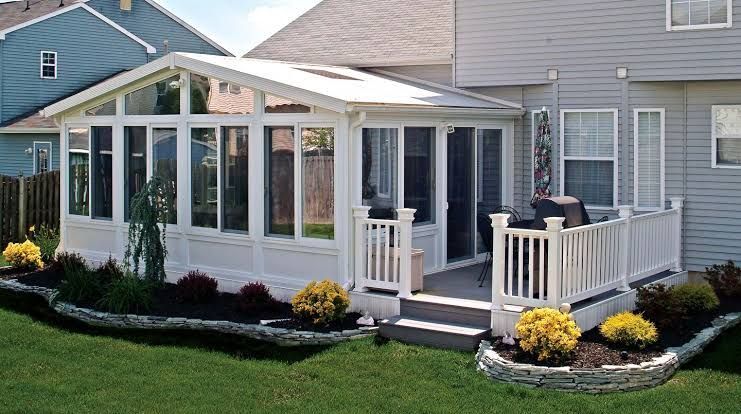
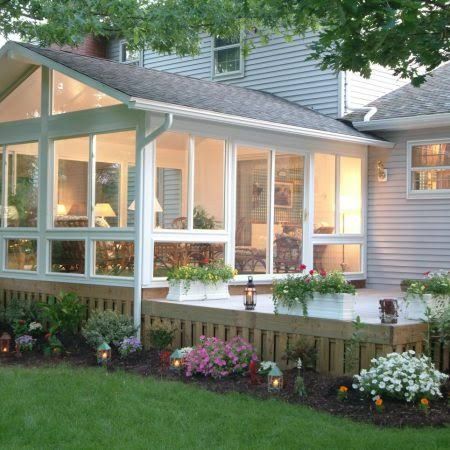
Sunrooms - also called three-season rooms, four-season rooms, or solariums - are specialized additions designed to maximize natural light and outdoor views while providing shelter from the elements.
What Defines a Sunroom?
Sunrooms feature extensive glass windows and doors (typically 60-90% glass), aluminum or vinyl framing systems, insulated or non-insulated construction depending on intended use, and separate or integrated climate control.
Rhode Island sunrooms range from simple three-season spaces used spring through fall to fully insulated four-season rooms functioning year-round.
Three-Season Sunrooms
Three-season sunrooms work beautifully in Rhode Island's temperate months from April through October. Characteristics include single-pane windows or minimal insulation, no dedicated heating or cooling (though portable units work), lower construction costs ($15,000-40,000), and casual, transitional space between indoors and outdoors.
These rooms excel for morning coffee, casual dining, plant displays, and entertaining during pleasant weather. However, Rhode Island's cold winters and hot, humid summers limit their use to roughly half the year.
Four-Season Sunrooms
Four-season sunrooms function as true living space throughout Rhode Island's climate extremes. Features include insulated glass (double or triple-pane), integrated heating and cooling systems, engineered foundations meeting building codes, and full integration with home's architecture and systems.
Costs range from $30,000-80,000 depending on size and features, but these rooms provide year-round functionality comparable to traditional additions.
Sunroom Advantages in Rhode Island
Sunrooms offer compelling benefits including abundant natural light that combats seasonal affective disorder common in New England winters, panoramic views of yards and landscapes, faster construction timelines (4-8 weeks versus 3-6 months for extensions), and lower costs per square foot than traditional construction.
The connection to nature sunrooms provide is particularly valuable in Rhode Island, where beautiful coastal and woodland settings deserve appreciation.
Sunroom Limitations
Sunrooms face inherent constraints including temperature extremes despite climate control (glass conducts heat and cold), limited privacy due to extensive windows, furniture and flooring fading from UV exposure, higher energy costs than conventionally insulated spaces, and less flexibility for furniture placement due to window walls.
In coastal Rhode Island areas like Narragansett and South Kingstown, salt air and intense sun can accelerate wear on sunroom components.
Understanding Home Extensions: Benefits and Limitations
Traditional home extensions expand your living space using conventional construction methods that match your existing home's structure and finishes.
What Defines a Home Extension?
Extensions are permanent additions featuring conventional wall construction with standard insulation, traditional window and door placement (typically 15-30% glass), HVAC integration with home's existing systems, and finishes matching the main house.
Extensions feel like natural parts of your home rather than separate spaces.
Common Extension Types in Rhode Island
Popular Rhode Island extensions include bump-outs adding 50-150 square feet to kitchens or bathrooms, single-story additions ranging from 200-800 square feet for family rooms, kitchens, or master suites, and two-story additions maximizing square footage on constrained urban lots.
Extension Advantages
Traditional extensions provide superior insulation and energy efficiency, unlimited design flexibility for room function, enhanced privacy with conventional walls and window placement, durability matching your home's existing structure, and typically higher return on investment in Rhode Island real estate markets.
Extensions work beautifully for formal living rooms, bedrooms, kitchens, bathrooms, and any space requiring climate control, privacy, or specialized utilities.
Extension Limitations
Extensions carry significant drawbacks including higher costs ($150-400+ per square foot versus $100-250 for sunrooms), longer construction timelines creating months of disruption, more extensive permitting and inspection requirements, and greater impact on existing home during construction.
For budget-conscious Rhode Island homeowners, extensions can feel prohibitively expensive despite their long-term value.
Cost Comparison: Sunrooms vs. Extensions in Rhode Island
Understanding the true cost difference helps you budget realistically and evaluate long-term value.
Three-Season Sunroom Costs
Basic three-season sunrooms in Rhode Island cost $15,000-25,000 for prefabricated kits (10x12 to 12x14), $25,000-40,000 for custom three-season rooms (12x16 to 14x18), and $40,000-60,000 for larger premium spaces with upgraded finishes.
At $100-150 per square foot, three-season sunrooms offer the most economical space addition.
Four-Season Sunroom Costs
Year-round sunrooms command premium pricing at $30,000-50,000 for modest four-season rooms (10x12 to 12x16), $50,000-80,000 for comfortable mid-size spaces (14x18 to 16x20), and $80,000-120,000+ for large luxury sunrooms with high-end features.
Costs typically run $150-250 per square foot depending on specifications and site conditions.
Traditional Extension Costs
Conventional additions in Rhode Island range dramatically based on finishes and complexity. Budget extensions cost $150-250 per square foot for basic finishes and straightforward construction. Mid-range extensions run $250-350 per square foot with quality materials and moderate complexity. High-end extensions cost $350-500+ per square foot for luxury finishes, complex architecture, or challenging sites.
A modest 16x20 foot extension (320 square feet) costs $48,000-112,000, while the same size four-season sunroom costs $30,000-80,000 - a potential savings of $20,000-40,000.
Cost Factors Affecting Both Options
Several variables impact pricing for both sunrooms and extensions including foundation requirements (simple piers versus full basement), site preparation and grading needs, roof complexity and integration with existing structure, utility extensions for electric, HVAC, and plumbing, finish quality and material selections, and Rhode Island permitting and inspection fees.
Urban Providence and Pawtucket projects often cost more due to access constraints and higher labor rates compared to suburban or rural locations.
Long-Term Operating Costs
Consider ongoing expenses beyond initial construction. Sunrooms typically have higher heating and cooling costs due to extensive glass, potential for condensation issues in Rhode Island's humid climate, and UV damage to furnishings requiring replacement.
Traditional extensions offer better energy efficiency with lower long-term utility costs, minimal maintenance beyond standard home upkeep, and better protection for furnishings and flooring.
Climate Considerations for Rhode Island
Rhode Island's four-season climate and coastal location create unique challenges for both sunrooms and extensions.
Winter Challenges
Rhode Island winters bring temperatures regularly dropping to 10-20°F, heavy snow loads averaging 30-40 inches annually, ice dam potential on shallow-pitch roofs, and salt air corrosion in coastal areas.
Four-season sunrooms require robust insulation and heating to remain comfortable. Even well-built sunrooms feel cooler than conventional rooms due to glass area. Extensions with standard wall construction maintain more consistent temperatures.
Summer Conditions
Rhode Island summers feature temperatures reaching 85-95°F with high humidity, intense sun exposure fading furnishings, afternoon thunderstorms, and occasional hurricanes and tropical storms.
Sunrooms can become uncomfortably hot without adequate ventilation, window treatments, and air conditioning. Southern and western exposures are particularly challenging. Extensions with conventional walls and controlled window placement manage heat more effectively.
Coastal Environment
Properties in Narragansett, Westerly, Newport, and other coastal communities face salt air accelerating corrosion of metal components, intense sun and wind exposure, strict Coastal Resources Management Council (CRMC) regulations, and hurricane preparation requirements.
Both sunrooms and extensions need corrosion-resistant materials and robust construction in coastal zones, but sunrooms' extensive metal framing requires extra protection.
Optimal Sunroom Placement in Rhode Island
Strategic orientation maximizes sunroom comfort. East-facing sunrooms capture beautiful morning light while avoiding afternoon heat. North-facing rooms provide consistent light without temperature extremes. South-facing sunrooms maximize winter solar heat gain but require excellent shading for summer comfort.
West-facing rooms often become too hot in Rhode Island summers unless heavily shaded.
Functionality and Use Case Comparison
How you plan to use your new space should drive your decision between a sunroom and extension.
Best Uses for Sunrooms
Sunrooms excel as casual dining rooms with garden views, morning coffee spots and reading nooks, indoor plant rooms and greenhouses, informal entertaining spaces, art studios benefiting from natural light, and yoga or meditation spaces.
Sunrooms create wonderful transitions between indoor comfort and outdoor beauty - perfect for Rhode Island's scenic properties.
Best Uses for Extensions
Traditional extensions work better for formal living and dining rooms, bedrooms requiring privacy and climate control, full bathrooms and powder rooms, expanded kitchens with additional cabinetry and appliances, home offices for professional use, and playrooms or family rooms with electronics.
Any space requiring consistent temperature, privacy, or specialized utilities favors traditional construction.
Mixed-Use Considerations
Many Rhode Island homeowners want spaces that serve multiple purposes. If you envision formal entertaining, hosting overnight guests, installing a bathroom, creating a home theater or media room, or establishing a year-round home office, traditional extensions provide better versatility.
If your primary goals are maximizing natural light, creating plant-friendly environments, enjoying outdoor views year-round, or adding casual living space, sunrooms deliver exceptional value.
Return on Investment in Rhode Island Markets
Both sunrooms and extensions add home value, but returns vary across Rhode Island's diverse real estate markets.
Sunroom ROI
Well-built sunrooms typically return 50-70% of construction costs in added home value. A $50,000 four-season sunroom might add $25,000-35,000 to your home's market value.
Returns are higher in markets where outdoor living and natural light are highly valued, such as coastal communities and suburbs with scenic properties. Returns can be lower in urban Providence where square footage commands premium prices regardless of room type.
Extension ROI
Traditional extensions generally return 60-80% of costs in added value. A $80,000 extension might increase home value by $48,000-64,000.
Functional extensions like expanded kitchens, master suites, and additional bedrooms typically return more than general living space. In competitive Rhode Island markets like East Greenwich, Barrington, and Bristol, quality extensions can approach 80-90% returns.
Market-Specific Considerations
Rhode Island's housing markets vary significantly. In Providence's historic neighborhoods, architecturally sensitive extensions preserving home character command premiums. In suburban Warwick and Cranston, family-friendly additions like expanded kitchens and bedrooms deliver strong returns. In coastal South County, sunrooms capitalizing on ocean views provide excellent value.
Work with local real estate professionals familiar with your specific Rhode Island community to understand market preferences.
Beyond Financial Returns
Both improvements provide lifestyle value beyond dollars. Consider increased daily enjoyment, better functionality for your family's needs, reduced need to move to larger homes, and improved quality of life.
These intangible benefits often outweigh strict financial calculations, especially for homeowners planning to stay long-term.
Permitting and Regulations in Rhode Island
Understanding local requirements prevents costly delays and compliance issues.
Building Permit Requirements
All Rhode Island municipalities require building permits for both sunrooms and extensions. Typical requirements include detailed construction plans, structural engineering stamps for larger projects, site plans showing setbacks and lot coverage, and inspection schedules throughout construction.
Permit costs typically range from $500-2,000 depending on project size and municipality.
Zoning Considerations
Rhode Island zoning regulations affect both project types through setback requirements from property lines (typically 5-20 feet), lot coverage limitations (usually 30-50% maximum), height restrictions for additions, and parking requirements in some jurisdictions.
Dense urban areas in Providence, Pawtucket, and Central Falls often have minimal space for additions, making compact sunrooms attractive alternatives to larger extensions.
CRMC Regulations for Coastal Properties
Properties within 200 feet of coastal features fall under CRMC jurisdiction. Additional requirements include stormwater management plans, coastal setback compliance, flood elevation requirements, and environmental impact assessments.
Both sunrooms and extensions face these requirements, but CRMC review can add 2-3 months to approval timelines.
Historic District Restrictions
Providence's College Hill, Newport's historic areas, and other designated historic districts require design review. Historic commissions evaluate architectural compatibility, appropriate materials and styles, preservation of historic character, and visual impact from public ways.
Extensions typically face stricter scrutiny than sunrooms, though both must demonstrate sensitivity to historic context.
Foundation and Structural Requirements
Four-season sunrooms must meet the same foundation and structural codes as traditional extensions in Rhode Island, including frost-depth footings (48 inches deep), engineered foundations for occupied spaces, and structural calculations for snow and wind loads.
Three-season sunrooms may qualify for lighter foundation requirements as "accessory structures," potentially reducing costs.
Construction Timeline Comparison
Understanding project duration helps you plan for disruption to your household.
Sunroom Construction Timeline
Prefabricated sunroom kits install in 2-4 weeks from permit approval to completion. Custom three-season sunrooms take 4-8 weeks including site preparation, foundation work, framing and enclosure, and finish work.
Four-season sunrooms require 6-12 weeks due to more extensive foundation requirements, HVAC integration, and finish details.
Rhode Island weather can delay sunroom construction, particularly in winter when foundations can't be poured during freezing temperatures.
Extension Construction Timeline
Traditional extensions take substantially longer. Simple bump-outs complete in 8-12 weeks, single-story additions require 12-20 weeks, and complex or two-story extensions take 20-30+ weeks.
Timeline includes permitting and approvals (2-8 weeks), foundation and framing (3-6 weeks), exterior envelope completion (2-4 weeks), mechanical, electrical, and plumbing rough-in (2-3 weeks), insulation and drywall (2-3 weeks), and finish work including flooring, trim, painting (3-5 weeks).
Seasonal Considerations
Rhode Island's construction season peaks from April through October when weather is most cooperative. Winter construction is possible but slower and potentially more expensive.
Plan sunroom projects for spring or early summer to ensure completion before cold weather. Extensions begun in spring typically complete by fall, while summer starts may extend into winter.
Living Through Construction
Sunrooms typically connect to existing homes through single doorway additions, minimizing disruption to daily life. You'll experience noise and activity outside but your home's interior remains largely intact.
Extensions often require opening existing walls, temporarily losing access to parts of your home, and dealing with dust, noise, and worker presence inside your house for weeks or months.
Energy Efficiency and Sustainability
Rhode Island's push toward energy efficiency and sustainability affects both sunroom and extension projects.
Sunroom Energy Performance
Modern sunrooms incorporate energy-efficient features including low-E glass coatings reducing heat transfer, argon or krypton gas fills between panes, insulated frames and panels, and thermal breaks preventing heat conduction.
Despite these improvements, sunrooms lose more heat in winter and gain more in summer than conventional walls. Expect heating and cooling costs 30-50% higher per square foot than traditional living space.
Extension Energy Performance
Well-built extensions meet or exceed current Rhode Island energy codes through high-performance insulation (R-19 to R-21 walls, R-49+ attic), energy-efficient windows (U-factor 0.30 or better), proper air sealing, and efficient HVAC integration.
Extensions can actually improve whole-house energy performance when they include efficiency upgrades to existing home areas.
Rhode Island Energy Incentives
Rhode Island Energy (formerly National Grid) offers incentives for energy-efficient construction including rebates for high-efficiency heating and cooling equipment, incentives for superior insulation performance, and financing for comprehensive energy improvements.
Both sunroom and extension projects may qualify, though extensions typically offer more opportunities for incentive-eligible improvements.
Solar Considerations
South-facing sunrooms and extensions provide excellent opportunities for solar panel installation. Consider roof pitch and orientation conducive to solar, structural capacity for panel weight, and electrical infrastructure for solar integration.
Solar panels can offset increased energy consumption from added space, particularly valuable for sunrooms with higher heating and cooling loads.
Design and Aesthetic Considerations
How your addition looks matters as much as how it functions, especially in Rhode Island's architecturally rich communities.
Integrating Sunrooms with Home Architecture
Successful sunroom integration requires matching or complementing rooflines, selecting frame colors coordinating with trim and siding, scaling proportions to home's size, and positioning that enhances rather than disrupts existing architecture.
Sunrooms attached to traditional colonial, Victorian, or Cape Cod homes can look jarring if not carefully designed. Work with experienced designers who understand Rhode Island's architectural context.
Integrating Extensions with Existing Homes
Extensions should appear as original parts of your home through matching exterior materials and colors, continuing architectural details and trim, maintaining consistent window styles, and aligning rooflines and ridges.
Rhode Island's mix of historic and contemporary homes requires sensitive addition design. Poorly conceived extensions harm both aesthetics and property values.
Material Selection
Choose materials appropriate for Rhode Island's climate and your home's style. For siding, fiber cement offers excellent durability and low maintenance. For roofing, architectural shingles should match existing roof. For windows, vinyl or fiberglass frames provide good performance at reasonable cost.
Coastal properties benefit from corrosion-resistant materials including aluminum or stainless steel hardware, marine-grade fasteners, and moisture-resistant trim.
Interior Design Flexibility
Extensions offer unlimited interior design options with standard ceiling heights, conventional wall construction for hanging art and shelving, flexible lighting placement, and any flooring type.
Sunrooms constrain design through limited wall space for furniture placement, flooring needing UV resistance, lighting working around glass, and accommodating temperature fluctuations.
Making Your Decision: Key Questions to Ask
Choose between a sunroom and extension by honestly answering these critical questions.
How Will You Use the Space?
If your primary goal is enjoying natural light, views, and connection to outdoors during pleasant weather, a three-season sunroom may suffice. For year-round living space functioning like other rooms in your home, consider four-season sunrooms or traditional extensions.
What's Your Budget?
If budget is tight, three-season sunrooms deliver the most square footage per dollar. With moderate budgets, four-season sunrooms balance cost and functionality. Larger budgets enable traditional extensions with superior long-term performance.
How Long Will You Stay?
Short-term homeowners (3-7 years) should prioritize ROI, often favoring extensions in strong Rhode Island markets. Long-term homeowners (10+ years) can emphasize personal enjoyment over resale value, making sunrooms attractive for the lifestyle benefits they provide.
What Are Your Property Constraints?
Tight urban lots in Providence and Pawtucket may favor compact sunrooms over extensions. Suburban properties with ample yard space accommodate either option. Coastal properties under CRMC jurisdiction face similar requirements for both but sunrooms may navigate approvals more easily as less substantial structures.
What's Your Climate Control Priority?
If maintaining consistent 68-72°F temperatures year-round is essential, traditional extensions outperform sunrooms. If you can tolerate 60°F winter mornings and 80°F summer afternoons in exchange for abundant natural light, sunrooms work beautifully.
What Does Your Home's Architecture Suggest?
Historic homes often integrate better with traditional extensions matching original architecture. Contemporary homes embrace sunrooms as modern design elements. Colonial and Cape Cod styles work with both depending on design sensitivity.
Hybrid Solutions: The Best of Both Worlds
Some Rhode Island homeowners discover that combining elements of sunrooms and extensions creates ideal solutions.
Four-Season Sunrooms with Solid Roof Sections
Hybrid designs incorporate extensive windows on three sides for light and views, solid insulated roof sections for better temperature control and energy efficiency, conventional walls on one side for privacy and furniture placement, and integrated HVAC providing true year-round comfort.
These hybrids cost slightly more than standard sunrooms but significantly less than full extensions while offering benefits of both.
Extensions with Abundant Windows
Design extensions with generous window placement capturing sunroom ambiance while maintaining conventional construction benefits. Features include floor-to-ceiling windows on one or two walls, sliding glass doors opening to patios or decks, skylights flooding interiors with natural light, and conventional insulated walls ensuring energy efficiency.
Staged Construction
Budget-conscious homeowners can build in phases, starting with three-season sunrooms for immediate enjoyment and space, then upgrading to four-season specifications as budget allows, or eventually converting to full extensions by adding conventional walls.
Choosing What's Right for Your Rhode Island Home
The choice between a sunroom and home extension depends on your unique combination of budget, intended use, property characteristics, and personal preferences. There's no universally "best" option - only the best option for your specific situation.
Whether you're dreaming of a sun-drenched breakfast room overlooking your East Greenwich gardens, a comfortable year-round living space in Warwick, or a traditional family room extension in Cranston, Rhode Island's experienced contractors can bring your vision to life.
Ready to explore whether a sunroom or home extension is the perfect addition for your Rhode Island home?
Rockhouse Construction is ready to help. Our team has designed and built beautiful sunrooms and extensions throughout Providence, Warwick, Cranston, and across the Ocean State.
Contact us today for a free consultation, and let's discuss which option best suits your home, budget, and lifestyle.