

Best Time for Rhode Island Businesses to Book Snow Removal
Rhode Island winters don't wait for anyone, and neither should your snow removal plan. The best time to book snow removal services in Rhode Island is during September and the first half of October, well before the first real snowfall typically arrives in late November. Getting your contract signed early means you're not scrambling to find a contractor once the forecast turns grim, and it usually means better pricing too.
This guide looks at why early booking matters, what the Rhode Island booking timeline actually looks like, and what business owners should check before signing anything.
Why Booking Early Actually Matters
Snow removal contractors across Rhode Island have limited capacity. Trucks, plows, and crews can only cover so much ground during a single storm, and once a contractor's schedule fills up, it's full. Waiting until the first snowfall to start calling around often means you're left with whoever has availability left, not necessarily the provider best suited to your property.
Rhode Island's winter weather doesn't follow a strict pattern either. Some years bring an early November storm that catches property owners off guard. Other years stay quiet until January before delivering back to back nor'easters. Because the timing is never guaranteed, locking in a contract before the season starts is the only way to be sure you're covered regardless of what the weather does.
There's also a practical cost angle. Contractors who are booking in September and early October are often still building out their season and are more flexible on pricing and scheduling. By the time snow is already on the ground, that flexibility tends to disappear.
The Rhode Island Snow Removal Booking Timeline
Generally speaking, the booking window for Rhode Island snow removal services breaks down into a few distinct stages.
September through mid-October is when most contractors have their fullest availability. This is the window to lock in your preferred schedule, discuss specific property needs, and get everything documented before demand picks up.
Mid-October through the end of the month still offers reasonable availability in most areas, though your choice of contractor may be narrower and some scheduling flexibility is lost.
November through the first snowfall is when things tighten up. Many contractors are already close to their seasonal capacity, and new clients may face longer wait times or fewer options.
After the first snowfall hits, availability becomes unpredictable. Contractors with existing seasonal clients are focused on servicing those properties first, and anyone starting from scratch at this point may be stuck without reliable coverage until a provider has room.
None of this means it's impossible to find a contractor later in the season. It just means the odds of getting your preferred terms, pricing, and response times go down the longer you wait.
What a Good Snow Removal Agreement Should Include
Before signing with any provider, it helps to know what a properly structured agreement looks like. A few things worth checking:
- Trigger depth - the snowfall amount that sets off a service visit, often somewhere around two inches
- Response time - how quickly the contractor commits to arriving once the trigger depth is met
- Service area - exactly which parts of the property are covered, including walkways and entrances
- Insurance - confirmation of current liability coverage, since snow removal work carries real risk if something goes wrong on your property
Business owners in particular should understand how local rules factor into this. Rhode Island municipalities have specific timeframes for clearing sidewalks and public areas adjacent to a commercial property, and falling behind on those requirements can lead to fines or liability exposure. Our breakdown of snow removal legal requirements for Rhode Island business owners covers what's expected in more detail, including how quickly sidewalks need to be cleared after a storm ends.
If you're specifically weighing up contract types for a commercial property, our guide to commercial snow removal contracts in Providence walks through seasonal, per-storm, and hybrid pricing structures, along with what typically drives the cost up or down.
Regional Differences Across Rhode Island
Rhode Island is a small state, but local conditions still vary enough to affect snow removal planning.
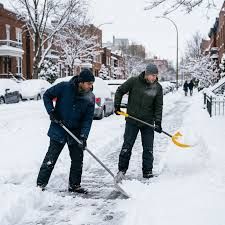
Coastal communities often deal with ice storms alongside snow, which changes how a property needs to be treated. Inland and higher elevation areas, such as Scituate, tend to see heavier accumulation than the coast and are often lower on the priority list when municipal crews are clearing main roads first. That's part of why private property owners in these areas benefit from having their own dedicated contractor rather than relying on general town response.
If your property sits in this part of the state, our page on commercial snow removal in Scituate covers what's involved for properties with longer driveways and rural access points.
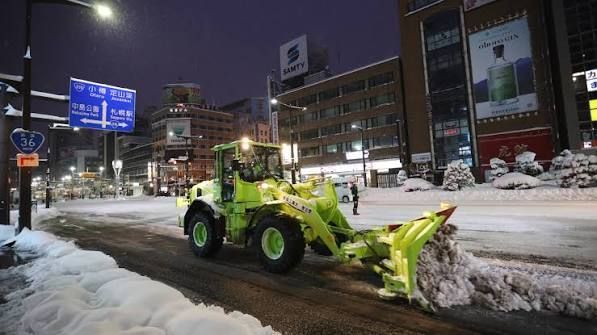
Urban areas like Providence face a different challenge, with limited space to store cleared snow and parking restrictions that kick in during declared snow emergencies. Properties in these dense areas often need contractors who are familiar with navigating tight downtown conditions quickly.
Signs of a Reliable Contractor
Not every snow removal provider operates the same way, and it's worth being cautious of a few red flags:
- Requests for full payment before any work has been done
- No proof of current insurance
- Vague or verbal only agreements with nothing in writing
- Pricing that seems noticeably lower than other quotes without a clear reason
A legitimate contractor should be able to provide a written agreement, confirm their insurance coverage, and give you a clear explanation of how their trigger depth and response times work. Taking the time to ask these questions during the September booking window, rather than during a storm, puts you in a much stronger position.
Getting Ready Before the Season Starts
A few simple steps can make the start of the season smoother once your contract is in place. Walk the property with your contractor beforehand so both sides understand exactly what's being cleared. Mark any landscaping, irrigation lines, or other features that need to be avoided.
Confirm how you'll communicate during a storm, whether that's a phone call, text, or email, and make sure someone on your end is reachable if an issue comes up.
Final Thoughts
The best time to book snow removal in Rhode Island is before the weather forces your hand. Reaching out in September or early October gives you access to better availability, more negotiating room on pricing, and the peace of mind that your property is covered no matter what the winter brings. Waiting until the first flakes fall puts you at the back of the queue, often with fewer options and higher costs.
Rockhouse Construction provides snow and ice management services across Rhode Island, including properties in Providence, Scituate, and surrounding communities. If you're ready to lock in your plan for the upcoming winter, get in touch to discuss your property's needs before the season fills up.
Rhode Island Snow Removal Booking Planner
Find out when to arrange your commercial snow removal service and check whether your property and contractor agreement are ready for the upcoming Rhode Island winter.
Contract Readiness Checklist
Your Snow Removal Booking Assessment
Contract readiness:
Recommended next steps:
This assessment is a general planning guide based on the booking timeline and preparation recommendations in this article. Actual contractor availability depends on seasonal demand, existing commitments, and local weather conditions.
Frequently Asked Questions
When should I book snow removal services in Rhode Island?
September through mid-October is the ideal window. Contractors have the most availability during this period, and booking early typically means better pricing and more flexible scheduling.
What happens if I wait until after the first snowfall to book?
Availability becomes far less predictable. Many contractors are already serving existing clients by that point, and new sign ups may face longer wait times or limited service options.
Do commercial properties in Rhode Island have legal snow removal deadlines?
Yes. Local ordinances generally require sidewalks to be cleared within a set number of hours after a storm ends. Requirements vary by municipality, so it's worth checking what applies to your specific property.
Does location within Rhode Island affect snow removal planning?
It can. Inland and higher elevation areas often see heavier snowfall than coastal regions, while dense urban areas face different challenges around snow storage and parking restrictions during storms.