

Deck Repair vs Deck Replacement: A Rhode Island Guide
Choosing between deck repair and deck replacement in Rhode Island depends on your deck's age, the extent of structural damage, and how repair costs compare to full replacement. As a general guide, repair makes sense for decks under 10 years old with limited damage, while replacement is usually the better option once a deck passes 15 years or repair costs climb above half the price of a new build.
Rhode Island's coastal climate puts decks through a lot. Salt air, humidity, freeze-thaw cycles and the occasional hurricane all take a toll on timber and fasteners over time. For homeowners noticing sagging boards, loose railings or general wear, the decision between deck repair and deck replacement often comes down to cost, safety and how long the structure is expected to last.
This guide walks through the signs to look for, how much each option typically costs in Rhode Island, and which factors tend to tip the decision one way or the other.
Why Rhode Island's Climate Matters for Deck Longevity
Decks here face a different set of pressures compared to inland states. A few of the main contributors to wear include:
- Salt air exposure. Coastal properties see faster corrosion of metal fasteners and hardware, which can weaken connections over time.
- Freeze-thaw cycles. Rhode Island winters cause timber to expand and contract repeatedly, which can loosen joints and create small cracks.
- High humidity. Warmer, damper months create conditions where mould, mildew and rot can take hold in untreated or ageing timber.
- Storm activity. Strong coastal weather can cause sudden structural damage that needs prompt assessment.
Understanding these factors helps explain why a 10-year-old deck in Rhode Island might need more attention than a similar-aged deck somewhere with a milder, drier climate.
Signs Your Deck Needs Repair, Not Replacement
Not every issue calls for a full rebuild. In many cases, targeted repairs can extend a deck's life for years.
Minor repair indicators
These are generally lower-cost fixes and often don't affect the structure itself:
- Loose or popped fasteners, which are common after temperature swings
- Surface staining or discolouration from salt air and humidity
- Individual warped boards that can be swapped out on their own
- Squeaky or slightly loose railings that just need tightening
Moderate repair indicators
A few issues at once might mean a bigger job, but it's still short of full replacement:
- Several boards showing movement or visible gaps
- Fading or peeling paint and stain, suggesting the protective coating has worn through
- Small areas of rot limited to decking boards rather than support beams
- Wobbly railings that need reinforcing
If you're trying to work out what a repair job might cost before calling a contractor, this breakdown of deck repair costs in Rhode Island covers typical pricing by issue type.
Signs Your Deck Needs Replacement
Some problems go beyond what a repair can reasonably fix, particularly when the structure itself is compromised.
Structural and safety concerns
- Sinking or shifting support posts
- Cracked or separated concrete footings
- Railings that no longer meet current building code requirements
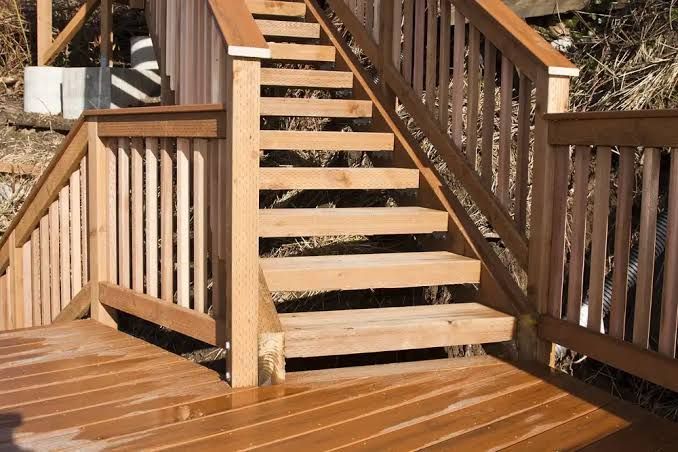
- Unsafe or unstable stairs
Extensive rot or age
Rhode Island's humidity makes rot a genuine risk, especially in support beams and joists rather than just surface boards. A deck older than 15 years showing several of these issues at once is usually a stronger candidate for full replacement than ongoing patch repairs.
When repair costs don't add up
If you're facing multiple problems at the same time, such as rot, outdated railings and worn decking, the combined repair bill can approach or exceed the cost of starting fresh. In these cases, replacement tends to offer better value over the long run.
Comparing Repair and Replacement Costs in Rhode Island
Costs vary depending on deck size, materials and the scope of the work, but general ranges look like this:
Repairs:
- Minor repairs: roughly $200 to $800
- Moderate repairs: roughly $800 to $2,500
- Major repairs: roughly $2,500 to $5,000
Replacement:
Full deck replacement in Rhode Island typically falls between $4,000 and $11,000, with many homeowners landing around $7,000 depending on size and material choice.
A useful rule of thumb: if repair costs are approaching half the price of a full replacement, it's worth getting a replacement quote before committing to patchwork fixes.
For example, a deck with $4,500 in repair estimates against an $8,000 replacement quote is a case where replacement is likely to offer better long-term value, since the repair cost sits above 50 percent of a new build.
Material Considerations
The material your deck is built from affects both repair feasibility and replacement decisions.
Pressure-treated pine is generally the most cost-effective to repair, since materials are widely available and matching existing boards is straightforward.
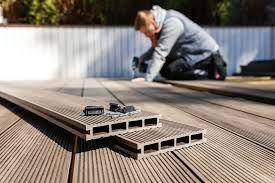
Composite decking holds up well against Rhode Island's humidity and doesn't need regular staining or sealing, which is why many homeowners choose to replace ageing timber decks with composite when the time comes. If you're weighing up composite options, this guide to Trex deck replacement in Rhode Island outlines what to expect from the switch.
Cedar and other hardwoods often come with higher material costs for matching repairs, but given the investment already made, repair is frequently worth pursuing rather than a full rebuild.
Coastal vs Inland Properties
Location within Rhode Island also plays a part in the decision. Homes within a few miles of the coast face faster weathering and higher storm exposure, which can shift the balance toward replacement sooner, particularly when upgrading to more weather-resistant materials. Inland properties tend to see less aggressive wear, so standard repairs often last longer before replacement becomes necessary.
What a Professional Assessment Covers
A qualified deck builder will typically check:
- Structural integrity, including foundation stability and joist condition
- Safety compliance with current Rhode Island building codes, covering railing height and stair safety
- A cost-benefit comparison between repair and replacement, including expected lifespan and future maintenance
Permits are often required for structural repairs or full replacements under Rhode Island building codes, so it's worth confirming requirements before work begins.
Making the Decision
As a general checklist, repair is usually the right call when:
- The deck is under 10 years old
- Issues are cosmetic or minor
- The foundation and structure are sound
- Repair costs stay below roughly 40 percent of replacement cost
Replacement tends to make more sense when:
- The deck is over 15 years old
- Multiple structural issues are present
- Safety concerns exist
- Repair costs exceed roughly 50 percent of replacement cost
- The current deck no longer meets building code requirements
Homeowners in Exeter and surrounding areas can get a tailored assessment from local Exeter, RI deck builders who understand the specific conditions affecting decks in that part of the state.
Final Thoughts
The deck repair vs deck replacement decision in Rhode Island comes down to a few consistent factors: the age of the structure, the extent of damage, and whether repair costs start closing in on the price of a new build.
Coastal exposure, material type and current building code compliance all add weight to one side or the other. Getting a professional assessment before deciding is the most reliable way to avoid spending money on repairs that won't hold up, or replacing a deck that still had years of life left in it.
Rhode Island Deck Assessment
Deck Repair vs Replacement Calculator
Determine whether repairing your existing deck or planning a replacement is the more sensible next step. Assess its age, damage, structural condition, and estimated project amounts.
Assess Your Existing Deck
Select the options that best describe your deck. Enter estimates if you already have them.
Your Deck Assessment Results
Recommended next step
Assessment completeRepair or replacement review
Your Recommended Next Steps
This calculator is a preliminary planning tool, not a structural inspection. A deck with sagging, shifting supports, failing footings or unstable stairs needs professional assessment before use. Actual repair feasibility depends on the condition of the frame, ledger connection, foundations, code compliance and the scope of work required.
Frequently Asked Questions
How long does a deck typically last in Rhode Island?
Most timber decks last between 10 and 15 years before structural issues become common, though this varies based on material, maintenance and exposure to coastal weather.
Is it cheaper to repair or replace a deck?
Repair is usually cheaper in the short term, but if repair costs exceed roughly half the price of replacement, a full rebuild often works out better value over time.
Do I need a permit to repair or replace a deck in Rhode Island?
Structural repairs and full replacements typically require a permit under Rhode Island building codes. Minor cosmetic repairs, such as staining or tightening fasteners, usually don't.
Can I repair a deck myself?
Surface cleaning, staining and minor fastener tightening are reasonable DIY tasks. Structural repairs, foundation work and major safety upgrades should be handled by a licensed professional.
What's the best time of year to repair or replace a deck in Rhode Island?
Late spring is a good time to assess winter damage and carry out repairs before summer use. Late summer through early autumn tends to suit replacements, with better contractor availability before winter weather sets in.