

Garage with Loft or Apartment in Rhode Island: Costs and Rules for 2026
A garage with loft or apartment in Rhode Island gives homeowners a practical way to add rental income, house a family member, or create a private guest space without the cost of a full home addition. With Rhode Island's median home price sitting well above $400,000 and rental demand holding steady across Providence, Warwick, and the surrounding towns, a garage apartment is one of the more realistic ways to add value to an existing property.
This guide covers what the state requires, what a project typically costs in 2026, and what homeowners should check before committing to a design.
What Is a Garage with Loft or Apartment?
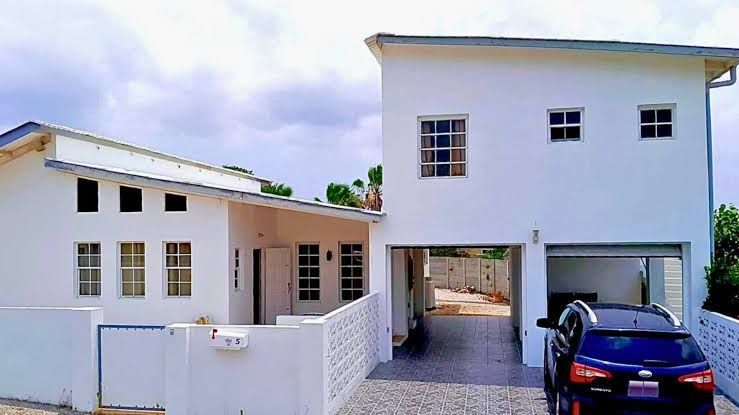
A garage with loft or apartment is a two-storey structure that combines ground-floor vehicle storage with a self-contained living space above. In Rhode Island, this type of build falls under the state's accessory dwelling unit (ADU) rules once it includes a kitchen, bathroom, and sleeping area. That classification matters because it brings the project under a specific set of zoning and building code requirements that don't apply to a garage used only for storage or a workshop.
Homeowners sometimes weigh a full garage apartment build against a simpler garage-to-studio conversion. If you already have a garage and are deciding whether a full second-storey apartment or a ground-floor studio suits your property better, our guide on converting a garage into a studio apartment in Rhode Island walks through that comparison in more detail.
Rhode Island Zoning Rules for Garage Apartments
Rhode Island's statewide ADU law requires municipalities to permit accessory dwelling units in most residential zones, though each city and town layers its own conditions on top of that baseline.
Common state-level conditions include:
- A maximum living area, typically around 1,200 square feet
- The unit must sit on the same lot as the primary residence
- The owner must occupy either the main house or the ADU
- The ADU cannot be sold separately from the main property
Local requirements vary from one municipality to the next. Providence generally allows ADUs citywide with a standard permit. Warwick requires a special use permit in most zones. Newport applies stricter limits within its historic districts. Cranston bases its size allowance on the lot size, and Pawtucket has streamlined its approval process in recent years to reduce wait times.
Because these rules shift by town, it is worth confirming zoning eligibility with the local building department before any design work begins. A contractor familiar with your specific municipality, such as our Coventry garage construction team, can also help confirm what applies to your address.
Setback, Height, and Parking Requirements
Most Rhode Island municipalities apply the following baseline standards, though exact figures depend on the zone:
- Side setbacks of 10 to 20 feet from the property line
- Rear setbacks of 25 to 40 feet, depending on the zoning district
- A maximum structure height of around 35 feet in residential areas
- Total lot coverage capped at 30 to 40 percent
Parking requirements typically call for at least two spaces for the garage itself, plus one additional space per bedroom in the apartment. Paved surfaces need proper drainage, and driveway access must not obstruct neighbouring properties.
Building Code Requirements for Rhode Island Garage Apartments
Rhode Island follows a modified version of the International Residential Code, with state-specific amendments that apply directly to garage apartment construction.
Structural and fire safety requirements include concrete footings placed below the frost line (roughly four feet), proper foundation drainage, and vapour barriers to manage moisture. Fire safety rules require two means of egress from the apartment, fire-rated separation between the garage and the living space above, interconnected smoke detectors, and carbon monoxide detectors throughout the unit.
Electrical and plumbing standards generally call for a separate electrical service for the apartment, GFCI protection in wet areas, and arc-fault protection in bedrooms. On the plumbing side, most municipalities require proper connections to the municipal sewer or an approved septic system, along with backflow prevention devices.
Energy code requirements in Rhode Island have tightened in recent years and now typically call for wall insulation around R-21, ceiling insulation around R-49, Energy Star rated windows, and correctly sized HVAC systems. Given Rhode Island's coastal climate, proper insulation and air sealing make a real difference to comfort and running costs over the life of the building.
What Does a Garage Apartment Cost in Rhode Island in 2026?
Construction costs depend heavily on size, finish level, and location, but a typical 24x28 garage with an 800 square foot apartment above breaks down roughly as follows:
- Foundation: $8,000 to $12,000
- Framing: $15,000 to $25,000
- Roofing: $8,000 to $15,000
- Electrical: $8,000 to $15,000
- Plumbing: $10,000 to $18,000
- Insulation: $4,000 to $7,000
- Interior finishing (drywall, flooring, kitchen, bathroom): $41,000 to $77,000
- HVAC: $8,000 to $15,000
This puts a standard build in the range of $105,000 to $195,000, with coastal areas such as Newport and Washington County running 10 to 25 percent higher due to labour costs and additional construction requirements for wind and moisture resistance.
Popular Sizes and Layouts
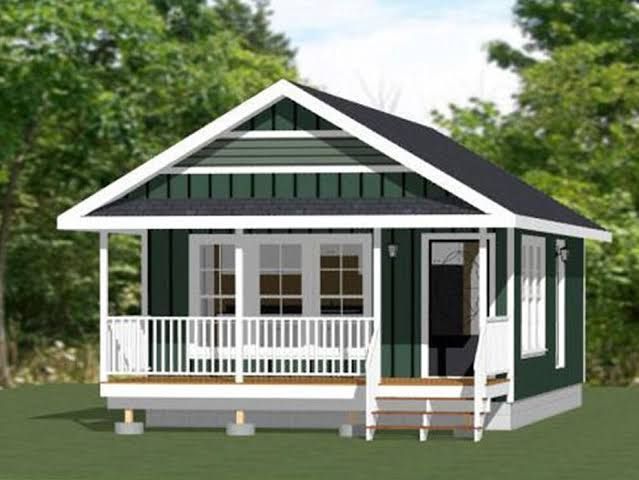
- A 24x28 garage with a one-bedroom apartment (800 to 900 square feet) typically costs $120,000 to $180,000.
- A 30x30 garage with a two-bedroom apartment (1,100 to 1,200 square feet) typically costs $150,000 to $220,000.
- A larger 28x40 garage with a maximum-size apartment near the 1,200 square foot ADU limit typically runs $175,000 to $250,000.
If your property has enough width, it is also worth weighing a two-storey design against a single-storey garage with a separate living structure. Our comparison of two-storey versus one-storey garage builds in Rhode Island covers the cost and space trade-offs between the two approaches.
The Rhode Island Permit Process for Garage Apartments
Getting a garage apartment approved in Rhode Island generally follows this sequence:
- Confirm zoning eligibility for an ADU on your specific lot
- Complete a site survey to verify setbacks
- Arrange soil testing if a septic system is involved
- Submit architectural plans and a formal building permit application
- Go through zoning compliance and plan review, which usually takes two to four weeks
- Pay permit fees, typically between $2,000 and $8,000 depending on the municipality
- Receive permit approval, with the full process generally taking four to twelve weeks
During construction, expect inspections at the foundation, framing, electrical rough-in, plumbing rough-in, insulation, and final stages before a certificate of occupancy is issued.
Rental Income and Return on Investment
Rental demand for garage apartments remains strong across the state. In the Providence area, a one-bedroom unit typically rents for $1,200 to $1,800 a month, while Newport County commands $1,400 to $2,000. Suburban towns such as Warwick and Cranston tend to sit slightly lower, in the $1,000 to $1,500 range.
Using a $150,000 construction cost and $1,400 monthly rent as an example, annual rental income comes to around $16,800, with operating expenses of $3,000 to $5,000. That leaves a net annual return in the range of 7.9 to 9.2 percent, before factoring in the added property value a permitted garage apartment typically brings.
Common Mistakes to Avoid
A few recurring issues cause delays or added cost on garage apartment projects:
- Starting design work before confirming current zoning rules
- Underestimating the budget by skipping a contingency allowance
- Skipping permits or cutting corners on code compliance
- Overlooking insurance updates needed once the unit is rented out
- Not accounting for Rhode Island's landlord-tenant laws before leasing the space
Planning Your Garage Apartment Project
A garage with loft or apartment in Rhode Island can be a solid long-term investment when the zoning fits the property, the build meets current code, and the budget accounts for the state's specific requirements. Getting the permitting and design right from the outset avoids costly rework later, and working with a contractor who understands local building departments makes the process considerably smoother from start to finish.
Garage Apartment Calculator
Estimate your garage apartment project budget, permit allowance, coastal adjustment, rental income, and simple annual return.
1. Choose Your Garage Layout
Start with one of the common Rhode Island layouts from this guide.
This planning range combines the article's example builds, permit allowance, finish selection, contingency, and location adjustment.
Rental Income Snapshot
Based on the monthly rent and annual operating allowance entered above.
This is a simple planning calculation based on the midpoint of the estimated project range and does not account for financing, vacancy, taxes, insurance, maintenance, appreciation, or selling costs.
Project Planning Checks
Your apartment is within the commonly cited 1,200 sq ft planning limit.
Plan for additional parking based on the number of bedrooms and local zoning.
Confirm zoning eligibility, setbacks, parking, utility connections, and inspection requirements with the municipality before construction.
Verify the applicable owner-occupancy and ADU requirements for your specific property.
Frequently Asked Questions
How much does it cost to build a garage apartment in Rhode Island?
Most projects fall between $105,000 and $250,000, depending on size, finish level, and location. Coastal areas typically run higher due to labour and construction requirements.
Do I need a permit to build a garage apartment in Rhode Island?
Yes. Every municipality requires a building permit, and because the finished space qualifies as an accessory dwelling unit, zoning approval is also required.
Can I rent out a garage apartment in Rhode Island?
Yes, provided the unit meets local ADU rules, including owner-occupancy requirements and parking provisions, and has passed final inspection for a certificate of occupancy.
How long does the permit and construction process take?
Permitting typically takes four to twelve weeks, and construction generally adds another three to six months, depending on size and complexity.
Does a garage apartment add value to a Rhode Island property?
Generally, yes. A permitted garage apartment tends to add measurable value, particularly in areas with strong rental demand, though the actual figure depends on location and construction quality.
Rockhouse Construction works with homeowners across Rhode Island on garage apartment projects, from initial zoning checks through to final inspection. Contact us to discuss whether a garage with loft or apartment is a practical fit for your property.