

Patio ROI in Rhode Island: What Homeowners Should Know Before Building
A well-built patio in Rhode Island typically recovers 55% to 80% of its cost at resale and can lift overall home value by 15% to 20% when paired with solid hardscaping.
Patio ROI depends heavily on material choice, proper drainage, and how well the design fits the home and neighbourhood, not on how custom or elaborate the space looks.
If you're weighing up whether a patio is worth the investment, the short answer is that it usually is. A patio is one of the few home improvements that pays off twice: once in everyday use and again when you sell.In Rhode Island specifically, where inventory stays tight and buyers compete for move-in ready homes, outdoor living space carries extra weight.
This guide covers what current data shows about patio ROI, which materials hold up in our climate, and what actually moves the needle on resale value across Providence, Warwick, Cranston, Newport, and Westerly.
How Much Value Does a Patio Add to a Rhode Island Home?
A patio recoups a solid share of its cost at resale, and well-executed hardscaping overall can add 15% to 20% to a home's value. Patios tend to sit near the top of outdoor projects for cost recovery because they add usable living space without the maintenance demands of a pool or the structural upkeep of a deck.
Reported ROI figures vary depending on the source and the specifics of the project. Some contractor reporting puts patio ROI above 80%, while other industry analysis places a professionally designed patio closer to 55% to 70%, depending on material quality, design complexity, and location.
The National Association of Realtors has consistently found that outdoor projects deliver some of the strongest returns available to homeowners, sometimes matching or exceeding a kitchen remodel.
In practical terms, a properly built patio rarely turns into a money pit. It's one of the few upgrades that pays you back in daily use now and resale value later.
Patio ROI Compared to Other Outdoor Projects
Here's how patios generally stack up against related hardscape and outdoor projects:
- Paver and stone patios: roughly 55% to 80%+ cost recovery, among the strongest of any outdoor project
- Overall hardscaping impact: often a 15% to 20% lift in home value when done properly
- Decks: commonly cited around 70% to 75% ROI, slightly behind patios in most markets
- Fire features and built-in seating: strong lifestyle appeal but more variable return, generally stronger in higher-end homes
- Highly personalised features, such as elaborate seat walls or oversized fire pits, can see returns drop to 0% to 25% if they're too specific to appeal to the next buyer
The pattern holds across most markets: clean, well-proportioned, broadly appealing patios return the most. Features built for one household's taste rather than general appeal tend to return the least. If resale value matters to you, build for the next buyer, not only for this summer.
Why Patios Perform Well in Rhode Island's Housing Market
Rhode Island currently operates as a seller-friendly market with limited housing supply, which affects how much a patio can influence a sale. Recent housing data shows the state holding roughly two months of supply, well under the five to six months generally considered a balanced market. Homes move quickly, and buyers often compete for properties that are ready to move into without additional work.
In a market like this, small differentiators carry real weight. A finished outdoor living space can be the reason a listing draws multiple offers instead of sitting unsold. Rhode Island home values have also held firm, with typical home values sitting in the mid $400,000s, so the dollar value behind a 15% to 20% hardscape lift is meaningful.
A few local factors make patios particularly relevant here:
- Rhode Islanders make the most of a relatively short outdoor season, roughly May through October, so usable outdoor space is valued highly by buyers
- Coastal and suburban areas, particularly Newport County and South County, attract lifestyle-focused and second-home buyers who expect finished outdoor living areas
- In a competitive market, buyers generally pay more for move-in ready homes and discount properties that still need work
What Patio Material Holds Up Best in Rhode Island's Climate?
Material choice has a direct effect on whether a Rhode Island patio holds its value over time. Our freeze-thaw cycles are tough on hardscaping. Water gets into joints and small cracks, freezes, expands, and gradually damages anything not built to handle it. Choosing the right material protects both the look of the space and its long-term resale value.
Materials that tend to hold up and appeal to Rhode Island buyers include:
- Concrete pavers: durable, freeze-thaw resistant, and repairable one unit at a time. They suit a wide range of home styles, from a Cranston ranch to a Newport colonial.
- Natural stone, such as bluestone or granite: a premium look that appeals strongly in higher-end markets like Newport, Barrington, and South County. Higher upfront cost, but strong perceived value.
- Clay brick: classic New England character that fits historic homes in Providence and the East Bay. Durable when properly installed.
- Poured concrete: lower upfront cost but prone to cracking in freeze-thaw conditions and harder to repair, which can work against long-term value.
- Gravel or loose stone: a reasonable choice for pathways but generally the weakest option for a primary patio surface at resale.
For most homeowners balancing cost, durability, and resale value, a properly installed paver patio on a correctly prepared base offers the strongest overall outcome.
The base and drainage work underneath the patio matter just as much as the surface material. A well-chosen material installed over a poor base will shift and heave within a few winters, which quickly erodes the return on the project.

Which Patio Features Actually Boost Home Value?
Not every addition delivers the same return. Features that feel broadly useful and low maintenance tend to perform well. Features that feel niche or demand ongoing upkeep tend not to. If resale value is a priority, these elements are worth prioritising:
- A patio sized to fit real furniture, such as a 14 by 18 foot space that comfortably seats a table and lounge chairs
- A layout that connects directly to the home, such as placement right off a kitchen or living room door
- Integrated lighting, including step lights or low-voltage uplighting, which extends usability into the evening
- A defined area for gathering, such as a simple fire pit or seating zone, without over-building the space
- Materials and drainage chosen for low ongoing maintenance
The common thread across these features is usability. Buyers respond to spaces they can picture themselves using, not simply looking at from a window.
This logic applies to related outdoor upgrades too.
If you're weighing a patio against other additions, it's worth comparing the best ROI home additions for Rhode Island homes before settling on a final project. Similarly, outdoor kitchens appeal strongly in certain markets but come with a more variable return, which we cover in detail in our breakdown of whether an outdoor kitchen adds value to a Rhode Island home.
How Much Does a Patio Cost in Rhode Island?
Patio pricing depends on size, material, site access, and design complexity. As a general guide, full hardscape projects that include grading, pavers, and finishing commonly run about $20 to $40 per square foot, with premium natural stone and difficult site access pushing costs higher.
A modest paver patio might land in the low thousands, while a larger natural stone living area with lighting and a fire feature can reach into the tens of thousands.
A few factors that influence cost on Rhode Island properties:
- Site preparation and drainage: sloped yards, poor soil, and water management add cost, but skipping proper preparation undermines long-term value
- Material grade: concrete pavers cost less than natural stone, and both tend to outperform poured concrete over time in this climate
- Site access: tight urban lots in areas like Providence or Pawtucket can raise labour costs because equipment and material handling become more difficult
A sensible approach to budgeting: set aside 10% to 15% as a contingency for issues like soil conditions or drainage adjustments, compare multiple quotes to identify inflated pricing, and phase larger projects if needed rather than cutting corners on the base.
Patio ROI by Rhode Island City
Local market conditions shape how much a patio influences a sale. Here's a brief look at conditions across key Rhode Island areas.
Providence. The Providence market remains highly competitive, with homes often receiving multiple offers and selling above asking price. In a market this active, a finished patio helps a listing stand out and supports stronger offers. Historic homes in this area tend to pair well with brick and natural stone.
Warwick and Cranston. These suburban markets attract family buyers who place value on functional backyard space. A well-proportioned paver patio with a clear area for entertaining appeals directly to this group. If you're in this area, our Cranston paver patio and hardscaping page covers local design and installation considerations in more depth.
Newport and South County. Coastal Rhode Island attracts lifestyle-focused and second-home buyers with higher budgets and expectations. Premium natural stone patios and quality lighting tend to deliver strong perceived value in these areas.
Westerly and Washington County. In beach-adjacent communities, outdoor living is central to a property's appeal. Durable, well-designed patios that withstand salt air and coastal weather conditions are a genuine selling point for both year-round residents and vacation home buyers.
Across all of these markets, the same principle holds: quality installation and broad appeal outperform heavy personalisation when it comes to resale value.
How to Get the Strongest Return From a New Patio
Getting a strong return has less to do with spending more and more to do with spending carefully. A few principles help protect that return:
- Hire a licensed, insured Rhode Island hardscape contractor. Correct base work and drainage largely determine whether a patio lasts decades or fails within a few winters.
- Match the patio to the home and neighbourhood. An elaborate, high-cost outdoor space on a modest home is unlikely to return its full cost.
- Prioritise drainage and a correctly prepared base, which is the single biggest factor in long-term durability in a freeze-thaw climate.
- Choose timeless, low-maintenance materials. Neutral pavers and natural stone tend to age well and appeal to a wide range of buyers.
- Keep records of the work, including receipts, warranties, and permits, which makes the project easier to present at resale.
- Compare multiple quotes to avoid inflated pricing and to identify contractors who understand proper installation.
Common Mistakes That Reduce Patio ROI
A few recurring mistakes tend to quietly erode patio value over time:
- Skipping proper base preparation and drainage to save money upfront, which often leads to heaving, cracking, and pooling within a few Rhode Island winters
- Over-personalising the design with features so specific that an average buyer would likely want to remove them
- Choosing poured concrete in a freeze-thaw climate, where it's more prone to cracking and harder to repair
- Building a patio that's either too small to be functional or large enough to overwhelm the yard
- Hiring an unlicensed installer whose shortcuts tend to surface right around the time you're preparing to sell
Avoiding these issues helps a patio continue working as both a usable space and a long-term asset.
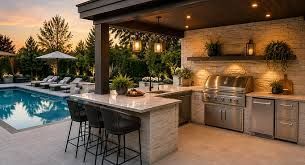
Is a Patio Worth It in Rhode Island?
For most Rhode Island homeowners, yes. A patio offers a practical combination of everyday use during the state's warmer months and one of the more reliable resale returns among outdoor projects. In a market with limited inventory where buyers favour move-in ready homes, a well-built patio can be the detail that supports a faster sale and stronger offers. Built properly and designed with broad appeal in mind, patio ROI in Rhode Island holds up well over time.
Rhode Island Home Improvement Planner
Patio ROI Calculator
Discover how your patio design and construction choices align with long-term durability, buyer appeal, and resale readiness. Select the options that best describe your planned project to receive a personalized score and practical recommendations for improving its potential return.
Your Patio ROI Assessment
Your personalized assessment will appear here.
Your selections will determine your readiness assessment.
The broad resale recovery range cited in this article. Actual outcomes depend on the project, the property, the local market, and the eventual sale.
The broader home-value impact discussed in the guide for well-executed hardscaping. It is not a guaranteed increase or a patio-only forecast.
Your Recommended Next Steps
Protect the foundation
Proper base preparation and drainage help protect a patio from Rhode Island's freeze-thaw cycles.
Choose durable materials
Select a surface suited to your property's climate, architecture, and maintenance needs.
Design for broad appeal
A practical, well-proportioned layout can appeal to current occupants and prospective buyers.
Rhode Island Property Consideration
Choose materials and construction details suited to the property. Confirm local requirements before beginning work.
The readiness score is a custom planning indicator created from your selected project characteristics. It is not an appraisal, a measured financial return, or a prediction of a future sale. The reference percentages are drawn from the claims presented in this article and are not independently validated by this calculator. Property condition, comparable sales, installation quality, neighbourhood expectations, and changing market conditions can all affect resale outcomes.
Frequently Asked Questions
Does a patio increase home value in Rhode Island?
Yes. A well-built patio can lift a home's value by roughly 15% to 20% as part of overall hardscaping, and patios are consistently among the higher-returning outdoor projects, often recovering 55% to 80% or more of their cost.
What patio material has the best ROI in Rhode Island?
Concrete pavers generally offer the best balance of durability, freeze-thaw resistance, repairability, and buyer appeal for most homes. Natural stone tends to command stronger value in higher-end and coastal markets such as Newport and South County.
How much does a patio cost in Rhode Island?
Full hardscape patio projects commonly run about $20 to $40 per square foot depending on material, site conditions, and design, with natural stone and difficult site access adding to the cost.
Is a patio or a deck a better investment?
Both add value, but patios typically edge out decks on ROI and generally require less ongoing maintenance. The right choice depends on the yard, the slope of the land, and the style of the home.
How do I get the most value from a new patio?
Work with a licensed Rhode Island hardscape contractor, invest in a correctly prepared base and drainage system, choose durable and timeless materials, and size the project to suit the home and surrounding neighbourhood.