

Pergola vs Patio Cover: Which Is Right for Your Rhode Island Home?
If you're weighing up a pergola vs patio cover for your Rhode Island backyard, the decision usually comes down to three things: how much weather protection you need, how you plan to use the space, and your budget. Both structures can improve an outdoor area, but they're built for different purposes and hold up differently in New England's climate.
This guide breaks down the practical differences between pergolas and patio covers, what each one costs in Rhode Island, and which option tends to suit local homes better depending on your priorities. Whether you're in Providence, Warwick, Cranston, or along the coast in Washington County, the same core considerations apply: rainfall, humidity, salt air, and the style of your home.
What Is a Pergola?
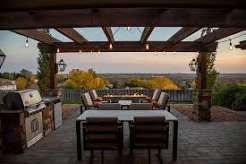
A pergola is an open-air structure made up of vertical posts topped with horizontal beams or a lattice roof. It doesn't fully block sun or rain, since the top is designed to let light filter through. That open structure is part of the appeal. Many Rhode Island homeowners choose pergolas because they suit colonial and craftsman-style homes, which are common throughout the state.
Pergolas are usually built from cedar, pressure-treated lumber, vinyl, or aluminium. Wood pergolas need regular maintenance in Rhode Island because of the wet springs and cold winters, while aluminium and vinyl options require less upkeep over time.
Homeowners often add climbing plants, string lighting, retractable shade canopies, or outdoor curtains to a pergola to increase shade and privacy. A well-built pergola can become a focal point in a backyard rather than just a functional addition.
What Is a Patio Cover?
A patio cover is a solid or semi-solid roof structure attached to the back of a house, extending over a patio area. Unlike a pergola, it's built to keep out rain and block direct sun. One side typically attaches to the home, with the other side supported by posts.
There are a few common styles of patio covers:
- Solid covers made from aluminium, wood, or polycarbonate panels that block rain and UV exposure
- Lattice-style covers that let some light through while still offering partial shade
- Insulated aluminium covers, which are a practical choice for year-round use in colder climates
- Pergola-style covers that combine an open frame with a retractable or fixed shade element
In Rhode Island, patio covers are common in areas where homeowners want a usable outdoor space even on wet or windy days. This applies particularly to coastal communities in Washington County, where exposure to wind and moisture is higher.
Pergola vs Patio Cover: Key Differences in Rhode Island
Which offers better weather protection?
A patio cover provides significantly more protection from rain than a standard pergola. Rhode Island receives roughly 47 inches of rainfall a year, which is above the national average. A pergola without an added canopy or shade sail offers very little protection when it rains, while a patio cover is designed specifically to keep the space dry.
Which looks better in a Rhode Island backyard?
This is where pergolas tend to stand out. Their open structure creates a garden-like feel that suits the architectural style found in many Rhode Island neighbourhoods, particularly older homes with traditional detailing. A patio cover is more functional in appearance and generally has a more enclosed, roofed look.
How much do pergolas and patio covers cost in Rhode Island?
Costs vary depending on materials, size, and site conditions, but general ranges for Rhode Island homeowners look like this:
- Basic wood pergola (DIY assembled): $2,500 to $5,000
- Custom cedar pergola, professionally installed: $6,000 to $15,000+
- Aluminium or vinyl pergola: $4,000 to $10,000
- Basic attached aluminium patio cover: $3,500 to $7,000
- Insulated aluminium patio cover: $8,000 to $18,000
- Custom wood patio cover: $10,000 to $25,000+
Labour costs in Rhode Island tend to run higher than the national average. It's worth budgeting an additional 30 to 50 percent of material costs for professional installation in areas like Providence and Cranston.
Do you need a permit for a pergola or patio cover in Rhode Island?
Permit requirements vary by municipality. Many Rhode Island towns require a building permit once a structure exceeds a certain size or height, and rules often differ depending on whether the structure is attached to the house or freestanding. If you're planning a pergola, it's worth reading our guide on whether you need a permit for a pergola in Rhode Island before finalising your design.
Checking with your local building department, or working with a contractor who manages permitting as part of the project, will save time and avoid delays later on.
Which Option Suits Rhode Island's Climate Better?
Rhode Island has a humid continental climate, with warm summers, cold winters, and rainfall spread fairly evenly throughout the year. Coastal towns such as Narragansett, Newport, and Westerly also deal with added wind exposure and salt air, which affects how long certain materials last.
A few practical guidelines:
- For year-round use: An insulated aluminium patio cover holds up well through Rhode Island winters and requires little maintenance.
- For spring and summer use: A pergola with a retractable canopy gives you flexibility, offering shade when needed and open sky the rest of the time.
- For coastal properties: Aluminium and composite materials outperform untreated wood in salty, humid conditions, regardless of which structure you choose.
- For older or traditional homes: A stained cedar or pressure-treated pergola tends to suit the architecture found throughout much of the state.
Pergola Pros and Cons
Advantages:
- Customisable with plants, lighting, and fabric accents
- Generally suits traditional Rhode Island home styles
- Lower starting cost compared with most patio covers
- Can be freestanding, which may simplify permitting
- Often well received by buyers in Rhode Island's property market
Drawbacks:
- Limited protection from rain without additional add-ons
- Wood pergolas need regular staining or sealing
- Not well suited to year-round use without modification
- May still require a permit depending on size and location
Patio Cover Pros and Cons
Advantages:
- Reliable protection from rain, relevant given how often it falls in Rhode Island
- Adds usable outdoor space throughout the year
- Insulated options help manage temperature in both summer and shoulder seasons
- Aluminium covers require little maintenance over time
- Can be paired with lighting, fans, or heating
Drawbacks:
- Generally costs more upfront than a basic pergola
- Attached structures require permits and must meet local building codes
- Can reduce natural light reaching the home if not designed carefully
- Less visually adaptable than an open pergola
Best Materials for Rhode Island's Climate
Given the local weather, some materials perform better than others:
- Aluminium: Durable and low-maintenance, particularly useful near the coast due to its resistance to salt air and UV exposure.
- Cedar: A natural-looking option that handles moisture reasonably well but needs sealing every one to two years.
- Vinyl (PVC): Affordable and weather-resistant, though it lacks the appearance of natural wood.
- Pressure-treated lumber: A budget-friendly wood option, though some homeowners prefer to avoid chemically treated timber.
- Composite materials: Increasingly used for pergola framing because they hold up in wet conditions without regular staining.
Does a Pergola or Patio Cover Add Value to Your Home?
Both structures can add value to a Rhode Island property, though the extent depends on build quality, materials, and how well the structure fits the rest of the outdoor space. Well-designed outdoor living features are increasingly valued by buyers in Rhode Island's property market.
If you're considering a larger outdoor renovation, pairing a pergola with additional features can increase its usefulness. For example, our guide to building a Rhode Island outdoor kitchen with a pergola covers how the two can work together as part of a broader outdoor living plan.
A poorly built or low-quality structure, on the other hand, can detract from a property's appearance over time. Choosing durable materials and proper installation matters more for long-term value than opting for the cheapest option upfront.

Questions to Consider Before You Decide
Before choosing between a pergola and a patio cover, it helps to think through the following:
- How often will you actually use the space, and in which seasons?
- Is weather protection a higher priority than appearance, or the other way around?
- Does your home's architectural style suit an open pergola or a more enclosed patio cover?
- Are you near the coast, where salt air may affect material choice?
- What's your realistic budget, including installation and permitting costs?
- Do you want the structure attached to your home or freestanding in the yard?
Final Thoughts: Pergola vs Patio Cover for Rhode Island Homes
There's no single right answer to the pergola vs patio cover question. If appearance and flexibility matter most, and you're mainly using the space from spring through autumn, a pergola is likely the better fit. If weather protection and year-round use are the priority, a patio cover, particularly an insulated aluminium model, tends to be the more practical option.
Whichever direction you choose, it helps to work with a contractor familiar with Rhode Island's climate and local permitting requirements. If you're also considering a hardscaped patio area to go with your new structure, our East Greenwich paver patio and hardscaping services page outlines what's involved in building a complete outdoor space suited to Rhode Island conditions.
Rhode Island Outdoor Living Guide
Pergola vs Patio Cover Selector
Not sure whether a pergola or patio cover is right for your Rhode Island home? Answer these six quick questions to compare both structures based on weather protection, outdoor living habits, maintenance, design, and local climate conditions.
Your Outdoor Structure Recommendation
Your recommendation will appear here after you select your preferences.
Choose Your Preferences
Complete the questions above to see which structure best fits your outdoor living needs.
See how an open structure fits your selected priorities.
See how a roofed structure fits your selected priorities.
Recommended Material Direction
Material suggestions will appear with your recommendation.
Rhode Island Climate Considerations
Your local climate guidance will appear here.
Before You Build
Check local building requirements, structure placement, drainage, and any applicable homeowners' association rules before construction.
This tool compares your stated preferences; its percentages represent the relative share of weighted preference points, not a guarantee of structural performance. Final suitability depends on site conditions, engineering, roof design, snow and wind loads, and local building requirements. Confirm your plans with your local building department and a qualified contractor.
Frequently Asked Questions
Is a pergola or patio cover better for rainy climates like Rhode Island?
A patio cover offers more reliable rain protection than a standard pergola, since it's built with a solid or semi-solid roof. A pergola can be fitted with a retractable canopy for added protection, but it won't match the coverage of a dedicated patio cover.
How much does it cost to build a pergola in Rhode Island?
Costs typically range from $2,500 for a basic DIY wood pergola to $15,000 or more for a custom cedar design installed by a contractor. Aluminium and vinyl pergolas generally fall between $4,000 and $10,000.
Do I need a permit to build a pergola or patio cover in Rhode Island?
Permit requirements depend on your municipality and the size or height of the structure. It's best to check with your local building department or read our guide on
permit requirements for pergolas in Rhode Island before starting.
Which material holds up best near Rhode Island's coast?
Aluminium and composite materials generally outperform untreated wood in coastal areas, since they resist salt air and moisture better over time.