

Prefab vs Custom Garages in Rhode Island: Cost and Quality
Choosing between a prefab garage and a custom garage is one of the biggest decisions Rhode Island homeowners face when adding storage or parking to their property. Both options come with different price points, timelines, and long-term value, and the right choice depends on your budget, your home's architecture, and how long you plan to stay in the property.
This guide breaks down the real costs, quality differences, and local building considerations to help you decide which garage type suits your Rhode Island home.
Prefab Garages: What Rhode Island Homeowners Need to Know
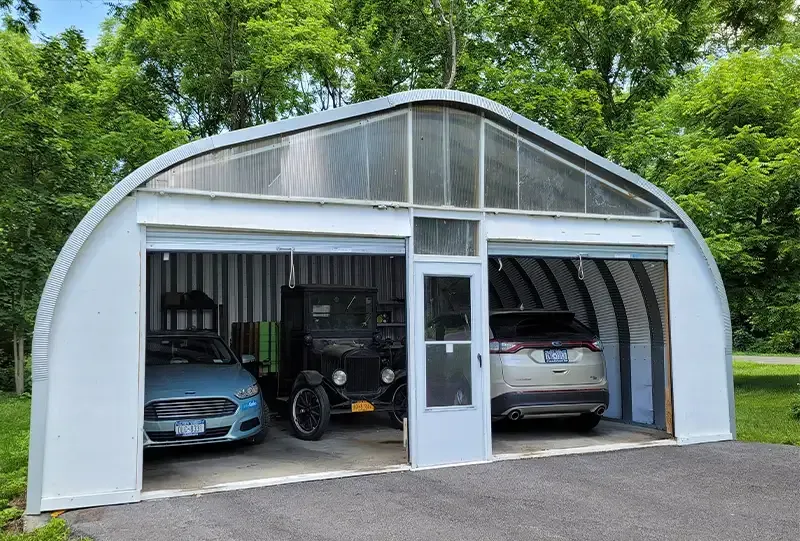
Prefab garages are manufactured off-site in a factory setting, then delivered and assembled on your property. Because most of the work happens indoors, the process avoids many of the weather delays that affect traditional construction, which matters in a state where winter storms and spring rain are common.
How Much Do Prefab Garages Cost in Rhode Island?
Prefab garage pricing in Rhode Island generally falls into these ranges, based on size and structure type:
- Single-car garage (12x20): $8,000 to $15,000
- Double-car garage (20x20 to 24x24): $12,000 to $25,000
- Larger garages with premium features: $25,000 to $45,000
Additional costs to budget for include site preparation ($1,000 to $3,000), a concrete foundation or slab ($2,000 to $4,000), electrical work ($800 to $2,500), and local building permits ($200 to $800 depending on the municipality). For a closer look at what each stage of the process involves, our guide on Rhode Island prefab garage installers and what to expect covers permits, foundation requirements, and installation timelines in more detail.
Advantages of Prefab Garages
Prefab garages suit homeowners who want a straightforward, budget-conscious storage solution. Key benefits include:
- Faster installation, often within 1 to 3 days once the foundation is ready
- Lower upfront cost compared to custom builds
- Predictable pricing with fewer surprises during the project
- Consistent factory quality control before the structure reaches your property
Limitations of Prefab Garages
Prefab garages are not without trade-offs. Standard sizes and designs may not match your home's architecture, and your property needs enough clearance for delivery trucks or crane access. Prefab structures also tend to add less resale value than a custom-built garage, since buyers and appraisers often view them as a secondary structure rather than a true home extension.
Custom Garages: Built for Your Rhode Island Property
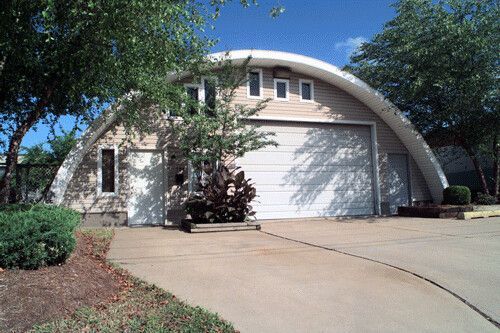
Custom garages are designed and constructed on-site, tailored to your home's architecture, your lot's layout, and any specific features you want, such as a workshop or storage loft.
How Much Do Custom Garages Cost in Rhode Island?
Custom garage costs vary more widely because every project is different:
- Single-car custom garage: $15,000 to $30,000
- Double-car custom garage: $20,000 to $40,000
- Larger garages with premium features: $30,000 to $60,000 or more
Features that add to the cost include workshop space ($5,000 to $15,000), a second-storey storage or living area ($10,000 to $25,000), premium siding ($3,000 to $8,000), and custom windows or doors ($1,500 to $5,000).
Advantages of Custom Garages
A custom garage offers design flexibility that prefab options cannot match. Benefits include:
- The ability to match your home's existing architectural style
- Better use of irregular lot shapes and setback requirements
- Higher resale value, with custom garages typically returning 60 to 80 percent of construction cost
- Room for multi-functional spaces such as workshops or home offices
Limitations of Custom Garages
Custom builds come with a longer timeline, usually 6 to 12 weeks depending on complexity and weather, and a higher upfront cost. Permitting can also be more detailed, particularly in towns with architectural review boards.
If you're also weighing up modular construction methods for a larger home addition rather than a standalone garage, our comparison of modular versus stick-built additions in Rhode Island explains how factory-built construction compares to traditional building for bigger projects.
Rhode Island Climate and Building Code Considerations
Rhode Island's coastal climate affects both prefab and custom garage construction. Building codes across the state generally require structures to handle snow loads of 25 to 30 pounds per square foot, and properties closer to the coast need additional wind resistance due to stronger gusts. Custom garages can be engineered specifically for these requirements, while prefab garages must be built to meet or exceed the same standards before delivery.
Moisture management is another factor worth considering. Rhode Island's humidity means garages need proper ventilation and moisture barriers, particularly if the space will be used for anything beyond basic vehicle storage.
Permits and Local Requirements
Permit requirements vary by municipality. Most Rhode Island towns require garages to be set back 5 to 10 feet from property lines, and height restrictions for accessory structures typically range from 15 to 20 feet. Some neighbourhoods, particularly those with architectural review boards, may have stricter design standards that favour custom builds over standard prefab designs.
If you're located in a more rural part of the state, such as Glocester, local permitting can differ from denser areas like Providence or Warwick. Our Glocester garage construction page has more detail on what garage projects typically involve in that area, including foundation and permitting considerations specific to the town.
Which Option Adds More Value to Your Rhode Island Home?
Property value is often the deciding factor for homeowners weighing up a garage investment. Custom garages in higher-demand Rhode Island areas, such as East Greenwich, Barrington, or Newport, tend to return a larger share of their construction cost because they integrate with the home's overall design. Prefab garages still add value, but usually at a lower percentage, since they're viewed as a functional addition rather than an extension of the home itself.
If you don't plan to sell within the next several years, this difference may matter less. But if resale is on the horizon, a custom garage is generally the stronger long-term investment.
How to Decide Between Prefab and Custom
There's no single right answer. The decision comes down to your budget, timeline, and goals for the property.
Consider a prefab garage if your budget is under $20,000, you need the space ready quickly, and your property has standard dimensions with good delivery access. Consider a custom garage if you're planning to invest $20,000 or more, want the structure to match your home's architecture, or need a multi-functional space like a workshop.
Both prefab and custom garages can be built to withstand Rhode Island's weather and meet local codes when installed correctly. The right choice depends on how much design flexibility, resale value, and construction time matter to your specific situation.
Getting Professional Guidance for Your Garage Project
Deciding between prefab and custom garages in Rhode Island involves weighing cost, timeline, and long-term value against your specific property and needs. Speaking with a local contractor who understands Rhode Island's climate, permitting requirements, and municipal codes can help you avoid costly mistakes and choose the option that fits your home and budget.
Rhode Island Garage Planning Calculator
Compare a prefab and custom garage based on your project size, site needs, and selected features.
Frequently Asked Questions
Is a prefab garage cheaper than a custom garage in Rhode Island?
Yes, prefab garages typically cost 30 to 50 percent less than custom builds. Prefab garages usually range from $8,000 to $25,000, while custom garages range from $15,000 to $60,000 or more depending on size and features.
How long does it take to install a prefab garage in Rhode Island?
Once the foundation is prepared, prefab garage assembly usually takes 1 to 3 days. The full process, including permits and site preparation, typically takes 3 to 5 weeks.
Do custom garages add more value to a Rhode Island home than prefab garages?
Generally, yes. Custom garages tend to return 60 to 80 percent of their construction cost in added home value, compared to 40 to 60 percent for prefab structures, particularly in higher-demand areas.
Can I build a garage myself to save money in Rhode Island?
Rhode Island building codes require permits and inspections for most garage structures, and electrical work must be completed by a licensed electrician. While DIY assembly is possible for some prefab kits, professional installation helps ensure the structure meets local snow load and wind resistance requirements.
Which garage type is better for a coastal Rhode Island property?
Both prefab and custom garages can be built to withstand coastal wind and moisture, but custom garages allow for more specific engineering, such as enhanced anchoring and materials suited to salt air exposure.