

How to Protect Your Garage From Coastal Flooding in Rhode Island
Protecting a garage from coastal flooding in Rhode Island generally involves flood vents, waterproofed foundation walls, proper drainage, and utilities elevated above base flood elevation. Communities such as Barrington, Warwick, and Westerly face the highest exposure due to storm surge and rising king tides, making these measures particularly relevant for homeowners near the coast.
Rhode Island's coastline and network of bays put a large number of garages at risk during coastal storms. Homeowners in flood-prone areas often ask how to protect their garage from coastal flooding in Rhode Island, and the answer usually comes down to a combination of structural upgrades, drainage improvements, and an understanding of local flood zone requirements.
This guide covers the practical measures worth considering, along with the flood zone rules that shape what's allowed.
Understanding Rhode Island's Coastal Flooding Risks
Rhode Island's exposure to Atlantic storms and bay flooding varies significantly by location. Some towns deal with direct storm surge, while others see more gradual issues from rising tides.
Which Rhode Island Communities Face the Highest Flood Risk?
A number of coastal and bay-adjacent communities see recurring flood issues:
- Newport County, which faces the most direct storm surge exposure from Atlantic systems
- Westerly and Watch Hill, where low elevation and ocean exposure combine
- Narragansett and South Kingstown, affected by both bay flooding and coastal storms
- Warwick and Cranston, where the Providence River and bay surge reach inland
- Bristol, Warren, and Barrington, within the Mount Hope Bay and Narragansett Bay flood zones
Homeowners in these areas typically face stricter building requirements and higher flood insurance costs, which makes flood protection measures worth planning for early rather than after a storm has already caused damage.
What Types of Coastal Flooding Affect Rhode Island Garages?
Three main flooding patterns affect garages along the Rhode Island coast:
Storm surge flooding from hurricanes and nor'easters can push water several feet above normal levels with little warning. Saltwater intrusion tends to cause more damage than freshwater flooding, and surge can travel well inland through bays and rivers.
King tide and sunny day flooding happens on a more predictable schedule, tied to monthly high tides and the gradual effects of sea level rise. It's less dramatic than storm surge but can still cause repeated, low-level water intrusion over time.
Flash flooding from heavy rainfall occurs when storm drains and combined sewer systems get overwhelmed during coastal storms, particularly in older, low-lying neighbourhoods.
What Do FEMA Flood Zones Mean for Your Rhode Island Garage?
Before deciding on flood protection measures, it helps to know your property's flood zone designation, since this affects both building requirements and insurance costs.
Zone AE is considered high risk, with a 1% annual chance of flooding and an established base flood elevation (BFE). Mortgaged properties in this zone require flood insurance, and new construction faces stricter building standards.
Zone X carries moderate to low risk, with a 0.2% annual chance of flooding. Insurance rates are generally lower here, though properties can still flood during extreme events.
Coastal A zones deal with wave action along the immediate shoreline and often require elevated construction along with breakaway wall provisions.
Rhode Island's flood zone building requirements go beyond the federal minimum in several respects, including additional freeboard above base flood elevation. For a full breakdown of zone classifications and construction standards, see our guide on flood zone building requirements in Rhode Island.
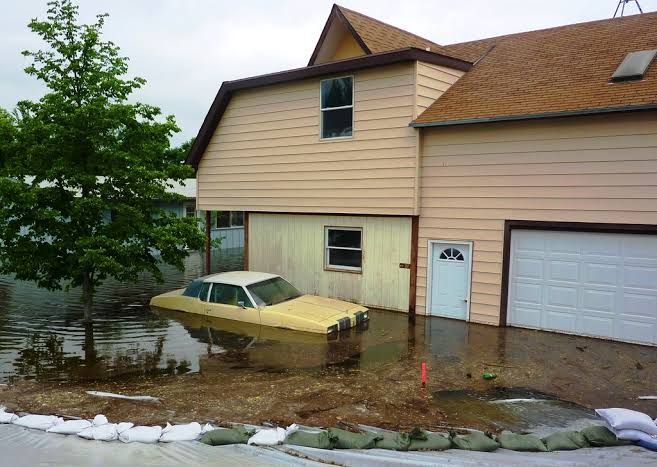
What Are the Most Effective Flood Protection Measures for a Rhode Island Garage?
Several measures, used together, reduce the risk of water damage to a garage during coastal storms.
Flood Vents
Rhode Island building codes require flood vents in flood-prone areas for good reason. Vents allow water to flow through an enclosed area rather than building up against the walls, which reduces hydrostatic pressure and lowers the risk of structural failure.
Requirements typically include:
- A minimum of one square inch of vent opening per square foot of enclosed area
- Automatic flood vents, which open without manual operation during a flood event
- Corrosion-resistant materials suited to salt water exposure
- Professional installation to meet code and insurance compliance
Waterproofing and Drainage
Foundation waterproofing usually involves an exterior waterproof membrane, interior sealants for existing structures, and crack repair where needed. Drainage board installed against the foundation helps direct water away before it reaches the structure.
French drain systems around the perimeter of a garage, combined with a properly graded slope, are a common and effective way to move water away from the foundation. For below-grade garages, a sump pump with battery backup adds a further layer of protection during power outages, which often occur during major storms.
Elevating Utilities and Using Flood-Resistant Materials
Electrical panels, water heaters, and HVAC equipment should sit above base flood elevation wherever possible. This is one of the more overlooked aspects of garage flood protection, since damaged mechanical systems are often the most expensive part of a flood repair.
Material choice also matters. Concrete floors, ceramic tile, and closed-cell spray foam insulation hold up better in a flood than wood flooring or paper-faced drywall, both of which absorb water and are difficult to fully dry out afterwards.
How Does Garage Flood Protection Fit Into Hurricane Preparedness?
Flood protection is one part of a broader hurricane preparedness plan for a Rhode Island garage. Wind exposure, garage door strength, and structural bracing all play a role alongside flood-specific measures, particularly since storm surge and high winds usually arrive together during the same event.
Homeowners preparing for hurricane season should look at wind-rated garage doors, proper sealing, and a documented pre-storm checklist in addition to flood protection. Our guide on hurricane-proofing a Rhode Island garage covers these measures in more detail, including what to do if a storm has already caused damage.
What Does Flood Protection Cost in Rhode Island?
Costs vary by property and the extent of work needed, but general ranges for common upgrades include:
- Flood vent installation: roughly $200 to $500 per vent
- Foundation waterproofing: typically $3,000 to $8,000
- Sump pump systems: generally $1,500 to $4,000
- Garage elevation projects: often $15,000 to $40,000 or more
These figures are general estimates rather than fixed quotes, since site conditions, existing structure, and local permitting requirements all affect the final cost. A licensed contractor can provide a more accurate assessment after inspecting the property.
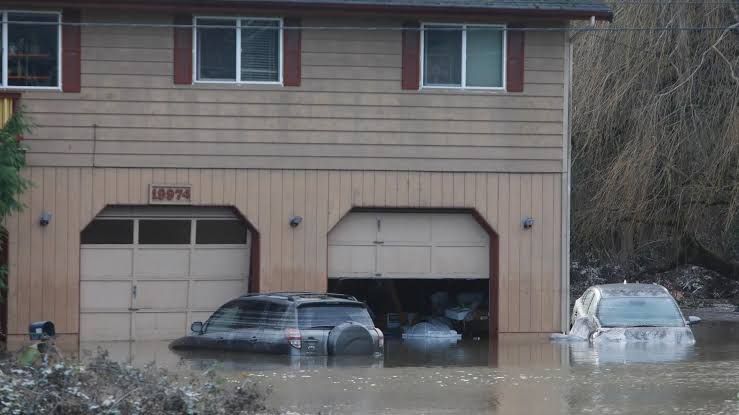
Working With a Rhode Island Garage Contractor
Flood zone construction in Rhode Island involves both CRMC and local building department requirements, which vary from town to town. Homeowners in Barrington, for example, deal with local zoning bylaws and Narragansett Bay flood exposure that call for a contractor familiar with the area's specific conditions.
Our Barrington garage construction team works within these local requirements while handling design, permitting, and construction.
An experienced contractor should hold relevant Rhode Island licensing, understand flood zone permitting, and be able to walk through material and drainage options suited to the property's specific flood risk rather than a generic checklist.
Building a More Flood-Resilient Garage
Rhode Island's coastal exposure means flood risk isn't something most garage owners near the water can ignore. Taking steps to protect your garage from coastal flooding in Rhode Island, whether that's flood vents, better drainage, or elevated utilities, reduces the likelihood of costly repairs after the next coastal storm.
Getting a proper assessment of your property's flood zone and existing vulnerabilities is a reasonable first step before deciding which upgrades make sense for your situation.
Coastal Garage Flood Protection Calculator
Build a garage flood-protection plan based on your flood zone, garage size, drainage, flood vents, waterproofing, utilities, and coastal exposure.
1. Flood Zone
2. Garage Size
Enter the enclosed garage area to calculate flood vent requirements.
Flood Vents
Select the flood vent setup planned for the garage.
Foundation Waterproofing
Protect foundation walls against water intrusion.
Drainage Protection
Move water away from the garage foundation.
Sump Pump & Backup
Add active water removal and outage protection.
Utility Protection
Plan for electrical, HVAC, and water equipment above flood exposure.
Flood-Resistant Materials
Choose materials that are easier to clean and recover after flooding.
Garage Elevation
Consider whether the structure requires a more extensive elevation project.
This planning range reflects the selected flood-protection measures, site conditions, and larger structural work where applicable.
Your score is based on the protection measures selected.
Protection Breakdown
Four vents are selected for this garage. Final vent sizing and placement should be verified against the applicable local and flood-zone requirements.
Recommended Protection Priorities
Use grading, perimeter drainage, and flood vents to reduce water pressure and direct water through or away from the garage.
Waterproof foundation walls and address cracks or active seepage before they become larger flood-related problems.
Keep electrical, HVAC, water heating, and vulnerable plumbing above expected flood exposure wherever feasible.
Concrete, ceramic tile, and moisture-resistant insulation are more practical choices for flood-exposed garage areas.
Flood Zone Planning Note
Zone AE planning requires close attention to base flood elevation, flood vents, utilities, and applicable construction requirements.
Frequently Asked Questions
How much does it cost to flood-proof a garage in Rhode Island?
Costs depend on the scope of work, but common upgrades range from around $200 per flood vent to $15,000 or more for a full garage elevation project. A site assessment from a licensed contractor gives a more accurate figure.
Are flood vents required by law in Rhode Island?
Many flood-prone municipalities require flood vents to meet FEMA and local building code standards, particularly in Zone AE and coastal A zones. Requirements vary by town, so it's worth checking with the local building department.
What is the difference between Zone AE and Zone X for flood insurance?
Zone AE carries a 1% annual chance of flooding and requires flood insurance for mortgaged properties, with stricter building standards. Zone X carries a lower 0.2% annual chance of flooding and generally has lower insurance costs, though it isn't risk-free.
Can I install flood protection measures on an existing garage, or only new construction?
Most measures, including flood vents, waterproofing, and sump pumps, can be added to an existing garage. Larger projects like elevating the structure or relocating utilities above base flood elevation involve more extensive work and permitting.
Does flood protection reduce insurance premiums in Rhode Island?
Insurance discounts vary by insurer and the specific measures installed, but building above minimum flood elevation requirements and adding recognised mitigation measures can lead to lower premiums under the National Flood Insurance Program.