

Snow Plow Driver and Shoveler Jobs in Rhode Island: What to Know
Rhode Island's winter season creates steady demand for snow plow drivers and snow shovelers to service commercial properties, residential communities, and municipal sites. Plow drivers typically supply their own truck and equipment, while shoveling crews handle sidewalks, entrances, and areas trucks cannot reach. Both roles require reliability, cold weather stamina, and availability during storm events.
Rhode Island winters bring a mix of nor'easters, lake effect snow bands off Narragansett Bay, and sudden freeze thaw cycles that turn wet pavement into ice overnight. For property owners, that unpredictability means one thing: they need workers ready to respond as soon as snow starts falling. If you're considering snow removal jobs in Rhode Island, whether behind the wheel of a plow truck or on foot with a shovel, understanding what the work actually involves will help you decide if it's the right fit for your winter.
Why Rhode Island Needs Snow Removal Workers Every Winter
Providence averages around 33 inches of snow a year, but that figure hides a lot of variation. Some seasons bring less than 20 inches, others well over 60. That inconsistency is exactly why property owners across the state rely on trained crews rather than trying to manage snow removal themselves.
Commercial properties carry liability risk if customers or staff are injured on icy pavement. Medical facilities need clear access at all hours. Retail centres need parking lots cleared before opening. Many Rhode Island municipalities also require sidewalks to be cleared within a set timeframe after snowfall ends. All of this adds up to consistent seasonal work for people willing to show up when the forecast turns bad.
What Snow Plow Driver Jobs in Rhode Island Involve
Plow driver positions are usually filled by independent contractors who bring their own vehicle and equipment. This suits people who already own a suitable truck and want to put it to use during the colder months rather than let it sit idle.
Typical equipment standards include:
- Four wheel drive or all wheel drive trucks, generally 2010 or newer
- A plow blade of at least 7.5 feet in width
- Working headlights, taillights, and emergency flashers
- Current Rhode Island registration and inspection
A salt spreader is a bonus for most contracts, since pre-treating surfaces before a storm reduces ice buildup later. Drivers are assigned routes based on where they live, usually within about a 15 mile radius, to cut down on travel time between properties.
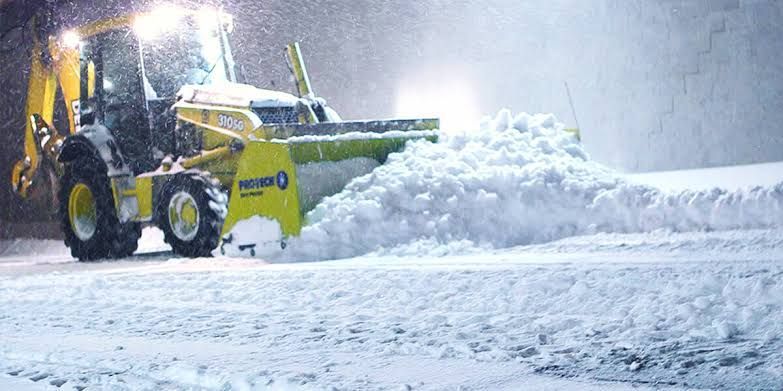
During an actual storm, the process follows a fairly predictable pattern. Drivers get advance notice once a winter storm warning is issued, confirm their availability, then wait for confirmation that snow has reached the trigger depth, often around two inches, before starting their route. Properties are worked through in order, with some needing repeat passes every few inches and others cleared once the snow stops entirely.
What Snow Shoveling Jobs Involve
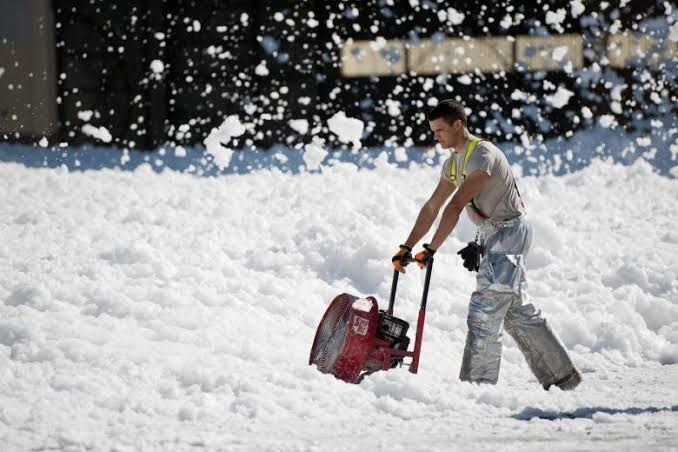
Not every part of a property can be reached by truck. Building entrances, stairways, ramps, and narrow walkways still need to be cleared by hand, and that's where shoveling crews come in.
This work suits people who don't own plow equipment but are physically capable of extended outdoor labour in cold conditions. Shifts vary depending on storm severity. A light dusting might mean four to six hours of work, while a major nor'easter can stretch shifts to twelve hours or more, usually with scheduled breaks.
Good shovelers tend to share a few traits:
- Physical stamina for repetitive lifting in the cold
- Reliability, since early morning starts before businesses open are common
- Attention to detail, particularly around ice patches that trucks and blowers miss
Most companies provide shovels, ice melt, and snow blowers, along with training on lifting technique, cold weather safety, and how to spot black ice before someone gets hurt on it.
Where These Jobs Are Needed Across Rhode Island
Demand for snow removal workers spans the entire state, from Providence County through to Washington and Newport Counties. Commercial hubs, retail corridors, and industrial sites all need coverage, and smaller towns are no exception. In Hopkinton, for example, businesses in villages like Hope Valley and Ashaway rely on commercial snow removal in Hopkinton to keep parking areas, loading zones, and walkways safe throughout the season. Workers based in these smaller towns often find shorter commutes and less competition for available routes compared to denser areas around Providence.
How Contracts and Scheduling Typically Work
Most snow removal companies operate on either seasonal contracts or per storm agreements with their commercial clients. Understanding this structure matters if you're applying for work, since it affects how consistently you'll be scheduled. Property managers who sign commercial snow removal contracts ahead of the season are locking in guaranteed service, which in turn creates guaranteed routes for the drivers and crews assigned to those properties. This is part of why companies prefer to build their teams before the first snowfall rather than scrambling once a storm is already forecast.
When to Apply for Snow Removal Jobs
Timing matters more than most people expect. Just as property owners are encouraged to look at the best time to book snow removal services before winter in Rhode Island, workers benefit from applying early too. Contracts are finalised in late autumn, and route assignments are typically locked in before the first significant storm. Applying in September or October gives you a much better chance of securing a route close to home than waiting until snow is already in the forecast.
Qualifications and Requirements
Requirements differ depending on whether you're applying as a plow driver or a shoveler.
For plow drivers:
- A valid Rhode Island driver's licence, Class D at minimum
- A clean driving record
- A reliable truck with functioning plow equipment
- Availability for irregular hours, including overnight and weekend work
For shoveling crew members:
- Minimum age of 18
- Reliable transport to crew meeting points
- Physical capability to work in cold, demanding conditions for extended periods
Previous experience in landscaping, construction, or general outdoor labour is useful for shoveling roles, while commercial driving experience is an asset for plow contractors, though not always required.
Making the Right Choice for Your Winter
Snow removal jobs in Rhode Island offer a genuine option for people looking for seasonal income, whether that's through contracting a plow truck or joining a ground crew. The work is physically demanding and often happens at odd hours, but it fills a real need across the state's commercial and residential properties. If you're weighing up your options this winter, understanding the equipment requirements, scheduling patterns, and application timelines outlined here should give you a clearer picture of what to expect before you commit to snow removal jobs in Rhode Island.
Snow Plow Driver & Shoveler Job Calculator
Find the type of Rhode Island snow removal work that best matches your vehicle, equipment, availability, experience and winter readiness.
Snow Removal Job Recommendation
Your Recommended Role
What You Should Be Ready For
Equipment & Vehicle Checklist
Application Timing
Frequently Asked Questions
Do I need commercial insurance to work as a plow driver?
Standard auto insurance is usually required at minimum, though many personal policies exclude commercial use. It's worth checking with your insurer or asking the company you're applying to for guidance before the season starts.
Are shovelers provided with equipment?
Most companies supply shovels, ice melt, and snow blowers. Workers are often welcome to bring personal tools if they have a preference, but it isn't mandatory.
What happens if there's a light snow year?
Contracts with commercial and municipal clients typically require service regardless of total accumulation, so even lighter winters tend to offer some earning opportunity, including pre-treatment work like salting.
How far in advance should I apply?
Applying in early autumn, before routes and contracts are finalised, gives you the best chance of being placed on a route near your home.