

Spring Garage Cleaning Tips for Rhode Island Homeowners
Spring garage cleaning matters more in Rhode Island than in most parts of the country. Months of road salt, snow melt, and limited airflow leave garages across Providence, Warwick, and Cranston carrying moisture, grime, and rust risk that only gets worse once the weather warms up. A proper spring clean addresses that damage early and gets the space ready for the busier months ahead, when lawn equipment, bikes, and beach gear all compete for room.
This guide covers what actually needs attention in a Rhode Island garage each spring, why the timing matters for the state's coastal climate, and how to avoid the most common mistakes homeowners make when tackling the job.
Why Spring Cleaning Matters More in Rhode Island
Rhode Island's coastal location and freeze-thaw winters create conditions that are harder on garages than in drier, milder climates. Salt tracked in from icy roads sits in concrete pores through winter, and once temperatures climb, that residue starts accelerating rust on tools, shelving, and vehicle undercarriages if it isn't washed out.
Humidity is the other factor. Garages near Narragansett Bay and along the coast in Newport, Westerly, and Bristol deal with persistent moisture that promotes mould and mildew, particularly in garages that had limited ventilation over winter. Cleaning in spring, before the humidity climbs further into summer, gives you a narrow window to deal with this before it turns into a bigger problem.
Mid-April through early June tends to offer the most workable conditions statewide. Temperatures generally sit between 50 and 70 degrees Fahrenheit, which makes cleaning an unheated garage manageable without dealing with summer heat or winter cold.
What You'll Need Before You Start
A proper clean requires more than a broom and a bucket. Having the right supplies on hand before starting saves time and avoids half-finished jobs.
Cleaning supplies:
- Heavy-duty degreaser for oil stains
- Concrete floor cleaner for salt residue and tire marks
- Stiff-bristled broom and a wet/dry shop vacuum
- Garden hose with a spray nozzle
- Microfiber cloths, scrub brushes, and buckets
Organisation materials:
- Clear plastic storage bins with lids
- Labels and a permanent marker
- Wall-mounted hooks or a pegboard system
- Garbage bags and a box for donations
Basic safety gear:
- Work gloves and safety glasses
- A dust mask, particularly if mould or dust has built up over winter
- Non-slip, closed-toe shoes
Most Rhode Island hardware stores carry garage-specific cleaning products, which tend to work better on automotive grime and salt stains than general household cleaners.
A Practical Cleaning Process
Start by Clearing the Space Completely
Empty the garage entirely rather than working around what's already there. This forces a decision on every item: keep, donate, sell, or throw out. Sort as you go so items don't end up back on the shelf simply because there wasn't time to deal with them properly.
Pick a dry day for this step. Rhode Island spring weather is changeable, so check the forecast before staging items outside for several hours.
Deal With the Floor First
Concrete floors take the brunt of winter damage in Rhode Island garages. Sweep up loose debris, then use a degreaser on any oil stains before washing the floor down with a hose. Squeegee the water toward the garage door so it drains properly, and allow four to eight hours of drying time before bringing anything back in.
Salt residue often needs more than one rinse to fully clear, especially in garages closer to the coast where road salt exposure is heaviest through winter. A pressure washer speeds this up but should be used carefully around wiring, stored items, and the garage door mechanism.
Clean Walls, Ceilings, and Vents
Work from the top down so dust doesn't resettle on surfaces you've already cleaned. Clear cobwebs from ceiling corners and light fixtures, then wipe down walls with an all-purpose cleaner. Pay particular attention to any mildew spots, which are common in humid coastal garages and worth treating properly rather than just wiping over.
Check Doors, Seals, and Hardware
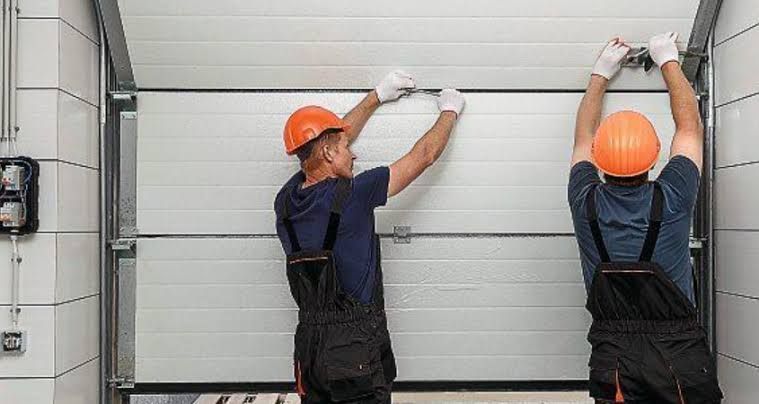
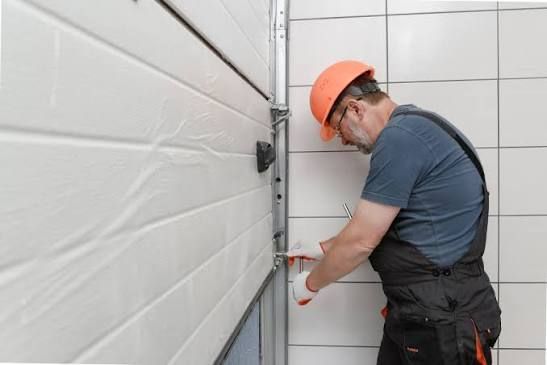
Winter is hard on garage door seals and hardware. Inspect the weather stripping for cracking, lubricate hinges and rollers, and test the opener. If the door has been dragging or the seal at the bottom looks worn, it's worth sorting out now rather than waiting until next winter, when the gaps let in cold air and moisture.
Our guide on winterising a Rhode Island garage covers this in more detail if you want to get ahead of next season's prep while you're already working through the space.
Organise With a System, Not Just a Clean-Up
Once everything is clean, the way items go back matters as much as the cleaning itself. Group similar items together, such as automotive supplies, lawn equipment, and sports gear, and use clear bins with labels so things are easy to find later. Wall-mounted storage or a pegboard system frees up floor space, which matters in the smaller garages common throughout Pawtucket and Central Falls.
If the garage doubles as a workshop or you're planning to set one up, it's worth thinking about electrical capacity and layout at this stage rather than after everything's back in place. Our garage workshop setup guide for Rhode Island walks through what that involves, from insulation through to power needs.
Rhode Island Specific Considerations
Salt residue removal. Beyond the floor, check metal shelving, tools, and stored equipment for salt buildup. A rust-inhibiting spray on vulnerable metal surfaces helps protect them through the humid months ahead.
Coastal humidity control. A dehumidifier running through spring and summer helps prevent mould and rust, particularly in garages near the water in Narragansett, Tiverton, and Jamestown. Improving ventilation, whether through an added vent or simply opening windows on dry days, also helps.
Getting ready for the season ahead. Spring cleaning is also the natural time to sort lawn equipment (servicing mowers, checking fuel, sharpening blades) and organise beach gear before Memorial Day. Doing this now avoids the scramble later when everyone else is trying to get equipment serviced at once.
Disposal and Donation Options
Rhode Island runs periodic hazardous waste collection events for items like old paint, automotive fluids, and batteries. These shouldn't go in regular trash. Check with your municipal public works department or the Rhode Island Resource Recovery Corporation for scheduled collection dates.
For usable items you no longer need, Goodwill locations across the state and Habitat for Humanity ReStores in Warwick accept tools, hardware, and household goods. Most municipalities also offer bulk trash pickup for
Common Mistakes to Avoid
- Rushing the job. A thorough clean typically takes six to twelve hours for an average Rhode Island garage. Trying to compress that into an hour or two usually means missed problems.
- Skipping the deep clean. Wiping surfaces without addressing walls, ceilings, and floors leaves garages looking tidy while grime and mould remain underneath.
- Returning too much. Putting everything back after cleaning defeats the purpose. Be honest about what's actually used.
- Ignoring maintenance issues uncovered during the clean, such as cracked concrete or a failing door seal. These tend to get more expensive the longer they're left.
Keeping the Garage Organised After Spring
A single clean doesn't hold up on its own. A quick fifteen to thirty minute tidy each month, along with a seasonal check as equipment rotates in and out, keeps the space from sliding back into clutter. Labelling bins clearly and sticking to a rule of removing one item when a new one comes in both help maintain order without much ongoing effort.
If your garage in Rhode Island needs more than a clean, whether that's storage upgrades, door repairs, or a full renovation, our team at Rockhouse Construction works on garage projects throughout the state, including for homeowners in Scituate looking to add or update a garage. Get in touch for a consultation if you'd like advice specific to your property.
Spring Garage Cleaning Calculator
Estimate how much cleaning work your garage may need this spring and get a tailored checklist for salt, moisture, clutter, storage, and seasonal maintenance.
Recommended first steps
Cleaning checklist
Maintenance & organisation
After the spring clean
Plan a 15–30 minute monthly tidy and a seasonal check as equipment moves in and out. Keeping bins labelled and removing an item when a new one comes in can help prevent the garage from returning to the same level of clutter.
Frequently Asked Questions
When is the best time to clean a Rhode Island garage each spring?
Mid-April through early June generally offers the most comfortable conditions, with temperatures between 50 and 70 degrees Fahrenheit and enough dry days to stage items outside while cleaning.
How do I remove salt stains from a garage floor?
Repeated rinsing with a hose, combined with a concrete cleaner and stiff brush on stubborn areas, usually clears salt residue. A pressure washer speeds this up but should be used carefully around the garage door mechanism and stored items.
Do I need a dehumidifier in my garage?
It depends on location and use. Coastal Rhode Island garages, or any garage used as a workshop, benefit from a dehumidifier to control the humidity that leads to rust and mould.
What should I do with old paint and chemicals found during a clean?
These need to go to a hazardous waste collection event rather than regular trash. Check with your municipal public works department for scheduled dates.
How often should I do a full garage clean in Rhode Island?
Once a year, in spring, tends to cover the bulk of winter's impact. A quick monthly tidy in between keeps things from getting out of hand.