

When Is the Best Time to Lay Sod in Rhode Island?
The best time to lay sod in Rhode Island is during spring, from mid-April through early June, or in early autumn, from late August through early October. Both windows offer cooler soil temperatures, consistent rainfall, and enough time for roots to establish before the heat of summer or the frost of winter sets in.
If you're planning to upgrade your lawn with sod, when you install it matters just as much as how you install it. Rhode Island's climate swings from icy winters to humid summers, and that range creates a narrow set of conditions where new sod actually has a fair chance to take root. Get the timing wrong and you risk thin patches, dead grass, or a lawn that never properly establishes.
At Rockhouse Construction, we've worked on lawns across the state, from Providence to South County, and we've seen firsthand how much timing affects the outcome of a sod project. This guide covers the best times to lay sod in Rhode Island, why those windows work, and what to avoid if you want a lawn that holds up long term.
Why Timing Matters When You Lay Sod in Rhode Island
Sod is already-grown grass with a thin layer of soil and roots attached. Once it's laid, those roots need to grow down into the existing ground below. If the soil is too hot, too cold, or too dry during that period, the roots struggle to anchor, and the sod can dry out or die before it has a chance to establish.
Rhode Island's climate includes cold winters, short spring transitions, and hot, humid summers with occasional dry stretches in August. These conditions narrow the realistic window for sod installation to two main periods each year. Outside of those windows, the risk of failure goes up considerably, even with good watering habits.
Best Time to Lay Sod in Rhode Island: Spring
Spring, roughly mid-April through early June, is one of the two main windows for sod installation in Rhode Island.
Why it works:
- Soil temperatures are warming but not yet hot
- Rainfall tends to be more frequent, which reduces how much manual watering is needed
- Mild air temperatures reduce stress on new sod while it roots
Things to watch for:
- Very early April can still have soggy or partly frozen ground, so wait until the soil has properly thawed and dried out a little before installing
- Weeds compete more actively in spring, so early mowing and basic lawn care matter once the sod is established
Spring sod gets a head start on the growing season, which means it often looks fuller by midsummer compared to a lawn started later in the year.
Best Time to Lay Sod in Rhode Island: Early Autumn
Early autumn, from late August through early October, is the other reliable window for sod installation.
Why it works:
- Soil holds on to summer warmth, which helps roots establish quickly
- Air temperatures are cooler, which puts less stress on new grass
- Weed pressure and pest activity both drop off compared to summer
Things to watch for:
- Don't leave it too late. Sod needs several weeks to root before the first hard frost, so aim to have it down by early October in most parts of the state
- Rainfall can be inconsistent in early autumn, so keep an eye on watering if there's a dry stretch
Many Rhode Island landscapers consider early autumn the safer of the two windows, mainly because there's less weed competition and a lower chance of extreme heat stress right after installation.
When to Avoid Laying Sod in Rhode Island
Mid-summer (late June through August)
New sod dries out quickly in summer heat, and the water demand to keep it alive is much higher than most homeowners expect. Even with daily watering, there's a real risk of heat stress, patchy growth, or root failure.
If you're set on a summer project, our guide to summer sod installation in Rhode Island covers what's involved and how to manage the extra watering it requires.
Late autumn through winter (mid-October through March)
Cold soil slows root growth to a crawl. Sod laid too late in the year often doesn't root properly before the ground freezes, which leaves it vulnerable to frost damage or dying off entirely before spring.
Rhode Island's Climate and What It Means for Your Lawn
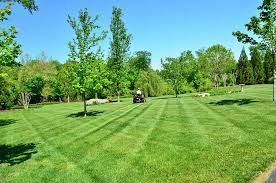
Rhode Island's coastal position gives it a climate that's humid in summer, cold and snowy in winter, and prone to a fairly short spring. Some parts of the state, particularly inland and northern towns, can see slightly colder soil temperatures in spring compared to coastal areas, which may push the ideal planting window back by a week or two.
This is one of the reasons local knowledge matters when planning a sod installation. A homeowner in Westerly might have slightly different timing to work with compared to someone in Woonsocket, simply because of how the coastal climate moderates temperatures.
What Goes Into a Proper Sod Installation
Laying sod isn't just about timing. The groundwork underneath the grass has a big influence on whether it takes root successfully. A proper installation typically includes:
- Soil testing and preparation, including checking pH and amending the soil if needed
- Grading and levelling the area so water drains away properly
- Choosing a sod type suited to Rhode Island conditions, such as Kentucky bluegrass or tall fescue
- Full installation, including rolling the sod to remove air pockets and improve soil contact
- Clear watering instructions for the weeks after installation
Skipping steps like soil prep is one of the more common reasons sod fails to establish, even when the timing is right. If you're planning other outdoor work alongside a new lawn, it's worth thinking about how the spaces will work together.
Homeowners adding a paver patio or outdoor living area, including those working with our Smithfield paver patio and hardscaping team, often coordinate the grading and drainage work for both projects at once, which can save time and reduce the chance of water pooling near new sod.
Planning Your Lawn Project Around Other Home Improvements
If a new lawn is part of a larger property upgrade, it helps to think about sequencing. Grading, drainage changes, and any construction work are easier to manage before sod goes down rather than after.
If you're also considering renovation work on your home this year, our guide on the best time of year to remodel in Rhode Island can help you map out a timeline that avoids conflicts between construction crews and a newly establishing lawn.
Hiring a Professional for Sod Installation in Rhode Island
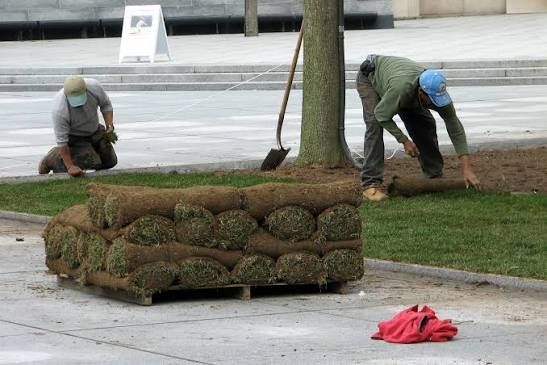
A professional sod installation typically includes soil testing, grading, sod selection suited to local conditions, full installation and rolling, and clear aftercare guidance.
Working with a team that understands Rhode Island's soil types and seasonal patterns reduces the guesswork and gives the lawn a better chance of establishing properly the first time.
Rhode Island Sod Installation Timing Calculator
Find out whether your lawn is ready for sod installation. Enter your planned installation date, property location, and lawn preparation details to get a personalized seasonal recommendation.
Your Sod Installation Recommendation
This calculator uses the seasonal installation windows described in this guide. Local weather, actual soil temperatures, drainage, and the first hard frost can change the ideal installation date. The additional sod allowance is a planning guideline, not a guarantee of exact material requirements.
Frequently Asked Questions
What is the best time to lay sod in Rhode Island?
Spring, from mid-April through early June, and early autumn, from late August through early October, are both reliable windows. Each offers moderate temperatures and consistent moisture, which helps new sod root before summer heat or winter frost arrives.
Can I lay sod in summer in Rhode Island?
Yes, but it requires more frequent watering and closer attention to heat stress. It's achievable with the right preparation, but it carries more risk than a spring or autumn installation.
How long does it take sod to root in Rhode Island?
New sod generally needs two to four weeks of consistent moisture to begin rooting properly, though this can vary depending on the season and the sod variety used.
Is it too late to lay sod in October?
Early October can still work in most of Rhode Island, provided the sod has several weeks before the first hard frost. Mid to late October is riskier, since there may not be enough time left for proper root establishment.
Do I need a professional to install sod, or can I do it myself?
Many homeowners manage smaller sod projects themselves, but soil preparation, grading, and sod selection all affect long-term success. A professional installer brings local knowledge of Rhode Island soil and climate conditions, which can reduce the risk of problems down the line.