

How to Choose Bathroom Lighting for Your Rhode Island Remodel
Rhode Island bathroom lighting should account for the state's coastal humidity, older housing stock, and shorter winter daylight hours. A well-planned layout combines vanity lighting, general ambient lighting, and wet-rated fixtures in shower areas, using damp- or wet-rated fixtures suited to coastal conditions and energy-efficient LED bulbs throughout.
Bathroom lighting is one of the most overlooked decisions in a remodel, yet it affects how a space functions every single day. For Rhode Island homeowners, lighting choices carry extra weight.
Many homes across Providence, Newport, Warwick, and surrounding towns were built decades ago, often with small windows and limited natural light. Add in the state's humid, coastal climate, and the fixtures that work well in a dry inland state may not hold up here.
This guide covers what to consider when planning bathroom lighting for a Rhode Island remodel, including fixture types, placement, moisture ratings, and how to match lighting to the age and style of your home. The goal is practical: helping you choose lighting that looks right, functions well, and lasts in Rhode Island's conditions.
Why Rhode Island's Climate Affects Bathroom Lighting Choices
Rhode Island sits on the coast, and that proximity to saltwater affects more than just outdoor fixtures. Humidity levels inside bathrooms, particularly during summer months and after hot showers, can accelerate corrosion in fixtures that aren't properly rated.
A few climate-related factors worth considering before you select fixtures:
- Coastal humidity can shorten the lifespan of fixtures without adequate moisture protection
- Salt air exposure, more relevant in towns like Newport, Narragansett, and Barrington, can corrode untreated metal finishes over time
- Shorter daylight hours in winter mean bathrooms rely more heavily on artificial light for several months of the year
- Older homes, particularly colonial and Victorian-era properties common throughout the state, often have smaller windows that limit natural light
None of this means lighting has to be complicated. It just means the fixtures and finishes you choose need to suit the environment they're going into.
Types of Bathroom Lighting to Plan For
A functional bathroom generally needs more than one type of lighting. Relying on a single overhead fixture tends to leave shadows around the mirror and makes the space feel flat.
Ambient lighting provides general illumination for the room. This is usually a ceiling fixture or a few recessed lights spaced evenly across the ceiling.
Task lighting is positioned around the vanity to support grooming tasks like shaving or applying makeup. This is the lighting most people notice when it's missing, since poor task lighting creates shadows on the face.
Accent lighting highlights specific features, such as a niche, a piece of artwork, or architectural detail. It's optional, but it adds depth to the room.
Combining these three layers, rather than relying on one, generally produces a more usable and comfortable bathroom.
Vanity Lighting: Getting the Basics Right
Vanity lighting deserves particular attention because it's used daily and affects how accurately you see yourself in the mirror.
A few practical guidelines:
- Position fixtures on either side of the mirror, rather than only above it, to reduce shadows across the face
- Choose fixtures with a total output suited to the size of the vanity area; a single centred light often isn't enough
- Look for frosted or diffused glass shades, which spread light more evenly than exposed bulbs
- Select a warm white colour temperature, generally in the 2700K to 3000K range, for a more natural appearance
Sconces work well in older Rhode Island homes with colonial or Victorian detailing, while horizontal bath bars suit more contemporary vanities. The right choice depends on the overall style of the bathroom, but the placement principles stay the same regardless of fixture style.
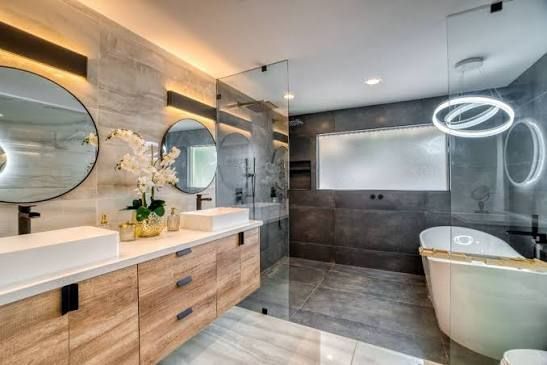
Lighting for Showers and Wet Areas
Showers and tub surrounds need fixtures rated for direct moisture exposure. This isn't optional in Rhode Island's humid climate; fixtures without the correct rating will fail faster and can pose a safety risk.
Fixtures used in bathrooms generally fall into three categories:
- Dry rated, suitable only for areas with no moisture exposure
- Damp rated, appropriate for most general bathroom areas away from direct water contact
- Wet rated, required for any fixture installed inside or directly above a shower or tub
Recessed downlights inside a shower enclosure must be wet rated. This applies regardless of the home's age or style. If you're renovating a smaller bathroom and working with a tighter layout, our guide to small bathroom renovation ideas for Rhode Island homes covers how lighting placement interacts with limited floor space and fixture positioning.
Choosing Finishes for Rhode Island's Coastal Conditions
Material selection matters more in Rhode Island than in many inland states, simply because of how far salt air can travel and how much moisture builds up in a bathroom over time.
Brass and bronze finishes resist corrosion reasonably well and suit both traditional and transitional bathroom styles. Stainless steel is another durable option that holds up to humidity without significant upkeep. Untreated iron or lower-quality plated finishes tend to corrode faster, particularly in homes closer to the coastline.
If your home has a colonial or Victorian character, finishes like oil-rubbed bronze or aged brass tend to complement the existing trim and hardware. For more contemporary renovations, matte black or brushed nickel fixtures are common choices that also hold up well to moisture.
Energy Efficiency and LED Lighting
LED fixtures have become the standard choice for bathroom lighting, and for good reason. They use considerably less energy than incandescent bulbs, last longer, and generate less heat, which matters in a room that already deals with humidity.
LEDs are also available across the full range of colour temperatures, so you can select warmer tones for the vanity and slightly cooler tones for general ambient lighting if needed. Rhode Island's electricity rates are higher than the national average, so the long-term savings from switching to LED fixtures tend to be noticeable over several years.
This same principle applies outside the bathroom. If you're planning outdoor upgrades alongside your remodel, our article on patio lighting ideas for Rhode Island homes covers similar energy efficiency and weather-resistance considerations for outdoor fixtures.
Working With a Licensed Electrician
Bathroom lighting installation in Rhode Island is governed by the National Electrical Code, with GFCI protection required for outlets and, depending on placement, some lighting circuits. Fixtures near water need to meet wet-rating requirements, and most municipalities require a permit for new wiring or circuit changes.
Hiring a licensed electrician isn't just about meeting code. It also protects your homeowner's insurance coverage and reduces the risk of issues down the line, particularly in a humid environment where improperly sealed fixtures can lead to electrical problems over time.
If you're planning a full remodel and want lighting designed around your home's layout and age, our team serves homeowners throughout the region, including kitchen and bathroom remodeling in Exeter, RI, with lighting plans suited to Rhode Island's climate and housing styles.
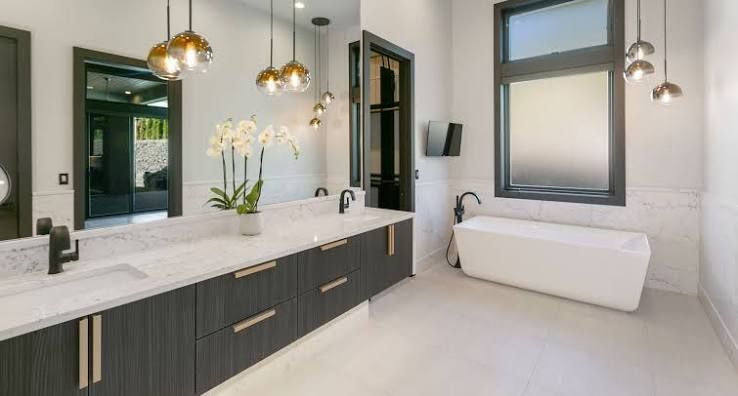
Planning Your Rhode Island Bathroom Lighting
Choosing bathroom lighting for a Rhode Island remodel comes down to a handful of decisions: layering ambient, task, and accent lighting; selecting the correct moisture ratings for each fixture location; and picking finishes that can handle coastal humidity over the long term. Getting these details right during the planning stage avoids costly changes once installation is underway.
If you're working through a remodel and want guidance on Rhode Island bathroom lighting suited to your home's age, layout, and location, reach out to discuss your project and get a clearer picture of what will work best for your space.
Rhode Island Bathroom Tile Selector & Calculator
Find the most suitable bathroom tile for your Rhode Island home and calculate how much tile you may need based on your room dimensions, installation area, tile format, and waste allowance.
Floor Area
Square feet of floor space.
Estimated Tile Area
Includes your selected wall or floor coverage.
Waste Allowance
Recommended extra material for cuts and breakage.
Order Quantity
Approximate tile area to plan for.
Tile Suitability
Frequently Asked Questions
What type of lighting is best for a bathroom vanity?
Fixtures positioned on either side of the mirror, rather than only overhead, generally provide the most even light across the face. A warm white colour temperature around 2700K to 3000K is a common choice for vanity areas.
Do shower lights need to be wet rated?
Yes. Any fixture installed inside or directly above a shower or tub needs to be wet rated to handle direct moisture exposure safely.
Are LED fixtures worth it for bathroom lighting?
LED fixtures use less energy, last longer, and produce less heat than incandescent bulbs, which makes them a practical choice given Rhode Island's humidity and higher-than-average electricity rates.
Does an older Rhode Island home need different lighting than a new build?
Older homes, particularly colonial and Victorian properties, often have smaller windows and less natural light, which increases reliance on well-planned artificial lighting. Fixture style also tends to differ, with period-appropriate finishes suiting historic homes better than contemporary designs.
Do I need a permit to install new bathroom lighting in Rhode Island?
Most municipalities require a permit for new wiring or circuit changes. Requirements vary by town, so it's worth checking with your local building department or working with a licensed electrician familiar with local codes.