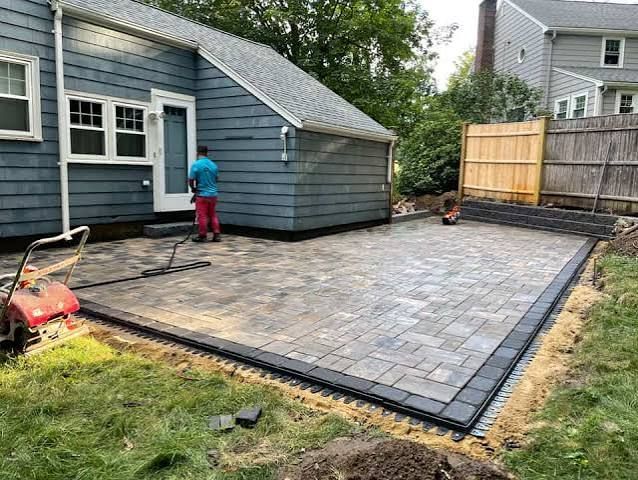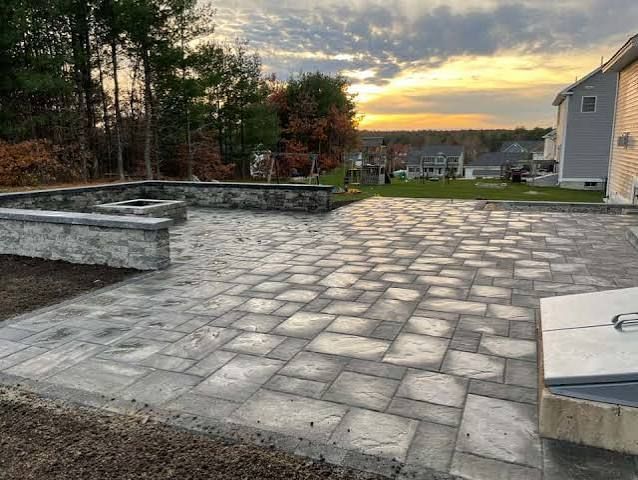

Patio Installation Timeline: RI Summer Guide

David Antonucci • June 3, 2026

If you're thinking about adding a patio to your home in Rhode Island, timing is everything. Our summers are short, our springs can be unpredictable, and booking a reputable contractor in Providence, Cranston, or Warwick often means getting on a waitlist months in advance. This guide walks you through exactly when to plan, what to expect at each stage, and how to make sure your outdoor living space is ready before the best weather slips by.


Why Rhode Island's Climate Makes Timing So Important


Rhode Island sits in a tricky spot when it comes to outdoor construction. The ground freezes hard in winter, which means patio installation in RI typically can't begin until the frost is fully out of the ground, usually late March through April depending on the year. On the flip side, summer is short. If you want to be enjoying your new patio by July 4th weekend in Newport or North Kingstown, you need to start planning no later than February or March.


The Ocean State also gets its share of spring rain, which can delay excavation and base work. Any contractor worth hiring will build buffer time into your project for weather delays, but that only works if the overall schedule starts early enough. Homeowners who call in May hoping for a June completion are almost always looking at a July or August finish at the earliest.


Month-by-Month Patio Installation Timeline for Rhode Island


Understanding the typical flow of a patio project helps you set realistic expectations and coordinate your schedule around the work.


January and February: Research and Planning


Winter is the best time to research patio contractors in Rhode Island. Most companies have slower schedules, which means you can get estimates faster, ask more questions, and sometimes lock in better pricing before the spring rush hits. Use this time to browse patio designs, decide between pavers, concrete, natural stone, or composite materials, and get a rough budget in place.


This is also when you should pull together any HOA guidelines if you live in a community in Coventry, Barrington, or East Greenwich, since some neighborhoods have restrictions on patio size, materials, or drainage that affect your design.


March: Get Estimates and Finalize Your Design


By early March, most Rhode Island patio contractors are booking spring jobs fast. This is the month to get at least three written estimates and compare them carefully. A thorough estimate should include:


  • Total square footage and material specifications
  • Site preparation and excavation details
  • Base layer depth and compaction requirements
  • Drainage solutions specific to your yard's slope and soil
  • Estimated project start date and completion timeline
  • Permit fees and who handles pulling permits


Ask each contractor whether they have experience working in your specific city or town. A contractor familiar with soil conditions in Smithfield, for example, will know that clay-heavy soil requires deeper base preparation to prevent frost heave than you might need in sandier coastal areas near Narragansett or Westerly.


April: Permits and Site Prep


April is when permitted work typically begins in Rhode Island. Depending on your municipality, a patio over a certain size may require a building permit. In Providence and Pawtucket, permits are often required for patios that are attached to the home's foundation or that involve drainage modifications. Your contractor should handle this process, but confirm it in writing before signing a contract.


Site preparation is the unglamorous but critical first step. This involves:


  • Marking utilities with Dig Safe (required by law in Rhode Island)
  • Excavating to the correct depth, usually 6 to 12 inches depending on the base design
  • Grading the area for proper drainage away from the home
  • Installing landscape fabric if the design calls for it
  • Compacting the gravel or crushed stone base in layers


This phase alone can take anywhere from one to three days depending on the size of the patio and the difficulty of the terrain.


May: Installation Begins


May is prime installation season for patios across Rhode Island. Temperatures are warm enough for materials to set and cure properly, frost is no longer a concern, and the rainy stretches of early spring have usually passed. If you've secured your contractor in March and permits came through smoothly, your patio installation in May typically takes between two and five days for an average-sized project of 200 to 400 square feet.


Paver patios are among the most popular choices for homeowners in cities like Cumberland, Lincoln, and Johnston, and for good reason. They're durable through Rhode Island winters, they can be repaired without tearing out the whole surface, and they offer a high-end look that adds real value to a home. Natural bluestone and travertine are also popular choices in higher-end neighborhoods along the East Bay and South County.


June: Finishing Touches and Landscaping Integration


Once the main patio surface is down, June is typically when the project gets finished out. This includes:


  • Polymeric sand installation and compaction for paver joints
  • Edge restraint installation and final grading around the perimeter
  • Sealing the surface if specified in your contract
  • Restoring any lawn or garden areas disturbed during excavation
  • Final walkthrough with your contractor and sign-off


This is also when most homeowners start integrating the patio with landscaping, adding raised planters, retaining walls, pergolas, or outdoor kitchen footings. If you're planning any of those additions, discuss them with your contractor upfront, because it's far more cost-effective to build everything at once than to come back and excavate again.


How Long Does Patio Installation Actually Take in Rhode Island?


The most common question homeowners ask is how many days the crew will be on site. Here's a general breakdown by project type:


  • Small paver patio (under 200 sq ft): 1 to 3 days of installation after site prep
  • Mid-size patio (200 to 500 sq ft): 3 to 5 days, plus 1 to 2 days for base prep
  • Large patio with walls or steps (500+ sq ft): 1 to 2 weeks total
  • Concrete patio (poured): 1 day for pour, plus 7 days minimum curing before use
  • Natural stone patio: 4 to 7 days depending on complexity of the layout


These timelines assume good weather. Rhode Island's late spring and early summer can still bring multi-day rain events, so add a buffer of a few days to any estimate you receive.


Patio Installation in Providence, Cranston, Warwick, and Beyond


Different cities and towns around Rhode Island have slightly different permit processes and contractor availability. Here's what to know for the major markets.


Providence and Pawtucket tend to have more complex permit requirements, particularly for attached patios or projects near older homes with lead paint or existing drainage systems. Budget an extra week or two for permit approval.


Cranston and Warwick are high-demand markets because of the density of single-family homes with yards suited to patio projects. Contractors book up fast in these areas, so getting estimates in February is strongly recommended if you want a Memorial Day or early June completion.


North Kingstown, Narragansett, and South County often have projects that involve coastal soil conditions or proximity to wetlands. If your yard is within 200 feet of a wetland or water feature, you may need a RIDEM review before breaking ground. Your contractor should flag this during the estimate process.


East Bay towns including Barrington, Bristol, and Warren have strong demand for upscale patio materials like natural bluestone and porcelain pavers. Premium material orders can take four to eight weeks to arrive, so material selection should happen in February or March to avoid delays.


Questions to Ask Before Hiring a Patio Contractor in Rhode Island


Before signing any contract, make sure you have clear answers to the following:


  • Are you licensed and insured in Rhode Island?
  • Do you handle Dig Safe notifications and permit applications?
  • What base thickness do you recommend for our specific site conditions?
  • What is your process for handling unexpected obstacles like buried rocks or poor drainage?
  • Is polymeric sand and sealing included or a separate cost?
  • What is your warranty on materials and labor?
  • Can you provide references from patio jobs in our city or town?


A contractor who can answer all of these clearly and without hesitation is a good sign. One who hedges or seems unfamiliar with local permit requirements is worth investigating further before you commit.


Common Mistakes That Delay Patio Projects in Rhode Island


Homeowners in Rhode Island who have been through a patio project before will tell you the same things. The biggest delays come from starting the process too late, underestimating base preparation requirements, and not accounting for permit lead times. Other common issues include:


  • Ordering materials without confirming availability, especially for imported stone
  • Failing to account for grading and drainage, which can lead to costly rework
  • Not getting a written start date in the contract, leaving you at the mercy of the contractor's schedule
  • Skipping the sealer on paver patios and facing staining or weed growth within the first season


A well-built patio in Rhode Island should last 25 to 30 years with minimal maintenance. The investment in proper base preparation and quality materials pays for itself over time, especially given how much outdoor living space adds to a home's value in a competitive real estate market like the Providence metro area.


Start Planning Your Rhode Island Patio Now


The homeowners who end up most satisfied with their patio projects in Rhode Island are the ones who treat the planning phase as seriously as the installation phase. Research contractors in January, get estimates in March, confirm permits and material orders by April, and you'll be grilling on your new patio by Memorial Day or shortly after.


Whether you're in Providence, Cranston, Warwick, Pawtucket, North Kingstown, or any of the smaller towns across the Ocean State, the timeline is the same: start early, vet your contractor thoroughly, and plan for weather. Rhode Island summers are too good to spend waiting on a patio that should have been done in June.

By David Antonucci June 3, 2026
If you have a small backyard in Rhode Island, you already know the challenge. The lot sizes across Providence, Cranston, Warwick, and Pawtucket tend to run on the compact side, and many older neighborhoods were built long before outdoor living became the priority it is today. But a tight footprint does not mean you have to sacrifice a beautiful, functional patio. With the right design approach, even the smallest RI backyard can become a genuine extension of your home. This guide covers the best patio designs for small Rhode Island backyards, with practical tips built around our local climate, building codes, and the specific quirks of New England outdoor spaces. Why Small Backyard Patio Design in Rhode Island Is Different Rhode Island's weather shapes every patio decision you make. We get real winters, humid summers, and shoulder seasons that swing wildly. That means materials, drainage, and layout all need to account for freeze-thaw cycles that crack the wrong pavers, spring runoff that floods poorly graded patios, and July humidity that makes certain furniture choices miserable. Beyond weather, Rhode Island's older housing stock in cities like Providence, Newport, and Woonsocket often comes with irregular lot shapes, shared fences, mature trees that limit sunlight, and older underground utilities that affect where you can dig. Local contractors who understand these conditions are worth their weight in gold. The Best Patio Layouts for Tight Spaces When square footage is limited, layout is everything. The goal is to make the space feel intentional rather than cramped. These are the layouts that work best for small Rhode Island backyards: L-shaped patios that follow the fence line and open up the center of the yard Circular or curved designs that soften the boundaries and make a small space feel larger Multi-level platforms that add visual interest and create separate zones without expanding the footprint Floating deck patios that sit just above grade and can be built without major excavation, which is helpful in older neighborhoods with unknown utility locations Corner patios tucked against the back and side of the house, which preserves lawn space if you need it The single biggest mistake homeowners make is centering a large square patio in the middle of a small yard. It eats up the space and makes everything feel boxed in. Pushing the patio to one side or corner almost always reads better visually. Best Patio Materials for Rhode Island's Climate Material selection matters more here than it does in milder climates. Rhode Island winters are hard on the wrong choices. Concrete pavers are the top choice for most small RI patio projects. They handle freeze-thaw cycles well, are easy to repair if one shifts or cracks, and come in enough styles to suit anything from a traditional colonial in Cranston to a modern home in East Providence. Natural bluestone is popular across Rhode Island, especially in Providence and Newport where there is a strong tradition of quality landscaping. It looks beautiful but requires proper sealing and a well-compacted base to prevent heaving. Porcelain tile pavers have become more common in recent years and perform well in our climate when properly installed. They resist staining, require minimal maintenance, and come in large-format sizes that visually expand a small patio. Brick suits New England's architecture perfectly and ages gracefully. Reclaimed brick is especially popular in older Providence neighborhoods where it echoes the character of the surrounding streetscape.  Poured concrete is the most budget-friendly option and works well when stamped or stained to add visual interest. On a small patio, a good stamped concrete finish can look sharp without the cost of individual pavers. What to avoid: basic pressure-treated wood decking as a ground-level patio surface tends to deteriorate faster than expected in Rhode Island's wet springs. If you want a wood look, composite decking is a better investment. Small Patio Design Ideas That Work in RI Backyards Here are specific design concepts that translate well to small Rhode Island outdoor spaces: The Outdoor Room Approach Treat the patio like a room with walls and a ceiling. Tall privacy fencing or a cedar pergola overhead defines the space and makes it feel complete rather than unfinished. This works especially well on smaller lots in Pawtucket and Central Falls where neighboring homes are close. The Kitchen and Dining Combo A small built-in grill station against one fence, paired with a compact dining set, creates a fully functional outdoor kitchen and dining area in as little as 150 square feet. This is one of the most searched and highest-value patio upgrades for Rhode Island homeowners. The Lounge-First Layout Instead of prioritizing dining, center the layout around comfortable seating and a fire pit or fire table. This is perfect for smaller households or anyone who entertains casually. A 10x12 patio with a loveseat, two chairs, and a fire table feels generous when done right. The Layered Planting Bed Border Surrounding the patio perimeter with raised planting beds adds privacy, softens the edges, and makes the patio feel like it belongs in the yard rather than sitting on top of it. Native Rhode Island plants like switchgrass, inkberry, and native hydrangeas are excellent choices that require minimal upkeep. Patio Privacy Solutions for Small RI Yards Privacy is one of the top concerns for Rhode Island homeowners with small backyards, especially in denser cities. A few solutions that work well here: Cedar privacy fencing is the standard for good reason. It handles our humidity well and looks better as it ages. Lattice panels with climbing plants offer a softer look and can grow to full privacy height within a couple of seasons. Pergolas with curtains or shade sails create an overhead enclosure that also handles afternoon sun from the west. Bamboo screens are a fast and cost-effective option, though they need to be the clumping variety to avoid spreading into neighbors' yards. Tall ornamental grasses planted along the fence line break up sightlines without requiring any structure. For homeowners in Providence, Newport, or Narragansett who live in historic districts, check local ordinances before building any fence or structure above a certain height. Some areas have specific rules about materials and heights that affect your options. How to Make a Small Patio Feel Bigger There are a handful of design tricks that landscape designers use specifically to make compact spaces read as larger than they are. First, use large-format pavers rather than small ones. A 24x24 paver on a 10x14 patio will make the space feel more open than a 4x8 brick pattern would. Fewer grout lines mean the eye travels farther without interruption. Second, keep the furniture scale appropriate. Oversized sectionals are the number one mistake on small Rhode Island patios. A 36-inch bistro table and two chairs can seat a couple comfortably without swallowing the space. Third, use vertical space. Tall planters, a small pergola with string lights, or even a simple wall-mounted herb garden draws the eye upward and makes the footprint feel less constrained. Fourth, choose one cohesive color palette for pavers, furniture, and accessories. A unified palette reads as calm and spacious. Too many contrasting colors make a small space feel busy. Average Patio Costs for Rhode Island Homeowners Costs vary based on materials and complexity, but here are realistic ranges for small patio projects in the Rhode Island market: Basic concrete paver patio (200 sq ft): $3,500 to $6,000 installed Bluestone or natural stone patio: $6,000 to $12,000 depending on stone selection and base work Stamped concrete patio: $4,000 to $8,000 installed Pergola addition: $4,000 to $10,000 depending on size and material Built-in fire pit: $1,500 to $4,000 These numbers reflect typical contractor pricing in Providence, Cranston, Warwick, and Woonsocket as of 2025. Labor costs in Rhode Island run higher than national averages, so budget accordingly and get at least three quotes from local landscaping contractors. Final Thoughts on Small Backyard Patio Design in Rhode Island A small backyard in Rhode Island is not a limitation. It is an opportunity to be intentional. The best patio designs for tight RI spaces are the ones that balance function, materials built for our climate, and a layout that makes every square foot count. Whether you are in a Cape-style home in Warwick, a triple-decker neighborhood in Providence, or a beach cottage in Narragansett, the right patio design transforms the way you use your outdoor space from May through October. Start with a clear sense of how you want to use the space, choose materials that perform in New England winters, and work with a contractor who knows the local ground. The Ocean State has some genuinely beautiful outdoor living potential. Even in a small backyard, you just have to design for it.
By David Antonucci June 3, 2026
If you're a homeowner in Rhode Island thinking about adding outdoor living space, one of the first decisions you'll face is whether to build a patio or a deck. Both options can dramatically increase your enjoyment of your property and add real estate value, but the costs, materials, and long-term considerations are quite different. Whether you're in Providence, Warwick, Cranston, North Kingstown, or anywhere else in the Ocean State, this guide breaks down what you can realistically expect to spend and which option might be right for your yard. What Is the Average Cost of a Patio in Rhode Island? In Rhode Island, the average cost to install a patio typically ranges from $8 to $25 per square foot, depending on the material you choose and the complexity of the project. For a standard 300 to 400 square foot patio, most Rhode Island homeowners spend between $3,500 and $10,000 installed. Concrete patios sit at the lower end of the range. A basic poured concrete patio in Cranston or Woonsocket might run $8 to $12 per square foot, making it one of the most affordable options available. Stamped concrete, which can mimic the look of stone or brick, typically costs $12 to $18 per square foot. Natural stone and bluestone patios are popular in Rhode Island, especially in higher-end markets like Barrington, Bristol, and East Greenwich, where homeowners want a premium finish. These materials can push costs to $20 to $30 per square foot or more once labor is factored in. Pavers, which offer a clean and durable look, generally land in the $10 to $20 per square foot range for supply and installation. Common patio materials and their installed cost ranges in RI: Poured concrete: $8 to $12 per square foot Stamped concrete: $12 to $18 per square foot Concrete pavers: $10 to $20 per square foot Natural stone or bluestone: $20 to $30 per square foot Brick: $14 to $22 per square foot What Is the Average Cost of a Deck in Rhode Island? Deck construction in Rhode Island generally costs more per square foot than a basic patio, but it adds elevated outdoor living space that a flat patio simply cannot provide. For a standard pressure-treated wood deck, expect to pay $15 to $25 per square foot installed. Composite decking, which is extremely popular across Rhode Island due to its durability in the New England climate, typically runs $25 to $45 per square foot. For a 300 to 400 square foot deck in cities like Warwick, Providence, or Cumberland, total project costs commonly fall between $6,000 and $18,000, depending on the height of the deck, materials used, and any added features like built-in benches, stairs, or railing systems. Common deck material options and cost ranges for Rhode Island homeowners: Pressure-treated pine: $15 to $25 per square foot Cedar or redwood: $20 to $35 per square foot Composite decking (Trex, TimberTech): $25 to $45 per square foot PVC decking: $30 to $50 per square foot Hardwood (ipe, tigerwood): $30 to $55 per square foot High decks that require significant structural work, footings dug below Rhode Island's frost line (typically 48 inches), or custom multi-level designs can push project costs well above $20,000. Patio vs Deck Cost: A Side-by-Side Comparison When comparing costs for a similar sized outdoor space in Rhode Island, patios almost always come in lower on the initial price tag. However, the right choice depends on more than just upfront cost. Here is a quick side-by-side for a 350 square foot outdoor space in Rhode Island: Basic concrete patio: $2,800 to $4,200 Paver patio: $3,500 to $7,000 Pressure-treated wood deck: $5,250 to $8,750 Composite deck: $8,750 to $15,750 The gap narrows if you're comparing a high-end natural stone patio to a basic pressure-treated deck. In those cases, the patio can actually cost more upfront, particularly if site prep requires grading or drainage work, which is common on sloped yards throughout Rhode Island. How Rhode Island's Climate Affects Your Decision New England winters are hard on outdoor structures, and Rhode Island is no exception. The freeze-thaw cycles that run from November through March can affect both patios and decks, but in different ways. Poured concrete and natural stone patios can crack over time due to ground movement and frost heave. Proper base preparation with gravel and sand layers is critical to long-term performance. Paver patios handle freeze-thaw cycles better because individual pieces can shift slightly without cracking, and individual pavers can be replaced if they settle. Wood decks require annual maintenance in Rhode Island. Pressure-treated wood should be cleaned and sealed each year to prevent moisture damage, mold, and graying. Composite decking was developed specifically to handle the kind of wet, cold conditions Rhode Island sees every winter, which is why it has become the preferred choice for deck builders across the state from Westerly to Woonsocket. Permits and Regulations in Rhode Island Both patios and decks may require permits depending on their size and location in Rhode Island. In Providence, Warwick, and most other Rhode Island municipalities, any deck attached to your home will require a building permit. Detached ground-level structures may fall below the permit threshold in some towns, but you should always check with your local building department before starting work. Permit costs in Rhode Island typically range from $150 to $500 depending on the scope of the project and the municipality. Providence, Cranston, and Pawtucket have their own permitting departments, while smaller towns like Jamestown, Little Compton, and Tiverton may process permits through a town hall office. Factors that affect permitting requirements in Rhode Island: Whether the structure is attached to the house Height above grade (decks over 30 inches off the ground face stricter requirements) Proximity to property lines and wetlands HOA restrictions in communities like those in North Kingstown or South Kingstown Does a Patio or Deck Add More Value in Rhode Island? Real estate data consistently shows that well-built outdoor living spaces improve resale value, but the type of outdoor space matters. In Rhode Island's competitive housing market, composite decks and natural stone patios tend to deliver the strongest returns. A well-designed composite deck in a Rhode Island suburb can return 60 to 70 percent of its cost at resale. Paver patios and natural stone installations often return 50 to 65 percent. A basic concrete patio, while affordable upfront, tends to return less at resale because buyers in markets like Barrington, East Greenwich, and Westerly expect a more finished look. In coastal Rhode Island communities like Newport, Narragansett, and Middletown, outdoor living space is especially valued. Buyers in these markets are often looking for usable outdoor areas that complement the natural surroundings, and a quality deck or bluestone patio can be a meaningful selling point. Long-Term Maintenance Costs to Factor In Upfront installation price is only part of the equation. When you're comparing patio vs deck costs in Rhode Island, factor in what you'll spend over 10 to 15 years of ownership. Patio maintenance costs over time: Concrete patios: sealing every 2 to 3 years, crack repair as needed Paver patios: resanding joints every few years, occasional releveling Natural stone: sealing annually, minimal structural maintenance Deck maintenance costs over time: Pressure-treated wood: annual cleaning, staining or sealing every 2 to 3 years Composite decking: periodic cleaning, no staining or sealing required Cedar: annual oiling or staining recommended Composite decking carries a higher upfront cost but dramatically reduces ongoing maintenance expenses. For busy Rhode Island homeowners who do not want to spend weekends on upkeep, composite decks often justify the additional investment. Which Is Right for Your Rhode Island Home? The best choice between a patio and a deck comes down to your yard's topography, your budget, and how you plan to use the space. A patio is typically the better choice if: Your yard is relatively flat and level You want a lower upfront cost You prefer a ground-level outdoor space connected to the landscape You're in a city like Providence or Cranston where yard space is limited A deck is typically the better choice if:  Your home has a raised first floor or a sloped backyard You want elevated outdoor living with views You're prepared to invest in composite or PVC materials for low maintenance You live in a coastal or lakefront community where outdoor living is a major lifestyle feature
By David Antonucci June 3, 2026
Adding a patio to your home is one of the smartest investments you can make as a Rhode Island homeowner. Whether you live in Providence, Cranston, Warwick, North Kingstown, or anywhere else across the Ocean State, a well-built outdoor living space adds real value to your property and gives your family a place to enjoy those warm New England summers. But like any home improvement project, the cost can feel like a barrier before it ever gets started. The good news is that there are more patio financing options available to Rhode Island homeowners than most people realize. From home equity loans to contractor financing plans, understanding your choices before you start getting quotes puts you in a much stronger position. This guide breaks down every major option so you can move forward with confidence. What Does a Patio Actually Cost in Rhode Island? Before diving into financing, it helps to understand the range of investment you're looking at. Patio costs in Rhode Island vary widely based on materials, size, labor, and the specific contractor you hire. As a general benchmark for the Providence area and surrounding communities: Basic concrete or paver patio (10x12): $3,000 to $7,000 Mid-range patio with retaining walls or lighting: $8,000 to $18,000 Premium outdoor living spaces with pergolas, built-in seating, and fire features: $20,000 to $60,000+ Labor costs in Warwick, Cranston, and greater Providence tend to be somewhat higher than national averages, which is worth factoring in when comparing financing amounts. A Coventry homeowner budgeting for a $12,000 project has very different financing needs than someone in East Greenwich planning a $40,000 outdoor kitchen setup. Home Equity Loans for Rhode Island Patio Projects A home equity loan is one of the most popular ways Rhode Island homeowners finance large patio projects. You borrow a fixed lump sum against the equity you have built up in your home, then repay it at a fixed interest rate over a set term, usually five to fifteen years. This option works especially well if you have owned your home for several years and have built up meaningful equity. With real estate values across Providence County, Kent County, and Washington County having risen steadily over the past decade, many local homeowners are sitting on more equity than they expect. Benefits of home equity loans for patio financing in Rhode Island: Fixed monthly payments make budgeting straightforward Interest rates are generally lower than personal loans or credit cards Interest may be tax deductible if the funds are used for home improvement (consult a tax professional) Larger loan amounts available for bigger outdoor living projects The main downside is that your home is used as collateral, so missed payments carry real risk. Rhode Island homeowners can apply through local institutions like BankNewport, Navigant Credit Union, or any of the major national lenders operating in the state. Home Equity Lines of Credit (HELOCs) in Rhode Island A HELOC works differently than a home equity loan. Instead of receiving a lump sum, you get access to a revolving line of credit that you can draw from as needed during a set draw period, typically five to ten years. This can be a smart choice if your patio project will be completed in phases or if you are still finalizing the scope with your Cranston or Warwick contractor. HELOCs usually come with variable interest rates, which means your monthly payment can fluctuate over time. Rates are generally tied to the prime rate, so it is worth keeping an eye on where rates are heading before committing. That said, during the draw period you often only pay interest on what you have actually used, which can keep early costs lower. Several Rhode Island credit unions offer competitive HELOC products, and shopping locally often yields better terms than going with a large national bank. Institutions like Pawtucket Credit Union and Greenwood Credit Union are worth a call if you are based in the Providence metro area. Personal Loans for Patio Financing in Rhode Island Not every homeowner has significant equity available, especially if you purchased your home recently or put less than 20 percent down. In those cases, a personal loan is a solid alternative for financing a Rhode Island patio project. Personal loans are unsecured, meaning your home is not used as collateral. That comes with a trade-off: interest rates are typically higher than home equity products. However, for projects under $15,000, many homeowners find that the simplicity and speed of a personal loan makes it worth the slightly higher rate. Key things to look for when comparing personal loans in Rhode Island: APR (annual percentage rate) rather than just the stated interest rate Origination fees, which can add hundreds to the total cost Prepayment penalties if you want to pay the loan off early Funding timeline, since some lenders deposit funds within 24 to 48 hours Online lenders like LightStream, SoFi, and Marcus by Goldman Sachs operate in Rhode Island and are frequently competitive on rates for borrowers with good credit. Comparing at least three offers before committing is always a smart move. Contractor Financing Plans Available in Rhode Island Many patio and landscaping contractors serving Cranston, Lincoln, Johnston, and other Rhode Island communities now offer in-house or third-party financing directly through their business. This can be one of the most convenient options because it keeps everything in one place. You get your estimate, choose your design, and arrange payment all in the same conversation. Contractor financing typically works through a partnership with a third-party lender like Greensky, Synchrony, or Service Finance Company. Terms vary but often include: 12 to 60 month repayment plans Promotional no-interest periods (often 12 to 18 months if paid in full) Same-day or next-day approvals for qualified applicants Minimum credit score requirements that vary by lender One thing to watch with contractor financing is that promotional periods can come with deferred interest rather than true zero interest. If you carry any balance after the promotional window closes, you may be charged interest retroactively on the full original amount. Read the fine print before signing. FHA Title I Home Improvement Loans Rhode Island homeowners who do not have enough equity for a HELOC and prefer not to take an unsecured personal loan have another option worth exploring: the FHA Title I Home Improvement Loan program. This federally backed loan allows homeowners to borrow up to $25,000 for home improvements without requiring equity in the property. Title I loans are available through HUD-approved lenders and can be used for permanent improvements to a primary residence, which generally includes permanent patio structures. Because the loans are government-backed, lenders are sometimes willing to work with borrowers who have credit challenges. To find approved lenders operating in Rhode Island, visit the HUD website and use their lender search tool filtered to the state. Interest rates and terms vary by lender but tend to be competitive given the government backing. Rhode Island Housing Improvement Programs It is worth checking whether your city or town participates in any local improvement programs that could reduce your out-of-pocket costs. While specific programs change regularly, Rhode Island Housing and some municipalities have offered deferred loan programs and grants to qualifying homeowners, particularly those who meet income thresholds. Communities to check with directly include: Providence Neighborhood Housing Services Warwick Community Development Cranston Community Development Division Pawtucket Community Development These programs are not always advertised prominently, and funding can be limited, so calling directly is the fastest way to find out what is currently available in your area. Credit Cards: When They Make Sense and When They Don't Using a credit card to finance a Rhode Island patio project is rarely the best long-term strategy, but there are situations where it makes sense as part of a broader plan. If you have a card with a 0 percent introductory APR offer and you are confident you can pay the balance in full before the promotional period ends, using a credit card can actually be one of the cheapest ways to finance a smaller project. Cards with strong rewards programs are another consideration for homeowners who are paying cash anyway. Earning two to three percent back on a $10,000 project adds up to real money. Just make sure the rewards benefit outweighs any processing fees your contractor might charge for card payments. Where credit cards get dangerous is when they become a long-term financing tool at regular purchase APRs, which commonly run between 20 and 28 percent. At those rates, a $15,000 patio can end up costing significantly more over time. How to Choose the Right Patio Financing Option in Rhode Island The right choice depends on a few key factors that are unique to your situation. Here is a simple framework for narrowing it down: You have strong home equity and a big project: Home equity loan or HELOC You need fast approval and have good credit: Personal loan or contractor financing Your project is smaller and you can pay it off quickly: 0% intro APR credit card or personal loan You have limited equity and want a government-backed option: FHA Title I loan You are working with a budget-conscious income: Check local and state housing programs first Getting pre-approved with two or three lenders before you finalize your contractor gives you negotiating power and a clearer sense of your real monthly payment before you commit. Final Thoughts for Rhode Island Homeowners A new patio is one of those investments that you will enjoy every day while simultaneously building long-term property value. Rhode Island summers are short and sweet, which makes having a beautiful outdoor space even more worthwhile. The financing landscape in 2025 offers more flexibility than ever before, whether you are in Woonsocket planning a modest paver patio or in East Greenwich designing a full outdoor living suite. Take the time to compare your options, understand the full cost of borrowing, and work with a licensed, insured contractor who has experience with Rhode Island's soil conditions, permitting requirements, and seasonal timeline. The combination of the right contractor and the right financing plan is what turns a great idea into a finished project you love.  If you are ready to start exploring what a patio could look like on your property, reach out for a free estimate and we can walk through financing options that fit your budget and timeline.
By David Antonucci June 3, 2026
If you're a Rhode Island homeowner thinking about upgrading your outdoor living space, chances are you've already started comparing pergolas and patio covers. Both options can dramatically transform a backyard, but they serve different purposes, suit different climates, and come with very different price tags. Whether you're in Warwick, Providence, Cranston, Barrington, or anywhere else in the Ocean State, this guide will help you make the right call before you spend a dime. What Is a Pergola? A pergola is an open-air outdoor structure supported by posts and topped with a lattice or series of cross beams. It doesn't provide full overhead coverage, which means sun and rain can filter through the top. Many Rhode Island homeowners love pergolas for the aesthetic they bring to a backyard. They have a classic, architectural look that works well with colonial and craftsman-style homes, which are extremely common throughout RI. Pergolas are typically made from wood, vinyl, or aluminum. Cedar and pressure-treated lumber are popular in New England because they hold up reasonably well against moisture, though they still require regular maintenance given Rhode Island's wet springs and harsh winters. You can dress a pergola up with climbing plants like wisteria or Virginia creeper, string lights, retractable shade canopies, or outdoor curtains to add privacy and partial shade. A well-built pergola in Cranston or East Greenwich can become a true focal point of the backyard rather than just a functional structure. What Is a Patio Cover? A patio cover is a solid or semi-solid roof attached to the back of your home that extends over a patio area. Unlike a pergola, a patio cover is designed to actually keep the rain out and block direct sunlight. It typically attaches to the house on one side and is supported by posts on the other. Patio covers come in several styles: Solid patio covers made from aluminum, wood, or polycarbonate panels that fully block rain and UV rays Lattice-style patio covers that offer partial shade while still allowing some light through Insulated aluminum patio covers that are popular for year-round use in colder New England climates Pergola-style patio covers that blur the line between the two, using a pergola frame with a retractable or fixed shade element added on top In Rhode Island, patio covers are especially popular in neighborhoods where people want a true outdoor room that can be used even on rainy days. Homeowners in North Kingstown, South Kingstown, and along the coastal communities in Washington County often invest in covered patios because of the proximity to water and the exposure to wind and rain that comes with it. Pergola vs Patio Cover: The Key Differences Before you decide, it helps to understand the core distinctions side by side. Weather Protection A patio cover wins here, and it's not particularly close. Rhode Island gets roughly 47 inches of rainfall per year, which is above the national average. If you want a space you can actually use when it's drizzling on a Saturday afternoon in October, a patio cover gives you that. A pergola without a canopy or shade sail added to it offers very little rain protection. Aesthetics and Ambiance This is where pergolas shine. There's a reason pergolas are so popular in Barrington, Bristol, and Narragansett, communities with beautiful homes and a strong emphasis on curb appeal and outdoor living. A pergola creates an inviting, garden-like atmosphere that most solid patio covers simply can't match. If the visual experience matters as much to you as the function, a pergola may be the better fit. Cost in Rhode Island Both structures vary widely in cost depending on materials, size, and installation complexity. Here's a general range for Rhode Island homeowners: Basic pergola (wood, DIY-assembled): $2,500 to $5,000 Custom-built pergola (cedar, contractor-installed): $6,000 to $15,000+ Aluminum or vinyl pergola: $4,000 to $10,000 Attached patio cover (basic aluminum): $3,500 to $7,000 Insulated aluminum patio cover: $8,000 to $18,000 Custom wood patio cover: $10,000 to $25,000+ Labor costs in Rhode Island tend to run higher than national averages, so factor in at least 30 to 50 percent of material costs for professional installation in cities like Providence or Cranston. Permits and Building Codes Rhode Island municipalities have varying requirements for outdoor structures. In most RI cities and towns, a structure over a certain square footage or height will require a building permit. Warwick, Providence, and Cranston all have specific zoning rules around attached versus freestanding structures. Always check with your local building department before starting any project, or work with a contractor who handles permitting as part of the job. Which Is Better for Rhode Island's Climate? This is the question most Rhode Island homeowners care about most, and the honest answer depends on what you're optimizing for. Rhode Island has a humid continental climate with warm summers, cold winters, and precipitation spread fairly evenly throughout the year. Coastal towns like Narragansett, Newport, and Westerly experience additional wind exposure and salt air, which affects material choices significantly. For year-round use: A solid patio cover, especially an insulated aluminum version, is hard to beat. You can screen it in for summer, add a portable heater for fall evenings, and the structure holds up without much maintenance through winter. For summer entertaining: A pergola with a retractable canopy is a beautiful option. You get shade when you want it and open sky when you don't. Many homeowners in Barrington and Bristol go this route and love the flexibility. For coastal properties: Aluminum structures outperform wood in salty, humid air. Whether you're choosing a pergola or a patio cover near the water, aluminum or composite materials will last significantly longer with less upkeep than untreated wood. For traditional New England homes: A stained cedar or pressure-treated wood pergola often looks the most natural and fits the aesthetic of older homes found throughout the East Side of Providence, Lincoln, and Cumberland. Pergolas in Rhode Island: Pros and Cons Pros: Highly customizable with plants, lights, and fabric accents Better curb appeal and visual impact for most traditional RI home styles Lower starting cost for basic models Can be freestanding away from the house, which avoids some permitting complications Adds significant property value and buyer appeal in competitive RI real estate markets Cons: Limited rain and weather protection without add-ons Wood options require regular staining or sealing in Rhode Island's climate Not ideal for year-round use without significant modification May require permits depending on size and municipality Patio Covers in Rhode Island: Pros and Cons Pros: Full protection from rain, which matters in a state that sees precipitation nearly half the year More usable square footage year-round Insulated options can reduce heat gain in summer and retain warmth in shoulder seasons Low-maintenance aluminum options hold up well through New England winters Can be integrated with lighting, fans, and outdoor heating Cons: Typically more expensive upfront, especially for custom or insulated models Attached structures require permits and must comply with local building codes Can reduce natural light into the home if not designed carefully Less visually flexible than an open pergola Best Materials for Outdoor Structures in Rhode Island Given the climate, here are the top material choices for RI homeowners: Aluminum: The most durable and low-maintenance choice, especially near the coast. Powder-coated aluminum resists rust, salt air, and UV fading with minimal upkeep. Cedar: A beautiful natural option that handles moisture better than most softwoods. Requires sealing every one to two years in Rhode Island conditions. Vinyl (PVC): Affordable, low-maintenance, and weather-resistant. Lacks the natural look of wood but performs well over time. Pressure-treated lumber: A budget-friendly wood option, but chemical treatment and appearance are concerns for some homeowners. Composite materials: Increasingly popular for decks and pergola framing. Holds up well in wet conditions and doesn't require staining. Adding Value to Your Rhode Island Home One of the most common questions homeowners ask is whether a pergola or patio cover actually adds value to a property. The short answer is yes, both can increase home value, but the degree depends on quality, materials, and how well the structure is integrated with the overall outdoor space. In Rhode Island's competitive real estate market, outdoor living features are increasingly important to buyers. Homes in Barrington, East Greenwich, and coastal communities like Jamestown and Little Compton with well-designed outdoor structures consistently command stronger prices and faster sales than comparable homes without them. A professionally installed pergola or patio cover that ties into the home's architecture and landscaping is a genuine selling point. A cheap kit pergola that's starting to warp or lean, on the other hand, can actually hurt perceived value. Invest in quality materials and professional installation if one of your goals is long-term return on investment. Questions to Ask Before You Decide Before you commit to a pergola or patio cover for your Rhode Island property, work through these questions: How often do you actually want to use the space, and during which seasons? Is rain and weather protection a priority, or is aesthetics your main goal? What is the architectural style of your home, and which structure will complement it? Are you near the coast, and will salt air and wind exposure affect your material choice? What is your realistic budget, including installation and permits? Do you want a structure attached to the house or freestanding in the yard? Are you planning to sell within five to ten years, and how will this investment affect resale value? Final Verdict: Pergola or Patio Cover for Rhode Island? There's no single right answer, but here's a simple way to think about it. Choose a pergola if you prioritize aesthetics, want flexibility in how you use and style the space, and are primarily thinking about spring through fall use. A well-built wood or aluminum pergola in Rhode Island can be stunning and adds real character to a backyard, especially on larger or more landscaped properties. Choose a patio cover if you want weather protection, year-round usability, and a low-maintenance structure that holds up through Rhode Island winters without much attention. Insulated aluminum patio covers in particular are a practical, long-lasting investment for families who want to maximize their outdoor time regardless of what the weather is doing. And if budget allows, a louvered pergola system might be the smartest investment of all for Rhode Island homeowners who refuse to compromise between beauty and function.  Whatever direction you go, make sure you're working with a licensed contractor who understands local permitting requirements and has experience building in Rhode Island's specific climate conditions. The right structure, built right, will give you decades of enjoyment.
By David Antonucci June 3, 2026
If you're a homeowner in Rhode Island thinking about adding a patio, you've probably wondered whether the investment is actually worth it. The short answer is yes, and often by more than you might expect. Outdoor living improvements consistently rank among the top renovations for return on investment, and in a competitive real estate market like Rhode Island, a well-designed patio can make a meaningful difference when it comes time to sell or refinance. This guide breaks down exactly what Rhode Island homeowners can expect in terms of patio ROI, which materials and styles perform best, and how local factors from Providence to Warwick to Newport shape the numbers. What Is the Average ROI for a Patio in Rhode Island? Nationally, a wood deck or patio addition returns somewhere between 60% and 80% of its cost at resale, according to Remodeling Magazine's annual Cost vs. Value Report. In Rhode Island, that figure can lean toward the higher end of the range, especially in coastal communities and high-demand neighborhoods where outdoor space is at a premium. A concrete patio averaging $6,000 to $10,000 in installation cost might add $5,000 to $8,000 in appraised home value. A more elaborate natural stone or paver patio running $15,000 to $25,000 can push resale value up by a comparable margin while also dramatically improving the appeal of your listing. The key takeaway: you may not recoup every dollar, but a quality patio makes your home sell faster and for closer to asking price, which matters just as much as the raw ROI percentage. Why Outdoor Living Space Matters More in Rhode Island Rhode Island has a distinct outdoor culture that directly affects how buyers perceive patio space. Summers on Narragansett Bay, evenings in Bristol Harbor, and backyard gatherings in Cranston and Johnston are a genuine part of daily life here. Buyers are not just looking for a concrete slab. They're imagining where they'll host cookouts, sip morning coffee, and spend long New England summer nights. This lifestyle factor inflates the perceived value of a well-done patio beyond what comparable renovations might fetch in less outdoor-oriented markets. Local real estate agents consistently report that homes with finished outdoor living areas move faster and receive stronger offers than comparable homes without them. Best Patio Materials for Rhode Island Homes and ROI Material choice plays a major role in both the cost of your project and its contribution to home value. Here's how the most common options break down for Rhode Island homeowners: Natural stone patios (bluestone, granite, fieldstone): Highest upfront cost, highest visual appeal, excellent longevity in New England's freeze-thaw climate. Strong ROI in higher-value markets like Providence's East Side, Barrington, and Newport. Concrete pavers : A mid-range option with a clean, polished look. Durable, repairable, and widely popular in suburbs like North Kingstown, Coventry, and East Greenwich. Poured concrete : Budget-friendly and practical. Functional ROI, though less impressive on listings compared to stone or pavers. Composite decking and patio combos : Popular in coastal areas like Narragansett and South Kingstown where moisture resistance matters. Adds usable square footage and visual interest. Brick patios : Traditional New England aesthetic, high curb appeal, and a strong fit for older colonial and cape-style homes common throughout Rhode Island. For purely ROI-focused homeowners, concrete pavers tend to hit the sweet spot between cost and value-add across most Rhode Island neighborhoods. How Patio Size and Features Affect Home Value in RI Size matters, but so does what you put on it. A basic 200-square-foot slab adds value. A thoughtfully designed 400-square-foot outdoor room adds considerably more, especially when it includes features buyers are actively searching for. High-return patio features in the Rhode Island market include: Built-in seating walls and fire pits Outdoor kitchens or prep areas with grills and countertops Pergolas and shade structures Low-voltage landscape lighting Seamless transitions from indoor living to outdoor space Privacy fencing or planted buffers These features increase the functional value of the space and make listings far more attractive in online searches, where buyers are scrolling through photos before they ever schedule a showing. Patio ROI by Rhode Island City and Region Location within Rhode Island has a noticeable impact on patio ROI. Buyer expectations, lot sizes, and median home prices vary significantly from one community to the next. Providence: In dense urban neighborhoods, private outdoor space is a genuine selling point. Even a modest patio or courtyard can generate strong buyer interest in neighborhoods like Wayland Square, Mount Hope, and Federal Hill where outdoor space is scarce. Warwick: One of the state's most active real estate markets. Larger lot sizes mean buyers expect a usable backyard, and a finished patio helps a listing stand out. Warwick homeowners see consistent returns on patio investments. Cranston: Similar dynamics to Warwick. Suburban buyers here are comparing multiple listings, and a patio tips the scales toward homes that feel move-in ready. ROI tracks strongly in neighborhoods like Edgewood and Garden City. Newport: The luxury and tourism-driven real estate market in Newport rewards outdoor upgrades generously. High-end stone patios with views, fire features, or entertaining areas fit the lifestyle buyers in this market are seeking. East Greenwich and Barrington: These are among Rhode Island's highest median home value towns, and buyers there expect quality finishes throughout the property, including outdoors. A professionally installed paver or stone patio aligns with buyer expectations and supports strong appraisal values. South Kingstown and Narragansett: Coastal proximity drives demand for outdoor entertaining space. A durable, attractive patio is close to a must-have for competitive listings near the water. North Providence and Johnston: More price-sensitive markets, but a clean, well-maintained patio still adds meaningful curb appeal and helps homes sell faster than those without outdoor improvements. Patio vs. Deck: Which Has Better ROI in Rhode Island? This is one of the most common questions Rhode Island homeowners ask, and the honest answer is that it depends on your property. Decks are typically better suited for homes with elevated first floors, sloped backyards, or lots where ground-level construction is difficult. Wood decks have a national average ROI around 65% to 70%, while composite decks run slightly lower due to higher material costs but require less maintenance. Patios, being at-grade structures, are often less expensive to install and blend more naturally with the landscape. They also tend to feel more permanent and substantial to buyers, which can translate to stronger appraisals. For most ranch, cape, and split-level homes common throughout Rhode Island, a patio is typically the better financial choice. For colonial-style homes with elevated rear entries, a deck or combination deck-and-patio layout often makes more sense. How to Maximize Your Patio's Impact on Resale Value Getting the most out of your patio investment comes down to a few practical decisions. First, design with the neighborhood in mind. A $30,000 outdoor kitchen on a $250,000 home in a modest neighborhood will not return its cost. Scale your patio investment to your home's overall value and what comparable homes in your area offer. Second, use materials appropriate for New England's climate. Rhode Island winters are hard on outdoor surfaces. Materials that crack, heave, or deteriorate quickly will hurt your home's appearance and perceived value. Invest in quality upfront. Third, keep it maintained. A cracked or weedy patio is worse than no patio at all from a buyer psychology standpoint. Annual cleaning, joint sand refreshing, and sealing extend the life and visual appeal of any patio surface. Fourth, work with a licensed Rhode Island contractor. Proper permitting, grading, and drainage are especially important in areas prone to standing water or frost heave. A professionally installed patio holds its value better and avoids the red flags that can arise during buyer inspections. Questions Rhode Island Homeowners Ask About Patio ROI Does adding a patio increase property taxes in Rhode Island? Potentially, yes. Significant improvements to your property can trigger a reassessment. The increase is typically modest and offset by the home value gained, but it's worth factoring into your overall budget. How long does it take to see the ROI on a patio in RI? If you're planning to sell within one to three years, you'll see the ROI reflected in your sale price and speed of sale. If you're staying long-term, the functional enjoyment adds value that doesn't show up in appraisals but is very real in daily life. Do I need a permit to build a patio in Rhode Island? It depends on the municipality and the scope of the project. In many RI cities and towns, ground-level patios under a certain square footage do not require a permit, but attached structures, pergolas, and outdoor kitchens often do. Check with your local building department in Providence, Warwick, Cranston, or wherever your home is located. The Bottom Line on Patio ROI in Rhode Island A well-planned, properly installed patio is one of the smartest investments a Rhode Island homeowner can make. It adds livable square footage, improves curb and backyard appeal, and resonates with buyers who want to take full advantage of the state's outdoor lifestyle. The exact return will vary based on your neighborhood, materials, and how the patio fits into the overall property, but across the state from Providence to Narragansett, from East Greenwich to Newport, the trend is consistent. Homes with quality outdoor living space sell faster and command better prices than those without.  If you're considering a patio addition or upgrade, the time to plan is now. Rhode Island's outdoor season is short, and buyers notice every detail.
By David Antonucci June 3, 2026
If you're thinking about adding a patio to your Rhode Island home, you're not alone. Homeowners across Providence, Warwick, Cranston, North Kingstown, and Barrington are investing in outdoor living spaces that can be enjoyed from spring through fall. But before you pick a stone, a contractor, or a color, you need quotes. Getting patio quotes in Rhode Island is a straightforward process when you know what to look for, who to call, and what questions to ask. This guide walks you through everything you need to know, from the first phone call to the day you sign a contract. Why Getting Multiple Patio Quotes in Rhode Island Matters Rhode Island is a small state, but pricing for patio installation can vary significantly from one contractor to the next. Labor costs, material availability, and demand all fluctuate depending on the season and the region. A patio quote in Providence might look different from one in South Kingstown, even for the same job. Getting at least three quotes is the standard recommendation among home improvement professionals, and for good reason. Multiple bids give you a realistic sense of fair market pricing, help you spot outliers (both suspiciously low and unreasonably high), and give you leverage when negotiating. They also reveal how different contractors approach your project, which tells you a lot about their professionalism and experience. Types of Patios Commonly Installed in Rhode Island Before reaching out to contractors, it helps to have a general idea of what you want. Rhode Island homeowners typically request quotes for: Bluestone patios - A popular choice across the East Side of Providence and coastal communities like Narragansett and Little Compton due to its natural look and durability in New England winters. Paver patios - Concrete or brick pavers are widely available and installed by most landscaping and masonry contractors throughout the state. Natural stone patios - Granite, slate, and fieldstone are common in older Rhode Island neighborhoods where the aesthetic fits existing architecture. Stamped concrete patios - A cost-effective alternative that mimics higher-end materials, popular in Warwick, Cranston, and Johnston. Composite deck and patio combinations - Common in Barrington and East Greenwich where homeowners are combining indoor-outdoor living. Knowing what type of patio you want before you request quotes will make conversations with contractors faster and more productive. What Information to Have Ready Before Requesting Quotes Contractors can give you faster and more accurate quotes when you come prepared. Before you start making calls, have the following ready: Approximate square footage of the area where the patio will go Whether the space is currently grass, gravel, concrete, or something else Your preferred material or at least a general style direction Any existing features nearby (trees, garden beds, slopes, drainage concerns) Whether you want any extras like a fire pit, retaining wall, built-in seating, or outdoor lighting Your rough budget range, if you have one You don't need to have every detail figured out. Most Rhode Island patio contractors are used to working with homeowners who are still exploring options. But the more specific you can be, the more accurate your quote will be. What a Patio Quote in Rhode Island Should Include A professional patio quote should be written and detailed. Be cautious of contractors who only give verbal estimates or ballpark figures over the phone without visiting your property first. A thorough patio quote should include: A site visit before the quote is finalized Materials specified by type, grade, and quantity Labor costs broken out separately from material costs A timeline for project start and estimated completion Details on site preparation including excavation, grading, and base material Payment schedule and deposit requirements Warranty or guarantee information Proof of liability insurance and contractor registration If a quote arrives without most of these elements, ask for clarification before moving forward. Vague quotes lead to disputes and unexpected charges down the line. Average Patio Installation Costs in Rhode Island Pricing for patio installation in Rhode Island generally falls within the following ranges, though these will vary based on material choice, site conditions, and contractor: Concrete patio: $8 to $15 per square foot installed Paver patio: $15 to $30 per square foot installed Stamped concrete: $12 to $22 per square foot installed Bluestone or natural stone: $25 to $50 per square foot installed Basic 200 sq ft patio: Roughly $3,000 to $8,000 for standard materials Premium 400 sq ft patio: Can range from $12,000 to $25,000+ depending on materials and complexity These numbers reflect general Rhode Island market pricing. Projects in waterfront communities like Newport, Westerly, or Narragansett may come in higher due to site access and design expectations. Always confirm current pricing with multiple local contractors before budgeting your project. How Seasonality Affects Patio Quotes in Rhode Island Rhode Island's seasonal weather patterns have a real impact on when contractors are available, how busy they are, and sometimes what they charge. Spring and early summer (April through June) tend to be the busiest times for patio contractors throughout the Providence metro area and the South County region. If you want work done in June or July, start getting quotes in February or March. Booking late in a busy season often means longer waits and less flexibility on scheduling. Late summer through fall can be a good time to lock in quotes and schedule work for early the following spring. Some contractors offer slightly better pricing in the off-season, and you may find better availability in September and October. Winter installations are rare in Rhode Island given frost depth and ground conditions, but winter is an ideal time to research contractors, review portfolios, and have preliminary conversations so you're ready to move fast when the ground thaws. Questions to Ask Every Patio Contractor in Rhode Island When a contractor comes out to quote your project, treat it like an interview. Ask these questions before committing to anyone: How long have you been installing patios in Rhode Island? Can you provide three local references from completed projects in the past two years? Are you registered with the Rhode Island CRLB and fully insured? What base preparation method do you use and how deep will you excavate? How do you handle drainage to prevent pooling or erosion? What happens if we encounter unexpected issues like buried debris or poor soil? Will you be doing the work yourself or subcontracting it out? How a contractor answers these questions tells you as much as the quote itself. Confidence, transparency, and a willingness to explain their process are all good signs. Getting Patio Quotes in Rhode Island: The Simple Process If you're ready to move forward, here's a simple process to follow: Decide on a general style and size for your patio Identify 3 to 5 licensed contractors in your area of Rhode Island Invite each one to do a site visit and provide a written quote Compare quotes not just on price but on detail, materials, and professionalism Check references and verify state registration for your top choices Choose the contractor who offers the best combination of value, experience, and communication Taking this approach in communities like East Greenwich, Coventry, Pawtucket, or anywhere else in the Ocean State will help you avoid common pitfalls and end up with a patio that adds real value to your home. Final Thoughts on Patio Quotes in Rhode Island Getting a patio installed is one of the most impactful outdoor improvements a Rhode Island homeowner can make. Done right, it extends your usable living space, adds curb appeal, and increases property value. Done wrong, it becomes a source of frustration and unexpected repair costs. The quote process is your first line of defense. Take it seriously, get multiple bids, ask the right questions, and work only with registered and insured contractors. Whether you're in Newport County, Providence County, Kent County, or Washington County, the fundamentals of finding a trustworthy patio contractor are the same.  Start reaching out to local contractors now, especially if you want your patio finished before summer. The best contractors in Rhode Island book up fast, and the homeowners who plan ahead are the ones who enjoy their new outdoor spaces on schedule.
By David Antonucci June 3, 2026
If you're thinking about adding a fire pit to your outdoor space, you're not alone. Across Rhode Island, from Cranston to Barrington and up through the East Bay, homeowners are investing in backyard fire pits as a way to extend the outdoor season well into the cooler New England months. But before you start calling contractors, it helps to understand what a fire pit installation actually costs in RI, what drives those prices up or down, and what to look for in a local installer. This guide breaks it all down. Average Fire Pit Installation Cost in Rhode Island The cost to install a patio fire pit in Rhode Island typically ranges from $500 to $5,000 or more, depending on the type of fire pit, materials used, and the complexity of the installation. Here's a general breakdown of what RI homeowners are paying: Gas fire pit installation: $1,500 to $5,000+ Wood-burning fire pit (prefab or kit): $500 to $1,500 Custom built-in stone or brick fire pit: $2,000 to $6,000+ Fire pit table installation: $800 to $2,500 Labor costs in Rhode Island generally run between $50 and $150 per hour depending on the contractor. If a gas line extension is involved, expect to add another $300 to $800 to the project total for a licensed plumber or gas fitter in the state. These numbers reflect the Providence metro area and surrounding communities including Warwick, Cranston, Johnston, and North Providence, though prices can vary by town. Types of Fire Pits and How They Affect Cost The single biggest factor in what you'll pay is the type of fire pit you choose. Not all fire pits are created equal, and each comes with its own set of installation requirements. Wood-Burning Fire Pits Wood-burning fire pits are the most affordable option. A basic steel or cast iron bowl on a gravel or stone pad can be installed for a few hundred dollars, while a custom-built stone surround with a flagstone seating area can run well over $3,000. If you live in a densely populated area like Pawtucket or Central Falls, check local ordinances before going this route, as some municipalities have restrictions on open burning. Natural Gas and Propane Fire Pits Gas fire pits are extremely popular in Rhode Island right now because they're clean, easy to use, and don't require hauling wood. The tradeoff is a higher upfront cost. If you're connecting to an existing gas line, costs are lower. Running a new line from the house adds significant labor and material expense. Propane fire pits are a good middle-ground option for homes in more rural parts of the state, like areas of Coventry, West Greenwich, or Foster, where natural gas service may not be available. Custom Built-In Fire Pits A custom fire pit built from natural stone, brick, or pavers is the most expensive option but also the most visually striking. These installations are often part of a larger patio or outdoor living project. If you're working with a landscape contractor in Providence or a masonry company in East Greenwich, a full custom fire pit with a seating wall can become the centerpiece of your entire backyard. What's Included in a Fire Pit Installation Quote When you get a quote from a Rhode Island contractor, make sure you understand exactly what's included. A low number can look attractive until you realize several key items are extra. A thorough estimate should cover: Site preparation and grading Base material (gravel, sand, or concrete) Fire pit unit or materials Gas line connection or electrical hookup (if applicable) Permits, if required by your municipality Cleanup and haul-away of debris Some contractors in Warwick or Cranston will include a simple seating area in the base price. Others charge separately for everything beyond the fire pit itself. Always ask for an itemized estimate. Do You Need a Permit for a Fire Pit in Rhode Island? This is one of the most common questions homeowners in RI ask, and the answer depends on where you live and what type of fire pit you're installing. In general, a simple freestanding wood-burning fire pit does not require a building permit in most Rhode Island towns. However, a gas fire pit connected to your home's gas line will likely require a permit from your local building department and must be inspected by a licensed contractor. Some cities, including Providence and Woonsocket, have additional fire codes that regulate placement and use. A few key rules to know across most RI municipalities: Fire pits should be at least 10 to 25 feet from any structure, depending on local code Overhead obstructions (like a pergola or tree canopy) can affect placement approvals Gas line work must be done by a licensed professional in Rhode Island Some towns require a site plan or property survey for permanent structures When in doubt, call your town's building department before breaking ground. A good local contractor will already know the permit requirements in your area. Fire Pit Installation Costs by Rhode Island City Prices are not uniform across the state. Here's a rough idea of what homeowners in specific Rhode Island communities tend to pay for a mid-range fire pit installation: Providence: $2,000 to $4,500 (labor rates are higher, permitting adds time) Warwick: $1,800 to $4,000 (competitive contractor market) Cranston: $1,500 to $3,500 Barrington / Bristol: $2,000 to $5,000 (often part of larger landscape projects) East Greenwich / North Kingstown: $2,500 to $6,000+ (higher-end renovations common) Woonsocket: $1,200 to $3,000 Smithfield / Lincoln: $1,500 to $3,500 South Kingstown / Narragansett: $2,000 to $5,500 Coastal communities in Washington County, including Charlestown and Westerly, tend to see higher prices due to limited contractor availability and logistical costs for materials. Factors That Drive the Cost Up or Down Beyond the type of fire pit, several other variables will affect what you pay a contractor in Rhode Island. Site Conditions A flat, open backyard with easy access is the cheapest situation. Sloped yards, limited access, rocky soil (common in parts of Providence County and Newport County), or existing landscaping that needs to be worked around all add time and cost. Material Choices Bluestone, granite, and natural fieldstone are popular in Rhode Island and fit the New England aesthetic well. They also cost more than manufactured concrete block or simple brick. If you're aiming for a high-end look in a neighborhood like Fox Point or on the East Side of Providence, budget accordingly. Existing Infrastructure Homes with an outdoor gas line stub-out already in place are in a great position. The cost to add a gas fire pit drops significantly when there's no need to run new pipe. Similarly, if your patio is already in place and level, you skip the base prep cost. Time of Year Contractors in RI are busiest from April through October. Scheduling your installation in late fall or during the off-season can sometimes get you a better price. Winter installations are less common due to ground conditions but not impossible for gas fire pit units that don't require deep excavation. Questions to Ask Before Hiring a Fire Pit Installer in Rhode Island Getting multiple quotes is smart. Getting the right quotes is smarter. When you're talking to contractors in your area, here are the questions that matter: Are you licensed and insured in Rhode Island? Do you handle permits, or is that my responsibility? What base preparation is included? Will you be doing the work yourself or subcontracting? How long will the installation take? Do you offer any warranty on materials or labor? Have you done similar projects in my town or neighborhood? A contractor who has installed fire pits in Warwick or East Greenwich specifically will understand local permit timelines, preferred materials, and the soil conditions in your area better than someone unfamiliar with Rhode Island. Is a Patio Fire Pit Worth the Investment in Rhode Island? Absolutely. Rhode Island's shoulder seasons, spring and fall, are genuinely beautiful, and a fire pit extends the time you can comfortably enjoy your outdoor space by weeks on either end of the summer. Given that the average summer here runs only about three months, that's a meaningful quality-of-life upgrade. From a home value perspective, outdoor living improvements consistently rank among the better ROI projects in the Northeast. A well-built patio fire pit area in a market like East Greenwich, Barrington, or Narragansett can make your property noticeably more attractive to buyers.  If you're investing in a full outdoor living space, combining a fire pit with a paver patio, outdoor seating, and lighting is the most cost-efficient way to do it. Bundling projects with one contractor typically reduces your overall cost per square foot and minimizes the disruption to your yard.
By David Antonucci May 25, 2026
If you're planning to install new sod at your Rhode Island home, the most important thing you can do before a single roll hits the ground is get rid of every weed in the area. Skipping this step is one of the most common and costly mistakes homeowners make. Weeds that survive under new sod will push right through it within weeks, ruining your investment and forcing you to start all over again. This guide walks you through exactly how to remove weeds before laying sod in Rhode Island, including the best methods for our specific climate, soil types, and the weed species that are most common across Providence, Warwick, Cranston, North Kingstown, and the rest of the Ocean State. Why Weed Removal Matters More in Rhode Island Than You Might Think Rhode Island's climate sits in USDA Hardiness Zones 6a through 7a, with humid summers and cool, wet springs. That combination creates ideal conditions for persistent perennial weeds and aggressive broadleaf species to establish deep root systems. When you lay sod over an untreated area, those roots don't die. They compete with your new grass for water, nutrients, and light from day one. Rhode Island soils also tend to be heavy with clay in many areas, particularly in Providence County and parts of Kent County. Clay soil holds moisture longer, which weeds like dandelions, plantain, and creeping Charlie absolutely love. Add in the fact that Rhode Island gets an average of 47 inches of rainfall per year, and you have a recipe for relentless weed pressure if you don't start clean. The bottom line is this: proper weed removal before sod installation in Rhode Island is not optional. It is the foundation of a lawn that actually survives. Step 1: Identify the Weeds You're Dealing With Before you choose a removal method, take a walk around your yard and identify what you're up against. Rhode Island lawns commonly battle: Crabgrass (Digitaria spp.) - a warm-season annual that thrives in compacted soil Dandelion (Taraxacum officinale) - deep taproot perennial, very common statewide Quackgrass (Elymus repens) - a creeping perennial grass with rhizomes that spread underground Nutsedge (Cyperus spp.) - looks like grass but is actually a sedge; thrives in wet, poorly drained yards Creeping Charlie (Glechoma hederacea) - a ground-covering mint-family plant that spreads aggressively Plantain (Plantago major) - flat broadleaf weed that survives heavy foot traffic and mowing Bindweed (Convolvulus arvensis) - a vining weed with a root system that can go several feet deep Knowing your weeds tells you which removal method will actually work. Pulling dandelions by hand is effective if you get the root. Quackgrass and bindweed, on the other hand, require a more aggressive approach because their underground systems will regenerate from even a small fragment left in the soil. Step 2: Choose the Right Weed Removal Method There is no single best approach for every Rhode Island yard. The right method depends on the size of your area, how bad the weed infestation is, whether you prefer chemical or organic options, and your timeline before sod installation. Manual Removal (Best for Small Areas) Hand pulling and manual digging work well for smaller sections of yard or areas with a manageable number of weeds. Use a dandelion digger or a flat-blade weeding tool to get beneath the root crown and pull the entire root system out. For quackgrass and nutsedge, you'll need to dig deeper and remove every rhizome and tuber you can find. This method is most effective in spring when the soil in Rhode Island is moist and roots release more easily. Trying to hand-pull weeds during a dry August in South County is a frustrating exercise. Solarization (Organic and Effective for Rhode Island Summers) Soil solarization is an excellent organic method for Rhode Island homeowners who have a few weeks to spare before laying sod. Here's how it works: Mow the area as short as possible and remove any debris Water the soil thoroughly to a depth of at least 12 inches Lay clear plastic sheeting (1 to 4 mil polyethylene) tightly over the entire area Bury the edges with soil to seal in heat Leave the plastic in place for 4 to 6 weeks during the hottest part of summer The trapped solar heat kills weeds, weed seeds, and many soil-borne pathogens at the same time. In Rhode Island, this method works best from late June through August when daytime temperatures consistently reach into the 80s and 90s. It is especially popular with homeowners in East Greenwich, North Kingstown, and Barrington who want to avoid herbicides near water features or vegetable gardens. Herbicide Application (Best for Large or Heavily Infested Areas) For larger Rhode Island lawns with dense weed coverage, a non-selective herbicide containing glyphosate is the most practical solution. Glyphosate kills actively growing plants by disrupting their protein synthesis, and it breaks down in the soil relatively quickly. Tips for using herbicide effectively before sod installation: Apply on a calm, dry day with no rain in the forecast for at least 24 to 48 hours Do not mow before applying; weeds need full leaf surface area to absorb the product Wait the full 7 to 14 days for plants to die completely before tilling or grading For extremely tough perennials like bindweed or quackgrass, a second application may be necessary Always follow Rhode Island DEM pesticide application guidelines and check local restrictions near waterways and wetlands If you prefer organic herbicide options, products containing citric acid, acetic acid (concentrated vinegar), or clove oil can burn back weeds, though they are contact killers and will not kill roots on perennial species. They work well on young annual weeds but should not be your only strategy for established perennial problems. Step 3: Till and Grade the Soil Properly Once your weeds are dead and dried out, it's time to till. Run a rototiller over the entire area to a depth of 4 to 6 inches. This accomplishes several things at once: it breaks up remaining root fragments, loosens compacted soil, and allows you to remove any leftover plant material before you bring in fresh topsoil or amendments. After tilling, rake the area thoroughly and remove any root clumps, rocks, or debris you find. This step is where Rhode Island's clay soil can work against you. If your soil is very heavy, this is the ideal time to work in compost or sandy loam to improve drainage and create a better rooting environment for your new sod. Grade the area to slope gently away from your home's foundation (typically about 1 inch of drop per 10 feet) and smooth out any low spots where water might pool. In coastal Rhode Island communities like Narragansett, Westerly, and Middletown, proper grading is especially important because of the region's already high water table in many areas. Step 4: Do a Final Weed Check Before Sod Goes Down Give your prepared area 7 to 14 days after your final weed kill to see if anything comes back. This waiting period lets any surviving weed seeds germinate so you can spot-treat them before your sod arrives. A little patience here saves you a massive headache later. Before you lay a single roll of sod, do a final walkthrough and look for: Any green regrowth from surviving root fragments New seedling weeds that germinated after tillage Low spots or uneven areas in the soil grade Dry patches that may need pre-moistening before sod is laid If you see regrowth, spot-treat with herbicide or hand-pull immediately. Do not lay sod over any living weeds, no matter how small they look. Rhode Island Timing: When to Remove Weeds and Lay Sod Timing matters here in New England. Rhode Island has a relatively short ideal window for sod installation, and your weed removal schedule should work backward from your target installation date. The best times to lay sod in Rhode Island are: Late summer to early fall (mid-August through September) - This is the single best window. Cooler temperatures, more rainfall, and lower weed pressure give sod the best chance to establish strong roots before winter. Spring (late April through May) - A good secondary window, though spring annual weed seeds are highly active and you'll need to be especially thorough with your removal. Avoid laying sod in the heat of July and early August if possible. High temperatures and dry spells stress new sod before it can root, and warm-season weed pressure is at its peak. Work backward from your installation date and begin your weed removal process at least 4 to 6 weeks ahead of time. If you're planning a September sod installation in Cranston or Johnston, you should be treating your lawn in late July and tilling by mid-August. Common Mistakes Rhode Island Homeowners Make Before Laying Sod Learning from what goes wrong is just as valuable as knowing what to do right. Here are the most frequent missteps that lead to weed problems after sod installation: Not waiting long enough after herbicide application before tilling, which means live root fragments get worked into the soil Skipping a second herbicide application on perennial weeds like quackgrass that always require more than one treatment Tilling too shallowly , which misses deep taproots and rhizomes entirely Laying sod immediately after tilling without giving the soil time to settle and any remaining seeds to germinate Not addressing drainage issues , which creates the wet, compacted conditions that fuel future weed problems Using low-quality sod that arrives with weed contamination already in it (always buy from a reputable Rhode Island sod supplier) Final Thoughts on Weed Removal Before Sod Installation in Rhode Island A beautiful, thick Rhode Island lawn starts well before the first roll of sod ever arrives. The weeks you spend properly identifying, treating, and removing weeds are what separate a lawn that thrives for years from one that's overrun again by next summer.  Whether you're in Providence, Warwick, Cranston, North Kingstown, Westerly, Barrington, or anywhere else in the Ocean State, the process is the same: kill the weeds thoroughly, prep the soil right, and give your new sod a clean foundation. Do that, and you'll have a lawn worth showing off all season long.
By David Antonucci May 24, 2026
If you're staring at a patchy, weed-choked lawn and dreaming of lush green grass, you've probably asked this question: can you just lay sod right on top of the weeds and call it a day? It's a tempting shortcut, especially when you're dealing with a Rhode Island yard that's gone through another rough winter or a wet, muddy spring. The honest answer is no, and understanding why will save you a lot of time, money, and frustration down the road. This guide is written specifically for homeowners in Providence, Cranston, Warwick, North Kingstown, Barrington, East Greenwich, Johnston, and across the Ocean State who want a real answer, not a generic one. Why You Cannot Lay Sod Over Weeds Laying sod directly over existing weeds is one of the most common lawn mistakes Rhode Island homeowners make. It feels logical: cover the bad stuff with the good stuff. But here's what actually happens when you skip proper prep. Weeds are survivors. They don't die just because you put something on top of them. Within a few weeks, aggressive Rhode Island weeds like crabgrass, bindweed, and nutsedge will push right through your new sod. The roots of those weeds compete directly with your new turf for water and nutrients, and since the weeds are already established, they almost always win. Beyond the weed competition, laying sod over existing vegetation creates an uneven, spongy surface. There's a layer of dead and dying material between the soil and the new sod that blocks root-to-soil contact. Sod needs to knit itself directly into the ground within the first couple of weeks or it simply won't survive. If that connection is blocked, you end up with sod that dries out, browns at the edges, and eventually dies off in patches. The result? You spend money on sod twice. What Rhode Island Weeds Are You Actually Dealing With? Before you decide on a treatment approach, it helps to know what you're up against. Rhode Island's climate, which ranges from coastal humidity near Narragansett Bay to the slightly cooler inland areas around Scituate and Foster, creates ideal conditions for a specific set of persistent weeds. Common lawn weeds in Rhode Island include: Crabgrass (extremely common in Warwick, Cranston, and Providence yards) Dandelion (perennial, deep taproot, spreads fast) Clover (white and yellow, thrives in nitrogen-poor soil) Nutsedge (looks like grass but grows faster, hard to kill) Bindweed (creeping vine, nearly impossible to remove without herbicide) Plantain (broadleaf, compacted soil indicator) Ground ivy (creeping Charlie, loves shady Rhode Island yards) Knowing your weeds matters because some, like nutsedge, require specialized herbicide treatment. Others can be dealt with through smothering or solarization. Identifying what's growing in your Barrington or East Greenwich yard before you start the sod process will shape your whole approach. The Right Way to Prepare a Rhode Island Lawn for Sod Proper lawn preparation in Rhode Island takes between two and six weeks depending on your method and the time of year. Here's the step-by-step process that landscape professionals use across the state. Step 1: Kill the Existing Vegetation The most effective approach is a non-selective herbicide containing glyphosate. Apply it to the entire area and wait seven to fourteen days. You'll see weeds yellow and die off. For homeowners who prefer an organic approach, solarization, which involves covering the lawn with clear plastic sheeting for four to six weeks during Rhode Island's summer months, can cook weeds and their seeds using heat from the sun. Step 2: Remove Dead Material Once the weeds are dead, don't just leave them there. Use a sod cutter, rototiller, or manual dethatching rake to remove the dead plant matter. You want clean, bare soil to work with. In heavier clay soils common in parts of Johnston and North Providence, you may need to till six to eight inches deep. Step 3: Test and Amend Your Soil Rhode Island soil, especially in coastal areas, tends to run slightly acidic. The University of Rhode Island Extension program offers affordable soil testing, and it's worth doing before you lay a single square of sod. Sod prefers a soil pH between 6.0 and 7.0. If your pH is off, you'll fight an uphill battle no matter how perfectly you install the turf. Common Rhode Island soil amendments include: Lime to raise pH in acidic soils Sulfur to lower pH in alkaline soils Compost to improve drainage and organic matter in clay-heavy yards Starter fertilizer (phosphorus-rich) to encourage fast root establishment Step 4: Grade and Level the Soil Rake the soil smooth and check for low spots that collect water. Rhode Island gets significant rainfall, especially in spring, and standing water will kill sod fast. Make sure the grade slopes slightly away from your foundation, roughly one inch for every ten feet. Step 5: Lay the Sod Now you're ready. Install sod in a staggered brick pattern, press seams tightly together, and avoid stretching the pieces. Roll the sod with a lawn roller to ensure good soil contact. Water immediately and keep the sod consistently moist for the first two to three weeks. Best Time to Lay Sod in Rhode Island Timing matters more than most people realize. Rhode Island's four-season climate means you have a limited window for the best results. The ideal time to lay sod in Rhode Island is late summer through early fall, roughly mid-August through mid-October. At this point, soil temperatures are still warm enough for fast root establishment, but the cooler air temperatures reduce stress on new turf. Weed pressure also drops significantly in fall, which gives your new sod a fighting chance. Spring installation, from April through early June, is possible but comes with more risk. Cool, wet springs can delay rooting, and the approaching summer heat can stress sod that hasn't fully established. If you're installing in the North Kingstown, Coventry, or Exeter areas where spring tends to be wetter and cooler, fall is almost always the better choice. Summer installation is generally not recommended in Rhode Island. The heat and humidity create significant water demands, and a single week without irrigation can wipe out a newly laid lawn. Grass Types That Work Best for Rhode Island Sod Not all sod is created equal, and what works in North Carolina won't necessarily thrive in a Cranston or Smithfield yard. Rhode Island falls squarely in the cool-season grass zone, which means you want turf that peaks in spring and fall and goes semi-dormant in summer heat. The best grass types for Rhode Island sod include: Tall Fescue : Drought-tolerant, heat-resistant, handles Rhode Island's summer dry spells well Kentucky Bluegrass : Dense and beautiful, ideal for full-sun yards in Barrington and East Greenwich Fine Fescue blends : Excellent for shady yards, common in Providence's tree-heavy neighborhoods Perennial Ryegrass : Fast to establish, often used in blends for quick coverage Ask your sod supplier what blend they're offering and whether it's grown regionally. Sod grown in New England or the Northeast adapts faster to Rhode Island's specific soil and climate conditions than sod shipped in from further south. How to Keep Weeds Out After Laying Sod in Rhode Island You've done the hard work. Now you need to protect your investment. A thick, healthy lawn is the single best weed barrier you can have, so the goal in the first year is to grow your sod in as dense and deep-rooted as possible. Weed prevention tips for Rhode Island lawns after sodding: Apply a pre-emergent herbicide in early spring , around late March to mid-April in most parts of Rhode Island, to stop crabgrass before it germinates Mow at the right height : Cool-season grasses in Rhode Island should be kept at three to four inches tall, taller grass shades out weed seedlings Overseed thin areas in fall before weeds get a chance to fill them in Water deeply and infrequently rather than light daily watering, which encourages shallow roots that stress quickly Fertilize on a proper schedule : A fall feeding is the most important application for Rhode Island lawns What Happens If You Skip the Prep Work Some homeowners roll the dice and lay sod over weeds anyway, hoping for the best. Here's what typically plays out over the following months. In the first two to three weeks, the sod looks fine. It's green, it holds together, and you think you got away with it. Then, as the sod begins to root and the weeds underneath start pushing through the gaps, you start to see brown patches and uneven growth. By summer, the weeds are poking through visibly. By fall, you've lost significant sections of sod and you're back to square one. The cost of doing it right the first time, including herbicide treatment, soil prep, and quality sod installation, is almost always less than the cost of replacing failed sod plus paying to redo the entire project. Rhode Island landscape contractors consistently say that bad prep is the number one reason sod fails in the region. Final Answer: Can You Lay Sod Over Weeds in Rhode Island? No. You cannot successfully lay sod over weeds in a Rhode Island yard and expect lasting results. The weeds will survive, they will compete with your new turf, and you will lose that competition within a single growing season. What you can do is invest four to six weeks in proper preparation, kill existing weeds completely, amend your soil for Rhode Island's specific conditions, and then install regionally appropriate sod in late summer or early fall. That process delivers a lawn that's genuinely lush, dense, and weed-resistant for years to come.  Whether you're in Providence, Barrington, North Kingstown, Coventry, or anywhere across the Ocean State, the formula is the same: skip the shortcut, do the prep, and your lawn will thank you for it.
By David Antonucci May 24, 2026
If you're planning a sod installation in Rhode Island, crabgrass is the one weed you absolutely cannot ignore. Skip this step, and you'll be fighting it again within a season. Crabgrass is one of the most stubborn, aggressive weeds in New England lawns. It spreads fast, crowds out good grass, and if even a small patch survives beneath your new sod, it will push right back through and ruin your investment. Whether you're in Warwick, Cranston, Providence, North Kingstown, or anywhere else across Rhode Island, the process for eliminating crabgrass before laying sod is the same and it needs to be done right. This guide walks you through exactly how to get rid of crabgrass before sod installation so your new lawn actually lasts. Why Crabgrass Is Such a Problem for Rhode Island Lawns Rhode Island's climate is almost perfectly suited for crabgrass. The warm, humid summers and sandy or compacted soils found throughout much of the state create ideal conditions for this weed to thrive. Crabgrass germinates when soil temperatures hit around 55 to 60 degrees Fahrenheit, which typically happens in Rhode Island between late April and mid-May depending on the year. What makes it especially destructive before a sod is installed is its root system and seed bank. A single crabgrass plant can produce up to 150,000 seeds in a single season. Those seeds can remain viable in the soil for years. If you lay sod over soil that hasn't been properly treated, you're essentially giving those seeds a warm, irrigated bed to germinate in. Homeowners in Cranston, Johnston, and East Greenwich frequently deal with crabgrass because of the heavier clay soils in those areas that compact easily, thin existing lawns, and open the door for weed invasion. In coastal communities like Narragansett and South Kingstown, the sandy soils drain fast and stress grass during dry spells, which also lets crabgrass get a foothold. Step 1: Identify the Crabgrass and Assess the Infestation Before you do anything, walk your yard and assess what you're actually dealing with. Crabgrass has a distinctive look. It grows low and spreads outward in a crab-like pattern with wide, flat blades that are lighter green than typical turf grass. It tends to appear in thin or bare spots first. Ask yourself: Is the crabgrass patchy or does it cover the entire lawn? Are there large areas of bare soil where crabgrass has already died off (common in fall)? Do you see seed heads, which look like small finger-like projections spreading from a central stem? Understanding how widespread the infestation is will tell you whether you need a targeted spot treatment or a full-lawn herbicide application before you prep for sod. Step 2: Apply a Non-Selective Herbicide to Kill Everything The most reliable way to start fresh before sod installation is to kill off all existing vegetation, including crabgrass, with a non-selective herbicide like glyphosate (the active ingredient in Roundup and many generic alternatives). Here's how to do it correctly for a Rhode Island lawn: Time it right. Apply glyphosate at least 2 to 3 weeks before your planned sod installation date. In Rhode Island, if you're targeting a late spring or early summer install, you should be treating in late April or early May. Apply when weeds are actively growing. Glyphosate works by moving through the plant's vascular system. If the crabgrass isn't actively growing, you won't get full kill. Follow label rates and use a sprayer for even coverage. Uneven application leaves patches alive. Wait for full browning. Don't assume dead-looking tops mean the roots are dead. Wait the full recommended period before moving on. For heavily infested yards in areas like North Providence or Pawtucket where lawns have been neglected for years, a second application two weeks after the first is often necessary to catch any survivors or newly germinated seedlings. Step 3: Wait, Then Scalp and Remove the Dead Material Once the herbicide has done its job and everything has browned out, you need to physically remove the dead crabgrass and thatch layer. Don't skip this. Dead plant material left on top of the soil can create a barrier that prevents good sod-to-soil contact, which is one of the most common reasons sod fails to root properly. Rent a sod cutter or power rake, scalp the lawn down as low as possible, and rake out the debris. You may be surprised how much material comes up, especially in lawns with years of thatch buildup. For larger properties in communities like West Warwick or Coventry, this step alone can take a full day. Budget time for it. Step 4: Test and Amend Your Soil This is the step most Rhode Island homeowners skip, and it's a big mistake. Crabgrass thrives in compacted, acidic, or nutrient-poor soil. If you don't correct those conditions before laying sod, you're setting up the same environment that let crabgrass take over in the first place. The University of Rhode Island Cooperative Extension recommends a basic soil test before any major lawn renovation. You can pick up a test kit at local garden centers or through URI's Master Gardener program. The test will tell you your soil's pH and nutrient levels. Rhode Island soils commonly need: Lime to raise pH if the soil is too acidic (ideal pH for sod is 6.0 to 7.0) Compost or loam to improve structure in sandy coastal soils or heavy clay soils inland Starter fertilizer with higher phosphorus content to encourage root development in new sod Till amendments into the top 4 to 6 inches of soil. This also helps break up compaction, which is essential for good root establishment. Step 5: Use a Pre-Emergent Carefully (or Skip It Before Sod) Here's where a lot of people make critical mistakes. Pre-emergent herbicides are great for preventing crabgrass in established lawns, but most of them will also prevent your new sod from rooting properly if applied right before installation. If you're laying sod, hold off on any pre-emergent until the sod has been down for at least 60 days and has rooted firmly into the soil. At that point, a fall pre-emergent application helps prevent crabgrass from germinating the following spring. The one exception is Tenacity (mesotrione), which can be used around sod installation time in some situations and is labeled for use with certain turf types. Talk to a local lawn professional in Rhode Island before using it, as timing and turf variety compatibility matter. Step 6: Grade and Prep the Soil Surface With the dead material removed and soil amendments tilled in, it's time to grade the surface. Proper grading ensures water drains away from your home's foundation and prevents low spots where water pools and creates stress on the sod. Stressed sod is weak sod, and weak sod is vulnerable to weed pressure. Use a landscape rake to create a smooth, level surface. The grade should slope gently away from structures at a rate of about 1 inch per 10 feet. Remove any rocks, clumps, or debris larger than a quarter. Many contractors serving Providence, Warwick, and surrounding Rhode Island communities will do a final roll of the soil surface with a lawn roller to firm things up just before sod delivery. A firm, level seedbed gives your sod the best possible contact with the soil. Step 7: Time Your Sod Installation for Rhode Island's Season Timing matters more than most homeowners realize. In Rhode Island, the best windows for sod installation are: Late spring (mid-May through June): Soil is warm, rainfall is more reliable, and temperatures haven't hit peak summer heat yet Late summer to early fall (mid-August through September): Arguably the best time for sod in New England because cooler temperatures reduce stress and roots establish well before winter Avoid installing sod during the peak heat of July and August if you can. The combination of heat stress on new sod and dormant crabgrass seeds just waiting to germinate is a recipe for problems. If you're in a coastal Rhode Island community like Westerly or Narragansett, salt air and sandy soils mean timing your irrigation is especially important. New sod dries out fast in those conditions. Step 8: Post-Installation Crabgrass Prevention Getting rid of crabgrass before your sod goes in is only half the battle. Keeping it out afterward is an ongoing commitment. The single most effective thing you can do is maintain a thick, healthy lawn. Crabgrass cannot compete with dense, well-maintained turf. That means: Mow at the right height. Keep tall fescue or Kentucky bluegrass at 3 to 4 inches. Taller grass shades the soil and prevents crabgrass seeds from germinating. Water deeply but infrequently. Deep watering encourages deep root growth. Shallow, frequent watering keeps the surface moist, which is exactly what crabgrass seeds need to sprout. Apply a pre-emergent in spring. Once your sod is established, apply a crabgrass pre-emergent in mid-April in Rhode Island, before soil temps hit 55 degrees. Products with prodiamine or dithiopyr are popular choices. Fertilize on a schedule. A lawn that's fed consistently is denser and more competitive against weeds. For homeowners in higher-traffic areas like Cranston, Lincoln, or Cumberland where lawns take a beating from kids, pets, and activity, annual overseeding of thin spots in the fall is also essential to keep crabgrass from finding a place to move back in. How Long Does the Full Process Take? This is one of the most common questions from Rhode Island homeowners planning a sod project. Here's a realistic timeline: Week 1: First herbicide application Week 3: Second herbicide application if needed, or begin removal if single application was sufficient Week 4 to 5: Remove dead material, till, amend soil, grade surface Week 5 to 6: Sod installation Plan on 4 to 6 weeks from start to finish for proper crabgrass elimination and soil prep before your sod goes down. Rushing this process is the number one reason sod installations fail in Rhode Island. Final Thoughts for Rhode Island Homeowners Getting rid of crabgrass before sod installation is not optional. It is the most important step in the entire process. Skip it and you'll be dealing with the same problem, or worse, in your brand new lawn within one growing season.  Take the time to kill it completely, remove the dead material, fix your soil, and give your sod the clean start it needs. Rhode Island's summers are short. Do the prep right, and you'll spend them enjoying a lawn that actually looks the way you imagined.