

Emergency Garage Repair After Storms in Rhode Island: What Homeowners Need to Know
Emergency garage repair in Rhode Island typically involves securing the structure, documenting the damage, contacting your insurer, and calling a licensed contractor for temporary protection followed by permanent repairs. Costs range from a few hundred dollars for tarping to several thousand for structural work, depending on the extent of storm damage.
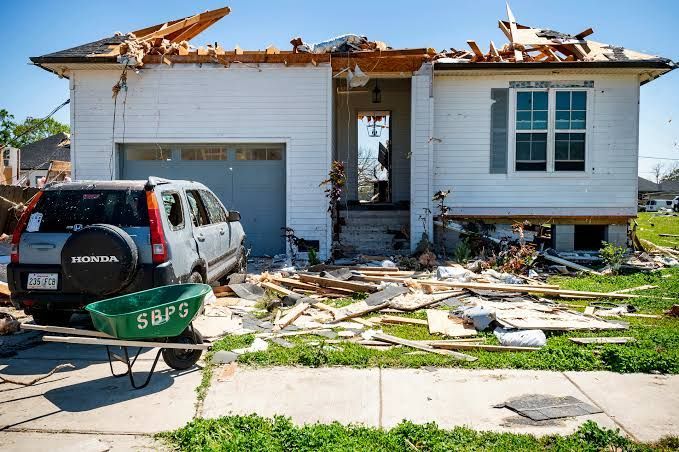
Rhode Island's position on the Atlantic coast means homeowners deal with a wide range of severe weather, from winter nor'easters to summer thunderstorms and the occasional hurricane remnant. Garages, often positioned at the edge of a property and built with less structural reinforcement than the main house, tend to take the brunt of the damage.
Knowing what to do when a storm damages your garage, and understanding when emergency garage repair in Rhode Island is genuinely urgent, can help limit further loss to your home and belongings.
This guide covers the common causes of garage storm damage across the state, the steps to take immediately after a storm, and how to find a qualified contractor without falling for common post-storm scams.
Why Rhode Island Garages Are Vulnerable to Storm Damage
Garages are usually single-storey structures with large door openings, which makes them structurally different from the rest of a house. That large door acts like a sail in high wind, and older garages, particularly those built before modern wind-load codes, often lack the bracing needed to withstand sustained gusts.
What kinds of storms cause garage damage in Rhode Island?
Rhode Island sees several storm types each year that can affect garage structures:
- Nor'easters, which bring heavy snow, high winds and coastal flooding, particularly along the shoreline from Westerly to Newport.
- Summer thunderstorms and tropical systems, which can produce wind gusts strong enough to detach garage doors or drop tree limbs onto roofs.
- Heavy snow events, which put stress on flat or low-pitched garage roofs that weren't designed for high loads.
Coastal towns face an added complication. Salt air speeds up corrosion on metal door tracks, hinges and fasteners, which weakens components over time and makes them more likely to fail during a storm. If your garage is near the water, this is worth factoring into both repair and prevention decisions. For more detail on coastal exposure, see our guide on protecting your garage from coastal flooding in Rhode Island.
What to Do Immediately After Storm Damage to Your Garage
The hours right after a storm matter. Acting sensibly, rather than quickly for its own sake, reduces the risk of injury and helps your insurance claim go smoothly.
Is it safe to enter a storm-damaged garage?
Not always. Before going near a damaged garage, look for these warning signs:
- A sagging or visibly bowed roofline
- Cracked, leaning or shifted walls
- Downed or exposed electrical wiring
- Standing water near an electrical panel
- The smell of gas
If you notice any of these, stay out and call your local fire department or Rhode Island Energy. Downed power lines should be treated as live even if they look inactive, and you should keep at least nine metres away.
How do you document garage storm damage for insurance?
Once it's safe, take photos and video from multiple angles, both inside and out. Capture the overall damage, close-ups of specific problem areas, and anything that shows the cause, such as a fallen branch or a section of roof torn away. A written list of damaged items, including their approximate age and value, will also support your claim. Most Rhode Island insurers accept digital documentation, and having it ready before you call speeds up the process considerably.
What temporary measures protect a damaged garage?
Once damage is documented, focus on limiting further exposure:
- Cover a broken or non-closing door with plywood or heavy tarps.
- Place buckets under active roof leaks and move stored items away from the affected area.
- Board up broken windows with plywood secured firmly at the edges.
These are stopgap measures, not repairs, and they're meant to hold until a contractor can assess the structure properly.
When should you call your insurance company?
Report the damage within 24 to 48 hours if possible. Rhode Island insurers generally accept claims reported this quickly without issue, and most policies cover reasonable temporary protection measures, though usually with a dollar limit. Ask your insurer directly about that limit before spending on emergency materials, and keep every receipt.
Finding a Reliable Emergency Garage Repair Contractor in Rhode Island
Storm damage tends to bring a mix of legitimate contractors and less scrupulous operators looking to take advantage of urgency. A bit of caution here saves considerable trouble later.
How do you vet a contractor after a storm?
Before hiring anyone, check the following:
- Confirm registration with the Rhode Island Contractors' Registration and Licensing Board.
- Ask for proof of general liability insurance and workers' compensation.
- Request references from recent, similar jobs.
- Confirm they operate from a registered business address rather than an unmarked vehicle.
Be wary of anyone who turns up unannounced after a storm, demands full payment before starting work, offers a price well below other quotes, or pressures you to sign on the spot. Genuine emergency contractors understand that homeowners want time to check credentials, even during a crisis.
What does emergency garage repair typically cost in Rhode Island?
Costs vary depending on the extent of damage and how quickly work is needed. As a general guide:
- Emergency tarping: $500 to $1,500
- Temporary door boarding: $300 to $800
- Door track repair: $400 to $1,200
- Structural stabilisation: $1,000 to $5,000 or more
Emergency work usually costs more than scheduled repairs because of after-hours labour and urgent material sourcing. Getting two or three quotes, even under time pressure, remains good practice and most legitimate contractors will accommodate this.
Permanent Repairs and Reducing Future Storm Risk
Once the immediate danger has passed, it's worth thinking beyond the repair itself. A garage rebuilt or repaired to the same standard as before is likely to face the same problems in the next storm.
What upgrades reduce future storm damage?
Homeowners in storm-prone or coastal parts of the state often consider:
- Wind-rated garage doors, particularly in coastal towns where gusts regularly exceed standard door ratings
- Hurricane straps connecting roof framing to wall studs
- Improved drainage around the garage foundation
- Regular tree maintenance to remove branches that could fall during high wind
For a broader look at how storm damage affects Rhode Island properties beyond the garage, including roofing and siding, our article on storm damage restoration for Rhode Island homes covers the wider picture.
Do repairs require a building permit?
In most Rhode Island municipalities, temporary protective work such as tarping doesn't require a permit, but structural repairs, electrical work and full roof replacement generally do.
Requirements differ slightly by town, so homeowners in places like Smithfield should check with local building officials or work with a contractor familiar with that town's process. If you're located there, our page on garage construction and repair contractors in Smithfield outlines what that typically involves.
Repair or Replace: Making the Right Call
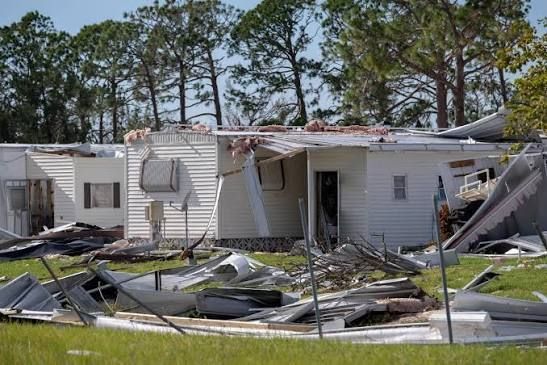
Not every storm-damaged garage needs a full rebuild. As a general rule, repair makes sense when the structure itself is sound and the damage is limited to specific components like the door, roof section or siding.
Replacement becomes the more sensible option when structural framing has failed, when repair costs approach 60 to 70 percent of a full rebuild, or when the existing garage no longer suits your needs in size or layout.
An experienced contractor should be able to walk you through this assessment honestly, rather than defaulting to the most expensive option.
Final Thoughts on Emergency Garage Repair in Rhode Island
Storm damage to a garage is disruptive, but a clear process, checking for safety hazards, documenting everything, contacting your insurer, and choosing a properly licensed contractor, keeps the situation manageable.
Taking the time to vet contractors and get more than one quote, even during an emergency, protects both your property and your budget. For Rhode Island homeowners dealing with emergency garage repair after a storm, preparation before the next weather event and a measured response after one make the biggest difference to the outcome.
Rhode Island Emergency Garage Storm Damage Calculator
Assess storm damage, estimate the likely emergency repair range, and find out what should be done first.
Frequently Asked Questions
How quickly should I report garage storm damage to my insurer?
Within 24 to 48 hours is generally recommended. Most Rhode Island insurers accept claims reported this quickly, and prompt reporting can speed up approval for temporary repairs.
Can I make emergency repairs myself?
Minor measures like placing tarps or boarding a broken window are reasonable if it's safe to do so. Anything involving electrical systems, structural framing or roof sections should be left to a licensed professional.
Does homeowners insurance cover emergency garage repairs?
Most policies cover reasonable temporary protective measures, though usually with a dollar limit. Check your policy or call your insurer directly to confirm what's included before spending money out of pocket.
What's the difference between emergency repair and permanent repair?
Emergency repair refers to temporary measures, such as tarping or boarding, used to prevent further damage. Permanent repair addresses the underlying structural, electrical or material damage and is typically scheduled once the immediate risk has passed.
Are there specific risks for garages in coastal Rhode Island towns?
Yes. Salt air accelerates corrosion on metal components like door tracks and hardware, and coastal properties face higher exposure to storm surge and flooding, which calls for additional protective measures beyond standard storm-proofing.