

Smart Christmas Light Installation in Rhode Island: What Homeowners Should Know
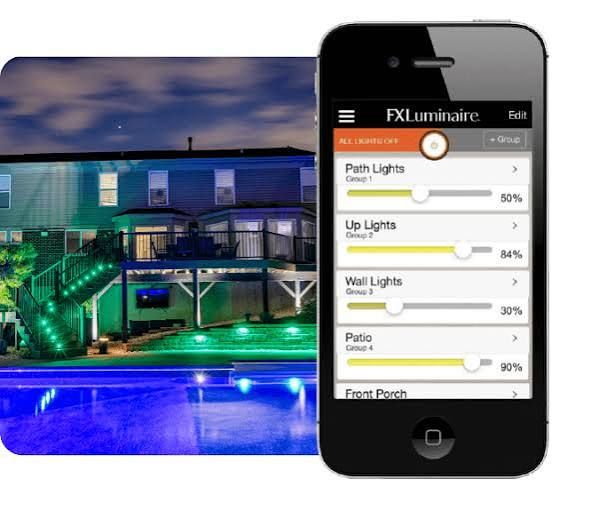
Smart Christmas light installation in Rhode Island lets homeowners control holiday displays through a smartphone app, adjusting colours, timing and brightness without touching a switch. These systems use energy-efficient LED lighting, connect to home Wi-Fi or Bluetooth, and can be programmed to suit Rhode Island's coastal weather and varied architecture, from Providence's older homes to waterfront properties in Newport and South Kingstown.
Holiday lighting has moved well beyond timers and extension cords plugged into an outdoor socket. App-controlled Christmas light installation now gives Rhode Island homeowners a practical way to manage their outdoor displays, whether they're decorating a colonial home in Barrington or a waterfront property in Narragansett. This guide explains how smart Christmas light systems work, what to expect from installation, and what to consider before choosing a system for your property.
What Is Smart Christmas Light Installation?
Smart Christmas light installation refers to holiday lighting systems that connect to a smartphone app, allowing homeowners to control colours, timing, brightness and special effects remotely. Instead of manually switching lights on and off or relying on a basic mechanical timer, these systems use Wi-Fi or Bluetooth connectivity to give homeowners direct control from anywhere with an internet connection.
Most systems use LED bulbs rather than traditional incandescent lights. LED lighting draws considerably less power and typically lasts longer than older bulb types, which matters for larger installations that run for several hours a night over multiple weeks. For a closer comparison of how these bulb types perform in local conditions, our guide on LED versus incandescent Christmas lights for Rhode Island winters covers the practical differences in more detail.
Benefits of Smart Christmas Light Installation in Rhode Island
Rhode Island's climate and housing stock create specific conditions that smart lighting systems are well suited to manage. Some of the practical advantages include:
- Remote access – Homeowners travelling during the holidays can adjust their display from another state without needing to be on site.
- Lower running costs – LED-based smart systems use less electricity than incandescent string lights, which can reduce the cost of running a display over several weeks.
- Scheduling control – Lights can be set to turn on at dusk and off at a set time each night, removing the need to manage this manually.
- Weather responsiveness – Some systems can be configured to reduce output or shut down during high winds or storms, which is relevant given Rhode Island's exposure to nor'easters and coastal weather.
- Occupancy appearance – Automated schedules can help maintain a lived-in appearance while homeowners are away over the holiday period.
These benefits apply across property types, though the value of each feature will depend on the size of the display and how the property is used.
How Smart Lighting Systems Connect and Operate
Smart Christmas lights generally fall into a few categories, and the right option depends on the size of the installation and the property's existing network coverage.
Wi-Fi Connected Systems
Wi-Fi-enabled lights connect directly to a home network and are controlled through a dedicated app. This is the most common setup for larger displays, as it allows for more zones and more detailed programming. Brands such as Twinkly, Govee and LIFX are commonly used for residential installations.
Bluetooth Systems
Bluetooth-based lights are simpler to set up and are often suited to smaller displays, such as a townhouse or condominium balcony in Providence or Pawtucket. These systems usually have a shorter control range, generally in the order of 50 to 100 feet, and fewer advanced features than Wi-Fi options.
Professional Controller Systems
Larger properties, including some of the estates found in Newport County, often use dedicated controller hardware rather than relying solely on a phone app. These systems can manage a higher number of individual lights across multiple zones and are typically installed and configured by a professional team.
Choosing the Right System for Your Property
Not every home needs the same type of smart lighting setup. A single-storey home in Cranston with a straightforward roofline has different requirements to a multi-building property in Middletown with extensive landscaping. Before selecting a system, it helps to consider:
- The size and layout of the property, including how many separate zones might be needed
- Existing Wi-Fi coverage across the outdoor areas being lit
- Whether the display needs to withstand coastal weather conditions, particularly in South County towns like Westerly and Charlestown
- Budget for both the initial installation and ongoing electricity use
Homeowners planning a broader outdoor lighting upgrade may also want to consider how a Christmas display fits alongside other exterior lighting used throughout the year. Our article on patio lighting ideas for Rhode Island homes looks at options for extending lighting beyond the holiday season.
Installation Considerations for Rhode Island Weather
Rhode Island's coastal exposure means outdoor lighting systems need to hold up against salt air, wind and temperature swings. A few practical points worth raising with an installer:
- Ask whether components are rated for outdoor and cold-weather use, particularly for properties near the coast.
- Confirm how the system handles power interruptions, especially during storms.
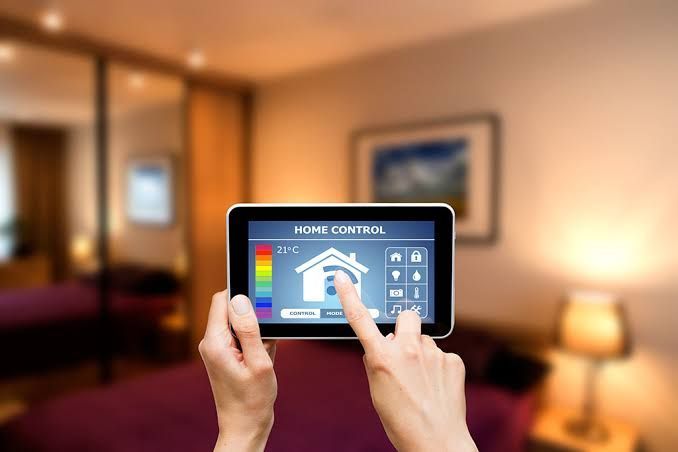
- Check whether Wi-Fi signal will reach all sections of the display, as weak connectivity can affect app control in larger installations.
These are reasonable questions to ask any installer, regardless of the brand or system being used, and a straightforward answer to each is a fair indicator of experience with local conditions.
What Smart Christmas Light Installation Typically Costs
Costs vary depending on property size, the number of zones and the complexity of the system. A smaller, single-zone setup will cost less than a multi-zone system covering a large property with extensive landscaping. Homeowners should expect the price to reflect the amount of physical installation work involved, the hardware used, and any programming or setup required after installation.
It's worth asking installers for an itemised quote so you understand what is included, such as design consultation, physical installation, app configuration, and any seasonal removal or storage service.
Choosing a Professional Installer
When comparing installers for smart Christmas light installation, a few factors are worth checking:
- Licensing and experience – Confirm the installer holds appropriate electrical licensing for outdoor lighting work.
- Local knowledge – An installer familiar with Rhode Island properties will understand common issues such as coastal wind exposure and older electrical systems in historic homes.
- Full-service support – Some installers offer design, installation, seasonal maintenance and takedown as part of the service, which can simplify the process for homeowners.
- References – Ask for examples of previous installations on similar property types in your area.
If you're based in South Kingstown or nearby, our page on Christmas light installation services in South Kingstown outlines what's involved for residential and commercial properties in that area, including design consultation, LED lighting options and seasonal takedown.
Final Thoughts
Smart Christmas light installation in Rhode Island gives homeowners a practical way to manage holiday displays without the daily upkeep that older lighting systems required. From app-based scheduling to weather-responsive programming, these systems are designed to suit the state's varied housing stock and coastal conditions. Whether you're decorating a historic home in the Providence metro area or a waterfront property in Newport County, taking the time to choose the right system and a qualified installer will make a noticeable difference to how the display performs throughout the season.
Frequently Asked Questions
How much does smart Christmas light installation cost in Rhode Island?
Costs depend on property size, the number of lighting zones and the system chosen. Smaller, single-zone installations cost less than multi-zone systems on larger properties.
Do smart Christmas lights work during power outages?
Most systems rely on standard household power and Wi-Fi, so a power outage will affect operation unless a backup power source is in place. It's worth asking your installer about this if you're in a storm-prone coastal area.
Can smart Christmas lights be controlled without Wi-Fi?
Bluetooth-based systems can operate without a home Wi-Fi connection, though they typically have a shorter control range and fewer features than Wi-Fi-connected systems.
Are LED smart Christmas lights better than incandescent lights?
LED lights generally use less power and last longer than incandescent bulbs, which can reduce running costs over a long display period. See our comparison of
LED versus incandescent Christmas lights for more detail.
Who should install a smart Christmas light system?
A licensed installer with experience in outdoor and holiday lighting is recommended, particularly for larger displays or properties in coastal areas where weather resistance matters.
Smart Christmas Light Installation Calculator
Find the right smart holiday lighting setup based on your property, coverage area, connectivity, automation needs, and Rhode Island weather conditions.