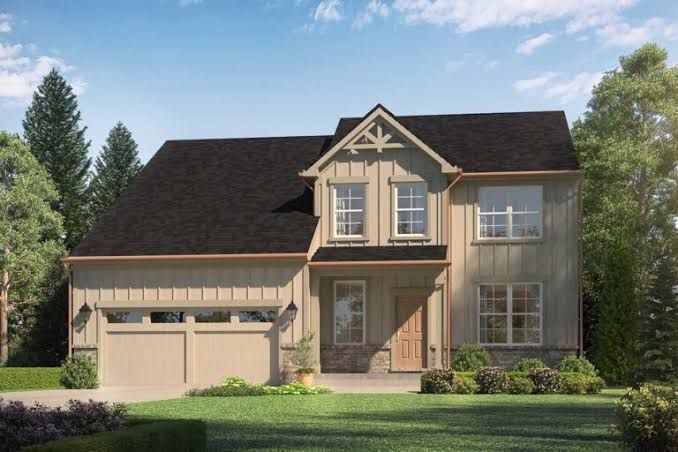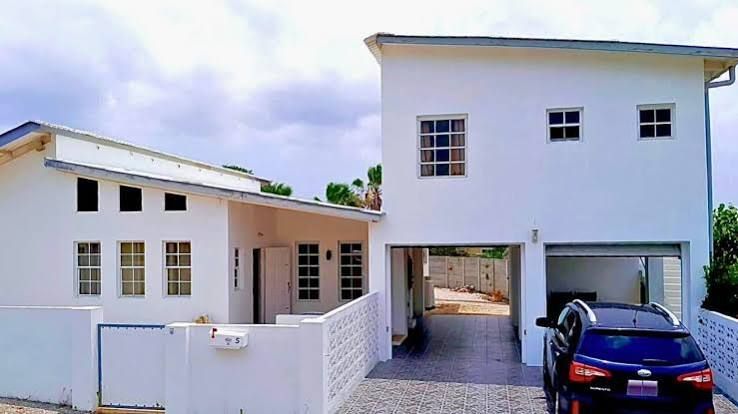

Two-Story Garage vs One-Story - Rhode Island
Choosing between a two-story garage and a one-story garage represents one of the most significant decisions Rhode Island homeowners face when planning garage construction. The right choice depends on your property dimensions, budget, intended use, and long-term goals.
Understanding Rhode Island's Garage Construction Landscape
The Ocean State's residential properties vary dramatically from dense Providence neighborhoods with limited lot sizes to sprawling South County estates with acres of land. These differences, combined with municipal zoning regulations and Rhode Island's climate challenges, make garage planning more complex than simply choosing between one or two stories.
Rhode Island Property Size Considerations
Property dimensions fundamentally influence garage decisions. Providence's East Side, Federal Hill, and College Hill neighborhoods feature narrow urban lots where maximizing vertical space makes sense. Building up rather than out preserves precious yard space while providing needed storage, workshop areas, or living space above garages.
Conversely, Cranston, Warwick, and South Kingstown suburban properties often have adequate land for sprawling one-story structures. Here, the decision shifts from necessity to preference, weighing convenience against functionality and cost considerations.
Coastal properties in Narragansett, Newport, and Westerly face unique constraints. Setback requirements, flood zone regulations, and coastal resource area protections often limit building footprints, making two-story construction appealing despite higher costs.
Climate and Weather Impact
Rhode Island's climate significantly affects garage design decisions. Our humid summers, cold winters, nor'easters, and occasional hurricanes demand robust construction regardless of garage height.
Two-story garages require careful attention to wind resistance, particularly in coastal areas. The increased height and surface area create greater wind loads during storms. Proper engineering and construction techniques mitigate these concerns but add costs.
One-story garages present lower profiles, reducing wind exposure. However, they require larger roof areas that must withstand heavy snow loads - Rhode Island regularly sees storms dropping 12-24 inches requiring roofs engineered for 30-40 pounds per square foot snow loads.
Zoning Regulations Across Rhode Island
Every Rhode Island municipality regulates garage construction through zoning ordinances that specify:
Height restrictions - Most communities limit accessory structure height to 15-25 feet, though some allow taller structures with special permits. Two-story garages typically reach 20-24 feet, potentially bumping against these limits.
Setback requirements - Garages must maintain minimum distances from property lines, typically 5-10 feet for side and rear setbacks. Check local ordinances, as requirements vary significantly between Providence (tighter setbacks) and rural communities (more generous setbacks).
Maximum coverage - Zoning ordinances limit how much of your lot can be covered by structures. Two-story garages maximize space within these footprint restrictions, while one-story garages consume more lot coverage for equivalent square footage.
Lot size minimums - Some Rhode Island communities require minimum lot sizes for accessory structures, particularly two-story buildings. Verify your property meets requirements before planning.
Architectural review - Historic districts in Newport, Providence, and Bristol may require design review ensuring garages complement neighborhood character. Two-story structures face greater scrutiny than modest one-story garages.
Contact your local building department early in planning to understand specific regulations for your Pawtucket, Woonsocket, East Providence, or other Rhode Island location.
Two-Story Garages in RI
Two-story garages offer compelling advantages but come with increased costs and complexity. Understanding both sides helps you determine if the investment makes sense for your situation.
Advantages of Two-Story Garages in Rhode Island
Maximized space on small lots - For Providence, Pawtucket, and East Providence homeowners with limited property, two-story construction doubles usable space without expanding the building footprint. This proves invaluable where yard space is precious or setback requirements limit building locations.
Rental income potential - Converting upper floors into studio apartments or one-bedroom units generates substantial income. Providence rental markets support $1,200-1,800 monthly for quality garage apartments, providing excellent return on investment. Even in Cranston, Warwick, and Woonsocket, rental income of $900-1,400 monthly helps offset construction costs.
Increased property value - Two-story garages with finished upper floors add significant property value, often $75,000-150,000 depending on size, quality, and location. This frequently exceeds construction costs, creating immediate equity.
Flexible space options - Upper floors serve numerous purposes beyond rental units: home offices for remote workers, guest suites for visiting family, teenage or adult child living quarters, art studios, music rooms, home gyms, or simply premium storage space accessed via interior stairs.
Enhanced curb appeal - Well-designed two-story garages add architectural interest to properties. Matching materials, rooflines, and design elements to your main house creates cohesive, attractive streetscapes that enhance neighborhood character.
Climate-controlled workspace - Finished second floors provide comfortable year-round workspace, unlike sweltering summer or freezing winter garage conditions. This matters significantly for Rhode Island's temperature extremes.
Better views - In coastal areas like Narragansett, South Kingstown, and Westerly, second-floor spaces capture ocean views and sea breezes that ground-floor structures miss. This amenity adds both enjoyment and property value.
Disadvantages and Challenges
Higher construction costs - Two-story garages cost 50-75% more than equivalent square footage in one-story construction. Foundation requirements, additional framing, stairs, upper-floor insulation, and finish work all add expenses. Expect $150-250 per square foot for basic two-story garages, $250-400+ per square foot with finished upper floors.
Complex permitting - Two-story structures face more stringent building code requirements and often require special permits or variances. Expect longer approval timelines and potentially more complicated zoning board presentations.
Maintenance accessibility - Maintaining two-story garage exteriors requires ladders or scaffolding, complicating painting, siding repairs, gutter cleaning, and roof maintenance. Professional service costs exceed those for one-story structures.
Structural engineering requirements - Two-story construction demands proper engineering for floor loads, stairs, and structural connections. Rhode Island's building code requires professional engineering for most two-story accessory structures, adding $2,000-5,000 to project costs.
Heating and cooling costs - Finished second floors require climate control, adding ongoing utility expenses. While mini-split heat pumps offer efficient solutions, annual costs typically run $800-1,500 or more depending on space size and usage.
Stairs and accessibility - Interior or exterior stairs consume space and create accessibility barriers. For aging homeowners or those with mobility concerns, stairs limit upper floor utility. Quality stair construction adds $3,000-8,000 to project costs.
Insurance considerations - Two-story structures, particularly with rental units, may increase property insurance premiums. Liability coverage for tenant injuries or property damage adds costs, though rental income typically offsets these expenses.
One-Story Garages in RI
One-story garages offer simplicity, lower costs, and easier construction but require more land and sacrifice potential space.
Advantages of One-Story Garages in Rhode Island
Lower construction costs - One-story garages cost significantly less than two-story equivalents, typically $100-150 per square foot for basic construction. This affordability makes garage projects feasible for more Rhode Island homeowners.
Simpler permitting - One-story structures face less regulatory scrutiny. Permitting processes move faster, and approval rates are higher. For straightforward projects in Warwick, Cranston, and Johnston, expect 4-8 week permit approval versus 8-16 weeks for two-story structures.
Easier maintenance - Everything remains accessible from ground level. Cleaning gutters, painting siding, repairing roofing, and general maintenance require basic ladders rather than scaffolding or professional services.
Better vehicle access - One-story garages often accommodate taller vehicles, RVs, boats, or trucks more easily than two-story structures where ceiling height is constrained by second-floor requirements. This matters for Rhode Island boat owners, especially in coastal communities.
No stair requirements - Eliminating stairs saves construction costs, preserves garage floor space, and maintains accessibility for all ages and mobility levels. This simplicity appeals to aging homeowners planning long-term.
Lower ongoing costs - Without upper floors requiring climate control, utility costs remain minimal. Simple one-story garages need only basic electrical service for lighting and door openers.
Faster construction - Simpler construction means faster project completion. Most one-story garages complete in 4-8 weeks versus 8-16 weeks for two-story structures, getting you functional space sooner.
More flexible layouts - Without floor loads or structural considerations for upper stories, one-story garages allow more flexible interior configurations, larger door openings, and easier future modifications.
Disadvantages and Limitations
Larger footprint requirements - One-story garages consume more lot coverage. Three-car garages easily occupy 750-900 square feet - significant on smaller Providence, Pawtucket, or urban lots where yard space is limited.
No income generation - Unlike two-story garages with rental apartments, one-story structures generate no income. For homeowners seeking investment return, this represents significant opportunity cost.
Limited space flexibility - One-story garages serve primarily vehicle storage and basic workshop functions. Creating comfortable workspace, guest suites, or home offices requires separate structures or home additions.
Less property value increase - While quality garages add property value, basic one-story structures add less than well-executed two-story garages with finished upper floors. Expect $20,000-50,000 value increases versus $75,000-150,000 for comparable two-story construction.
Setback challenges - Larger footprints make meeting setback requirements more difficult on smaller lots. You might be forced to locate garages farther from the house than desired or sacrifice size to meet zoning requirements.
Less architectural interest - Single-story garages, while functional, add less visual interest to properties than well-designed two-story structures. This matters more in upscale neighborhoods where architectural cohesion affects property values.
Cost Comparison: Rhode Island Garage Construction
Understanding realistic costs helps you budget appropriately and make informed decisions about garage size, features, and construction quality.
One-Story Garage Costs in Rhode Island
Basic single-car garage (12x20 feet, 240 sq ft): $24,000-36,000
Simple construction with concrete floor, basic framing, asphalt shingle roof, vinyl siding, one garage door, basic electrical service, and no insulation or interior finish.
Basic two-car garage (20x20 feet, 400 sq ft): $40,000-60,000
Similar construction to single-car but larger footprint, two garage doors, and increased foundation and framing costs.
Basic three-car garage (30x20 feet, 600 sq ft): $60,000-90,000
Three garage door bays with basic construction specifications.
Upgraded two-car garage (24x24 feet, 576 sq ft): $70,000-100,000
Enhanced construction featuring insulated walls and ceiling, interior drywall and paint, upgraded siding (fiber cement or wood), architectural shingle roofing, quality garage doors, additional windows, and comprehensive electrical service with multiple outlets and LED lighting.
Premium two-car garage (24x28 feet, 672 sq ft): $90,000-130,000
High-quality materials, custom features, extensive electrical, workshop amenities, superior insulation, heat and AC, and architectural details matching luxury homes.
Two-Story Garage Costs in Rhode Island
Basic two-story, two-car garage (20x24 feet, 960 sq ft total): $90,000-140,000
Ground floor vehicle storage with unfinished second floor featuring floor sheathing, basic framing, stairs, and minimal electrical service. No insulation or finished surfaces on the second floor.
Two-story with finished apartment (20x24 feet, 480 sq ft living space): $150,000-230,000
Ground floor garage with fully finished second-floor studio apartment including kitchen, bathroom, living area, proper insulation, electrical service, plumbing connections, HVAC system, quality flooring, and complete interior finishes meeting code requirements for habitation.
Premium two-story, three-car garage (30x24 feet, 1,440 sq ft total): $200,000-325,000
Three-car ground floor with spacious finished second floor featuring 720 square feet of premium living space, high-end finishes, modern kitchen and bathroom, mini-split HVAC, hardwood floors, custom trim, and architectural details.
Cost Factors Affecting Rhode Island Garage Projects
Location impacts - Providence, Newport, and East Greenwich projects typically cost 15-25% more than comparable projects in Woonsocket, Central Falls, or rural communities. This reflects higher labor rates, stricter local requirements, and increased material delivery costs.
Site conditions - Properties requiring extensive excavation, ledge removal, drainage systems, or retaining walls face dramatically higher costs. Coastal properties may need specialized foundations for flood zones or high water tables.
Material choices - Vinyl siding costs half what fiber cement siding costs. Asphalt shingles cost significantly less than architectural or metal roofing. These choices compound across large projects, creating $10,000-30,000 cost variations.
Custom features - Built-in workbenches, custom door sizes, specialized storage systems, heating and cooling, premium flooring, and architectural details add costs but enhance functionality and value.
Timing - Summer construction often costs 10-15% more than winter projects due to contractor demand, though Rhode Island winters limit working days and can extend timelines.
Making Your Decision: Key Considerations
Choosing between one-story and two-story garages requires evaluating multiple factors specific to your property, budget, and goals.
Property Assessment Questions
How much buildable space do you have? - Measure your lot dimensions, identify setback requirements, and calculate available building area. If space is tight, two-story construction may be necessary rather than optional.
What are your lot's topography and drainage patterns? - Sloped lots may favor two-story construction where upper floors align with higher ground, reducing excavation costs. Poor drainage requires extensive site work regardless of garage height.
Where will utilities connect? - Proximity to electrical service, water, and sewer lines affects costs. Two-story garages with living space need all three utilities, while basic one-story garages need only electricity.
How does your property fit in the neighborhood? - Match your garage scale and style to surrounding properties. Oversized or mismatched garages can hurt rather than help property values.
Functional Needs Assessment
What will you store? - Multiple vehicles, boats, RVs, workshop equipment, and seasonal items require adequate space. List everything you need to accommodate, measuring larger items to verify they'll fit.
Do you need workspace? - Serious workshops benefit from climate control and dedicated space. Finished second floors provide comfortable year-round workspace, while heated one-story garages offer more height for tools and equipment.
Could you use additional living space? - Growing families, aging parents, adult children, or home-based businesses create demand for flexible space. Two-story garages address these needs more completely than one-story alternatives.
What's your long-term vision? - Consider how your needs might evolve. Young families might need space for teenage children in 10 years. Empty nesters might want rental income. Build with flexibility in mind.
Financial Considerations
What can you afford upfront? - Two-story garages require larger initial investments. Be realistic about budgets, including 10-15% contingencies for unexpected issues.
Do you want rental income? - If so, two-story garages with apartments offer excellent returns. Calculate potential income against increased construction and ongoing costs to determine financial viability.
How long do you plan to stay? - Homeowners planning to sell within 3-5 years should consider which option adds more property value in their specific market. Long-term owners can prioritize personal utility over resale concerns.
Can you finance the project? - Home equity loans, home improvement loans, or cash reserves each have different costs and requirements. Determine financing before committing to specific plans.
Practical Lifestyle Factors
How mobile are you? - Homeowners with mobility concerns or planning to age in place should consider whether stairs limit utility of two-story spaces.
Do you want to maintain the structure yourself? - One-story garages suit DIY-oriented homeowners, while two-story structures often require professional maintenance services.
What's your tolerance for complexity? - Two-story projects involve more moving parts, longer timelines, and greater coordination. Some homeowners prefer simpler one-story projects even if they have space and budget for two-story construction.
How important is privacy? - If creating rental units or teen spaces, consider sound transmission and privacy. Two-story garages with separate entrances provide more privacy than additions to existing homes.
Design Ideas and Features for Rhode Island Garages
Regardless of height, thoughtful design maximizes garage functionality while complementing your property.
Exterior Design Considerations
Match your home's architecture - Use similar siding materials, roofing, trim details, and color schemes to create cohesive properties. Newport colonial homes need garages reflecting that heritage, while contemporary South County homes suit modern garage designs.
Consider rooflines carefully - Gable, hip, and gambrel roofs each create different aesthetics and storage opportunities. Gambrel roofs maximize second-floor headroom in two-story garages, while simple gable roofs minimize costs.
Plan door configurations thoughtfully - Side-by-side doors suit wider lots, while front-back tandem configurations work on narrow properties. Consider 8-foot versus 9-foot door heights based on vehicle sizes.
Include adequate windows - Natural light improves garage functionality and aesthetics. Place windows to provide light without compromising security or wall space needed for storage.
Design attractive exterior stairs - For two-story garages with second-floor access, exterior stairs should complement architecture while providing safe, weather-protected access. Interior stairs are more expensive but offer better weather protection.
Interior Feature Ideas
Climate control - Insulated, heated, and cooled garages function year-round in Rhode Island's climate extremes. Mini-split heat pumps offer efficient, flexible solutions for both one and two-story structures.
Workshop areas - Built-in workbenches, tool storage, dust collection systems, and adequate electrical service transform garages into functional workshops for woodworking, auto repair, or crafts.
Storage systems - Overhead racks, wall-mounted systems, and built-in cabinets maximize storage without consuming floor space. This proves especially valuable in one-story garages where vertical space is available.
Floor finishes - Epoxy coatings, modular tiles, or sealed concrete provide durable, attractive floors that resist stains, moisture, and wear while simplifying cleaning.
Lighting design - Combine ambient lighting, task lighting over work areas, and natural light from windows. LED fixtures provide bright, efficient illumination for workshops and vehicle maintenance.
Second-Floor Living Space Features
Open floor plans - Maximize perceived space in garage apartments with open layouts combining living, sleeping, and kitchen areas. Use furniture placement and partial walls to define zones without closing in spaces.
Efficient kitchenettes - Apartment-sized appliances, compact layouts, and smart storage make functional kitchens in 50-75 square feet. Include full-sized refrigerators, as compact models frustrate most tenants.
Spa-quality bathrooms - Quality fixtures, good lighting, and adequate ventilation make small bathrooms pleasant. Include tub-shower combos or walk-in showers, substantial vanities, and medicine cabinets.
Ample storage - Built-in closets, under-eave storage, and creative shelving solutions prevent clutter in compact spaces. Never underestimate tenants' or family members' storage needs.
Private entrances - Separate exterior stairs provide independence and privacy for tenants or family members while preventing traffic through your home.
Rhode Island Building Code and Permit Requirements
Understanding regulatory requirements prevents costly surprises and ensures legal, safe construction.
State Building Code Requirements
Rhode Island adopts the International Residential Code with state-specific amendments. Key requirements for garages include:
Foundation specifications - Garages require frost-protected foundations extending below Rhode Island's 36-inch frost depth. Proper footing design prevents settling and cracking.
Structural requirements - Two-story garages need engineered floor systems supporting appropriate live loads (typically 40 pounds per square foot for living areas, 10-20 pounds per square foot for storage).
Fire separation - Attached garages require fire-rated separation from homes, typically 5/8-inch fire-rated drywall on garage sides of shared walls and fire-rated doors between garage and house.
Ventilation - Garages need proper ventilation to exhaust vehicle emissions and prevent carbon monoxide accumulation. Living spaces above garages must be completely isolated from garage air.
Egress requirements - Second-floor living spaces need proper emergency egress, typically windows or doors opening directly outside with minimum size requirements for escape.
Electrical code - Adequate outlets, GFCI protection where required, proper wire sizing, and code-compliant service panels ensure safety and functionality.
Permit Process Across Rhode Island
Most Rhode Island communities follow similar permitting processes:
Pre-application consultation - Meet with building officials to discuss requirements, setbacks, and design considerations before investing in detailed plans.
Plan submission - Submit architectural drawings showing floor plans, elevations, foundation details, electrical plans, and structural specifications. Professional drawings are required for most two-story structures.
Review period - Building departments review submissions for code compliance, typically taking 2-6 weeks for one-story garages, 4-12 weeks for two-story structures.
Revisions - Address any building department concerns, revising plans as needed to achieve compliance.
Permit issuance - Once approved, permits are issued, allowing construction to begin. Permits typically remain valid for 12 months, though extensions are available.
Inspections - Expect multiple inspections including foundation, framing, electrical, plumbing (if applicable), insulation, and final occupancy inspections.
Municipal Variations
Providence, Warwick, Cranston, and other larger Rhode Island cities have well-staffed building departments with established processes. Smaller communities may have part-time building officials with longer response times. Coastal towns often have additional review layers for structures in flood zones or coastal resource areas.
Historic districts in Newport, Bristol, and Providence require architectural review board approval ensuring structures complement neighborhood character. These reviews add 4-8 weeks to permitting timelines.
Return on Investment Analysis
Understanding potential returns helps justify investments in two-story versus one-story construction.
Property Value Increases
Quality garages increase property values across Rhode Island, though returns vary by location and construction quality:
Basic one-story two-car garage: Typically adds $20,000-40,000 to property values. Returns are modest but universal - virtually all buyers value functional garage space.
Upgraded one-story three-car garage: Adds $40,000-70,000 depending on size, quality, and location. These structures appeal to buyers with multiple vehicles, boats, or substantial storage needs.
Two-story garage with finished apartment: Adds $75,000-150,000 in most Rhode Island markets. Returns vary significantly by location - Providence and coastal communities see higher returns than rural areas.
Rental Income Potential
Two-story garages with quality apartments generate excellent returns in Rhode Island's tight rental market:
Providence urban neighborhoods: $1,400-1,800 monthly ($16,800-21,600 annually)
Warwick and Cranston suburbs: $1,100-1,500 monthly ($13,200-18,000 annually)
Pawtucket and Woonsocket: $900-1,300 monthly ($10,800-15,600 annually)
Coastal seasonal rentals: $2,500-4,000 monthly summer rates ($7,500-12,000 for three-month season)
After property taxes, insurance, utilities, maintenance, and vacancy periods, net rental income typically runs 60-70% of gross rents. A Providence garage apartment renting for $1,600 monthly might net $950-1,100 monthly, or $11,400-13,200 annually.
Break-Even Analysis
Consider a two-story garage apartment costing $180,000 versus a one-story garage costing $70,000. The $110,000 difference divided by $12,000 annual net rental income equals 9.2 years to break even on the incremental investment - not counting property value increases, which likely exceed the cost difference.
For homeowners planning long-term ownership, two-story construction often makes financial sense even without immediate need for rental income, as the space provides flexibility for future uses.
Frequently Asked Questions About Rhode Island Garages
Is a two-story garage worth the extra cost in Rhode Island?
It depends on your situation. For homeowners with limited lot space, desire for rental income, or need for flexible living space, two-story garages offer excellent value despite higher costs. For those with adequate land and no income generation plans, one-story garages provide better cost-effectiveness.
How much does it cost to build a garage in Rhode Island?
One-story two-car garages typically cost $40,000-80,000, while two-story garages with finished apartments run $150,000-230,000. Costs vary widely based on size, features, materials, location, and site conditions.
Do I need a permit to build a garage in Rhode Island?
Yes, all Rhode Island municipalities require building permits for new garage construction. Additionally, many require zoning approval and occupancy permits for finished living spaces.
Can I rent out a garage apartment in Rhode Island?
Generally yes, though zoning regulations vary by municipality. Some communities restrict accessory dwelling units or require owner occupancy in either the main house or the ADU. Check local zoning ordinances before planning rental spaces.
How long does it take to build a garage in Rhode Island?
One-story garages typically take 2-3 months from permit approval to completion. Two-story garages with finished living spaces require 4-6 months. Permitting adds another 1-3 months depending on complexity and municipality.
Should my garage match my house?
Yes, matching materials, colors, and architectural styles creates more cohesive, attractive properties that command higher values. This matters most in upscale neighborhoods and historic districts.
Can I build a garage on a small lot in Rhode Island?
Possibly, depending on specific dimensions and zoning requirements. Two-story construction maximizes space within building footprint restrictions, making it more feasible for small lots where one-story garages would violate setback requirements.
What's the best garage size for resale value?
Two-car garages (400-500 square feet) offer the best balance between cost and value for most Rhode Island properties. Three-car garages add value in upscale markets but may represent over-improvement in modest neighborhoods.
Do two-story garages increase property taxes?
Yes, garage construction increases property values and therefore property taxes. Tax increases depend on construction costs, finished square footage, and local assessment practices. Budget for annual tax increases of 1-2% of construction costs.
Build Your Dream Garage Today
Whether you choose a practical one-story garage or a versatile two-story structure, quality construction adds functionality, value, and enjoyment to your Rhode Island property. From Providence to Newport, Warwick to Westerly, the right garage design enhances your lifestyle while maximizing your investment.
Rockhouse Construction is ready to help. Contact us today.