

Best Time of Year for Basement Projects in Rhode Island
Rhode Island's basement projects depend heavily on when you start them. Between the state's high water table, coastal humidity, and cold winters, timing affects everything from concrete curing to moisture control.
This guide covers the best time of year for basement projects in Rhode Island, season by season, so you can plan a renovation, waterproofing job, or full basement finish with fewer surprises.
Why Seasonal Timing Matters for Basement Work in Rhode Island
Basements sit below grade, which means they're directly affected by groundwater, soil temperature, and humidity levels above them. In Rhode Island, these conditions shift noticeably throughout the year. Coastal proximity pushes humidity higher in summer, while winter brings frozen ground that limits excavation and exterior waterproofing work.
For homeowners in Providence, Warwick, Cranston, and smaller towns like Scituate, this means the calendar isn't just a scheduling detail. It affects material performance, contractor availability, and how well a finished basement holds up over time. Interior work such as framing, drywall, and flooring can proceed in most seasons, but anything involving moisture management or excavation is far more weather dependent.
Late Spring Through Early Fall Is Generally Best
For most basement projects, the window from May through October offers the most workable conditions in Rhode Island. Ground has thawed fully by late spring, giving contractors reliable access for excavation and foundation work. Temperatures are moderate enough for concrete to cure properly, and there's enough daylight to keep projects moving at a steady pace.
Within that broader window, June through September tends to work best for projects involving waterproofing or exterior drainage, since dry, stable weather supports proper sealant application and curing time. May and October serve as solid alternatives, particularly for interior finishing work that doesn't rely as heavily on external conditions.
Basement work becomes more limited from December through March, when frozen ground rules out excavation and cold temperatures complicate concrete work. That said, interior finishing in a heated space can continue through winter without major issues, which is worth knowing if you're working within a set deadline. For a broader look at how these patterns apply to other home renovation types across the state, see our guide on the
best time of year to remodel in Rhode Island.
Spring: Preparation and Early-Stage Work
Spring in Rhode Island brings moderate temperatures and thawing ground, which makes it a reasonable time to start planning and early groundwork. Contractor availability is often better than in peak summer months, and permit applications submitted in early spring tend to move before the seasonal rush hits.
That said, spring weather in Rhode Island can be unpredictable. Heavy rain is common, and a wet spring can raise the water table, which matters if your project includes any excavation or exterior waterproofing. Mud season can also delay material deliveries in some areas.
Spring generally suits:
- Basement design and planning
- Permit applications
- Waterproofing preparation and inspections
- Foundation assessments before construction begins

Summer: Peak Construction Conditions
Summer offers the most stable weather for basement construction in Rhode Island. Warm, consistent temperatures support proper concrete curing, and longer daylight hours give crews more time on site each day. Ground conditions are fully dry by this point, which makes excavation and foundation repair more predictable.
The trade-off is demand. Contractor schedules fill up quickly in summer, which can mean higher rates and longer waits to get started. Rhode Island's coastal humidity also climbs during these months, typically sitting between 65 and 75 percent, so basements under construction need proper ventilation and dehumidification to avoid moisture buildup during the build itself.
Summer works well for:
- Full basement renovations
- Foundation repairs and concrete work
- Electrical and plumbing rough-in
- Insulation and drywall installation
Fall: A Practical Alternative With Fewer Trade-Offs
Fall is often underrated for basement work in Rhode Island, but it has real advantages. Humidity drops from summer highs, temperatures stay comfortable well into October, and contractor demand tends to ease off after the summer rush. That combination often means more flexible scheduling and steadier pricing.
Fall is particularly well suited to interior finishing work, since lower humidity supports better results with flooring, painting, and trim. The main limitation is the shrinking daylight window and the need to wrap up before winter weather sets in, especially for any remaining exterior work.
Fall is a strong fit for:
- Interior basement finishing
- Flooring installation
- Final painting and trim work
- System testing before winter
Winter: Limited Outdoor Work, Steady Indoor Progress
Winter rules out excavation and most exterior work due to frozen ground and snow, but it doesn't shut down basement projects entirely. Interior work in a heated space, such as framing, electrical, plumbing rough-in, and drywall, can continue on a normal schedule. Some homeowners use winter to their advantage, since contractor rates are often lower and scheduling tends to be more flexible when overall demand drops.
Winter basement work generally comes down to:
- Emergency repairs that can't wait for warmer weather
- Interior finishing in heated spaces
- Planning and design work for a spring start
- System maintenance and inspections
Moisture Management Changes With the Seasons
Rhode Island's coastal climate and high water table mean moisture is a factor in nearly every basement project, regardless of season. Spring snowmelt can raise groundwater levels, increasing the risk of seepage during that period. Summer's higher humidity calls for active dehumidification, both during construction and afterward, with indoor basement humidity generally kept between 30 and 50 percent to reduce the risk of mould growth.
Fall is often the best time to complete waterproofing work, since drier conditions support proper curing of sealants and coatings. Winter shifts the concern toward condensation and consistent heating, particularly in basements that aren't yet fully insulated.
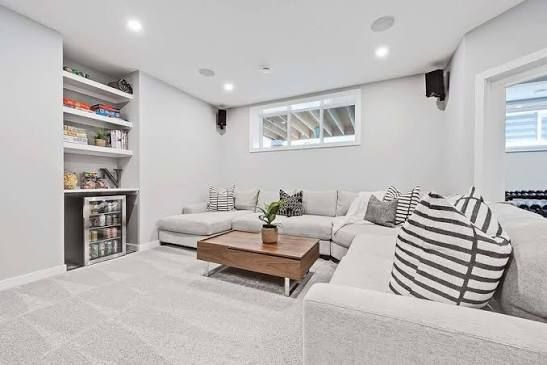
How Long a Basement Project Actually Takes
Timing your start date is only part of the picture. The overall project length depends on size, layout, whether waterproofing is required, and how quickly permits and inspections move through your local building department.
A basic, open-concept basement might be finished in a matter of weeks, while a larger project with multiple bathrooms and custom finishes can take several months from planning to final inspection. For a detailed breakdown of each phase, from design through final inspection, see our guide on the basement finishing timeline for Rhode Island contractors.
Local Considerations Across Rhode Island
Basement conditions vary somewhat depending on where you are in the state. Coastal communities deal with higher year-round humidity and salt air, which can affect materials and finishes over time. Inland and rural towns, including Scituate, tend to see more moderate humidity but may face longer material delivery times or limited contractor availability during peak season.
If you're located in that area, our team also works as basement finishing contractors in Scituate, RI, handling everything from waterproofing to full custom builds suited to the area's mix of older farmhouses and newer homes.
Planning a Basement Project Around the Calendar
There's no single "right" month to start a basement project in Rhode Island, but there is a clear pattern. Late spring through early fall offers the most reliable conditions for excavation, waterproofing, and concrete work, while interior finishing has more flexibility across the calendar. The right timing ultimately depends on your specific project scope, budget, and how much flexibility you have on the start date.
If you're weighing the best time of year for basement projects in Rhode Island against your own schedule, it helps to talk through the details with a contractor familiar with local conditions, permitting timelines, and the moisture challenges specific to your area of the state.
Best Time of Year for Your Basement Project
Find the most suitable season for your Rhode Island basement project based on the work involved, moisture conditions, exterior access and schedule.
Basement Project Timing Assessment
Your Recommended Timing
Seasonal Advantages
Seasonal Limitations
Project Planning Checklist
Frequently Asked Questions
Can basement waterproofing be done in winter in Rhode Island?
Exterior waterproofing is difficult in winter due to frozen ground, but interior waterproofing methods, such as sealants and interior drainage systems, can often proceed in colder months if the space is heated.
Is summer too humid for basement construction in Rhode Island?
Summer humidity, typically 65 to 75 percent along the coast, does require extra ventilation and dehumidification during construction, but it doesn't rule out summer projects. Many full renovations proceed successfully with proper moisture management in place.
Does winter save money on basement projects?
Contractor rates and material costs are often lower in winter due to reduced demand, though the savings depend on the scope of work and whether any part of the project requires exterior access.
What's the best season for basement waterproofing specifically?
Late spring through early fall, particularly June through September, tends to work best for waterproofing, since dry, stable conditions support proper sealant application and curing.