
Garage to Studio Apartment Conversion - Rhode Island
Converting your unused garage into a studio apartment represents one of the smartest investments Rhode Island homeowners can make. Whether you're looking to generate rental income, house aging parents, accommodate adult children, or create a home office with living space, garage conversions offer exceptional value and versatility. This comprehensive guide covers everything you need to know about transforming your Rhode Island garage into a beautiful, functional living space.
Why Rhode Island Homeowners Are Converting Garages
The Ocean State's housing market dynamics make garage conversions increasingly attractive across Providence, Warwick, Cranston, and surrounding communities. Understanding the benefits helps you determine whether this project aligns with your goals.
The Rhode Island Housing Crunch
Rhode Island faces significant housing challenges. Limited inventory, rising property values, and increasing demand for affordable housing options create opportunities for homeowners to maximize their property potential. Converting an existing garage into livable space adds housing supply while generating income or solving family housing needs.
Providence, Pawtucket, and Woonsocket have seen particular demand for accessory dwelling units as young professionals, students, and service workers seek affordable housing close to employment centers. Meanwhile, coastal communities like Narragansett, Newport, and South Kingstown benefit from seasonal rental potential that can generate substantial income.
Financial Benefits for Rhode Island Property Owners
Rental income from a garage apartment can significantly offset mortgage payments, property taxes, and maintenance costs. In Providence's East Side, College Hill, and Federal Hill neighborhoods, studio apartments rent for $1,200-1,800 monthly. Even modest communities like Central Falls, Pawtucket, and Cranston see rental rates of $800-1,200 for well-executed studio conversions.
Beyond rental income, garage conversions increase property values substantially. Real estate professionals across Rhode Island report that functional accessory dwelling units can boost home values by $50,000-100,000 or more, depending on execution quality and location. This return on investment often exceeds the conversion costs, creating immediate equity.
Multigenerational Living Solutions
Rhode Island's strong family culture makes garage apartments ideal for multigenerational living arrangements. Rather than expensive assisted living facilities, many families in Warwick, Cranston, and Johnston convert garages into comfortable spaces for aging parents, providing independence while keeping loved ones close.
Similarly, adult children returning home after college or facing challenging housing markets benefit from private living spaces that maintain family harmony while offering privacy. East Providence, Barrington, and Bristol families frequently pursue garage conversions for this exact purpose.
Understanding Rhode Island Building Codes and Regulations
Successful garage conversions require navigating Rhode Island's building codes, zoning regulations, and permitting processes. While requirements vary by municipality, understanding common themes helps you plan effectively.
Zoning Considerations Across Rhode Island
Most Rhode Island communities regulate accessory dwelling units through zoning ordinances. Providence updated its ADU regulations in recent years to encourage their development, allowing detached accessory structures in most residential zones with specific dimensional and occupancy requirements.
Warwick, Cranston, and other cities have their own zoning frameworks. Key considerations include:
Minimum lot size requirements - Many communities require lots of at least 5,000-7,500 square feet to permit ADUs, though specific requirements vary significantly.
Setback requirements - Your converted garage must maintain minimum distances from property lines, typically 5-10 feet on sides and rear, though existing nonconforming structures may have some flexibility.
Owner occupancy rules - Some Rhode Island municipalities require property owners to live in either the primary residence or the ADU, preventing investors from creating multiple rental units.
Parking requirements - Converting a garage eliminates parking spaces, and some communities require replacement parking be provided elsewhere on the property.
Maximum size limitations - ADUs are typically limited to a percentage of the primary dwelling's square footage or an absolute size cap, commonly 600-900 square feet.
Contact your local building department early in the planning process to understand specific requirements for your Providence, Pawtucket, Woonsocket, or coastal Rhode Island location.
Building Code Requirements
Beyond zoning, garage conversions must meet Rhode Island's State Building Code, which adopts the International Residential Code with state-specific amendments. Key requirements include:
Ceiling height - Habitable spaces require minimum 7-foot ceilings, though 8-foot ceilings are standard for comfort and resale value. Many garages have adequate height, but verify measurements before committing to conversion.
Egress requirements - Bedrooms and living spaces need proper emergency egress, typically a window or door opening directly to the exterior with minimum size requirements for escape.
Insulation standards - Rhode Island's climate demands proper insulation. Walls typically require R-13 to R-21, ceilings R-38 to R-49, and floors R-19 to R-25 depending on construction details.
Electrical systems - Converted living spaces need adequate electrical service with GFCI protection in kitchens and bathrooms, proper lighting, and sufficient outlets meeting code spacing requirements.
Plumbing and ventilation - Bathrooms require mechanical ventilation, proper drainage, and water supply meeting code. Kitchens need appropriate ventilation, and the entire space requires adequate heating and cooling.
Fire safety - Smoke detectors, carbon monoxide detectors, and proper fire separation from any remaining garage space are mandatory. Some configurations may require fire-rated walls or doors.
Permits and Approval Process
Garage conversions in Rhode Island require building permits from your local building department. The typical process includes:
Pre-application consultation - Meeting with building officials helps clarify requirements before investing in detailed plans.
Architectural plans - Most municipalities require professional drawings showing floor plans, elevations, electrical, plumbing, and structural details.
Engineering review - Structural changes, especially if removing garage doors or modifying foundations, may require professional engineer involvement.
Permit submission and review - Building departments review plans for code compliance, typically taking 2-6 weeks depending on complexity and municipal workload.
Inspections during construction - Expect multiple inspections including foundation, framing, electrical, plumbing, insulation, and final occupancy inspections.
Plan for 2-4 months from initial consultation to permit approval for straightforward conversions, longer for complex projects or municipalities with backlogged building departments.
Planning Your Garage Conversion Design
Thoughtful design transforms cramped garages into comfortable, functional studio apartments that tenants love and buyers value.
Assessing Your Existing Garage
Not all garages suit conversion equally. Evaluate these factors before committing:
Size and dimensions - Single-car garages (typically 12x20 feet, 240 square feet) create tight studio apartments, though clever design can work. Two-car garages (20x20 feet or larger, 400+ square feet) offer much more comfortable living spaces.
Structural condition - Inspect foundations, framing, and roofing carefully. Cracked foundations, rotted framing, or failing roofs require expensive repairs that impact project feasibility.
Location on property - Garages close to the street may face noise concerns, while those behind primary residences offer more privacy. Consider access, parking, and how the conversion affects your own home's functionality.
Existing utilities - Garages with nearby electrical, water, and sewer connections cost less to convert than those requiring extensive utility runs.
Height and natural light - Garages with higher ceilings and existing windows create more pleasant living spaces with less modification.
Optimal Layouts for Rhode Island Studio Apartments
Efficient layouts maximize livability in limited square footage. Consider these proven approaches:
Open concept design - Combining living, sleeping, and kitchen areas in one flowing space makes small studios feel larger. Use furniture placement, rugs, or partial walls to define zones without physical barriers.
Strategic bathroom placement - Locate bathrooms along one wall, grouping plumbing to minimize costs. Include a shower, toilet, vanity, and small linen closet in 35-50 square feet.
Efficient kitchenettes - Compact kitchens with apartment-sized appliances, upper and lower cabinets, and 4-6 feet of counter space provide full functionality without dominating floor area.
Storage solutions - Built-in storage compensates for small square footage. Include closets, under-counter cabinets, wall-mounted shelving, and creative storage wherever possible.
Natural light maximization - Add windows wherever building codes and property lines allow. Consider skylights if roof structure permits, particularly beneficial in Providence and other tree-lined neighborhoods.
Separate entrances - Private entries increase tenant satisfaction and property value. Position doors to provide privacy from the main house while ensuring safe, well-lit access.
Popular Design Styles Across Rhode Island
Match your conversion style to local architectural character and target market preferences:
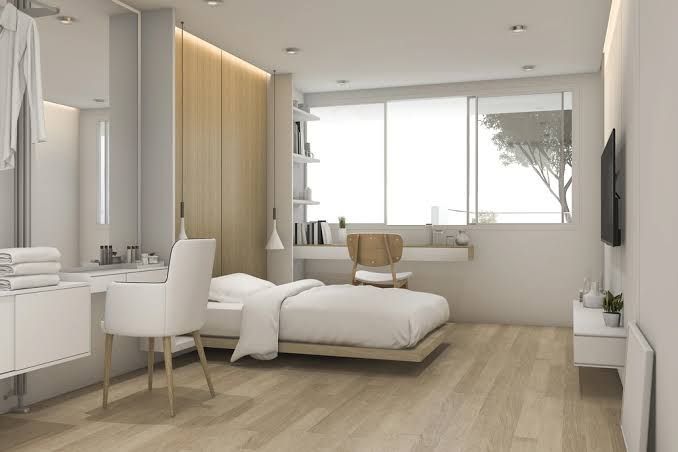
Modern minimalist - Clean lines, neutral palettes, and efficient layouts appeal to young professionals in Providence, Pawtucket, and urban areas. Focus on quality finishes and smart storage solutions.
Coastal casual - Light, airy designs with beach-inspired colors work beautifully in Narragansett, South Kingstown, and Westerly. Incorporate shiplap accents, bright whites, and blues reflecting Rhode Island's maritime heritage.
Historic character - For conversions in Newport, Bristol, or Providence's historic neighborhoods, reference original home architecture with period-appropriate details, traditional color schemes, and quality materials that respect neighborhood character.
Industrial chic - Exposed beams, concrete floors, metal accents, and urban aesthetics appeal to creative tenants in Providence's arts district, Pawtucket's Hope Artiste Village area, and similar urban locations.
Cost Breakdown for Rhode Island Garage Conversions
Understanding conversion costs helps you budget realistically and make informed decisions about materials, finishes, and features.
Average Conversion Costs by Component
Rhode Island garage to studio conversions typically cost $50,000-100,000 depending on size, existing conditions, finish quality, and location. Here's how costs typically break down:
Design and permitting - Architectural plans, engineering review, and permit fees typically run $3,000-8,000. Providence, Newport, and some coastal communities charge higher permit fees than smaller municipalities.
Foundation and structural work - Leveling floors, foundation repairs, or structural modifications cost $5,000-15,000 depending on existing conditions. Garages with poured concrete floors in good condition require minimal work, while those with cracked slabs or inadequate foundations need substantial investment.
Framing and insulation - Closing garage door openings, framing new walls, and insulating the entire structure typically costs $8,000-15,000. Rhode Island's climate demands quality insulation, particularly important given heating costs.
Electrical systems - New service panels, wiring, outlets, lighting, and fixtures generally run $5,000-10,000. Costs increase if the main house's electrical service needs upgrading to support additional load.
Plumbing installation - Running water and sewer lines, installing fixtures, and creating functional bathrooms and kitchens costs $8,000-18,000 depending on distance from existing utilities and fixture quality.
HVAC systems - Heating and cooling systems for Rhode Island's climate typically cost $4,000-10,000. Mini-split heat pumps have become popular for their efficiency, though some homeowners extend existing forced-air systems or install baseboard heating.
Windows and doors - Exterior doors, quality windows for natural light and egress, and storm protection run $3,000-8,000 depending on quantity and quality.
Interior finishes - Drywall, flooring, paint, cabinets, countertops, bathroom fixtures, and trim typically cost $12,000-25,000. This category offers the widest range based on finish quality and personal choices.
Appliances and fixtures - Compact refrigerators, stoves, microwaves, bathroom fixtures, and lighting total $2,000-5,000 for basic to mid-range selections.
Geographic Cost Variations
Location within Rhode Island impacts costs significantly. Providence, Newport, and East Greenwich typically see 10-20% higher construction costs than Woonsocket, Central Falls, or rural communities. This reflects:
- Higher labor rates in affluent areas
- More stringent local requirements
- Competitive contractor demand
- Material delivery costs and accessibility
Return on Investment Analysis
Despite substantial upfront costs, garage conversions offer strong returns. Consider this scenario for a Providence property:
Total conversion cost: $75,000
Monthly rental income: $1,400
Annual gross income: $16,800
Simple payback period: 4.5 years
Property value increase: $80,000-100,000
Even accounting for vacancy periods, maintenance, and property management, the investment typically pays for itself within 5-7 years while providing ongoing income and increased property value. For homeowners using the space for family rather than rental income, the value lies in avoiding nursing home costs ($8,000-12,000 monthly in Rhode Island) or helping family members avoid expensive rental markets.
The Conversion Process: Step by Step
Understanding the conversion timeline and process helps you plan effectively and maintain realistic expectations.
Phase 1: Planning and Design (4-8 weeks)
Begin by clarifying your goals, budget, and must-have features. Research Rhode Island rental markets if generating income is your objective, identifying rental rates, tenant preferences, and market demand in your specific neighborhood.
Consult with architects or designers experienced in garage conversions. Review multiple design options, considering how different layouts maximize space, natural light, and functionality. Obtain detailed cost estimates before committing to specific plans.
Simultaneously, begin permit research and pre-application meetings with your local building department. Understanding requirements early prevents costly design changes later.
Phase 2: Permitting and Approvals (4-12 weeks)
Submit complete permit applications with professional drawings, engineering calculations, and required documentation. Stay responsive to building department questions or requests for additional information, as delays here extend the entire project timeline.
Some Rhode Island communities require zoning board approval for ADUs, adding weeks or months to the timeline. Attend public hearings if required, and be prepared to address neighbor concerns professionally.
During this waiting period, select contractors, obtain multiple bids, check references, and verify licensing and insurance. Quality contractors book weeks or months ahead, so don't wait until permits arrive to begin contractor selection.
Phase 3: Demolition and Structural Work (1-2 weeks)
Once permits are approved and contractors secured, work begins with demolition. Garage doors come out, old finishes are removed, and the space is prepared for transformation. Inspect the structure carefully during demolition, as hidden issues sometimes emerge.
Structural modifications follow, including foundation work, closing garage door openings with properly framed walls, and addressing any framing repairs or modifications. This phase typically moves quickly unless unexpected issues arise.
Phase 4: Rough-Ins and Systems (2-4 weeks)
With structure complete, rough electrical, plumbing, and HVAC installations begin. Electricians run wiring to outlets, switches, and fixtures. Plumbers install water supply and drain lines. HVAC contractors install heating and cooling equipment and ductwork or lines.
This phase requires coordination among multiple trades and inspection approval before proceeding. Rhode Island's winter weather can impact exterior work during this phase, potentially extending timelines for late fall or winter projects.
Phase 5: Insulation and Drywall (2-3 weeks)
Insulation installation is critical in Rhode Island's climate. Walls, ceilings, and floors receive appropriate insulation followed by vapor barriers where required. Building inspectors must approve insulation before covering.
Drywall installation, taping, and finishing transform the framed space into recognizable rooms. This phase is messy and temporarily makes the space look worse before it looks better.
Phase 6: Interior Finishes (3-5 weeks)
Final finishes bring your vision to life. Flooring installation, cabinet installation, countertop fabrication and installation, trim carpentry, painting, and fixture installation happen during this phase.
Quality matters significantly here. Durable flooring, solid cabinet construction, and attention to detail in trim work and painting separate excellent conversions from merely adequate ones. Rhode Island's rental market rewards quality, as discerning tenants and buyers recognize well-executed work.
Phase 7: Final Inspections and Occupancy (1-2 weeks)
With construction complete, final inspections verify code compliance. Address any inspector concerns immediately to avoid delays. Once approved, obtain your certificate of occupancy, making the space legal for habitation.
For rental units, photograph the completed space, list on rental platforms, and screen potential tenants carefully. For family use, help occupants move in and ensure they understand systems and maintenance requirements.
Total typical timeline: 4-7 months from initial planning to occupancy, though complex projects or permitting delays can extend this to 8-12 months.
Maximizing Rental Income from Your Garage Apartment
For Rhode Island homeowners pursuing rental income, strategic decisions maximize returns while minimizing headaches.
Setting Competitive Rental Rates
Research comparable studios in your neighborhood using Zillow, Apartments.com, Craigslist, and Facebook Marketplace. Note that new, well-appointed studios command premium rates compared to dated apartments in larger buildings.
Providence neighborhood rates vary dramatically. East Side and Federal Hill studios rent for $1,400-1,800, while similar quality units in Elmhurst or Mount Pleasant might rent for $1,100-1,400. In Warwick, Cranston, and Pawtucket, expect $900-1,400 depending on location and quality.
Coastal communities like Narragansett, South Kingstown, and Westerly offer seasonal rental opportunities. Summer rates often double or triple off-season rates, though securing quality long-term tenants provides more stable income.
Consider utilities in your pricing strategy. Some landlords include heat, electric, and water in rent, simplifying tenant life while ensuring no surprise utility bills.
Others charge separately, particularly for electric-hungry tenants. Rhode Island's relatively high electricity rates make this decision significant.
Finding Quality Tenants
Thorough screening protects your investment and ensures positive landlord-tenant relationships. Essential screening elements include:
Credit checks reveal financial responsibility and ability to pay rent consistently.
Employment verification confirms stable income sufficient to afford rent comfortably.
Prior landlord references provide insights into tenant behavior, reliability, and property care.
Background checks identify criminal history or eviction records that might indicate problematic tenants.
Rhode Island law regulates security deposits, limiting them to one month's rent for most residential tenancies. Understand your legal obligations regarding deposits, move-in inspections, and timely deposit returns to avoid potential disputes.
Managing Your Investment
Decide whether to self-manage or hire property management companies. Self-management maximizes income but requires time for tenant communication, maintenance coordination, rent collection, and dispute resolution. Property management costs 8-10% of monthly rent but handles day-to-day responsibilities.
Maintain the property proactively rather than reactively. Annual inspections, prompt repair responses, and regular maintenance preserve property value and tenant satisfaction. Happy tenants stay longer, reducing costly vacancy and turnover.
Understand Rhode Island landlord-tenant law thoroughly. The Rhode Island Landlord-Tenant Handbook, available from Rhode Island Legal Services, covers your rights and obligations. Key topics include proper lease agreements, security deposits, entry rights, eviction procedures, and fair housing requirements.
Alternative Uses for Converted Garage Spaces
Not all conversions become rental units. Rhode Island homeowners pursue garage conversions for numerous purposes beyond tenant income.
Home Offices and Creative Studios
Remote work's rise makes dedicated home office space invaluable. Converting garages into professional work environments separate from home life improves productivity and work-life balance. Providence, Warwick, and East Greenwich professionals increasingly invest in home office conversions featuring:
- Built-in desk and storage systems
- Professional lighting for video calls
- Sound insulation for privacy
- High-speed internet connectivity
- Climate control for year-round comfort
Artists, photographers, woodworkers, and other creatives convert garages into studios where messy creative work happens without impacting the main home. The separation proves invaluable for both practical and psychological reasons.
Guest Houses and Vacation Rentals
Newport, Narragansett, and coastal property owners convert garages into guest houses for visiting family or vacation rentals. Short-term rental income through Airbnb or VRBO can generate substantial revenue during peak summer months, often exceeding annual income from traditional long-term rentals.
Rhode Island's short-term rental regulations vary by municipality. Some coastal towns restrict short-term rentals or require special permits. Research local requirements thoroughly before pursuing this option.
In-Law Suites and Aging-in-Place Solutions
Rhode Island's aging population drives demand for in-law suites allowing elderly parents to maintain independence while receiving family support. Purpose-built accessibility features include:
- Zero-step entries and wider doorways for walker or wheelchair access
- Roll-in showers with grab bars and shower seats
- Lever-style door handles and faucets
- Higher toilet seats and appropriate bathroom grab bar placement
- Open floor plans accommodating mobility aids
- Emergency call systems connecting to the main house
These modifications cost more upfront but provide dignity, independence, and quality of life that justify the investment for many Rhode Island families.
Home Gyms and Wellness Spaces
Fitness enthusiasts convert garages into private gyms, yoga studios, or wellness spaces featuring:
- Rubber flooring for equipment and impact absorption
- Mirrored walls for form checking
- Sound systems for motivating workouts
- Climate control for year-round use
- Storage for equipment, weights, and accessories
While these conversions don't generate direct income, they save on gym memberships, provide convenience, and add unique property value appealing to health-conscious buyers.
Common Challenges and Solutions
Garage conversions present predictable challenges. Anticipating and addressing them ensures project success.
Heating and Cooling Challenges
Garages typically lack insulation and climate control, making comfortable year-round living space creation essential. Rhode Island's hot, humid summers and cold, damp winters demand robust HVAC solutions.
Mini-split heat pumps have become the preferred solution for most garage conversions. These efficient systems provide both heating and cooling, install relatively easily without ductwork, and allow zone control. Expect to invest $3,000-6,000 for appropriately sized units.
Alternatively, extend existing forced-air systems if your furnace has adequate capacity and the garage location makes duct runs feasible. Baseboard heating works for heating-only solutions, though summer cooling requires separate consideration.
Superior insulation reduces HVAC costs and improves comfort. Exceed minimum code requirements if possible, particularly in ceiling areas where heat loss and gain are most significant.
Moisture and Water Management
Garages often have moisture issues from condensation, poor drainage, or minor flooding. Address these issues completely before creating living space:
Install proper vapor barriers on both warm and cold sides of insulation to prevent condensation within wall cavities.
Ensure proper drainage around the foundation, grading soil away from the structure and potentially installing French drains if water accumulation is problematic.
Consider waterproofing foundations if moisture intrusion through concrete is evident.
Install adequate ventilation in bathrooms and kitchens to manage indoor humidity.
Parking Replacement
Converting garages eliminates vehicle storage, potentially problematic in neighborhoods with limited street parking. Solutions include:
Creating additional driveway parking where property dimensions and setbacks allow.
Building a carport or new garage elsewhere on the property, though costs often exceed conversion budgets.
Accepting street parking as adequate, particularly in neighborhoods where garages primarily store belongings rather than vehicles.
Neighbor Relations
Some neighbors object to accessory dwelling units, fearing increased density, parking impacts, or property value effects. Proactive communication often mitigates concerns:
Discuss your plans early with adjacent neighbors, addressing concerns directly and honestly.
Emphasize quality construction and attractive exterior finishes that enhance rather than detract from neighborhood character.
Maintain property appearance throughout construction to minimize neighborhood impact.
For communities requiring public hearings, gather neighbor support letters to present to zoning boards.
Frequently Asked Questions About Garage Conversions in Rhode Island
Do I need a permit to convert my garage in Rhode Island?
Yes, absolutely. All Rhode Island municipalities require building permits for garage conversions. Additionally, many require zoning approval specifically for accessory dwelling units. Never proceed without proper permits, as unpermitted conversions create liability, prevent legal rental, and complicate future property sales.
How long does a garage conversion take in Rhode Island?
From initial planning to occupancy, expect 4-7 months for straightforward projects. This includes 4-8 weeks for design, 4-12 weeks for permitting, and 12-20 weeks for construction. Complex projects, difficult permitting jurisdictions, or winter weather can extend timelines to 8-12 months.
Can I convert my garage if I have an HOA?
Homeowners associations in Rhode Island often restrict or prohibit garage conversions. Review your HOA covenants carefully and discuss plans with the HOA board before investing in design or permitting. Some HOAs approve conversions with specific conditions regarding appearance, parking, or usage restrictions.
What utilities do I need to add?
Garage studio apartments require:
- Electrical service with adequate capacity for appliances, lighting, and climate control
- Hot and cold water supply lines
- Sewer or septic connections for bathroom and kitchen drains
- Heating and cooling systems
- Internet and communication wiring
Will converting my garage hurt resale value?
Generally, no. Quality garage conversions typically increase property values by more than conversion costs, particularly in desirable Rhode Island communities. However, poor execution, unpermitted work, or conversions that eliminate necessary parking in parking-constrained areas can negatively impact value. Always obtain proper permits and prioritize quality construction.
How much can I rent my garage apartment for in Rhode Island?
Rental rates vary significantly by location and quality. Providence urban neighborhoods command $1,200-1,800 monthly. Warwick, Cranston, and Pawtucket range from $900-1,400. Coastal communities offer seasonal rental potential with summer rates often 2-3 times winter rates. Research comparable properties in your specific neighborhood for accurate expectations.
Do garage conversions require separate utilities?
Not necessarily. Many garage apartments share utilities with the main house, with costs split between landlord and tenant through rent calculations or separate metering. Separate utilities require additional investment in meters and services but provide clear cost allocation and prevent disputes.
Can I convert a detached garage?
Yes, detached garages often make excellent conversions, providing more privacy than attached garages. The same zoning, code, and permitting requirements apply, though utility connections may cost more depending on distance from the main house.
Transform Your Rhode Island Property Today
Converting your garage into a beautiful studio apartment creates rental income, solves family housing needs, or provides valuable work-from-home space while increasing property value. Whether you're in Providence, Warwick, Cranston, Newport, or anywhere across Rhode Island, professional garage conversion transforms underutilized space into your property's most valuable asset.
Rockhouse Construction is ready to help.
Contact us today.