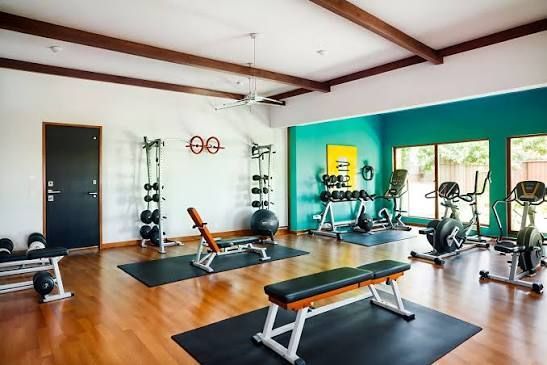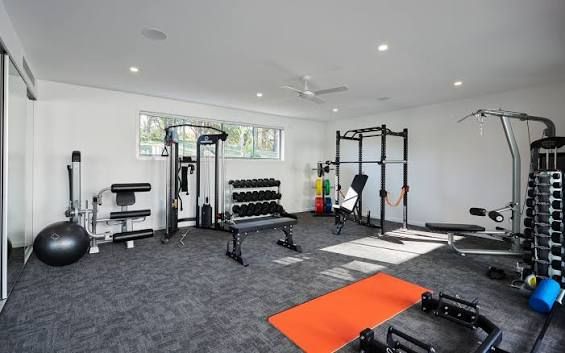

Garage to Home Gym - Rhode Island

David Antonucci • October 17, 2025

Transforming your Rhode Island garage into a home gym is one of the smartest investments for health, convenience, and home value. Whether you're in Providence, Warwick, Cranston, or anywhere across the Ocean State, a garage gym conversion provides year-round workout space without expensive gym memberships or driving to fitness centers during harsh New England winters. This comprehensive guide covers everything from planning and budgeting to climate control and equipment selection specifically for Rhode Island homeowners.


Cost to Convert Garage to Home Gym in Rhode Island


Converting a Rhode Island garage to a home gym typically costs $3,000 to $15,000, with most homeowners spending $5,000 to $8,000. This includes essential climate control ($2,000-$6,000), flooring ($500-$2,500), electrical upgrades ($800-$2,500), lighting ($300-$800), mirrors and wall treatments ($400-$1,200), and basic equipment ($1,000-$5,000+). The final cost depends on garage size, desired comfort level, and equipment choices.


Cost Breakdown by Component

Climate Control: $2,000-$6,000


  • Insulation (walls and ceiling): $1,500-$4,000
  • Heating system: $400-$3,500
  • Air conditioning/ventilation: $300-$2,000
  • Dehumidifier: $200-$400
  • Essential for Rhode Island's extreme temperatures


Flooring: $500-$2,500


  • Rubber tiles (3/4 inch): $2-$4 per sq ft
  • Rubber rolls: $1.50-$3 per sq ft
  • Horse stall mats: $1-$2 per sq ft (budget option)
  • Professional installation (optional): $1-$2 per sq ft


Electrical Upgrades: $800-$2,500


  • New circuits for equipment: $400-$800
  • Additional outlets: $150-$300 each
  • Dedicated TV/sound circuit: $400-$700
  • Lighting upgrades: $300-$800


Mirrors and Walls: $400-$1,200


  • Large wall mirrors: $200-$600
  • Mirror installation: $200-$600
  • Wall finishing/paint: $300-$800
  • Accent walls or treatments: $200-$500


Storage and Organization: $300-$1,500


  • Wall-mounted racks: $150-$500
  • Weight trees/storage: $100-$400
  • Accessory hooks and shelving: $50-$200
  • Equipment organization: $100-$400


Entertainment System: $200-$2,000


  • TV mounting and setup: $200-$800
  • Sound system: $150-$800
  • Streaming device: $50-$200
  • Smart home integration: $100-$500


Equipment (separate from conversion): $1,000-$10,000+


  • Varies greatly by workout type
  • See equipment section below


Budget-Friendly Conversion ($3,000-$5,000)

Essentials Only:


  • Basic insulation upgrades: $1,000-$1,500
  • Electric heater: $300-$600
  • Horse stall mat flooring: $400-$800
  • DIY mirror installation: $200-$400
  • Basic lighting: $200-$400
  • Minimal electrical work: $400-$800
  • Basic equipment: $500-$1,000


Works For:


  • Seasonal use (spring through fall)
  • Body weight and minimal equipment workouts
  • DIY-focused homeowners


Mid-Range Conversion ($5,000-$10,000)

Comfortable Year-Round Use:


  • Full insulation: $2,000-$3,500
  • Mini-split or gas heater: $1,500-$3,000
  • Quality rubber flooring: $800-$1,500
  • Professional mirrors: $400-$800
  • LED lighting upgrade: $400-$700
  • Electrical upgrades: $1,000-$2,000
  • Entertainment setup: $400-$1,000
  • Mid-range equipment: $1,500-$3,000


Works For:


  • Year-round daily use
  • Serious fitness enthusiasts
  • Most Rhode Island homeowners


Premium Conversion ($10,000-$20,000+)

Luxury Home Gym:


  • Premium insulation and finishing: $4,000-$6,000
  • High-efficiency HVAC: $3,000-$5,000
  • Professional flooring installation: $1,500-$3,000
  • Custom mirrors and walls: $1,000-$2,000
  • Smart lighting and controls: $800-$1,500
  • Comprehensive electrical: $2,000-$3,500
  • Premium entertainment: $1,000-$2,000
  • High-end equipment: $5,000-$15,000+


Works For:


  • Commercial-quality home gym
  • Multiple users
  • Advanced fitness training
  • Home resale value priority


Planning Your Rhode Island Garage Gym


Assessing Your Space

Standard Rhode Island Garage Sizes:


One-Car Garage (12x20 ft, 240 sq ft):


  • Adequate for cardio equipment + weights
  • Limited space for large equipment
  • Best for individual use
  • Strategic organization essential


Two-Car Garage (20x20 ft, 400 sq ft):


  • Ideal home gym size
  • Multiple workout zones possible
  • Cardio and strength areas
  • Room for accessories and storage
  • Most common in RI


Two-Car Deep (24x24 ft, 576 sq ft):


  • Excellent gym potential
  • Separate cardio and strength zones
  • Space for specialized equipment
  • Multiple user capability
  • Ample storage


Three-Car Garage (30x20 ft, 600+ sq ft):


  • Professional gym capability
  • Multiple workout stations
  • Group training possible
  • Extensive equipment options
  • Less common in urban RI


Ceiling Height Requirements

Standard 8-foot ceilings:


  • Adequate for most exercises
  • Pull-up bars possible with clearance
  • Consider fold-away pull-up bars
  • Most common in older RI homes


9-10 foot ceilings:


  • Excellent for all exercises
  • Overhead movements comfortable
  • Better ventilation
  • Rope climbing possible


Minimum clearances needed:


  • Pull-ups: 8 feet minimum
  • Box jumps: 10 feet ideal
  • Olympic lifting: 9 feet minimum
  • General training: 8 feet adequate


Defining Your Workout Style

Cardio Focus:


  • Treadmill, bike, rower, elliptical
  • Open floor space for HIIT
  • Entertainment center important
  • Less flooring protection needed
  • Budget: $4,000-$8,000


Strength Training Focus:


  • Power rack, bench, barbell, weights
  • Heavy-duty flooring essential
  • Mirrors critical for form
  • Storage for plates and accessories
  • Budget: $5,000-$12,000


CrossFit/Functional Fitness:


  • Pull-up rig, rower, assault bike
  • Olympic lifting platform
  • Wall-mounted targets
  • Heavy-duty everything
  • Budget: $6,000-$15,000


Yoga/Pilates/Bodyweight:


  • Minimal equipment needs
  • Mirror wall essential
  • Comfortable temperature critical
  • Clean, calming environment
  • Budget: $3,000-$6,000


Multi-Purpose Fitness:


  • Combination of equipment types
  • Flexible space configuration
  • Storage for multiple activities
  • Most common choice
  • Budget: $5,000-$10,000


Climate Control for Rhode Island Garage Gyms


Why Climate Control is Critical

Rhode Island's extreme weather makes climate control essential:


  • Winter: Average 25-35°F, cold snaps to 0-10°F
  • Summer: Average 75-85°F, humidity 70-90%
  • Working out generates heat: Need cooling even in winter
  • Equipment protection: Moisture damages equipment
  • Motivation: Uncomfortable temps mean skipped workouts


Insulation Requirements

Wall Insulation:


  • R-13 to R-19 for Rhode Island
  • Essential for temperature control
  • Vapor barrier prevents moisture
  • Cost: $1.50-$3.00 per sq ft
  • Return on investment: 40-60% energy savings


Ceiling Insulation:


  • R-38 to R-49 recommended
  • Most important area (heat rises)
  • Dramatically improves comfort
  • Cost: $2.00-$4.00 per sq ft
  • Required for year-round use


Garage Door Insulation:


  • R-16 to R-18 rated doors
  • Single biggest improvement
  • Insulated door or retrofit kit
  • Cost: $1,000-$3,500 per door
  • Essential investment


Total Insulation: $1,500-$4,000 for typical two-car Rhode Island garage


Heating Solutions for RI Garage Gyms

Best Options Compared:


Mini-Split Heat Pump: $2,500-$5,000 installed


  • ✓ Heating AND cooling combined
  • ✓ Most efficient option
  • ✓ Quiet operation
  • ✓ Precise temperature control
  • ✗ Higher upfront cost
  • BEST CHOICE for serious gym use


Electric Wall Heater: $400-$1,200 installed


  • ✓ Lower installation cost
  • ✓ Quick heat for workouts
  • ✓ Thermostat control
  • ✗ Higher operating costs in RI
  • ✗ Heating only (no cooling)
  • Good for budget builds


Infrared Heaters: $500-$1,500 installed


  • ✓ Efficient radiant heat
  • ✓ Feels warmer at lower temp
  • ✓ No dust circulation
  • ✗ Heating only
  • ✗ Takes time to warm space
  • Good for strength training focus


Natural Gas Unit Heater: $1,500-$3,500 installed


  • ✓ Powerful heating
  • ✓ Low operating cost
  • ✓ Quick warm-up
  • ✗ Requires gas line
  • ✗ No cooling capability
  • Good if gas available


Target Temperature: 60-65°F for workouts (warmer than living spaces)


Cooling and Ventilation

Air Conditioning Options:


Mini-Split System: $2,500-$5,000 (includes heating)

  • Best overall solution
  • Efficient cooling and dehumidification
  • Year-round comfort
  • Recommended for serious use


Window AC Unit: $200-$600


  • Budget-friendly cooling
  • 8,000-12,000 BTU adequate for 400 sq ft
  • Works for seasonal use
  • Remove in winter


Portable AC: $300-$700


  • Flexible placement
  • No installation needed
  • Less efficient than window units
  • Storage when not in use


Ventilation Essential:


  • Exhaust fan: $150-$400 installed
  • Ceiling fan: $150-$400
  • Opens windows (weather permitting)
  • Critical for air quality during intense workouts


Dehumidifier: $200-$400


  • Essential in coastal Rhode Island
  • 50-70 pint capacity
  • Prevents equipment rust
  • Improves comfort
  • Run year-round in humid areas


Seasonal Strategies

Winter Gym Use (November-March):


  • Heat to 60°F baseline, warms during workout
  • Dress in layers initially
  • Warm up equipment before heavy lifts
  • Watch for condensation
  • Keep garage door closed


Summer Gym Use (June-September):


  • AC or fans essential
  • Dehumidifier prevents rust
  • Early morning workouts cooler
  • Hydration critical
  • Consider opening door with screen


Flooring for Rhode Island Garage Gyms


Rubber Flooring Options

Interlocking Rubber Tiles (3/4 inch): $2-$4 per sq ft


  • ✓ Easy DIY installation
  • ✓ Professional appearance
  • ✓ Excellent protection
  • ✓ Multiple color options
  • ✓ Replaceable sections
  • Cost for 400 sq ft: $800-$1,600


Rubber Rolls (1/4 to 3/4 inch): $1.50-$3 per sq ft


  • ✓ Seamless appearance
  • ✓ Quick installation
  • ✓ Commercial gym look
  • ✗ Requires adhesive or tape
  • ✗ Harder to repair sections
  • Cost for 400 sq ft: $600-$1,200


Horse Stall Mats (3/4 inch): $1-$2 per sq ft


  • ✓ Extremely durable
  • ✓ Budget-friendly
  • ✓ Heavy (stable)
  • ✗ Strong rubber smell initially
  • ✗ Seams visible
  • ✗ Heavier to install
  • Cost for 400 sq ft: $400-$800
  • Best budget option


Gym Floor Tiles with Foam Base: $3-$6 per sq ft


  • ✓ Maximum cushioning
  • ✓ Joint-friendly
  • ✓ Good for cardio
  • ✗ Less durable for heavy weights
  • ✗ Can compress over time
  • Cost for 400 sq ft: $1,200-$2,400


Flooring by Workout Type

Heavy Weightlifting/Powerlifting:


  • 3/4 inch rubber minimum
  • Olympic lifting platform (DIY: $200-$400)
  • Double-layer in drop zones
  • Horse stall mats work great


General Strength Training:


  • 3/4 inch interlocking tiles ideal
  • Full coverage recommended
  • Protects concrete
  • Easy maintenance


Cardio/HIIT Focus:


  • 1/2 inch rubber adequate
  • Foam-backed tiles comfortable
  • Less weight dropped
  • Reduces joint impact


CrossFit/Functional:


  • 3/4 inch rubber essential
  • Reinforced drop zones
  • Commercial-grade preferred
  • Withstands abuse


Installation Tips

Preparation:


  • Clean concrete thoroughly
  • Fill major cracks/holes
  • Level surface (slight slope okay)
  • Allow flooring to acclimate (24-48 hours)


Installation:


  • Start from most visible corner
  • Stagger seams (tile pattern)
  • Use rubber mallet to secure
  • Trim edges with utility knife


DIY vs Professional:


  • Most homeowners DIY successfully
  • Professional if complex layout: $1-$2 per sq ft labor
  • Save $400-$800 on typical garage


Electrical Upgrades for Garage Gyms


Power Requirements

Basic Gym Needs:


  • Treadmill: 15-20 amps (dedicated circuit recommended)
  • Other cardio: 5-10 amps
  • TV and sound: 5 amps
  • Lighting: 5-10 amps
  • Climate control: 15-20 amps (dedicated circuit)


Minimum Upgrade: $800-$1,500


  • (1) 20-amp dedicated circuit for HVAC
  • (1) 20-amp dedicated circuit for treadmill
  • 4-6 additional outlets
  • Lighting improvements


Standard Upgrade: $1,500-$2,500


  • (2-3) 20-amp dedicated circuits
  • 8-10 outlets total
  • GFCI protection where required
  • Entertainment center circuit
  • Smart controls optional


Outlet Placement

Strategic Locations:


  • Near each equipment location
  • 18-24 inches above floor (standard)
  • Higher outlets (48") for TV/sound
  • Corners for fans/dehumidifier
  • Multiple outlets per wall


Quantity Needed:


  • 240 sq ft (one-car): 6-8 outlets
  • 400 sq ft (two-car): 8-12 outlets
  • 600+ sq ft: 12-16 outlets


Cost: $150-$300 per outlet installed


Lighting Requirements

Target Brightness: 50-75 lumens per square foot


  • 400 sq ft garage: 20,000-30,000 lumens


LED Shop Lights: $300-$600


  • 4-foot fixtures: 4,000-5,000 lumens each
  • 4000K-5000K color temperature
  • Need 4-6 fixtures for 400 sq ft
  • Energy efficient
  • Best overall choice


Recessed LED: $400-$800


  • Clean, modern appearance
  • Even light distribution
  • Better for finished gyms
  • Professional installation


Smart Lighting: $400-$1,000


  • WiFi-controlled brightness
  • Color temperature adjustment
  • Scheduling and automation
  • Voice control integration


Natural Light:


  • Windows improve ambiance
  • Adding windows: $500-$1,500 each
  • Solar tubes: $300-$600 installed
  • Glass garage door: $1,500-$3,500


Rhode Island's short winter days (sunset by 4:30 PM December) make excellent artificial lighting essential.


Mirrors and Wall Treatments


Mirror Installation

Why Mirrors are Essential:


  • Form checking prevents injury
  • Increases motivation
  • Makes space feel larger
  • Professional gym appearance


Mirror Options:


Glued Wall Mirrors: $200-$600 DIY

  • 1/4 inch mirror panels
  • Mirror adhesive application
  • 4x6 ft panels common
  • Cost: $1-$2 per sq ft
  • Most popular choice


Framed Mirrors: $300-$900


  • Pre-framed units
  • Easier installation
  • Better appearance
  • Cost: $100-$300 per mirror
  • Less common for gyms


Professional Installation: $400-$1,200 total


  • Perfect alignment
  • Proper adhesive
  • Safety backing
  • Warranty included


Placement Strategy:


  • Full wall opposite entry (wow factor)
  • Above/behind lifting area (form check)
  • 6-12 inches above floor minimum
  • Cover 8-12 feet of wall minimum


Wall Finishing

Drywall and Paint: $600-$1,500


  • Finish unfinished walls
  • Moisture-resistant paint
  • Semi-gloss or satin finish
  • Motivational accent colors


Accent Walls: $200-$600


  • Bold color behind mirrors
  • Motivational graphics/decals
  • Wood slat walls (aesthetic)
  • Cork board for goals/photos


Functional Wall Treatments:


  • Pegboard for accessories: $50-$150
  • Slatwall for equipment: $200-$500
  • Magnetic strips for bands: $40-$100
  • Wall-mounted racks: $150-$400


Equipment Selection and Costs


Essential Cardio Equipment

Treadmill: $500-$3,000


  • Budget models: $500-$1,000 (basic walking/jogging)
  • Mid-range: $1,000-$2,000 (running capability)
  • Premium: $2,000-$3,000+ (commercial quality)
  • Space needed: 7x3 feet


Stationary Bike: $200-$1,500


  • Upright basic: $200-$500
  • Spin bike: $400-$1,200
  • Recumbent: $300-$800
  • Space needed: 4x2 feet


Rowing Machine: $300-$1,500


  • Concept2: $900-$1,200 (gold standard)
  • Budget models: $300-$600
  • Premium: $1,200-$1,500+
  • Space needed: 8x2 feet


Elliptical: $400-$2,000


  • Budget: $400-$800
  • Mid-range: $800-$1,500
  • Premium: $1,500-$2,000+
  • Space needed: 6x3 feet


Assault/Air Bike: $400-$800


  • Excellent for HIIT
  • Low maintenance
  • Self-powered
  • Space needed: 4x3 feet


Essential Strength Equipment

Power Rack: $300-$1,500


  • Budget rack: $300-$600 (basic safety)
  • Mid-range: $600-$1,000 (attachments)
  • Premium: $1,000-$1,500+ (commercial grade)
  • Space needed: 8x8 feet with clearance


Adjustable Bench: $150-$600


  • Basic flat: $100-$200
  • Adjustable: $200-$400
  • Premium FID: $400-$600
  • Space needed: 5x2 feet


Olympic Barbell: $150-$400


  • Budget: $100-$200
  • Quality: $200-$300
  • Premium: $300-$400
  • 45 lbs standard


Weight Plates: $1.50-$2.50 per lb


  • 300 lbs set: $450-$750
  • Iron plates cheaper
  • Bumper plates for Olympic lifting
  • Start with: 2x45, 4x25, 2x10, 4x5, 2x2.5


Dumbbells: $1-$3 per lb


  • Fixed pairs: Space-intensive
  • Adjustable: $300-$600 per pair (5-50 lbs)
  • PowerBlocks: $400-$800 (space-saving)
  • Start with 2-3 pairs based on strength


Pull-Up Bar: $30-$300


  • Doorway mount: $30-$60
  • Wall-mounted: $60-$150
  • Free-standing: $200-$400
  • Ceiling-mounted: $100-$200


Functional Fitness Equipment

Plyo Box: $80-$200


  • Wood or foam
  • 20/24/30 inch common
  • DIY option: $40-$80


Kettlebells: $1.50-$3 per lb


  • 15, 25, 35, 50 lb set: $200-$400
  • Adjustable: $150-$300


Resistance Bands: $20-$100


  • Set with handles: $30-$60
  • Loop bands: $20-$40
  • Wall attachment: $20-$40


Medicine Balls: $30-$80 each


  • 10, 15, 20 lb common
  • Wall balls for CrossFit
  • Slam balls for power


Battle Ropes: $50-$150


  • 30-50 feet length
  • 1.5-2 inch diameter
  • Anchor system: $30-$60


TRX/Suspension: $150-$300


  • Versatile bodyweight training
  • Door or ceiling mount
  • Space-efficient


Storage Solutions

Weight Plate Storage: $100-$400


  • Tree-style: $100-$200
  • Wall-mounted: $150-$300
  • Rolling rack: $200-$400


Dumbbell Rack: $150-$500


  • 3-tier: $150-$250
  • 5-tier: $250-$400
  • Custom built: $100-$300 DIY


Barbell Storage: $50-$200


  • Wall-mounted: $50-$100
  • Vertical stand: $80-$150
  • Rack attachment: $100-$200


Accessory Storage: $100-$300


  • Shelving units: $80-$200
  • Bins and baskets: $30-$100
  • Wall hooks/hangers: $20-$50


Budget Equipment Packages

Starter Home Gym ($1,500-$2,500):


  • Adjustable dumbbells (5-50 lbs): $400-$600
  • Adjustable bench: $200-$300
  • Resistance bands set: $50-$100
  • Pull-up bar: $30-$80
  • Yoga mat: $20-$40
  • Jump rope: $10-$30
  • Kettlebell (25 lb): $40-$75
  • Mirror: $200-$400
  • Storage: $100-$200


Intermediate Home Gym ($3,000-$5,000):


  • Power rack: $500-$800
  • Olympic barbell: $200-$300
  • 300 lb weight plates: $450-$600
  • Adjustable bench: $300-$400
  • Rowing machine OR bike: $400-$800
  • Dumbbells (3 pairs): $300-$500
  • Pull-up bar: $100-$150
  • Accessories: $200-$300
  • Storage: $200-$400


Complete Home Gym ($6,000-$10,000):


  • Power rack: $800-$1,200
  • Olympic barbell: $250-$350
  • 400+ lb weight plates: $600-$1,000
  • Adjustable bench: $400-$600
  • Treadmill: $1,000-$2,000
  • Rower OR assault bike: $600-$900
  • Dumbbell set (adjustable): $600-$800
  • Kettlebells (3): $150-$250
  • Complete accessories: $400-$600
  • Storage solutions: $400-$700


Sound System and Entertainment


Audio Options

Bluetooth Speaker: $50-$300


  • Portable and flexible
  • Battery or plug-in
  • JBL, Bose, Sonos popular
  • Budget-friendly option


Ceiling Speakers: $200-$600


  • Integrated appearance
  • Even sound distribution
  • Professional installation
  • Permanent solution


Soundbar: $150-$500


  • Better audio for TV
  • Wall-mounted
  • Bluetooth connectivity
  • Mid-range choice


Multi-Zone System: $500-$1,500


  • Whole-house audio
  • App control
  • Multiple speakers
  • Premium option


Video Entertainment

TV Mounting: $200-$800


  • 32-43 inch: $200-$400 (adequate)
  • 50-55 inch: $400-$600 (better)
  • 60+ inch: $600-$800+ (immersive)
  • Wall mount: $50-$150
  • Ceiling mount: $100-$200


Streaming Devices: $30-$150


  • Roku: $30-$100
  • Fire TV: $40-$120
  • Apple TV: $130-$150
  • Built-in smart TV features


Content Options:


  • Peloton app: $13/month (all workouts)
  • Apple Fitness+: $10/month
  • YouTube: Free (countless workouts)
  • Netflix/streaming: Entertainment between sets


Safety and Accessories


Safety Equipment

First Aid Kit: $30-$100


  • Well-stocked for injuries
  • Ice packs
  • Bandages and tape
  • Pain relievers


Fire Extinguisher: $30-$80


  • ABC-rated required
  • Near exit
  • Check annually


Rubber Mat/Platform: $100-$400


  • Extra protection for heavy lifts
  • Olympic lifting platform
  • Sound dampening
  • Reduces floor damage


Safety Pins/Spotter Arms: $100-$300


  • Often included with rack
  • Critical for solo lifting
  • Adjustable height
  • Peace of mind


Accessories

Foam Roller: $20-$60


  • Recovery essential
  • Multiple densities
  • Travel-size options


Yoga Mat: $20-$80


  • Stretching and floor work
  • Non-slip surface
  • Easy to clean


Weight Belt: $30-$80


  • Lower back support
  • Heavy lifting protection
  • Leather or nylon


Lifting Straps: $15-$40


  • Grip assistance
  • Deadlifts and rows
  • Protect hands


Chalk/Liquid Chalk: $10-$20


  • Improve grip
  • Reduce calluses
  • Liquid less messy


Gym Timer: $20-$60


  • Interval training
  • HIIT workouts
  • Wall-mounted or app


Fan: $30-$150


  • Air circulation
  • Cool down between sets
  • Pedestal or wall-mount
  • Essential for summer


Rhode Island Building Codes and Permits


When Permits Required

Electrical Work: Always required for:


  • New circuits
  • Panel upgrades
  • Permanent equipment installation
  • Cost: $50-$200 in RI municipalities


HVAC Installation: Required for:


  • Mini-split systems
  • Gas heaters
  • Permanent AC
  • Cost: $50-$150


Structural Changes: Required for:


  • Removing walls
  • Adding windows
  • Changing garage door
  • Cost: Varies by scope


Code Compliance

Fire Separation (attached garages):


  • 5/8-inch Type X drywall required
  • Self-closing door to house
  • Fire-rated door (20-minute minimum)
  • Maintain separation


Electrical Safety:


  • GFCI outlets required in garages
  • Dedicated circuits for equipment
  • Proper wire sizing
  • Licensed electrician required


Ventilation:


  • Mechanical or natural ventilation
  • Important for air quality
  • Exhaust fan recommended
  • Fresh air intake


Egress:


  • Maintain clear exit path
  • Don't block doors
  • Emergency lighting optional
  • Safety first


Check with your local building department (Providence, Warwick, Cranston, etc.) for specific requirements.


Layout and Design Tips


Space Planning

Equipment Placement:


  • Cardio facing TV/window (entertainment)
  • Strength training with mirror view
  • Open floor space for functional work
  • Storage along walls
  • Climate control central


Traffic Flow:


  • Clear paths between equipment
  • 3-foot minimum clearance
  • Consider equipment use patterns
  • Easy entry/exit access


Zones for Multi-Purpose:


  • Cardio zone
  • Strength/lifting zone
  • Stretching/cool-down area
  • Storage/accessory area
  • Separation improves function


Small Garage Solutions

Space-Saving Ideas (One-car garages):


  • Folding/wall-mounted bench
  • Resistance bands vs weights
  • Adjustable dumbbells vs sets
  • Vertical storage maximize
  • Multi-function equipment


Vertical Space Usage:


  • Wall-mounted pull-up bar
  • Ceiling-hung TRX
  • High shelving for storage
  • Fold-up equipment
  • Make every inch count


Aesthetic Considerations

Color Psychology:


  • Red/orange: Energy, motivation
  • Blue: Calm, focus
  • Green: Balance, health
  • Black/gray: Modern, professional
  • White: Clean, spacious feeling


Motivational Elements:


  • Goal board or whiteboard
  • Progress photos
  • Inspirational quotes/decals
  • Personal achievements display
  • Vision board


Professional Touches:


  • Consistent color scheme
  • Quality materials
  • Clean organization
  • Good lighting
  • Attention to details


Maintenance and Upkeep


Regular Maintenance

Daily:


  • Wipe down equipment
  • Put away accessories
  • Sweep/vacuum floor
  • Check temperature settings


Weekly:


  • Deep clean equipment
  • Mop rubber flooring
  • Dust mirrors and surfaces
  • Check all equipment function


Monthly:


  • Inspect equipment bolts/connections
  • Test GFCI outlets
  • Clean/replace air filters
  • Lubricate moving parts
  • Check for rust (important in RI humidity)


Seasonal:


  • HVAC system servicing
  • Inspect insulation
  • Check weatherstripping
  • Deep organizational clean
  • Equipment calibration


Equipment Care

Cardio Machines:


  • Regular belt lubrication (treadmill)
  • Tighten bolts quarterly
  • Clean electronics carefully
  • Follow manufacturer guidelines


Weights and Bars:


  • Check for rust (RI humidity)
  • Oil barbells periodically
  • Inspect collars and clips
  • Store properly when not in use


Rubber Flooring:


  • Sweep/vacuum regularly
  • Mop with mild soap
  • Avoid harsh chemicals
  • Repair damage promptly


Mirrors:


  • Clean with glass cleaner
  • Check adhesive periodically
  • Prevent water exposure
  • Re-secure if loosening


Return on Investment


Financial Benefits

Gym Membership Savings:


  • Average RI gym: $40-$80/month
  • Annual savings: $480-$960 per person
  • Family of 3: $1,440-$2,880/year
  • ROI in 2-5 years


Convenience Value:


  • No commute time/cost
  • Work out any time
  • No crowds or waits
  • Weather independent
  • Priceless for consistency


Home Value Impact:


  • Well-executed gym adds appeal
  • Demonstrates home maintenance
  • Attracts fitness-conscious buyers
  • Typical ROI: 50-70% at resale
  • Enhanced marketability in competitive RI market


Health and Lifestyle Benefits

Physical Health Value:


  • Consistent workout access improves adherence
  • Reduced barriers to exercise
  • Better long-term health outcomes
  • Family fitness opportunities
  • Invaluable for wellness


Mental Health Benefits:


  • Stress relief accessible 24/7
  • Endorphin boost without leaving home
  • Personal sanctuary space
  • Confidence from home improvement
  • Routine and structure support


Time Savings:


  • No commute to gym (15-30 min each way)
  • Save 2-5 hours weekly
  • More family/personal time
  • Better work-life balance
  • Workout when convenient


Privacy and Comfort:


  • No judgment or self-consciousness
  • Control your environment
  • Your music, your temperature
  • No waiting for equipment
  • Work out in any attire


Long-Term Investment

Most Rhode Island homeowners find garage gym conversions provide:


  • Complete payback in 3-5 years through savings
  • Decades of use and enjoyment
  • Increased workout consistency
  • Improved quality of life
  • Strong resale appeal


Rhode Island-Specific Considerations


Coastal Humidity Management

For Coastal Areas (Newport, Narragansett, Barrington, South Kingstown):


  • Dehumidifier essential year-round
  • 50-70 pint capacity minimum
  • Prevent equipment rust and corrosion
  • Wipe down equipment after workouts
  • Consider rust-resistant equipment
  • Store smaller items in sealed containers


Equipment Protection:


  • Silicone spray on metal parts
  • Rust inhibitor on barbells
  • Regular inspection for corrosion
  • Quality powder-coated equipment
  • Climate control reduces moisture


Winter Training Strategies

Cold Weather Tips (November-March):


  • Heat to 60°F baseline (warms quickly during workout)
  • Dress in layers initially
  • 5-10 minute extended warm-up
  • Equipment may feel cold initially
  • Monitor for ice around garage door
  • Keep pathways clear of snow


Snow Day Advantages:


  • No excuses for skipped workouts
  • When roads are bad, gym is steps away
  • Rhode Island nor'easters mean zero commute
  • Storm workout = ultimate dedication


Summer Workout Management

Hot Weather Strategies (June-September):


  • AC or strong ventilation essential
  • Dehumidifier prevents equipment damage
  • Early morning or evening workouts cooler
  • Hydration more critical
  • Towels to wipe equipment
  • Consider opening garage door with screen


Rhode Island Summer Humidity:


  • Often 70-90% humidity
  • Makes workouts feel harder
  • Equipment rust risk increases
  • Proper ventilation critical
  • Dehumidifier runs continuously


Urban vs. Suburban Considerations

Urban Settings (Providence, Pawtucket, Central Falls):


  • Smaller garage footprints typical
  • Noise considerations for neighbors
  • Parking may be limited
  • Space-efficient equipment priority
  • Shared wall considerations


Suburban Areas (Warwick, Cranston, East Greenwich):


  • Larger garages more common
  • More equipment space available
  • Vehicle parking still possible
  • Less noise concern
  • Room for expansion


Coastal Communities (Newport, Narragansett, Jamestown):


  • Humidity control critical
  • Salt air affects equipment
  • Premium dehumidification needed
  • Rust-resistant equipment essential
  • Higher initial investment worthwhile


Historic Home Challenges

Older Rhode Island Homes (Providence historic districts, Bristol, Newport):


  • Limited electrical capacity common
  • Panel upgrades often needed ($1,500-$4,000)
  • Smaller garage footprints
  • Unique dimensions require planning
  • Insulation may be minimal
  • Creative solutions needed


Common Mistakes to Avoid


Skipping Climate Control

The Problem: Rhode Island's extreme weather makes unheated/uncooled gyms unusable

The Result: Gym sits unused 4-6 months per year, wasted investment

The Solution: Budget for proper insulation and HVAC from the start


Inadequate Electrical Planning

The Problem: Not enough outlets or circuit capacity for equipment

The Result: Extension cords everywhere, tripped breakers, safety hazards

The Solution: Plan electrical with licensed electrician before starting


Buying Wrong Equipment

The Problem: Purchasing before planning space or defining goals

The Result: Equipment doesn't fit, wrong for workout style, buyer's remorse

The Solution: Plan layout first, measure twice, research thoroughly


Insufficient Flooring

The Problem: Thin mats or no flooring for weight training

The Result: Damaged concrete, noise, equipment damage, injury risk

The Solution: Invest in 3/4 inch rubber flooring for any weight work


Ignoring Storage

The Problem: No organization plan for accessories and small equipment

The Result: Cluttered space, lost items, tripping hazards, frustration

The Solution: Budget $300-$1,000 for proper storage from day one


Poor Lighting

The Problem: Dim, inadequate lighting for safe exercise

The Result: Eye strain, safety issues, reduced motivation

The Solution: Install 50-75 lumens/sq ft with quality LED fixtures


No Dehumidification

The Problem: Rhode Island humidity ignored, especially coastal areas

The Result: Rusted equipment, musty smell, shortened equipment life

The Solution: Quality dehumidifier ($200-$400) prevents thousands in damage


Forgetting Mirrors

The Problem: No mirror for form checking

The Result: Poor form leads to injury, reduced effectiveness

The Solution: Install at least 8 feet of mirror wall ($200-$600)


Timeline for Garage Gym Conversion


Planning Phase (1-3 weeks)

  • Define workout style and goals
  • Measure space and plan layout
  • Create budget
  • Research equipment
  • Get contractor quotes for electrical/HVAC
  • Order long-lead items (equipment, materials)


Infrastructure Phase (2-4 weeks)

  • Install insulation (if needed)
  • Electrical upgrades
  • HVAC installation
  • Permits and inspections
  • Wall finishing/painting
  • Allow for Rhode Island weather delays


Installation Phase (1-2 weeks)

  • Install flooring
  • Mount mirrors
  • Install lighting
  • Set up storage systems
  • Receive and assemble equipment
  • Entertainment system setup


Fine-Tuning (1-2 weeks)

  • Organize accessories
  • Test all equipment
  • Adjust layout as needed
  • Add final touches
  • Start working out!


Total Timeline: 4-10 weeks from decision to first workout


Best Times to Start:


  • Spring (March-May): Ideal construction weather, ready for summer
  • Summer (June-August): Warm weather for installation, test before winter
  • Fall (September-November): Complete before holidays, ready for winter
  • Avoid: Deep winter (December-February) complicates construction in RI


Frequently Asked Questions


Can I still park in my garage?

Answer: Depends on garage size and equipment choices


  • Two-car garage (400 sq ft): One vehicle + gym possible with planning
  • Creative solutions: Mobile equipment, wall-mounted options, compact cardio
  • Many choose gym over vehicle storage (year-round benefit)
  • Consider seasonal approach (gym winter, parking summer)


Do I need permits for garage gym?

Answer: Depends on work performed


  • Electrical upgrades: Yes, permits required in all RI municipalities
  • HVAC installation: Yes, permits required
  • Flooring, mirrors, equipment: No permits needed
  • Check local building department for specifics
  • Licensed contractors typically handle permits


How long does it take to see ROI?

Answer: 2-5 years for financial payback


  • Gym membership savings: $480-$960/year per person
  • Equipment lasts 10-20+ years with care
  • Lifestyle benefits immediate
  • Home value increase partial recovery
  • Most find investment worthwhile within 2 years


What's the minimum budget needed?

Answer: $3,000 for basic functional gym


  • Essential climate control: $1,000-$1,500
  • Basic flooring: $400-$800
  • Minimal electrical: $400-$800
  • Starter equipment: $500-$1,000
  • DIY approach reduces costs
  • Comfortable year-round use requires more


Can I DIY the conversion?

Answer: Partially, but hire pros for key areas


  • DIY-friendly: Flooring, mirrors, painting, equipment assembly, storage
  • Hire professionals: Electrical work, HVAC installation, insulation (complex)
  • Rhode Island requires: Licensed electrician for circuits, HVAC tech for systems
  • Hybrid approach saves money while ensuring safety


Will garage gym lower my home value?

Answer: No, typically enhances value if done well


  • Professional execution important
  • Maintains garage functionality preferred
  • Appeals to fitness-conscious buyers
  • Demonstrates home investment
  • Easy to convert back if needed
  • Well-organized gyms show very well


How do I handle Rhode Island winters?

Answer: Proper insulation and heating essential


  • R-13+ wall insulation minimum
  • R-38+ ceiling insulation
  • Insulated garage door critical
  • Heat to 60°F (warms during workout)
  • Mini-split or gas heater best options
  • Budget $2,000-$5,000 for winter readiness


What about noise for neighbors?

Answer: Usually not an issue with proper setup


  • Rubber flooring dampens impact
  • Insulation reduces sound transmission
  • Respectful hours (7 AM - 9 PM)
  • Avoid dropping weights unnecessarily
  • Urban settings require more consideration
  • Communication with neighbors helps


Getting Started Checklist


Initial Planning

  • Measure garage dimensions (length, width, height)
  • Determine workout style and goals
  • Set realistic budget ($3,000-$15,000 typical)
  • Research equipment options
  • Plan layout on paper or digital tool
  • Check HOA restrictions (if applicable)


Climate Control Assessment

  • Evaluate current insulation (or lack thereof)
  • Decide on heating solution
  • Plan for summer cooling
  • Budget for dehumidifier (RI essential)
  • Get HVAC contractor quotes


Electrical Planning

  • Assess current electrical capacity
  • List equipment power requirements
  • Plan outlet locations
  • Get licensed electrician quotes (3+ quotes recommended)
  • Budget for permits ($50-$200)


Design Decisions

  • Choose flooring type and calculate quantity
  • Plan mirror wall location and size
  • Select lighting fixtures
  • Design storage solutions
  • Choose paint colors


Equipment Selection

  • Prioritize must-have equipment
  • Compare brands and read reviews
  • Verify dimensions fit space
  • Check weight and assembly requirements
  • Create purchase timeline (spread costs if needed)


Contractor Coordination

  • Get multiple quotes (electrical, HVAC, insulation)
  • Verify licenses and insurance
  • Check references and reviews
  • Schedule work for optimal timing
  • Confirm permit responsibility


Final Preparation

  • Order materials and equipment
  • Clear garage completely
  • Protect items staying in garage
  • Set up temporary parking
  • Communicate timeline to family


Professional Help vs DIY


When to Hire Professionals

Always Hire Licensed Pros:


  • Electrical circuit installation (required by RI law)
  • HVAC system installation (required by RI law)
  • Gas line work (if applicable)
  • Major insulation projects (complex)
  • Panel upgrades (dangerous DIY)


Consider Hiring:


  • Flooring installation (if large area or complex)
  • Mirror mounting (if large panels)
  • Equipment assembly (if limited time/tools)
  • Drywall finishing (skill-dependent)


DIY-Friendly Projects

Good DIY Projects:


  • Rubber flooring installation
  • Painting walls and ceilings
  • Installing pegboard/slatwall
  • Building storage shelves
  • Equipment assembly (most)
  • Basic organization systems
  • Minor repairs and maintenance


DIY Cost Savings: 30-50% on labor for appropriate projects


Finding Rhode Island Contractors

Electricians:


  • Must be licensed in Rhode Island
  • Verify at www.dlt.ri.gov
  • Get 3+ quotes
  • Expect $85-$150/hour in RI


HVAC Technicians:


  • Rhode Island licensed required
  • Check reviews and references
  • Warranty on installation important
  • Expect $800-$1,200 installation labor


General Contractors:


  • For comprehensive projects
  • Coordinate all trades
  • Pull all permits
  • Project management value


Reviews and References:


  • Google reviews
  • Angi (formerly Angie's List)
  • Better Business Bureau
  • Local Facebook groups
  • Nextdoor recommendations


Rockhouse Construction specializes in garage-to-home-gym conversions throughout Rhode Island. We handle every aspect of transforming your garage into the perfect workout space - from insulation and electrical upgrades to HVAC installation, flooring, mirrors, and lighting. Our team understands Rhode Island's unique climate challenges and building code requirements, ensuring your home gym is comfortable and code-compliant.


We work with you to design a gym that fits your workout style, space, and budget. Whether you're building a CrossFit box, strength training sanctuary, cardio center, or multi-purpose fitness space, we deliver professional results that encourage daily use. We serve homeowners throughout Providence, Warwick, Cranston, Pawtucket, Newport, and communities across the Ocean State.


Contact us today for a free consultation on your garage gym conversion. Let us help you create the motivating, functional, and comfortable workout space that makes fitness a convenient part of your daily routine - no gym membership required.

By David Antonucci March 22, 2026
If you've been dreaming about a beautiful outdoor kitchen in your Rhode Island backyard, you're not alone. Homeowners across Providence, Warwick, Cranston, Newport, and beyond are investing in outdoor living spaces at record rates. The Ocean State's mild summers and love of backyard entertaining make outdoor kitchens one of the smartest home upgrades you can make. But let's talk about the part most people skip over: how do you actually pay for it? Whether you're planning a simple built-in grill setup in North Kingstown or a full custom outdoor kitchen with a pizza oven and bar seating in Barrington, financing is often the deciding factor. What Does an Outdoor Kitchen Cost in Rhode Island? Before diving into financing, it helps to know what you're working with. Outdoor kitchen costs in Rhode Island vary widely depending on materials, size, and the features you choose. Here's a general breakdown of what Rhode Island homeowners typically spend: Basic outdoor kitchen (grill, counter, storage): $5,000 to $15,000 Mid-range outdoor kitchen (built-in grill, sink, mini fridge, concrete or stone counters): $15,000 to $40,000 High-end custom outdoor kitchen (pizza oven, full bar, pergola, outdoor TV, premium appliances): $40,000 to $100,000+ Labor costs in Rhode Island tend to run higher than the national average, particularly in Fairfield County-adjacent markets like East Greenwich and Westerly. Factor in permitting fees with your local municipality, as Providence, Cranston, and Warwick each have their own requirements for permanent outdoor structures. Home Equity Loans for Outdoor Kitchens in Rhode Island For most Rhode Island homeowners, a home equity loan is the most popular way to finance a large outdoor kitchen project. If you've owned your home for several years, there's a good chance you have significant equity built up, especially given how strong the Rhode Island real estate market has been. A home equity loan gives you a lump sum at a fixed interest rate, which you repay over a set term, usually five to twenty years. Because the loan is secured by your home, interest rates are considerably lower than personal loans or credit cards. Benefits of a home equity loan for an outdoor kitchen: Fixed monthly payments make budgeting predictable Interest may be tax-deductible if used for home improvement (consult a tax advisor) Rates are typically much lower than unsecured financing Loan amounts can easily cover large custom projects Several Rhode Island-based lenders offer competitive home equity products, including Navigant Credit Union, Centreville Bank, Coastway Community Bank, and Rhode Island Credit Union. Shopping locally can sometimes get you better terms and a faster approval process than going with a national bank. Home Equity Lines of Credit (HELOCs) in Rhode Island A HELOC works differently than a home equity loan. Instead of receiving one lump sum, you get access to a revolving line of credit that you draw from as needed. This can be a smart option if your outdoor kitchen project will be built in phases or if you're not sure of the exact final cost upfront. HELOCs typically come with a variable interest rate, which means your payment can fluctuate. During the draw period (usually five to ten years), you often only pay interest on what you've borrowed. After that, you enter the repayment period. This structure works well for homeowners in places like Bristol or East Providence who want to start with a basic setup and add features like a pergola or built-in refrigerator down the road. You only borrow what you use, which keeps carrying costs low during construction. Personal Loans for Outdoor Kitchens Not every Rhode Island homeowner has enough equity to tap, particularly first-time buyers or those who purchased recently. In that case, a personal loan is a solid alternative. Personal loans are unsecured, meaning you don't put your home on the line. They typically have higher interest rates than home equity products, but the application process is faster and there are no closing costs. For outdoor kitchen projects in the $5,000 to $20,000 range, a personal loan can be a practical and flexible choice. What to look for in a personal loan for a home improvement project: Competitive APR (ideally under 12% for borrowers with good credit) No prepayment penalties Loan terms between two and seven years A lender that reports to all three major credit bureaus National online lenders like LightStream, SoFi, and Marcus by Goldman Sachs are popular with Rhode Island homeowners for personal loans. LightStream in particular is known for home improvement loans with low rates and fast funding, sometimes within the same business day. Contractor Financing and Buy Now Pay Later Options Many outdoor kitchen contractors and dealers in Rhode Island offer their own financing programs, either through in-house plans or partnerships with third-party lenders. This type of financing is worth asking about, especially if a contractor is running a promotional offer like 12 months same-as-cash or deferred interest. If you're working with a local landscaping company or outdoor kitchen builder in Smithfield, Johnston, or Cumberland, ask directly whether they offer financing and what the terms look like. Some contractors partner with GreenSky or Service Finance Company, which specialize in home improvement lending and can approve you quickly on-site or online. The convenience is appealing, but read the fine print carefully. Deferred interest promotions can result in a large retroactive interest charge if you don't pay off the balance before the promotional period ends. FHA 203(k) and Other Government-Backed Options For homeowners purchasing a home that needs work, or completing major renovations, an FHA 203(k) rehabilitation loan can sometimes be used to include outdoor improvement costs. However, outdoor kitchens typically need to be part of a broader renovation plan to qualify under FHA guidelines. Rhode Island Housing, the state's housing finance agency, also offers programs worth exploring if you're a first-time buyer or fall within income thresholds. While these programs are primarily aimed at interior renovations and energy efficiency upgrades, it's worth calling Rhode Island Housing directly at their Providence office to ask what might apply to your situation. Cash-Out Refinancing If mortgage rates work in your favor, a cash-out refinance allows you to replace your current mortgage with a larger one and pocket the difference. For homeowners who bought before the rate increases of 2022 and 2023, this option may not make sense today. But if you're already planning to refinance for another reason, rolling your outdoor kitchen costs into a cash-out refi can simplify your debt into one manageable monthly payment. Using a Credit Card Strategically A credit card is rarely the best primary financing tool for a large outdoor kitchen, but it can play a supporting role. If you're putting the finishing touches on your project, a rewards credit card or a card with a 0% introductory APR can cover smaller expenses like appliances, lighting, or decor while you pay off the balance before interest kicks in. Some Rhode Island homeowners earn significant travel or cash-back rewards by charging contractor invoices to a high-limit rewards card and immediately paying the balance using their home equity line. This strategy requires financial discipline but can be worth it for the rewards. Tips for Getting Approved and Getting the Best Rate No matter which financing option you pursue, a few steps will help you secure better terms and get your Rhode Island outdoor kitchen project off the ground faster. Check your credit score before applying. Most lenders look for a score of 680 or higher for home equity products. A score above 740 will typically get you the best rates. Calculate your loan-to-value ratio. Most home equity lenders in Rhode Island will lend up to 80 to 85 percent of your home's appraised value, minus what you already owe. Ask about rate locks. If you're using a HELOC, some lenders allow you to lock in a fixed rate on a portion of your balance. Work with a local lender if possible. Credit unions and community banks in Rhode Island often offer more flexibility and better service than national lenders for home improvement projects. Is an Outdoor Kitchen a Good Investment in Rhode Island? The short answer is yes, particularly in Rhode Island's competitive real estate market. A well-designed outdoor kitchen adds meaningful curb appeal and livable square footage to your property. Real estate professionals in Providence, Newport, and the South County area consistently report that outdoor living spaces are among the features buyers notice and pay premiums for.  According to national data from the National Association of Realtors, outdoor kitchens typically recoup between 50 and 80 percent of their cost at resale, and in high-demand markets like East Greenwich and Newport, the return can be even higher. Beyond resale value, there's the quality-of-life factor. Rhode Island summers are short and worth savoring. An outdoor kitchen turns your backyard into a space you'll actually use from late May through October.
By David Antonucci March 22, 2026
If you've been dreaming about a backyard that does it all, you're not alone. Across Rhode Island, from Cranston to Westerly, homeowners are combining outdoor kitchens with pool patios to create resort-style backyards that work hard all summer long. But before you start picking out countertop materials and pool finishes, the most important question on most homeowners' minds is: what does this actually cost in Rhode Island? Outdoor Kitchen and Pool Patio Combo Cost in Rhode Island In Rhode Island, a combined outdoor kitchen and pool patio project typically falls somewhere between $45,000 and $175,000 or more, depending on the size, materials, and level of finish. That's a wide range, and for good reason. A modest above-ground pool with a simple concrete patio and a basic grill station is a very different project than a gunite inground pool with a full outdoor kitchen featuring granite countertops, a pizza oven, and built-in refrigeration. Here's a general breakdown of what Rhode Island homeowners are spending: Budget-friendly combo (above-ground pool, simple paver patio, basic outdoor kitchen): $45,000 to $70,000 Mid-range combo (inground pool, stamped concrete or pavers, full outdoor kitchen): $80,000 to $130,000 High-end combo (custom gunite pool, full hardscape, premium outdoor kitchen with pergola): $140,000 to $200,000+ These figures reflect current Rhode Island contractor rates, material costs, and permitting requirements. The Ocean State's coastal climate also plays a role, since materials need to hold up against humidity, salt air in coastal towns like Newport and Narragansett, and cold winters that cause freeze-thaw cycles in Smithfield, Lincoln, and other inland communities. Outdoor Kitchen Cost Breakdown in Rhode Island The outdoor kitchen portion of your project is often the most customizable part of the budget. A basic setup might include a built-in grill, a countertop, and a small prep area. A premium setup can include a full suite of appliances, custom cabinetry, and a full outdoor bar. Rhode Island outdoor kitchen costs typically break down like this: Basic outdoor kitchen (built-in grill, countertop, single burner): $8,000 to $18,000 Mid-range outdoor kitchen (grill, side burner, sink, mini fridge, stone countertops): $20,000 to $45,000 Premium outdoor kitchen (pizza oven, outdoor bar, ice maker, full appliance suite): $50,000 to $100,000+ Popular countertop choices for Rhode Island outdoor kitchens include granite, quartzite, and porcelain tile, all of which handle New England weather well. Concrete block and steel stud framing with stucco or stone veneer are the most common construction methods used by contractors in Providence, Warwick, and East Greenwich. Labor costs in Rhode Island average between $75 and $125 per hour for experienced hardscape and outdoor kitchen contractors. Providence County and Newport County tend to come in at the higher end of that range. Pool Patio Cost Breakdown for Rhode Island Homeowners The pool and patio portion of the project will usually represent the largest share of your total budget. Pool type is the single biggest cost variable. Inground Pool Costs in Rhode Island: Inground pools are the most popular choice for Rhode Island homeowners doing a full outdoor living renovation. Vinyl liner pools are the most affordable inground option, while gunite (concrete) pools offer the most design flexibility and durability. Vinyl liner inground pool: $40,000 to $65,000 Fiberglass inground pool: $50,000 to $80,000 Gunite/concrete inground pool: $65,000 to $120,000+ Patio and Decking Around the Pool: The pool surround and patio area is where a lot of Rhode Island homeowners underestimate their budget. Patio costs depend heavily on the material you choose and the square footage involved. Concrete patio (brushed or broom finish): $8 to $12 per square foot Stamped concrete patio: $12 to $22 per square foot Natural stone or bluestone patio: $20 to $40 per square foot Travertine or porcelain tile pool deck: $18 to $35 per square foot Paver patio (concrete pavers): $15 to $28 per square foot For a 600 to 900 square foot pool patio area, which is typical for a mid-sized Rhode Island backyard, you're looking at $10,000 to $35,000 just for the hardscape, before any pool installation costs. Factors That Affect Outdoor Kitchen and Pool Patio Costs in Rhode Island No two projects are priced the same. Several local factors will push your quote higher or lower when you're getting estimates from contractors in Warwick, North Kingstown, Barrington, or anywhere else in the state. Lot Size and Grading Rhode Island has a lot of older homes with uneven or sloped yards. Grading and excavation work adds to your budget, especially in hilly communities like Johnston, Scituate, and Foster. Retaining walls and drainage systems can add $5,000 to $20,000 to a project on challenging terrain. Permitting and Zoning Rhode Island municipalities require permits for inground pools, outdoor kitchens with gas lines, and significant hardscaping projects. Permit costs vary by city and town. In Providence and Pawtucket, the permitting process can take longer and cost more than in smaller towns. Always factor in $1,500 to $5,000 for permits and inspections. Material Supply Chain and Seasonality Spring and early summer are peak seasons for Rhode Island pool and outdoor kitchen contractors. Booking in late summer or fall for a spring install can sometimes save 10 to 15 percent on labor costs and improve your access to quality contractors in Cumberland, Tiverton, and South Kingstown. Coastal Proximity If your home is near the coast in towns like Narragansett, Little Compton, or Middletown, expect to pay a premium for materials rated for saltwater exposure. Marine-grade stainless steel appliances, coated aluminum frames, and sealed stone countertops are necessary investments rather than optional upgrades in coastal Rhode Island. Popular Outdoor Kitchen and Pool Patio Combinations in Rhode Island Rhode Island homeowners tend to gravitate toward a few proven layout combinations that work well given the state's relatively modest lot sizes and four-season climate. The Classic RI Backyard Setup This combination is the most popular in Providence, Cranston, and Warwick neighborhoods: Rectangular vinyl liner or fiberglass inground pool (12x24 or 14x28 feet) Concrete paver pool deck with a 10x14 foot outdoor kitchen area off the back of the house Built-in gas grill, stainless mini fridge, granite countertop Pergola or shade sail over the kitchen area Total estimated cost in Rhode Island: $85,000 to $115,000 The Newport or East Bay Premium Build For homeowners in Newport, Bristol, or Barrington who want a showpiece yard: Custom gunite pool with water feature and sun shelf Large travertine or bluestone pool surround with multiple seating areas Full outdoor kitchen with pizza oven, outdoor bar, and refrigerated drawers Outdoor lighting and heating system for shoulder-season use Total estimated cost in Rhode Island: $145,000 to $200,000+ What Rhode Island Contractors Include (and What Costs Extra) When you get a quote from a Rhode Island outdoor kitchen and pool contractor, understanding what's included in the base price prevents sticker shock later in the project. Most Rhode Island contractors include in their base quotes: Excavation for the pool Pool shell, liner, or gunite work Basic filtration and pump system Standard patio around the pool Outdoor kitchen framing and countertop Costs that are often billed separately or as upgrades: Pool heater or heat pump ($3,000 to $8,000) Automated pool cover ($5,000 to $15,000) Outdoor lighting package ($2,000 to $10,000) Outdoor sound system ($1,500 to $5,000) Gas line connection from house to outdoor kitchen ($800 to $2,500) Retaining walls and drainage ($5,000 to $20,000) Pergola, pavilion, or shade structure ($8,000 to $35,000) Outdoor Kitchen and Pool Patio Combo Worth the Investment? In Rhode Island's real estate market, a well-designed outdoor kitchen and pool patio combination consistently adds value to a home. Buyers in Cranston, Barrington, and North Kingstown pay a premium for move-in-ready outdoor living spaces. A high-quality project can return 50 to 70 percent of its cost in added home value, according to most regional appraisers.  Beyond resale value, the lifestyle return is significant. Rhode Island summers are short but spectacular, and having a functional, beautiful outdoor space means you'll actually use it. From Memorial Day through Labor Day and into the warm September and October days that Rhode Island is known for, a pool patio and outdoor kitchen becomes the center of your home.
By David Antonucci March 22, 2026
If you're dreaming of a backyard outdoor kitchen in Rhode Island, one of the first questions you're probably asking is: how long is this actually going to take? Whether you're in Providence, Cranston, Warwick, North Kingstown, or out on the East Bay, the timeline for building an outdoor kitchen depends on several factors specific to your project and your location. Most Outdoor Kitchens Take 4 to 12 Weeks For a typical outdoor kitchen installation in Rhode Island, you should plan for a timeline somewhere between four and twelve weeks from initial consultation to the day you fire up the grill for the first time. That range might sound wide, but it reflects the real variety of projects out there, from a simple built-in grill setup with a countertop to a full outdoor living space with a pizza oven, refrigerator, sink, and custom cabinetry. A small to mid-size outdoor kitchen with a built-in grill, some granite countertops, and a basic frame can often be completed in four to six weeks once materials are on hand. Larger, more complex builds with multiple appliances, pergolas, lighting, and plumbing hookups regularly take eight to twelve weeks or longer. Phase 1: Design and Planning (1 to 2 Weeks) Every outdoor kitchen project in Rhode Island starts with a design and planning phase. This is where you sit down with a contractor or outdoor living specialist to talk through your vision, your budget, your backyard layout, and which appliances and materials you want to use. During this phase, your contractor will also assess your existing outdoor space to determine what prep work is needed. Do you have a level surface to build on? Is there an existing patio, or does one need to be poured? How far is the nearest gas line, water line, or electrical panel? Good planning upfront saves weeks on the back end. Homeowners in Barrington, East Greenwich, and Middletown who invest time in the design phase typically see smoother, faster builds with fewer surprises. Phase 2: Permits in Rhode Island (1 to 3 Weeks) This is one of the most common reasons outdoor kitchen projects in Rhode Island take longer than homeowners expect. Depending on your municipality, you may need one or more of the following permits before any construction begins: Building permit for permanent structures attached to or near your home Electrical permit for hardwired lighting, outlets, or appliances Gas permit for natural gas or propane line extensions Plumbing permit if you're adding a sink with running water Permit timelines vary significantly across Rhode Island. In Providence, permits can sometimes be pulled within a week. In smaller towns like Little Compton or Exeter, processing times may run two to three weeks depending on the building department's current workload. Your contractor should handle permit applications on your behalf, but always factor this phase into your overall timeline. Some simpler outdoor kitchen setups, like a freestanding grill island that isn't permanently attached or connected to utilities, may not require permits at all. Ask your contractor to clarify what's needed based on your specific project. Phase 3: Site Preparation and Foundation (3 to 7 Days) Once permits are approved, it's time to prep the site. If you already have a concrete patio, pavers, or a level deck in good condition, this phase can move quickly. If you're starting from scratch, your contractor will need to excavate, grade, and pour a new concrete pad or install a paver base. In Rhode Island, the ground freeze depth averages around 36 to 48 inches depending on the part of the state. For permanent outdoor kitchen structures, footings typically need to go below the frost line to prevent shifting during our New England winters. This is a step that should never be skipped, even if it adds a day or two to the schedule. Site prep for most standard outdoor kitchen projects in Rhode Island takes three to seven days, depending on the scope of the foundation work and current weather conditions. Phase 4: Framing and Structure (3 to 7 Days) With the foundation in place, your contractor will build the frame and structure of the outdoor kitchen. Most outdoor kitchens in Rhode Island are framed using one of the following methods: Steel stud framing with cement board, which is lightweight, rust-resistant, and durable in coastal Rhode Island climates Concrete block or CMU construction , which is heavier but extremely durable and ideal for high-end builds Prefabricated modular frames , which can cut construction time significantly for mid-range projects The framing phase typically takes three to seven days. Steel stud and cement board builds tend to move faster than block builds. If you're in a coastal town like Newport, Narragansett, or Tiverton, your contractor should use materials specifically rated for salt air and moisture exposure. Phase 5: Utility Rough-Ins (2 to 5 Days) This is where the licensed tradespeople come in. If your outdoor kitchen includes a gas line, electrical hookups, or plumbing, those rough-ins happen during this phase, before any countertops or finishes are applied. In Rhode Island, all gas work must be performed by a licensed plumber or gas fitter, and electrical work must be done by a licensed electrician. Your contractor should be coordinating these subcontractors and scheduling them in sequence so there's no bottleneck. Common utility components installed during this phase include: Natural gas or propane supply lines for grills and burners Dedicated electrical circuits for refrigerators, lighting, and outlets Water supply and drain lines for sinks Outdoor-rated GFCI outlets and weatherproof junction boxes Depending on how far utilities need to be extended from your home and how quickly the licensed tradespeople can be scheduled, rough-ins typically take two to five days. Phase 6: Countertops and Finish Materials (3 to 7 Days) Rhode Island homeowners have great taste, and the countertop and finish phase is where the project really starts to look like the outdoor kitchen you envisioned. Granite, quartzite, porcelain tile, concrete, and natural stone are all popular choices for outdoor countertops in New England, largely because they hold up well to freeze-thaw cycles and heavy use. If you've chosen granite or quartzite, keep in mind that countertops are typically templated after the framing is complete and then fabricated off-site. Standard lead times from local stone fabricators in Rhode Island run one to two weeks from template to installation. Porcelain tile and concrete countertops can often be installed on-site more quickly. The facing and veneer material on the sides of your outdoor kitchen structure, whether that's stacked stone, porcelain pavers, brick, or stucco, is usually applied during this phase as well. Budget three to seven days for countertops and finishes once materials are ready. Phase 7: Appliance Installation and Final Connections (1 to 3 Days) The last phase before your final inspection is appliance installation and final utility connections. This includes: Setting and securing built-in grills, side burners, and smokers Installing and connecting outdoor refrigerators and ice makers Mounting warming drawers, pizza ovens, or rotisseries Connecting the gas line and pressure-testing the system Final electrical connections and lighting installation Hooking up the sink and testing drainage A licensed gas fitter must inspect and sign off on all gas connections before the grill can be used. In most Rhode Island towns, a final permit inspection is also required. This inspection is typically quick, but scheduling it can add a few days depending on the building department's availability. What Can Delay an Outdoor Kitchen Build in Rhode Island? Even well-planned projects hit snags. The most common reasons outdoor kitchen builds in Rhode Island run longer than expected include: Material backlogs : Specialty grills, stone fabrication, and custom cabinetry can have lead times of two to six weeks or more Permit delays : Building departments in some RI municipalities move slowly, especially during busy summer permit seasons Weather : Rhode Island springs can be unpredictable, and heavy rain or late-season frost can delay foundation pours and outdoor finish work Subcontractor scheduling : Licensed electricians and plumbers are in high demand across Rhode Island, and gaps in their availability can add days to the schedule Change orders : Adding a pizza oven, changing your countertop material, or upgrading to a larger grill mid-project always adds time Best Time of Year to Build an Outdoor Kitchen in Rhode Island Most outdoor kitchen contractors in Rhode Island are busiest from May through September. If you want your outdoor kitchen ready for summer entertaining, the smart move is to start the planning and permitting process in February or March. By the time the weather breaks in April or May, your permits are approved and your contractor is ready to break ground. Winter builds are possible in Rhode Island for work that can be done under cover, but exterior finishing and concrete pours typically have to wait until temperatures are consistently above 40 degrees Fahrenheit. Homeowners in Westerly, South Kingstown, and Bristol who start their project planning in late winter consistently end up with earlier completion dates and more summer enjoyment. Outdoor Kitchen Timeline in Rhode Island To pull it all together, here's a realistic week-by-week breakdown of what a typical outdoor kitchen build in Rhode Island looks like: Weeks 1 to 2 : Design consultations, material selections, permit applications submitted Weeks 2 to 4 : Permits approved, materials ordered, project scheduled Week 4 to 5 : Site preparation and foundation work Week 5 to 6 : Framing and structure Week 6 to 7 : Utility rough-ins by licensed tradespeople Week 7 to 9 : Countertop fabrication and finish materials applied Week 9 to 10 : Appliance installation and final utility connections Week 10 to 11 : Final inspection and punch list items completed Add a week or two for larger or more complex builds, and plan for the permit phase to take longer if you're in a municipality with a slower building department.  Building an outdoor kitchen in Rhode Island is one of the best investments you can make in your home and your quality of life. With proper planning, the right contractor, and realistic expectations about the timeline, you can go from concept to cookout in as little as six to eight weeks, and end up with an outdoor space you'll enjoy for decades.
By David Antonucci March 22, 2026
If you live in Rhode Island, you already know that summer here is something special. From the cliffs of Newport to the beaches of South Kingstown, the salt air rolls in, the days stretch long, and the backyard becomes the best room in the house. An outdoor kitchen takes that feeling and turns it into something you can actually cook on, entertain around, and come back to year after year. Rhode Island homeowners are investing in outdoor kitchens at a growing rate, and for good reason. Our coastal climate, compact lots, and deep culture of waterfront living make the backyard kitchen a natural fit. Whether you're in Narragansett with a direct ocean view or in Cranston with a landscaped suburban yard, the right outdoor kitchen design can completely transform how you use your outdoor space from May through October. Why Outdoor Kitchens Are Perfect for Rhode Island's Coastal Lifestyle Rhode Island has one of the highest concentrations of coastline per square mile of any state in the country. Even if your property isn't directly on the water, chances are you're within a short drive of a beach, a bay, or a tidal river. That proximity to salt water shapes everything about how Rhode Islanders design their outdoor spaces. Outdoor kitchens in coastal RI need to do a few things well. They need to handle humidity and salt air without corroding or degrading quickly. They need to be functional enough to handle everything from weeknight grilling to full clambake-style entertaining. And they need to look at home in a landscape that's defined by weathered wood, natural stone, and the blues and grays of the Atlantic. When you build with those priorities in mind, the result is a space that feels like it belongs here, not like it was dropped in from a showroom catalog. Best Materials for Outdoor Kitchens Near the Rhode Island Coast Material selection is the single most important decision you'll make when designing a coastal outdoor kitchen in Rhode Island. The salt air, the freeze-thaw cycles of our winters, and the intense summer sun all put serious stress on outdoor surfaces. The wrong materials won't just look bad after a few seasons, they'll fail structurally and cost you more in repairs than you saved upfront. Here are the materials that hold up best for Rhode Island outdoor kitchens: Marine-grade stainless steel (304 or 316 grade) for appliances, grills, and hardware. Grade 316 is worth the extra cost for properties in Narragansett, Newport, or Westerly where salt exposure is highest. Porcelain or granite countertops sealed for outdoor use. These resist UV fading, handle temperature swings, and won't absorb moisture the way concrete can in a wet Rhode Island spring. Ipe, teak, or pressure-treated hardwood for cabinetry and framing if you want a natural wood look. These species naturally resist rot and insects without needing to be refinished every year. Concrete block or stone veneer bases for the kitchen structure itself. These won't swell, warp, or rot, and they anchor the kitchen visually to the landscape. Composite or PVC decking if your outdoor kitchen is on a raised deck. It outperforms natural wood in coastal humidity and needs almost no maintenance. Avoid standard steel appliances without a stainless coating, untreated softwoods, and any countertop material with porous grout lines that collect moisture and mold through a Rhode Island winter. Popular Outdoor Kitchen Layouts for Rhode Island Backyards Rhode Island yards tend to be smaller than in more sprawling states. That's not a limitation so much as it's a design challenge, and good designers work with it beautifully. The most successful outdoor kitchens here are ones that make every square foot feel intentional. The L-Shaped Layout is one of the most popular choices for mid-size Rhode Island backyards. It creates a natural social corner, keeps the cook facing the guests, and allows for a prep zone on one arm and a grill station on the other. This works especially well for homes in Barrington, East Greenwich, and South Kingstown where lots are comfortable but not sprawling. The Linear or Galley Layout suits narrower yards or properties where the outdoor kitchen runs along a fence, a privacy wall, or the back of the house. You get a lot of function in a tight footprint, which makes it a smart choice for older neighborhoods in Providence's East Side, Cranston, or Pawtucket. The Island Layout is the dream setup when space and budget allow. A freestanding center island creates a true outdoor entertaining hub that people naturally gather around. It works beautifully on properties in Newport, Jamestown, or coastal Westerly where the yard opens up toward the water and you want a space that's designed to be looked at from every angle. Outdoor Kitchen Features Rhode Island Homeowners Love Most When talking to homeowners across Rhode Island about what they actually use and love, a few features come up again and again. These aren't just nice-to-haves. They're the elements that separate a truly functional outdoor kitchen from an expensive grill station. Built-in grills and smokers are the obvious starting point, but the best setups go beyond a single gas grill. Many Rhode Island homeowners are pairing a high-BTU gas grill with a dedicated charcoal smoker or a ceramic kamado cooker for low-and-slow cooks. If you're hosting a clambake or a lobster boil on a summer weekend, you want cooking capacity. Outdoor refrigeration and ice makers are essential for entertaining. Nothing kills the flow of a backyard party like having to run inside every time someone needs a cold drink. An undercounter fridge and a dedicated ice maker, both rated for outdoor use, make a huge practical difference. Pizza ovens have become one of the most requested features in Rhode Island outdoor kitchens over the last several years. Wood-fired pizza ovens, in particular, fit perfectly with the casual, fire-forward aesthetic of coastal New England entertaining. Outdoor sinks with hot and cold water dramatically increase how much prep work you can do outside, which keeps the mess out of your indoor kitchen on big entertaining days. Other popular features include: Built-in Bluetooth speakers weatherproofed for outdoor use Overhead pergola or sail shade structures to extend the season into September and October String lighting, recessed step lighting, and task lighting over counters Side burners for boiling corn, lobster, or clams right at the outdoor station Pull-out trash and recycling drawers to keep the space clean Outdoor Kitchen Design Styles That Work in Coastal Rhode Island Rhode Island has a distinct architectural personality. From the shingle-style mansions of Newport to the craftsman bungalows of Providence's East Side to the simple beach cottages of Charlestown and Matunuck, there's a visual language here that good outdoor kitchen design should respect. Coastal New England style leans on natural materials, weathered finishes, and a palette pulled from the landscape: sandy beiges, driftwood grays, slate blues, and crisp white trim. Stone veneer bases, teak accents, and brushed stainless appliances fit perfectly into this aesthetic. This is the most popular style for properties in Newport, Narragansett, and Middletown. Modern coastal design strips away the ornament and focuses on clean lines, integrated appliances, and minimalist countertops. Polished concrete or large-format porcelain slabs paired with dark stainless hardware create an outdoor kitchen that feels contemporary without being cold. This tends to work well in newer construction neighborhoods in Warwick, North Kingstown, and Lincoln. Rustic farmhouse outdoor kitchens use reclaimed wood accents, brick or fieldstone facades, and a more relaxed, layered look. This style suits inland and transitional neighborhoods in Coventry, Burrillville, and the northern parts of the state where the landscape is more wooded than coastal. Seasonal Considerations for Rhode Island Outdoor Kitchen Design One of the questions Rhode Island homeowners ask most often is how to make their outdoor kitchen usable beyond just July and August. The answer is smart design from the start. A covered structure is the single biggest factor in extending your season. A pergola with a polycarbonate roof or a solid pavilion structure lets you cook and entertain through light rain and keeps the sun off countertops and guests during the hottest parts of summer afternoons. Combined with outdoor heating elements like infrared ceiling heaters or a built-in fireplace, you can realistically use your outdoor kitchen from late April into November in most parts of Rhode Island. For the winter months, prep matters. All appliances should be covered or have built-in covers included. Stainless surfaces should be wiped down and protected before the first hard freeze. Any water lines running to outdoor sinks or refrigerators need to be drained and winterized, just like an irrigation system. If you use natural gas rather than propane, you eliminate the hassle of swapping tanks mid-season and reduce the winterizing work significantly. How Much Does an Outdoor Kitchen Cost in Rhode Island? Outdoor kitchen costs in Rhode Island vary widely depending on size, materials, and the complexity of the build. Here's a general breakdown to set realistic expectations: Entry-level outdoor kitchen (basic grill station with counter and storage): $8,000 to $15,000 Mid-range outdoor kitchen (L-shape or linear with full appliance suite): $20,000 to $45,000 Premium custom outdoor kitchen (full island, pergola, pizza oven, full lighting): $50,000 to $100,000 and above  Labor costs in Rhode Island tend to run slightly above national averages due to the cost of living and the demand for skilled outdoor living contractors, particularly in high-end markets like Newport County and the East Bay. That said, the investment consistently increases property value and is one of the highest-ROI home improvement projects in coastal New England markets.
By David Antonucci March 22, 2026
If you're a Rhode Island homeowner thinking about upgrading your outdoor living space, one of the first decisions you'll face is whether to go with a freestanding or a built-in outdoor kitchen. It's not a small choice. The right setup depends on your yard size, your budget, how long you plan to stay in your home, and honestly, how seriously you take backyard cooking. Rhode Island has a lot going for it when it comes to outdoor living. Summers in Narragansett, Cranston, Warwick, and Providence are made for being outside, and the right outdoor kitchen can transform your backyard into a space you actually use from Memorial Day through Columbus Day. But each type of outdoor kitchen comes with real trade-offs, and understanding them before you invest will save you time, money, and headaches. What Is a Freestanding Outdoor Kitchen? A freestanding outdoor kitchen is exactly what it sounds like: a modular or portable setup that isn't permanently attached to your home or hardscape. These are typically made from weather-resistant materials like powder-coated aluminum, stainless steel, or high-density polyethylene, and they can be moved, reconfigured, or taken with you if you relocate. Freestanding outdoor kitchens have grown significantly in popularity across Rhode Island communities like East Greenwich, North Kingstown, and Lincoln because they offer flexibility without requiring a major construction project. Many homeowners start here and later expand or upgrade. Common features of freestanding outdoor kitchens include: Freestanding grills, flat tops, and side burners Rolling or modular prep carts with stainless steel surfaces Portable refrigerators and cooler drawers Freestanding bar carts and beverage stations Stackable storage cabinets and drawer units One of the biggest advantages of a freestanding setup is cost. A well-configured freestanding outdoor kitchen in Rhode Island can run anywhere from $1,500 to $10,000 depending on the equipment you choose, which is significantly less than a full built-in installation. What Is a Built-In Outdoor Kitchen? A built-in outdoor kitchen is a permanently constructed cooking and entertaining area that's integrated into your patio, deck, or backyard landscaping. These are custom-designed structures typically built with concrete block, brick, natural stone, or aluminum framing, and then finished with materials like granite countertops, porcelain tile, or bluestone. Built-in outdoor kitchens are the gold standard for Rhode Island homeowners who want a high-end, finished look that adds real value to their property. In neighborhoods throughout Providence, Barrington, Portsmouth, and South Kingstown, built-in outdoor kitchens are increasingly showing up in real estate listings as a genuine selling feature. Typical components in a built-in outdoor kitchen include: Built-in gas or propane grills with drop-in installation Integrated refrigerators, ice makers, and beverage coolers Custom stone or tile countertops Built-in sinks with running water and drainage Weatherproof cabinetry and storage Pizza ovens, smokers, and dedicated side burners Outdoor bars with seating walls The investment is considerably higher. A mid-range built-in outdoor kitchen installation in Rhode Island typically starts around $15,000 and can exceed $50,000 or more for a fully custom setup with premium appliances and finishes. The Rhode Island Climate Factor Rhode Island weather matters more than people give it credit for when it comes to outdoor kitchen decisions. The Ocean State sits in a climate zone that brings humid summers, cold winters, and significant precipitation year-round. That means any outdoor kitchen, whether freestanding or built-in, needs to be designed with durability in mind. For freestanding setups, this means choosing materials rated for all-weather exposure and investing in quality covers during the off-season. Coastal homeowners in areas like Westerly, Narragansett, and Newport need to be especially mindful of salt air corrosion, which can deteriorate cheaper materials quickly. For built-in outdoor kitchens, the Rhode Island climate means working with a contractor who understands local frost lines, proper drainage, and material selection for freeze-thaw cycles. A beautiful natural stone countertop can crack if it isn't sealed and maintained properly through a New England winter. Choosing the right stone, the right grout, and the right base structure is the difference between a kitchen that lasts 30 years and one that needs repairs in five. Freestanding vs. Built-In: A Direct Comparison Here's where it helps to look at the two options side by side across the factors that Rhode Island homeowners care about most. Cost: Freestanding outdoor kitchens win on upfront cost by a wide margin. Built-in kitchens require site prep, construction, permitting in many Rhode Island municipalities, and higher-end appliances that are installed rather than swapped out. Flexibility: Freestanding kitchens can be rearranged, added to, or moved entirely. If you're renting, planning to move within a few years, or still figuring out how you use your outdoor space, a freestanding setup gives you room to adapt. Aesthetics and Home Value: Built-in outdoor kitchens consistently offer a more polished, intentional look. They also tend to increase property value more significantly than freestanding setups, which can be seen as personal property rather than home improvements. Installation Time: A freestanding kitchen can be assembled and functional in a weekend. A built-in kitchen is a construction project that may take several weeks from planning to completion, depending on scope and contractor availability. Durability: A well-built, properly sealed built-in outdoor kitchen with quality materials will outlast almost any freestanding alternative. That said, high-quality freestanding systems from reputable brands are built to handle New England weather and can last many years with basic maintenance. What Rhode Island Homeowners Are Choosing Across Rhode Island, demand for both types of outdoor kitchens has grown steadily over the past several years. Landscape contractors and outdoor living specialists in Cranston, Warwick, and Johnston report that homeowners are increasingly combining both approaches. A built-in grill station with stone counters might anchor the space, while a freestanding prep cart or bar cart fills in the gaps and adds functionality without added cost. In densely developed neighborhoods around Providence and Pawtucket where yard space is limited, freestanding kitchens are often the practical choice. In larger suburban and coastal properties throughout Washington County and Bristol County, full built-in outdoor kitchens have become a premium backyard investment that competes with indoor kitchen renovations for the attention of serious homeowners. If you're working with a budget under $8,000, a high-quality freestanding outdoor kitchen setup is almost certainly your best path. If you're planning to stay in your Rhode Island home for a decade or more and want to maximize your outdoor living space and home equity, a built-in kitchen designed for New England conditions is a serious investment worth making. Permitting and HOA Considerations in Rhode Island Before you break ground on a built-in outdoor kitchen anywhere in Rhode Island, check your local municipality's permitting requirements. Towns like North Providence, Smithfield, and Cumberland may require building permits for permanent outdoor structures, particularly if you're running gas lines or adding electrical connections for outdoor refrigerators and lighting. Homeowners associations in planned communities throughout East Greenwich, Lincoln, and Coventry may also have design guidelines or restrictions on outdoor structures. Getting clarity on these before you design your kitchen will save you significant frustration. Freestanding kitchens typically don't require permits because they aren't permanent structures, but if you're running a dedicated gas line or adding a 240V outlet to support outdoor appliances, those utility connections may require inspection regardless of the kitchen type. Tips for Planning Your Outdoor Kitchen in Rhode Island Whether you go freestanding or built-in, a few planning principles apply universally. Keep these in mind before you buy or build:  Think about traffic flow and how guests move between your indoor kitchen, outdoor cooking area, and seating Position your grill so smoke vents away from the house and primary seating areas Plan for shade, whether through a pergola, sail shade, or roofed structure, since summer afternoons in Rhode Island can be intense Consider your utility connections early: gas, water, and electricity are much easier to plan for before construction than to add after Choose materials that can handle moisture and salt air if you're within five miles of the coast
By David Antonucci March 22, 2026
If you're a Rhode Island homeowner thinking about adding an outdoor kitchen, you've probably already started weighing your options. The Ocean State's mix of coastal summers, mild spring evenings, and tight neighborhood lots means that not every outdoor kitchen solution works for every backyard. The two most popular routes are modular outdoor kitchens and fully custom outdoor kitchens, and each comes with its own set of tradeoffs. Whether you're in Cranston, Warwick, Barrington, or up in Burrillville, understanding the difference between these two approaches will save you time, money, and a lot of headaches before the first burger hits the grill. What Is a Modular Outdoor Kitchen? A modular outdoor kitchen is built from pre-manufactured cabinet units that are designed to fit together in different configurations. Think of it like high-end furniture that's engineered specifically for outdoor use. You pick your modules, arrange them in a layout that works for your space, drop in your appliances, and you're done. Modular systems typically come in weatherproof materials like stainless steel, HDPE polymer, or powder-coated aluminum, all of which hold up well against Rhode Island's coastal humidity and salt air. Brands like RH Outdoor, Lynx, and Trex Outdoor Kitchens have made modular setups genuinely impressive in recent years, with clean lines and professional finishes that look nothing like the clunky prefab setups of a decade ago. The appeal is straightforward: faster installation, lower upfront cost, and the flexibility to reconfigure or expand down the road. What Is a Custom Outdoor Kitchen? A custom outdoor kitchen is built from scratch on your property, designed specifically for your yard, your cooking style, and your aesthetic. A contractor or outdoor living specialist frames the structure, typically using steel stud framing or concrete block, and then finishes it with stone veneer, tile, stucco, brick, or whatever material matches your home's exterior. Custom builds let you dictate every detail: the exact dimensions, the number of burners, whether you want a wood-fired pizza oven next to your gas grill, how many refrigerator drawers you need, and where the bar seating faces. For Rhode Island homeowners with waterfront properties in Narragansett, Newport, or along the Barrington River, a custom outdoor kitchen can be designed to complement the architecture of the home and the view from the yard. The tradeoff is cost and time. A custom build takes longer to design and construct, and it almost always requires permits from your local building department. Cost Comparison: Modular vs. Custom in Rhode Island One of the first questions Rhode Island homeowners ask is how much each option actually costs. Here's a general breakdown based on current market conditions in the Providence metro area and surrounding towns: Modular Outdoor Kitchens: Entry-level modular setup (2 to 3 modules, basic grill island): $3,000 to $7,000 Mid-range modular kitchen (full layout with grill, side burner, fridge, storage): $8,000 to $18,000 Premium modular system with high-end appliances: $20,000 to $35,000 Custom Outdoor Kitchens: Basic custom build (simple L-shape, standard appliances): $15,000 to $25,000 Mid-range custom kitchen (stone veneer, built-in grill, bar seating, sink): $25,000 to $50,000 High-end custom outdoor kitchen (full outdoor living space, fireplace, pizza oven, pergola): $60,000 and up Keep in mind that Rhode Island labor costs tend to run higher than national averages, particularly for skilled masonry and custom fabrication work. If you're in a coastal community like Little Compton, Westerly, or Jamestown, expect to factor in additional costs for materials that can withstand salt air corrosion year-round. Rhode Island Climate Considerations for Outdoor Kitchens Living in Rhode Island means your outdoor kitchen needs to survive more than just summer cookouts. The state gets genuine four-season weather, including nor'easters, cold wet springs, and humid summers that bake the South County coastline. A few climate-specific factors Rhode Island homeowners should consider: Salt air corrosion : If you're within a few miles of the coast in areas like Newport, Narragansett, Tiverton, or Westerly, you need appliances and frames rated for marine-grade environments. Stainless steel grades matter here; 316 stainless holds up far better than 304 near saltwater. Freeze-thaw cycles : Any countertop material or masonry work needs to be rated for freeze-thaw conditions. Porcelain tile and natural granite both perform well, but some composite materials can crack after a Rhode Island winter. Wind exposure : Coastal and hilltop properties can see serious wind, which affects everything from grill placement to whether your outdoor kitchen needs a windbreak structure nearby. Covered vs. uncovered setups : Providence and surrounding areas average around 47 inches of rain per year. If your outdoor kitchen is exposed, weatherproofing your appliances and covering them seasonally is non-negotiable. Modular kitchens made from aluminum or polymer tend to handle Rhode Island winters particularly well because they don't rust and don't crack. Custom masonry builds can be equally durable if done right, but the quality of the contractor matters enormously. Permits and Zoning in Rhode Island This is an area where custom and modular outdoor kitchens diverge significantly in terms of process and paperwork. Most modular outdoor kitchens are considered personal property, similar to a grill or patio furniture, and do not require a building permit as long as they're freestanding and not connected to the home's gas line or electrical system in a permanent way. However, the moment you run a dedicated gas line or add a 240V outlet, you'll need to pull permits from your city or town. Custom outdoor kitchens almost always require permits. In Providence, Cranston, Warwick, and most Rhode Island municipalities, a permanent outdoor structure with gas, plumbing, or electrical work triggers the full permit process. This includes submitting plans, paying permit fees, and scheduling inspections. In coastal communities, you may also need to comply with additional setback requirements from the Coastal Resources Management Council (CRMC). The permitting process in Rhode Island typically adds four to ten weeks to a custom build timeline, so plan accordingly if you want your outdoor kitchen ready for Memorial Day weekend. Modular Outdoor Kitchens: Pros and Cons for RI Homeowners Pros: Faster installation, often completable in one to two days Lower starting cost, making them accessible for more budgets No permits required in most Rhode Island municipalities for basic setups Easy to expand or reconfigure as your needs change Excellent durability in coastal environments when made from aluminum or polymer Wide variety of styles that can match most home aesthetics Cons: Limited in terms of truly custom sizing for oddly shaped spaces May not add the same resale value as a custom built-in structure High-end modular systems can approach custom pricing without the same level of personalization Some systems look noticeably prefabricated up close Custom Outdoor Kitchens: Pros and Cons for RI Homeowners Pros: Completely tailored to your space, style, and cooking needs Adds significant resale value and curb appeal, particularly in higher-end RI markets like Barrington, Bristol, and East Greenwich Can incorporate unique features like wood-fired pizza ovens, built-in smokers, or custom bar seating Looks and feels like a permanent extension of your home Superior integration with landscaping, pergolas, and outdoor living areas Cons: Higher upfront investment Longer timeline from design to completion Requires permits and inspections in most Rhode Island towns Harder and more expensive to modify once built Quality is highly dependent on the skill of your contractor Which Option Is Best for Your Rhode Island Backyard? The honest answer is that it depends on your budget, your timeline, and what you actually want from your outdoor space. If you're in a smaller backyard in a Cranston or North Providence neighborhood and want a functional, attractive cooking setup without breaking the bank or waiting through a permit process, a modular outdoor kitchen is probably the smarter move. You can get a genuinely impressive setup for under $20,000, have it installed over a weekend, and start entertaining by the following Saturday. If you own a larger property in East Greenwich, Barrington, Bristol, or along the Newport waterfront and you're thinking about your home's long-term value and the full experience of outdoor living, a custom build is worth the investment. A well-designed custom outdoor kitchen in Rhode Island can add $30,000 to $50,000 or more to a home's appraised value, particularly in competitive real estate markets.  There's also a hybrid option that many Rhode Island homeowners overlook: starting with a high-quality modular system and surrounding it with custom hardscaping, a pergola, and built-in seating. This approach can deliver a lot of the visual impact of a fully custom kitchen at a significantly lower price point.
By David Antonucci March 22, 2026
If you're a Rhode Island homeowner thinking about adding an outdoor kitchen, you're not alone. From Narragansett to Newport, Providence to Westerly, outdoor living spaces have become one of the most popular home upgrades across the Ocean State. The ocean breezes, long summers, and New England charm make Rhode Island backyards a natural fit for al fresco cooking and entertaining. But before you start shopping, it helps to know which outdoor kitchen brands actually hold up in RI's coastal climate and which ones are worth your investment. Why Outdoor Kitchens Are Booming in Rhode Island Rhode Island may be the smallest state, but its homeowners take outdoor living seriously. The combination of warm summers, waterfront properties, and tight-knit neighborhoods makes outdoor entertaining a central part of life here. Whether you're grilling on a deck in Cranston, hosting a clambake in Barrington, or cooking for a crowd in East Greenwich, an outdoor kitchen transforms your backyard into a true extension of your home. Beyond the lifestyle appeal, outdoor kitchens consistently add strong resale value. Real estate professionals across Providence County and Washington County note that well-built outdoor kitchens are a major selling point for buyers, especially in coastal communities where outdoor living is practically a way of life. What Rhode Island Homeowners Need to Consider Before Buying Before diving into brand recommendations, there are a few Rhode Island-specific factors that should guide your decision. Salt Air and Coastal Conditions If you live within a few miles of the coast, including areas like Narragansett, Jamestown, Middletown, or Tiverton, salt air is a real concern. It accelerates corrosion on metals, fades finishes, and degrades lesser-quality materials quickly. You need brands that specifically engineer their products for marine or coastal environments. Rhode Island's Four Seasons Unlike some southern states, Rhode Island homeowners deal with genuine winters. Snow loads, freeze-thaw cycles, and cold temperatures mean your outdoor kitchen needs to be built from materials that won't crack, warp, or rust when the weather turns. Key materials to look for in Rhode Island outdoor kitchens: Marine-grade 304 or 316 stainless steel Powder-coated aluminum frames High-density polyethylene (HDPE) or teak cabinetry Porcelain or granite countertops rated for freeze-thaw conditions UV-resistant finishes for all exterior surfaces The Best Outdoor Kitchen Brands for Rhode Island Homeowners 1. Coyote Outdoor Living Coyote is one of the most recommended outdoor kitchen brands among Rhode Island contractors and landscape designers, and for good reason. Their grills and modular kitchen components are built with 304 stainless steel throughout, which performs exceptionally well in coastal New England conditions. Coyote offers a wide range of price points, making quality outdoor kitchens accessible whether you're in a modest Providence suburb or a waterfront home in Little Compton. What makes Coyote particularly appealing for RI homeowners is their modular cabinetry system. You can start with a basic grill island and expand over time by adding refrigerators, side burners, pizza ovens, and storage. This flexibility works well for homeowners who want to build out their outdoor space gradually without replacing the whole setup. Coyote grills also perform well in windy conditions, which matters if your backyard faces the Narragansett Bay or the Atlantic coastline. 2. Lynx Professional Grills If budget is less of a concern and you want a premium outdoor kitchen that will last decades, Lynx Professional is consistently ranked among the top brands in the industry. Lynx builds their grills and kitchen components from heavy-duty 304 stainless steel with a focus on professional-grade performance. Lynx is a popular choice among homeowners in upscale Rhode Island communities like Rumford, Bristol, and Newport's Bellevue Avenue corridor. Their seamless, fully welded construction means fewer gaps where moisture and salt air can penetrate, which directly extends the lifespan of the product in coastal environments. The brand also offers one of the best warranties in the outdoor kitchen industry, which is worth paying attention to when you're making a significant investment. Lynx grills are widely available through specialty outdoor kitchen dealers serving the greater Providence and Newport areas. 3. Twin Eagles Twin Eagles is a brand that professionals in the Rhode Island landscape and outdoor living industry frequently specify for custom outdoor kitchen builds. Known for their clean, architectural lines and rigorous construction standards, Twin Eagles makes components that integrate beautifully into both contemporary and traditional New England home designs. Their outdoor refrigerators, grills, side burners, and ice makers are all built to withstand temperature extremes, making them a solid choice for year-round RI installations. Twin Eagles cabinetry options, including stainless and concrete-look finishes, pair well with bluestone, granite, or brick countertops that are popular among Rhode Island custom outdoor kitchen builders. 4. Summerset Grills For Rhode Island homeowners looking for the best value without sacrificing quality, Summerset is one of the strongest options on the market. Summerset grills consistently earn high marks for their construction quality relative to price, and they hold up well in New England weather conditions. Summerset's TRL and Alturi series are particularly well-suited to backyard builds in Rhode Island because of their all-welded stainless bodies, cast stainless burners, and rotisserie-ready designs. If you're working with a landscape company or outdoor kitchen installer in cities like Warwick, North Kingstown, or Cumberland, there's a good chance they've worked with Summerset components before. Summerset outdoor kitchen features worth noting: All-welded 304 stainless steel construction Infrared and standard burner options Built-in sear zones for high-heat cooking Compatible with most standard outdoor kitchen island frames Strong parts availability through Northeast distributors 5. RCS (Renaissance Cooking Systems) RCS is a brand that flies under the radar compared to some of the bigger names, but it earns consistent praise from outdoor kitchen professionals across New England. Their gas grills and outdoor components are designed with premium materials and a thoughtful approach to coastal durability. For Rhode Island homeowners who want a custom outdoor kitchen that looks polished without the Lynx price tag, RCS offers an excellent middle ground. Their outdoor kitchen components integrate cleanly with popular cabinetry brands and work well with both natural gas and propane setups, the latter being common in more rural areas of the state like Foster, Glocester, and Scituate. 6. Alfresco Grills Alfresco is a California-based brand that has built a strong reputation in high-end coastal markets across the country, including the Rhode Island shoreline communities. Their commitment to quality stainless construction and attention to detail in finish work makes them a go-to brand for luxury outdoor kitchen projects. Alfresco's grills and outdoor kitchen components are particularly popular in the Watch Hill and Weekapaug areas of Westerly, where homeowners invest heavily in premium outdoor living spaces. Their cooking systems offer exceptional temperature control, which serious cooks and outdoor entertainers will appreciate. Outdoor Kitchen Cabinetry Brands Worth Knowing The grill is the star, but the cabinet system surrounding it defines the overall look and longevity of your outdoor kitchen. In Rhode Island's climate, cabinetry needs to stand up to humidity, salt air, frost, and UV exposure year after year. Top outdoor kitchen cabinetry brands for Rhode Island: Danver Stainless Outdoor Kitchens: Made in Connecticut, Danver products are specifically engineered for New England conditions and widely used by RI outdoor kitchen contractors Brown Jordan Outdoor Kitchens: Premium aluminum-framed cabinets with marine-grade finishes popular in Newport and Jamestown installations Trex Outdoor Kitchens: Composite cabinetry that resists moisture and salt air, a great choice for coastal RI properties RTA Outdoor Living: More affordable modular cabinet systems that install quickly and work well for DIY-friendly projects in Cranston, Johnston, and Woonsocket Summerset Cabinets: A natural pairing with Summerset grills, widely stocked by Rhode Island dealers Choose the Right Outdoor Kitchen Brand for Your Rhode Island Home Choosing the right brand comes down to a few key questions. How close are you to the water? What's your budget for the full build? Are you planning to use the kitchen year-round or primarily in the spring and summer months? And do you want a modular off-the-shelf setup or a fully custom outdoor kitchen designed from scratch? For coastal RI homeowners within a mile of salt water: Prioritize marine-grade 316 stainless steel wherever possible, and look at brands like Lynx, Twin Eagles, and Alfresco that are engineered specifically for these conditions. For inland Rhode Island homeowners: Brands like Coyote, Summerset, and RCS offer excellent performance at a lower price point and will hold up perfectly well in areas like Smithfield, Lincoln, or Burrillville. For high-end custom builds: Work with a local Rhode Island outdoor kitchen designer and specify Lynx, Twin Eagles, or Alfresco components paired with Danver or Brown Jordan cabinetry for a result that will last 20 or more years with minimal maintenance. For budget-conscious builds: Summerset grills paired with RTA Outdoor Living or Trex cabinetry give you a durable, attractive outdoor kitchen without the luxury brand price tags. What Rhode Island Outdoor Kitchen Installers Recommend Local contractors and landscape designers working across Providence, Kent, Washington, and Newport counties consistently emphasize a few things when advising homeowners on outdoor kitchen purchases. First, buy the best grill you can afford. The grill is the component you'll use every single time you cook, and the difference in cooking performance and durability between a budget grill and a mid-to-high-end brand like Coyote or Summerset is significant. Second, don't cut corners on cabinetry. Cheap cabinetry falls apart quickly in Rhode Island's climate, especially in coastal communities. Spending more on a brand like Danver or Trex upfront saves you the cost and headache of rebuilding in five years. Third, plan for your countertop carefully. Granite, quartzite, and porcelain are all popular choices among Rhode Island outdoor kitchen builders and perform well through freeze-thaw cycles. Avoid materials that require heavy sealing or are sensitive to frost. Best Places to Shop for Outdoor Kitchen Brands in Rhode Island Rhode Island homeowners have several options when it comes to sourcing outdoor kitchen components. Specialty outdoor living retailers across the state carry brands like Coyote, Summerset, and Lynx and can help you configure the right setup for your space. Home improvement centers carry some entry-level outdoor kitchen options, but for the brands covered in this guide, a specialty dealer will give you better selection, better advice, and installation support. If you're working with a landscape contractor or outdoor living designer, ask specifically about their preferred brands and whether they have experience installing in coastal versus inland Rhode Island environments. A contractor who has built kitchens in Narragansett understands salt air requirements in a way that a general contractor might not. Final Thoughts for Rhode Island Outdoor Kitchen Shoppers Rhode Island is a wonderful place to invest in outdoor living. The summers are beautiful, the neighborhoods are social, and a well-designed outdoor kitchen genuinely improves your quality of life and your home's value. Whether you're planning a simple grill island for a Cranston backyard or a full luxury outdoor kitchen on a Jamestown waterfront property, choosing the right brand from the start is the single most important decision you'll make. Coyote, Summerset, Lynx, Twin Eagles, RCS, and Alfresco all represent strong choices depending on your budget and location. Pair them with quality cabinetry from Danver, Trex, or Brown Jordan, and work with a local Rhode Island outdoor kitchen professional who understands the demands of New England's climate.  Do that, and you'll be grilling, entertaining, and enjoying your Rhode Island backyard for decades to come.
By David Antonucci March 22, 2026
If you're a Rhode Island homeowner thinking about adding an outdoor kitchen, you've probably asked yourself the same question everyone does before writing a big check: will I actually get my money back? It's a fair question, and the honest answer is more nuanced than a simple yes or no. The return on an outdoor kitchen depends on your neighborhood, how you use the space, and how well the project is executed. But here in Rhode Island, the conditions are surprisingly favorable. From Barrington to Bristol, Warwick to Westerly, homeowners across the state are investing in outdoor kitchens at a steady clip, and real estate professionals are taking notice. Let's break down the real numbers, the lifestyle value, and what you need to know before you build. What Is the Average ROI for an Outdoor Kitchen in Rhode Island? Nationally, outdoor kitchens return somewhere between 100% and 200% of their cost in added home value, according to data from the National Association of Realtors and Remodeling Magazine's annual Cost vs. Value report. In Rhode Island, those numbers hold up well, particularly in higher-demand markets like East Greenwich, Barrington, and Newport County. A mid-range outdoor kitchen in Rhode Island, typically priced between $15,000 and $35,000, can add anywhere from $15,000 to $50,000 in perceived home value depending on the quality of the build, the neighborhood comps, and how well it's integrated into the overall landscape design. Higher-end builds in premium RI zip codes, with features like built-in grills, refrigeration, pizza ovens, and custom stone countertops, can generate returns that exceed the project cost. The key is building smart and building for the market. Why Rhode Island Is a Strong Market for Outdoor Kitchen Investment Rhode Island's climate is a big factor here. The Ocean State gets a solid outdoor season, roughly late April through October, which is longer than many homeowners realize. That's six-plus months of usable outdoor living, plenty of time to justify a serious investment in an outdoor cooking and entertaining space. Beyond the weather, Rhode Island has a strong culture of backyard entertaining. Whether you're near the water in Narragansett or tucked into a neighborhood in Cranston, outdoor gatherings are a part of the local lifestyle. An outdoor kitchen fits naturally into that culture, and buyers recognize it. A few more reasons RI homeowners see strong returns: High buyer competition in desirable towns like Barrington, East Greenwich, Cumberland, and Smithfield means premium features move homes faster Waterfront and near-waterfront properties in Westerly, Jamestown, and Middletown command top dollar, and outdoor kitchens amplify that value Tight inventory across Rhode Island means buyers are willing to pay more for move-in-ready homes with completed improvements Short construction season makes professional, year-round outdoor spaces more attractive to buyers who want to use them right away What Does an Outdoor Kitchen Cost in Rhode Island? Costs vary depending on the size of the project, the materials used, and who you hire. Here's a general breakdown for Rhode Island homeowners: Entry-Level Outdoor Kitchen ($10,000 to $20,000) This typically includes a built-in grill, a small prep counter, and basic weather-resistant cabinetry. It's a clean, functional setup that adds curb appeal and lifestyle value without breaking the bank. Mid-Range Outdoor Kitchen ($20,000 to $45,000) At this level, you're looking at granite or porcelain countertops, a built-in gas grill, side burners, an outdoor refrigerator, a sink, and some overhead structure like a pergola or shade sail. This is the sweet spot for ROI in most Rhode Island markets. High-End Outdoor Kitchen ($45,000 to $100,000+) Premium builds include pizza ovens, full outdoor bars, custom masonry, built-in sound systems, outdoor televisions, and fully covered living areas. These are common in Newport, Little Compton, and East Greenwich, where luxury finishes are expected and rewarded by buyers. Labor costs in Rhode Island tend to run slightly higher than the national average due to regional contractor rates, permitting requirements, and material delivery costs. Always factor in 10 to 15 percent for contingency. How Rhode Island Buyers Actually View Outdoor Kitchens Talk to any real estate agent working the Providence suburbs or coastal RI market and they'll tell you the same thing: outdoor living space is one of the top features buyers ask about. Outdoor kitchens, in particular, are perceived as a premium upgrade that signals the home has been well cared for and thoughtfully improved. Buyers in Rhode Island, particularly in the $600,000 and above price range, expect outdoor living to be a part of the package. A well-designed outdoor kitchen can be the deciding factor between two comparable homes, and it often allows sellers to list at a higher price without losing buyer interest. It's also worth noting that outdoor kitchens photograph exceptionally well. In today's market, where most buyers start their search online, a stunning outdoor kitchen in your listing photos generates more clicks, more showings, and more offers. Outdoor Kitchen Features That Drive the Most ROI in RI Not all outdoor kitchen features are created equal when it comes to return on investment. Here are the upgrades that tend to perform best in the Rhode Island market: Built-in gas grill with side burners - the foundation of every high-performing outdoor kitchen Outdoor refrigerator - a practical feature buyers immediately recognize and appreciate Covered structure - pergola, pavilion, or solid roof structure dramatically increases usable days per year Durable countertops - granite, quartzite, or porcelain that can handle RI winters without cracking Outdoor sink with running water - adds genuine function and elevates the perceived value Proper lighting - string lights and task lighting extend the hours of use and look great in photos Weatherproof cabinetry - stainless steel or polymer cabinets that stand up to coastal humidity and salt air What tends to hurt ROI in Rhode Island is over-building for the neighborhood. If you're in a modest Cranston or Woonsocket neighborhood where homes sell in the $350,000 to $450,000 range, a $75,000 outdoor kitchen is unlikely to return its cost. Build to the market, not just to your taste. The Lifestyle ROI: The Part That Doesn't Show Up on an Appraisal Here's what the ROI calculators don't capture: the value you get from actually using the space. Rhode Island homeowners who invest in outdoor kitchens report that they entertain more, eat out less, and spend more quality time in their backyard. That translates to real financial savings and a genuine improvement in day-to-day quality of life. Consider what you save by hosting at home instead of going to a restaurant or renting a venue. A family that hosts a handful of cookouts, birthday parties, and dinner gatherings each summer can easily offset thousands of dollars in entertainment costs annually. Over five to ten years, that lifestyle ROI adds up fast. There's also the simple enjoyment factor. Homeowners in Providence, North Kingstown, and South Kingstown consistently say their outdoor kitchen is the most-used space in their home during warmer months. That kind of daily value is hard to put a dollar figure on, but it's real. Permits and Regulations for Outdoor Kitchens in Rhode Island Before you build, it's worth understanding the permitting landscape in Rhode Island. Requirements vary by municipality, but most outdoor kitchen projects involving gas lines, electrical work, or permanent structures will require a building permit. In cities like Providence, Warwick, and Cranston, you'll typically need to file for a building permit for anything considered a permanent structure. In coastal communities, there may be additional environmental or zoning considerations, particularly if your property is near wetlands or within the Coastal Resources Management Council jurisdiction. Working with a licensed Rhode Island contractor who understands local permitting requirements is the safest way to ensure your project is done correctly and doesn't create headaches when it comes time to sell. Unpermitted work can delay or derail a real estate transaction, which negates the ROI entirely. Best Rhode Island Cities and Towns for Outdoor Kitchen ROI While an outdoor kitchen can add value almost anywhere in Rhode Island, some markets are particularly strong: Barrington and East Greenwich are two of the top markets in the state for outdoor living ROI. Median home prices are high, buyers are discerning, and the neighborhoods are established. Outdoor kitchens in these towns are expected in the upper price tiers. Newport and Middletown benefit from the tourism and second-home market. Buyers in Newport often have higher budgets and a strong appreciation for outdoor entertaining, particularly near the water. North Kingstown and South Kingstown are growing suburban markets where outdoor kitchens differentiate listings and attract buyers who want more space without the Newport price tag. Westerly and Narragansett are coastal communities where outdoor living is a lifestyle, and buyers expect outdoor cooking spaces in homes at higher price points. Smithfield, Cumberland, and Lincoln are strong suburban markets where mid-range outdoor kitchens perform well, particularly in newer construction neighborhoods. How to Maximize Your Outdoor Kitchen ROI in Rhode Island If you've decided to move forward, here are a few strategies that Rhode Island homeowners can use to maximize their return:  Hire a local Rhode Island contractor with specific outdoor kitchen experience, not just a general handyman Use materials rated for coastal New England climates including stainless steel hardware, sealed stone countertops, and rot-resistant framing Connect to natural gas rather than propane for a cleaner, more buyer-appealing setup Design for year-round use with a covered structure, outdoor heaters, or a fireplace element that extends the season into late fall Keep the design cohesive with your home's architecture and existing landscaping so it looks intentional, not added on Document everything including permits, warranties, and product manuals to hand over to the buyer at closing
By David Antonucci March 22, 2026
If you're a Rhode Island homeowner weighing your options for a major home addition, the debate between an outdoor kitchen and a sunroom comes up constantly. Both projects can dramatically improve your quality of life and boost your home's resale value, but they serve very different purposes and come with very different price tags. Whether you're in Cranston, Warwick, Providence, Barrington, or East Greenwich, this guide breaks down everything you need to know before you commit. What Is an Outdoor Kitchen Addition in Rhode Island? An outdoor kitchen is a permanent, built-out cooking and entertaining space installed in your backyard or on a patio. In Rhode Island, outdoor kitchens typically include a built-in grill, countertops (often granite or concrete), cabinetry, a sink, and sometimes a pizza oven, smoker, or outdoor bar setup. Higher-end builds might also feature a pergola overhead, string lighting, and a built-in refrigerator. Rhode Island's summers are genuinely spectacular, and homeowners in towns like Narragansett, South Kingstown, and Barrington tend to get tremendous use out of outdoor living spaces from May through October. The key appeal is turning your backyard into a true extension of your home's living and entertaining area, without the mess coming inside. What Is a Sunroom Addition in Rhode Island? A sunroom, also called a four-season room or three-season room depending on the build, is an enclosed glass and frame structure attached to your home. In Rhode Island, four-season sunrooms are insulated, heated, and cooled so they can be used year-round. Three-season rooms are more affordable but are typically not usable during Rhode Island's colder months. Popular in neighborhoods across Providence, Johnston, North Kingstown, and Smithfield, sunrooms are often used as home offices, reading rooms, plant rooms, or casual living spaces. Because they're enclosed and climate-controlled (for four-season builds), they add true livable square footage to your home, which directly impacts your assessed property value. Cost Comparison: Outdoor Kitchen vs. Sunroom in Rhode Island Cost is usually the first question homeowners ask, and the honest answer is that both projects can range widely depending on size, materials, and complexity. Outdoor Kitchen Costs in Rhode Island: Basic built-in grill and counter setup: $8,000 to $15,000 Mid-range outdoor kitchen with sink, storage, and lighting: $20,000 to $40,000 High-end outdoor kitchen with full bar, pizza oven, and pergola: $50,000 to $80,000+ Sunroom Addition Costs in Rhode Island: Three-season sunroom (basic): $15,000 to $30,000 Four-season insulated sunroom: $40,000 to $80,000 Full home addition with sunroom finish: $80,000 to $150,000+ Rhode Island's labor costs tend to run higher than national averages because of local contractor demand, permitting requirements, and the cost of living in the Northeast. Rhode Island Weather and How It Affects Your Decision This is the single most important local factor. Rhode Island has four distinct seasons, and that reality should shape your decision more than anything else. An outdoor kitchen is genuinely useful for about five to six months per year in Rhode Island. From late spring through early fall, the weather in Warwick, East Providence, and coastal towns like Newport and Westerly is perfect for outdoor entertaining. But from November through March, that outdoor kitchen sits covered under a tarp, essentially unused. A four-season sunroom, on the other hand, gives you usable space twelve months per year. Rhode Island winters are real, and having a warm, light-filled room with views of your yard in January or February is something that outdoor kitchens simply cannot compete with on a usability-per-year basis. If you primarily entertain in summer and love grilling, the outdoor kitchen wins. If you want year-round return on your investment and added living space, the sunroom is the smarter financial play for most Rhode Island homeowners. Which Addition Adds More Home Value in Rhode Island? ROI is more complicated than most contractors will tell you. Here's the honest breakdown for the Rhode Island real estate market. Sunrooms that are properly permitted and built as four-season spaces add measurable square footage to your home. In Providence County, Kent County, and Washington County, additional conditioned square footage has a direct positive impact on appraised value and listing price. Real estate agents across Rhode Island generally report that a well-built four-season sunroom returns between 50 and 70 percent of its cost at resale. Outdoor kitchens are a bit trickier. Buyers in Rhode Island's higher-end markets, particularly in East Greenwich, Barrington, and Bristol, do respond positively to a well-designed outdoor kitchen. It signals a premium lifestyle and can differentiate your home in a crowded market. However, a very customized outdoor kitchen (think specific pizza oven setup or a built-in smoker) may not appeal to every buyer and can sometimes return less than 50 percent of its cost at resale. That said, if you plan to stay in your Rhode Island home for ten or more years and you entertain frequently, the lifestyle value of an outdoor kitchen is real, even if the strict financial ROI doesn't top the sunroom. Permitting and Zoning in Rhode Island Both projects require permits in virtually every Rhode Island municipality, and skipping the permit process is a mistake that can come back to bite you during a home sale. Outdoor kitchens in Rhode Island typically require: A building permit for permanent structures An electrical permit if you're adding outlets, lighting, or appliances A plumbing permit if you're running water to a sink or outdoor fridge Zoning review for setback requirements from property lines Sunroom additions in Rhode Island typically require: A building permit (always) An electrical permit An HVAC permit if the room is conditioned Structural review if you're tying into an existing foundation or roofline Each city and town in Rhode Island has its own permitting office and its own timeline. Providence, Cranston, and Warwick tend to have more complex permitting processes simply due to volume. Smaller towns like Little Compton, Hopkinton, or Tiverton may move faster but still require full compliance. Always work with a contractor who pulls permits on your behalf. Which Addition Is Right for You? Beyond the numbers, this decision comes down to how you actually live and what you genuinely need from your home. An outdoor kitchen in Rhode Island is a great fit if you: Grill or barbecue multiple times per week in the warmer months Regularly host summer parties, family gatherings, or neighborhood cookouts Have a beautiful backyard in a town like Narragansett, South Kingstown, or Bristol that you want to take full advantage of Already have a patio or deck that could anchor the kitchen build Don't need additional square footage for daily living A sunroom addition in Rhode Island is a great fit if you: Work from home and need a dedicated, light-filled office space Want a year-round room for reading, yoga, plants, or relaxing Have kids or pets who will use the space daily across all seasons Are thinking about resale value and want to add measurable square footage Live in an inland Rhode Island community where winter months are long  There is also a growing trend among Rhode Island homeowners of doing both projects in phases. An outdoor kitchen in year one, followed by a sunroom addition a few years later, can transform your property into a true all-season home that functions beautifully whether it's a July cookout or a February afternoon with coffee and a book.
By David Antonucci March 22, 2026
If you've been dreaming about cooking outside on a warm July evening in Narragansett or hosting a summer cookout at your home in Barrington, an outdoor kitchen might already be on your radar. The question most Rhode Island homeowners eventually wrestle with is simple: how much should I actually spend? The gap between a budget build and a premium outdoor kitchen is significant, and so is the difference in what you end up with. This guide breaks it all down so you can make the right call for your home, your backyard, and your budget. What Counts as a "Cheap" Outdoor Kitchen in Rhode Island? When contractors and designers in Rhode Island talk about entry-level outdoor kitchens, they're typically referring to builds in the $3,000 to $10,000 range. These setups usually include a standalone grill island, basic concrete block or steel stud framing, a laminate or tile countertop, and maybe a small sink or mini-fridge. For a lot of homeowners in Providence, Cranston, or Woonsocket, this tier makes practical sense. You're getting the outdoor cooking experience without committing to a full renovation budget. Many families in Rhode Island use these setups for seasonal entertaining from May through October, and a well-designed budget kitchen can hold up fine for that purpose. That said, there are real compromises at this price point. Cheaper materials tend to struggle with New England weather, particularly the freeze-thaw cycles Rhode Island sees every winter. Tile countertops can crack. Laminate surfaces warp. Lower-end stainless steel grills rust faster in the coastal humidity that affects towns like Newport, Jamestown, and Westerly. Common features in a budget outdoor kitchen build: Basic freestanding grill or entry-level drop-in grill (often 2-burner or 3-burner) Concrete block or steel stud frame with stucco finish Ceramic tile or basic porcelain countertops Limited cabinet or storage space No dedicated ventilation or overhead structure DIY-friendly designs that some homeowners partially self-install What Does a High-End Outdoor Kitchen Cost in Rhode Island? Premium outdoor kitchens in Rhode Island typically start around $20,000 and can run well past $75,000 for fully custom builds with pergolas, fireplaces, built-in pizza ovens, and high-end appliances. In affluent areas like Bristol, East Greenwich, and parts of Newport County, six-figure outdoor living spaces have become increasingly common. At this level, you're not just buying a place to grill. You're investing in a fully functional outdoor living extension of your home. The materials, craftsmanship, and appliances are chosen to withstand New England winters, salt air from Narragansett Bay, and years of heavy use without fading, rusting, or requiring constant maintenance. What's typically included in a high-end outdoor kitchen: Commercial-grade built-in grill (brands like Lynx, Blaze, or Wolf) Stone countertops in granite, quartzite, or porcelain slab Custom cabinetry in stainless steel or weather-resistant polymer Built-in refrigerator, ice maker, and beverage center Outdoor-rated sink with hot and cold water Dedicated gas lines, electrical, and proper ventilation Pergola, overhead structure, or outdoor ceiling with lighting Pizza oven, smoker, or side burner stations Integrated sound and lighting systems The Real Differences Rhode Island Homeowners Experience Beyond the material specs, the day-to-day experience of owning a cheap versus high-end outdoor kitchen is genuinely different. Here's where it shows up most clearly. Durability Through Rhode Island Winters This is the big one. Rhode Island gets real winters. Temperatures regularly drop into the teens in January, and coastal areas deal with salt air year-round. Budget builds using concrete block frames, tile counters, and lower-grade stainless steel often show wear within three to five years. Grout cracks. Stucco finishes deteriorate. Hinges and hardware rust out. High-end builds use materials specifically rated for outdoor and coastal exposure. Quartzite and porcelain slab countertops handle freeze-thaw without cracking. Marine-grade or 304-series stainless steel resists coastal corrosion. Polymer cabinetry doesn't warp or rust at all. For homeowners in Warwick, Narragansett, or anywhere along the bay, this durability difference is substantial. Resale Value and Home Appeal Real estate agents in Rhode Island consistently note that well-built outdoor living spaces add meaningful value to homes, particularly in the $400,000 to $800,000+ range that dominates suburban markets in communities like North Kingstown, Smithfield, and Lincoln. A thoughtfully designed outdoor kitchen signals quality to buyers and extends the "livable square footage" perception of the home. Cheap builds sometimes have the opposite effect. A crumbling stucco island with a rusted grill can actually be a point of negotiation against the seller in a home inspection. A high-end build with a covered pergola, stone counters, and premium appliances often more than pays for itself in perceived home value. Everyday Usability There's also a functional gap. Budget kitchens often lack adequate counter space, storage, or lighting, which means you end up running back inside constantly for tools, prep space, or refrigerated items. High-end builds are designed to keep everything within reach, which fundamentally changes how much you use the space. Popular Outdoor Kitchen Styles in Rhode Island Backyards Rhode Island homeowners tend to gravitate toward a few distinct styles depending on their home architecture and outdoor space. The most common request across Providence County and Kent County is a classic L-shaped or straight-run grill island with stone counters and a pergola overhead. This setup balances functionality with aesthetics and works well in the mid-range to high-end budget. In coastal communities like Narragansett, Newport, and Little Compton, homeowners often lean toward more polished, resort-style outdoor kitchens with outdoor bars, beverage centers, and fire features. These builds typically sit at the higher end of the budget range and are designed for both daily use and entertaining. In more inland communities like Smithfield, Glocester, and Foster, the aesthetic shifts slightly toward rustic stone and wood, often incorporating outdoor fireplaces and smokers alongside the main grill station. Is a Mid-Range Outdoor Kitchen the Sweet Spot in Rhode Island? For most Rhode Island homeowners, the $12,000 to $25,000 range represents a genuine sweet spot. At this budget, you can get quality stone or porcelain countertops, a reputable built-in grill from a brand like Blaze or Summerset, proper stainless cabinetry, and a basic overhead structure or pergola. This tier avoids the durability problems of cheap builds while stopping short of the premium features many homeowners don't actually need. If your backyard in Barrington, Coventry, or East Providence gets moderate seasonal use, a well-executed mid-range kitchen will serve you well for fifteen years or more with minimal upkeep. If you entertain frequently, cook elaborate meals outside, or plan to stay in your home long-term, it's worth stretching toward the higher end for better appliances and materials. Frequently Asked Questions: Outdoor Kitchens in Rhode Island How much does an outdoor kitchen cost in Rhode Island? Outdoor kitchen costs in Rhode Island typically range from $5,000 for a basic setup to $75,000 or more for a fully custom premium build. Most mid-range outdoor kitchens in Rhode Island fall between $12,000 and $30,000. Do outdoor kitchens add value to homes in Rhode Island? Yes. A quality outdoor kitchen generally adds value to Rhode Island homes, particularly in markets like East Greenwich, Bristol, and Newport where outdoor living is highly valued by buyers. What outdoor kitchen materials hold up best in Rhode Island winters? Porcelain slab and quartzite countertops, polymer or marine-grade stainless cabinetry, and properly sealed masonry frames hold up best in Rhode Island's freeze-thaw climate. Do I need a permit for an outdoor kitchen in Rhode Island? Permits are often required for gas line connections, electrical work, and attached structures. Requirements vary by city and town, so check with your local building department in Providence, Warwick, Cranston, or wherever your property is located. Making the Right Investment for Your Rhode Island Home The honest answer is that you usually get what you pay for with outdoor kitchens, and that's especially true in New England. Rhode Island's weather is not kind to corners cut on materials. A cheap build might look great in June but show its age by the following spring.  That said, not every Rhode Island homeowner needs a $60,000 outdoor living space. Define how you'll actually use the kitchen, think realistically about your home's long-term value in your market, and choose materials rated for coastal New England conditions. Whether you're building in Newport or North Providence, Westerly or Woonsocket, an outdoor kitchen done right is one of the best investments you can make in your property and your quality of life.