

Sunroom Addition Benefits in Rhode Island's Climate (2026 Guide)
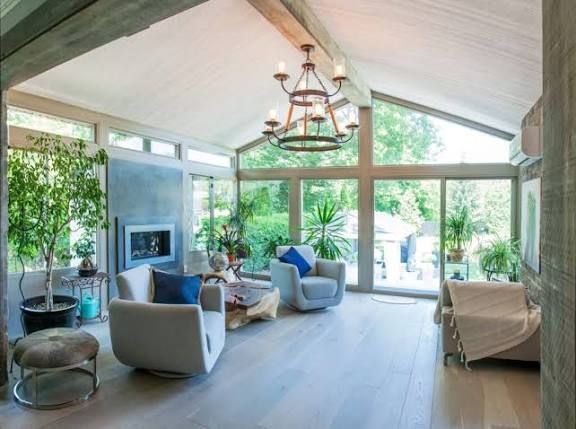
A sunroom addition in Rhode Island extends usable living space through the state's mild shoulder seasons, adds natural light during darker winter months, and can increase a home's value when built as a four-season room. The right design depends on your property's location, exposure, and whether you want seasonal or year-round use.
Rhode Island's weather sits in an unusual middle ground. Winters are milder than inland New England thanks to coastal moderation, yet summers bring humidity that can make outdoor space uncomfortable for weeks at a time.
A sunroom addition gives homeowners a way to bridge that gap, offering a room that stays connected to the outdoors without exposing you to wind, rain, or the thick air that rolls in off Narragansett Bay.
This guide looks at how Rhode Island's climate shapes sunroom design, what benefits homeowners can realistically expect, and what to think about before committing to a project.
What Makes Rhode Island's Climate Suited to a Sunroom Addition?
Rhode Island's coastal position moderates temperature swings compared to inland states. Winter lows rarely sit far below 20°F for extended stretches, which means a three-season sunroom can often be used comfortably from April through October without a dedicated heating system.
Summer is a different story. Humidity frequently climbs into the 60 to 70 percent range, and without proper airflow, a sunroom can feel stuffy rather than relaxing. Ocean breezes help offset this in coastal towns, but inland properties in Providence or Cranston need to plan ventilation more deliberately.
Spring and autumn are where sunrooms earn their keep. These shoulder seasons run longer in Rhode Island than in much of New England, and a well-placed sunroom lets you use that stretch of mild weather instead of watching it from behind a closed window.
What Are the Key Benefits of a Sunroom Addition in Rhode Island?
Homeowners across Providence, Warwick, and Newport choose sunroom additions for a mix of practical and lifestyle reasons. The main benefits include:
- Extended use of outdoor-facing space. A three-season room stretches comfortable use into April and October, while a four-season room removes the seasonal limit entirely.
- More natural light during shorter winter days. Rhode Island's winter daylight hours are limited, and a glass-heavy room helps offset rooms in the main house that don't get direct sun.
- Flexible everyday use. Sunrooms often double as breakfast rooms, reading spaces, or informal offices, with the function shifting depending on the season.
- Added home value, particularly with four-season designs. Because these rooms count as heated square footage, they tend to perform better during an appraisal than an unheated three-season addition.
These benefits are strongest when the room is matched to how you actually plan to use it, rather than built as a generic add-on.
Three-Season vs Four-Season Sunrooms: Which Suits Rhode Island Homes?
This is the first major decision for most homeowners, and it affects both cost and year-round usability.
Three-season sunrooms use lighter framing and minimal insulation. They work well from roughly April through October and suit homeowners who want a cost-effective way to enjoy garden or water views without heavy winter use. The trade-off is that the room sits unused for several months a year.
Four-season sunrooms include insulated walls, high-performance windows, and integrated heating and cooling. They function as genuine living space through Rhode Island's winters and humid summers alike, which is why they're increasingly common in Providence, Warwick, and other areas with slightly colder inland temperatures.
If you're still deciding between a sunroom and a more traditional addition altogether, our detailed comparison of a sunroom versus a home extension in Rhode Island walks through cost, insulation, and resale differences in more depth.
How Much Value Does a Sunroom Addition Add in Rhode Island?
Return on investment varies by room type and location, but general patterns hold across most of the state.
- Three-season sunrooms typically return 30 to 45 percent of construction cost at resale.
- Four-season sunrooms return closer to 40 to 60 percent, since they add to a home's heated square footage.
- Coastal and higher-value markets, including Barrington and parts of South County, tend to see stronger returns due to buyer demand for outdoor connection.
Costs themselves range widely depending on size, finish level, and site conditions. Coastal properties often run 10 to 15 percent higher due to wind resistance and corrosion-resistant materials. For a full cost breakdown by room type, see our guide to sunroom addition cost and benefits in Rhode Island, which covers pricing by square footage and finish level.
It's worth remembering that resale value is only one part of the equation. If you plan to stay in the home for years, day-to-day comfort and usability often matter more than a strict dollar return.
What Should You Consider When Designing a Sunroom for Rhode Island's Weather?
A sunroom built for Rhode Island needs to account for a few climate-specific factors that don't apply in milder, drier states.
Wind resistance. Coastal exposure means designing for wind loads that can reach 90 mph during nor'easters and coastal storms. This affects framing, glass specification, and anchoring.
Humidity management. Built-in ventilation is necessary to prevent condensation and keep the room comfortable through summer. Without it, a sunroom can become the most uncomfortable room in the house rather than the most enjoyable.
Snow load. Rhode Island averages around 30 inches of snow a year, but periodic heavy storms require adequate roof support, particularly on four-season designs with heavier roofing materials.
None of these factors should rule out a sunroom addition. They simply need to be addressed at the design stage rather than treated as an afterthought.
Which Rhode Island Locations Benefit Most from a Sunroom Addition?
Location affects both design requirements and how much use a sunroom will realistically get.
Coastal communities, including Newport, Narragansett, and Westerly, benefit from ocean views and milder winter temperatures, though construction here needs to account for salt air and higher wind exposure.
Urban areas like Providence and Warwick see steady year-round use, particularly with four-season designs that extend living space without the cost of a full extension.
Rural and inland areas, such as South County and Exeter, often have more flexibility with lot size and orientation, which gives homeowners more design options for maximising sun exposure.
If you're planning a project in a coastal city like Newport, local experience matters. Our team has worked directly with Newport home addition contractors and homeowners navigating historic district rules and coastal building standards, which often apply differently than in inland towns.
Do You Need a Permit for a Sunroom Addition in Rhode Island?
Nearly every Rhode Island municipality requires a building permit for a sunroom addition, regardless of size or season rating. The general process includes:
- Construction plans, sometimes requiring an engineer's stamp for larger projects
- Site plans confirming setback compliance from property lines
- Lot coverage checks, since most towns cap coverage at 30 to 50 percent
- Inspections at foundation, framing, and final stages
Coastal properties near Narragansett Bay may also fall under Coastal Resources Management Council review, which can extend approval timelines. Historic districts in parts of Providence and Newport often require additional design review before construction begins. Skipping permits isn't worth the risk, since unpermitted work can complicate a future home sale or insurance claim.
How Do You Maintain a Sunroom in Rhode Island's Coastal Climate?
Maintenance needs shift with the seasons, particularly near the coast.
Salt air accelerates wear on hardware and seals, so coastal homeowners should plan for regular cleaning and corrosion-resistant materials from the outset. A simple seasonal routine helps:
- Spring: Check glass and seals for winter damage.
- Summer: Confirm ventilation systems are working to manage humidity.
- Autumn: Inspect weatherstripping before temperatures drop.
- Winter: Clear snow load and check any heating components in four-season rooms.
Sunroom vs Home Extension: Is a Sunroom the Right Addition for You?
Not every homeowner needs a full extension to get more usable space. If your priority is natural light, a faster build timeline, and a lower upfront cost, a sunroom is often the more practical choice. If you need plumbing, heavy insulation, or year-round privacy for a bedroom or kitchen, a traditional extension may serve you better long term.
Our full comparison of a sunroom versus a home extension in Rhode Island covers this decision in more detail, including cost differences and construction timelines for each option.
Is a Sunroom Addition Right for Your Rhode Island Home?
A sunroom addition in Rhode Island works best when it's matched to how you actually plan to use the space and the realities of the state's coastal climate. Three-season rooms suit homeowners after an affordable, light-filled space for the warmer months, while four-season rooms function as genuine living space year-round and tend to perform better at resale.
Rockhouse Construction designs and builds sunrooms throughout Rhode Island, from coastal properties to inland and rural lots. If you're weighing a sunroom addition for your Rhode Island home, contact our team for a consultation to discuss design, permitting, and cost based on your property.
Rhode Island Sunroom Design Calculator
Find the sunroom setup that best matches your intended use, Rhode Island climate, location, and property conditions.
Rhode Island Climate Check
Recommended Design Checklist
Frequently Asked Questions
Does a sunroom addition work well in Rhode Island's climate?
Yes. Rhode Island's moderate coastal winters and long shoulder seasons make three-season sunrooms usable for most of the year, while four-season designs handle the colder months and summer humidity with proper insulation and ventilation.
What's the difference between a three-season and four-season sunroom?
A three-season sunroom uses lighter framing and minimal insulation, suited to spring through autumn. A four-season sunroom includes insulated walls, upgraded windows, and heating and cooling, making it usable year-round.
Do sunrooms increase home value in Rhode Island?
Four-season sunrooms typically add more value than three-season rooms, since they count as heated living space. Returns vary by location, with coastal and higher-value markets generally seeing stronger results.
Is a permit required for a sunroom addition in Rhode Island?
Yes. Nearly all Rhode Island municipalities require a building permit for a sunroom, since it involves a structural change to the home. Requirements vary slightly by town.
How does coastal exposure affect sunroom design in Rhode Island?
Coastal properties need stronger wind resistance, corrosion-resistant hardware, and sometimes impact-rated glass due to higher wind loads and salt air exposure.